Swim Your Heart Out!

F/10.0, 1/400, ISO 250.

Bufflehead Duck 

What do you call two ducks and a cow?

Quackers and Milk.

Interesting Fact: Bufflehead fossils from the late Pleistocene (about 500,000 years ago) have been found in Alaska, California, Florida, Illinois, Kansas, Texas, and Washington. One California fossil that resembles a modern Bufflehead dates to the late Pliocene, two million years ago.  ( https://www.allaboutbirds.org/guide/Bufflehead/lifehistory )

Have You Seen This Turkey? Last Seen Escaping Through The Kitchen Window.

wild-turkey-1

F/7.1, 1/200, ISO 640

Wild Turkey

Why did they let the turkey join the band?

Because he had the drumsticks

Interesting Fact: As Wild Turkey numbers dwindled through the early twentieth century, people began to look for ways to reintroduce this valuable game bird. Initially they tried releasing farm turkeys into the wild but those birds didn’t survive. In the 1940s, people began catching wild birds and transporting them to other areas. Such transplantations allowed Wild Turkeys to spread to all of the lower 48 states (plus Hawaii) and parts of southern Canada.  ( https://www.allaboutbirds.org/guide/Wild_Turkey/lifehistory )

Oh My Deer…

F/5.6, 1/250, ISO 400

White-Tailed Deer

What is it called when a tree takes time off from work in autumn?

Paid leaf.

Interesting Fact: Deer have a great sense of hearing and can even move their ears in any direction, without moving the head. Deer have an excellent sense of smell and can detect predators from a long distance away.

Should I Get A Tatoo Of A Human on My Back?

F/8.0, 1/250, ISO 250.

Butterfly

What do Butterfly learn at school?

Mothmatics !

Interesting Fact:  Butterflies are often polymorphic, and many species make use of camouflage, mimicry and aposematism to evade their predators. Some, like the monarch and the painted lady, migrate over long distances. Many butterflies are attacked by parasites or parasitoids, including wasps, protozoans, flies, and other invertebrates, or are preyed upon by other organisms. Some species are pests because in their larval stages they can damage domestic crops or trees; other species are agents of pollination of some plants. Larvae of a few butterflies (e.g., harvesters) eat harmful insects, and a few are predators of ants, while others live as mutualists in association with ants. Culturally, butterflies are a popular motif in the visual and literary arts. ( https://en.wikipedia.org/wiki/Butterfly )

Whose TERN Is This Anyway?

F/ 5.6, 1/500, ISO 100.

Caspian Tern

Why did the cookie go to the hospital?

Because he felt crummy.

Interesting Fact: The Caspian Tern aggressively defends its breeding colony. It will pursue, attack, and chase potential predatory birds, and can cause bloody wounds on the heads of people who invade the colony. The entire colony will take flight, however, when a Bald Eagle flies overhead, exposing the chicks to predation from gulls. ( https://www.allaboutbirds.org/guide/Caspian_Tern/overview )

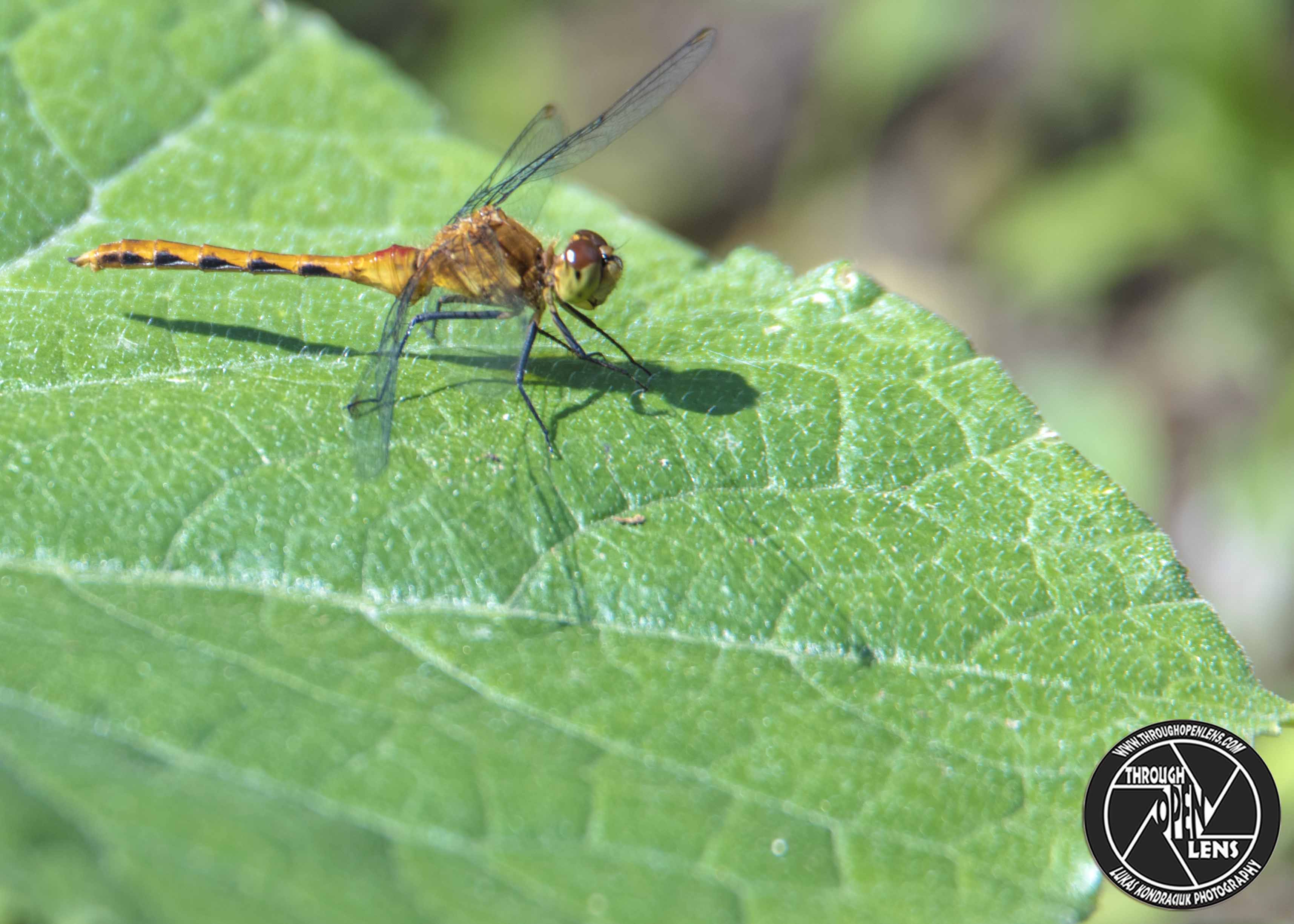
Let Me Give You The Skinney

F/7.1, 1/200, ISO 200.

Dragonfly

What do you get when you cross a parrot with a shark?

An animal that talks your head off.

Interesting Fact: Old and unreliable claims are made that dragonflies such as the southern giant darner can fly up to 60 miles per hour (97 km/h).[50] However, the greatest reliable flight speed records are for other types of insects.[51] In general, large dragonflies like the hawkers have a maximum speed of 10–15 metres per second (22–34 mph) with average cruising speed of about 4.5 metres per second (10 mph).[52] Dragonflies can fly at 100 body-lengths per second, and three lengths per second backwards. ( https://en.wikipedia.org/wiki/Dragonfly#Flight )

Be Yourself Because An Original Is Worht More Then A Copy!

F/10.0, 1/400, ISO 160.

White-winged Dove

What kind of candy do zombies refuse to eat?

LIFE Savers!

Interesting Fact: Like other doves and pigeons, White-winged Doves have some unusual abilities. They can suck and swallow water without moving their heads. And they use a secretion from the esophagus, known as crop milk, to feed nestlings. Both parents may consume snails and bone fragments to help their bodies create the nutritious fluid. ( https://www.allaboutbirds.org/guide/White-winged_Dove )

We Are Looking At You!

F/9.0, 1/320, ISO 250.

Semipalmated Sandpipers

What never asks questions but receives a lot of answers?

The Telephone.

Interesting Fact: The oldest recorded Semipalmated Sandpiper was at least 14 years, 2 months old when it was recaptured and rereleased during banding operations in New Brunswick. ( https://www.allaboutbirds.org/guide/Semipalmated_Sandpiper/overview )

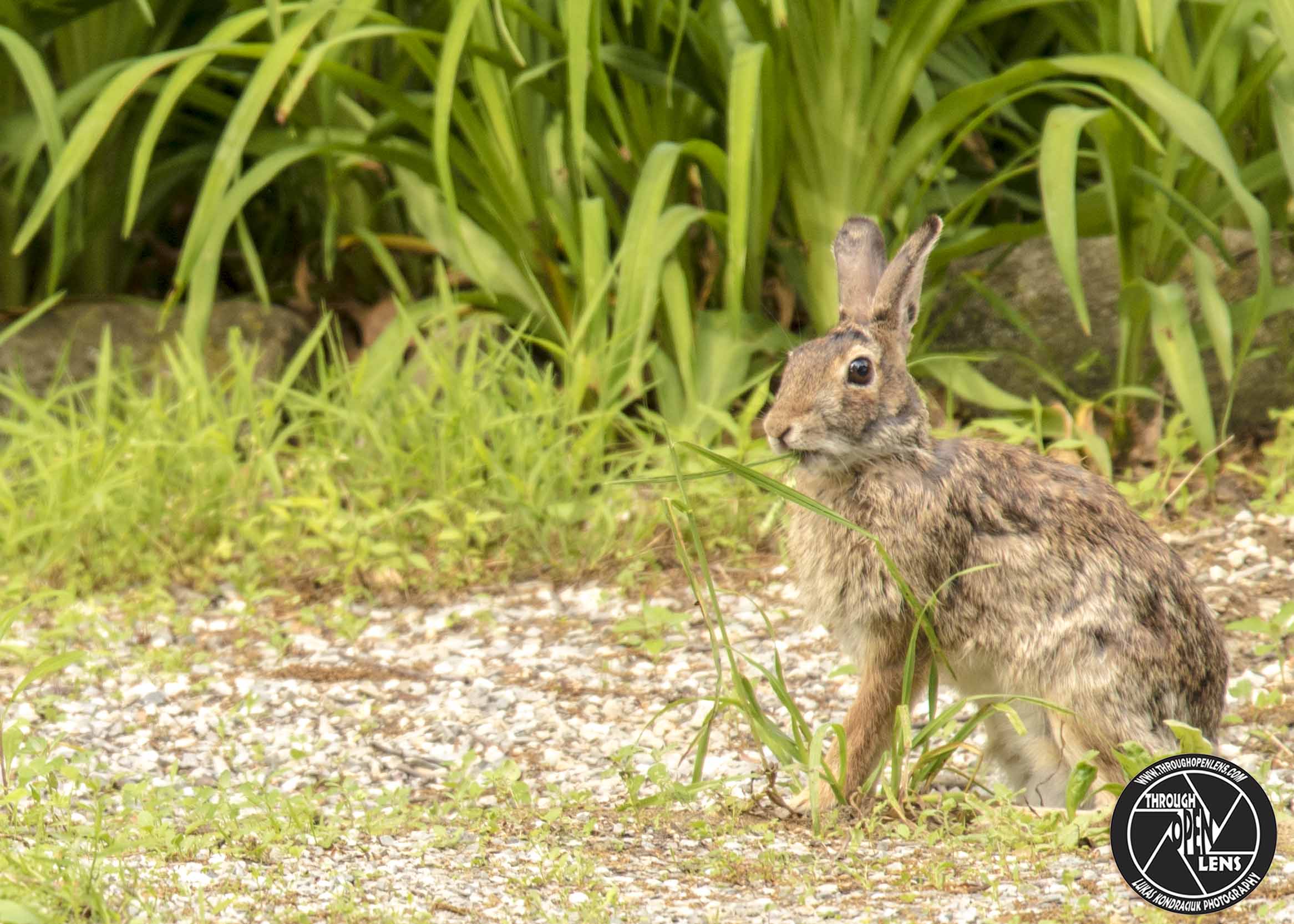
I’m Not Mean. You’re Just A Sissy!

F/7.1, 1/200, ISO 250.

Eastern Cottontail Rabbit

What do rabbits say before they eat?

Lettuce pray.

Interesting Fact: Females give birth in shallow ground nests, to young so helpless that perhaps only 15 percent survive their first year. Fortunately, rabbits breed three or four times every year and produce three to eight young each time.  ( https://www.nationalgeographic.com/animals/mammals/e/eastern-cottontail-rabbit/ )

I Am People Watching.

F/9.0, 1/320, ISO 160.

Palmchat

What’s a zombies favorite desert?

I-Scream!

Interesting Fact: Palmchats are very sociable birds, often seen in small flocks containing several pairs which will roost closely together with their bodies in contact. ( https://en.wikipedia.org/wiki/Palmchat )