Hey, these are my nuts!

F/5.6, 1/160, ISO 800.

Eastern Chipmunk

Why did the skeleton burp?

Because it didn’t have the guts to fart.

Interesting Fact: A chipmunk’s cheeks can expand to three times the size of its head and they have pouches in their cheeks where they hold their food until they get back to store it in their burrows ( http://www.pets4homes.co.uk/pet-advice/fun-interesting-facts-about-chipmunks.html )
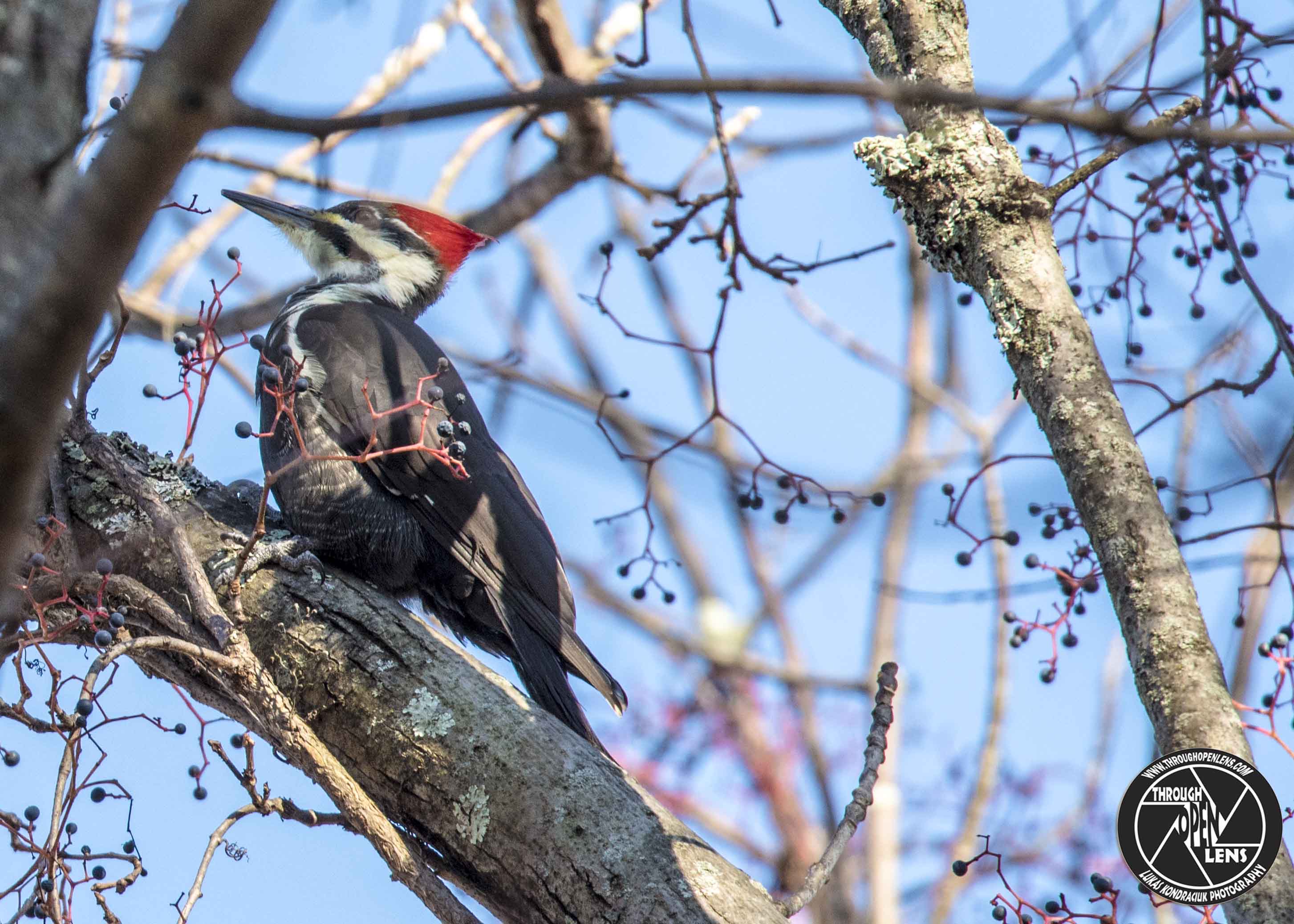


Peck Like There Is No Tomorrow!

F/9.0, 1/320, ISO 400.

Pileated Woodpecker 

Why do mummies make great spies?

They’re good at keeping things under wraps.

Interesting Fact: Pileated Woodpeckers forage in large, dead wood—standing dead trees, stumps, or logs lying on the forest floor. They make impressive rectangular excavations that can be a foot or more long and go deep inside the wood. These holes pursue the tunnels of carpenter ants, the woodpecker’s primary food. The birds also use their long, barbed tongues to extract woodboring beetle larvae (which can be more than an inch long) or termites lying deep in the wood. ( https://www.allaboutbirds.org/guide/Pileated_Woodpecker/lifehistory )

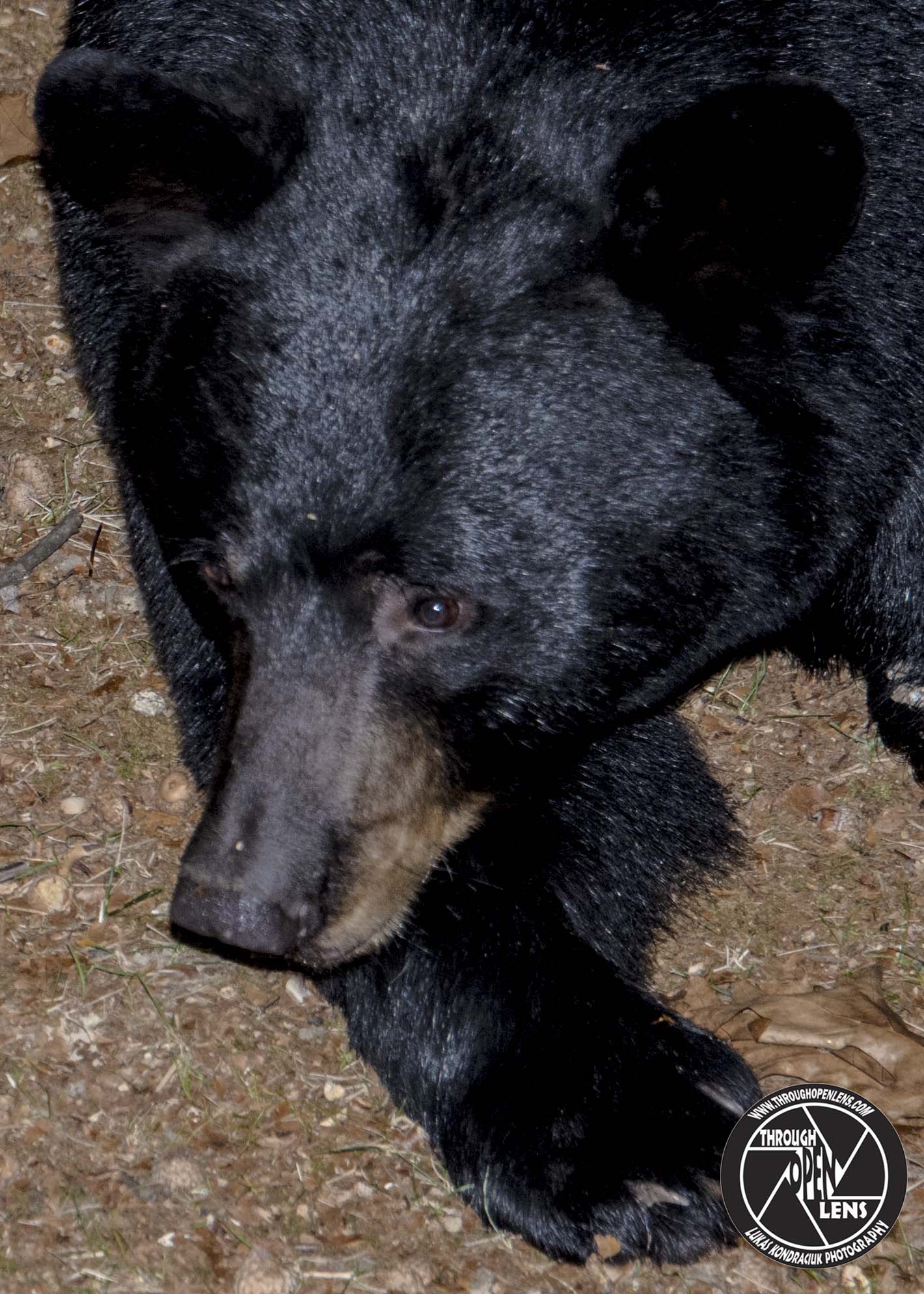
HEY BOO BOO!!!

F/6.3, 1/60. ISO 640.

American Black Bear

How does a tree get on the internet?

He logs in

Interesting Fact: American black bears have better eyesight and hearing than humans. Their keenest sense is their sense of smell, which is about seven times more sensitive than a domestic dog’s.[64] American black bears are excellent and strong swimmers, swimming for pleasure and to feed (largely on fish). ( https://en.wikipedia.org/wiki/American_black_bear )

Double Check!

F/5.6, 1/1600, ISO 400.

Mute Swan

What did the digital clock say to his mother?

Look ma, no hands!

Interesting Fact: All of the Mute Swans in North America descended from swans imported from Europe from the mid 1800s through early 1900s to adorn large estates, city parks, and zoos. Escapees established breeding populations and are now established in the Northeast, Midatlantic, Great Lakes, and Pacific Northwest of the U.S. ( https://www.allaboutbirds.org/guide/Mute_Swan )

My Life Feels Like A Test I Didn’t Study For.

F/9.0, 1/320, ISO 320.

Peregrine Falcon

What is the difference between inlaws and outlaws?

Outlaws are wanted! (or You can shoot outlaws!)

Interesting Fact: When hunting, Peregrines start by watching from a high perch or by flapping slowly or soaring at great height. Stoops begin 300–3,000 feet above their prey and end either by grabbing the prey or by striking it with the feet hard enough to stun or kill it. They then catch the bird and bite through the neck to kill it. ( https://www.allaboutbirds.org/guide/Peregrine_Falcon/lifehistory )


I Am Coming For You!

F/11.0, 1/500, ISO 400.

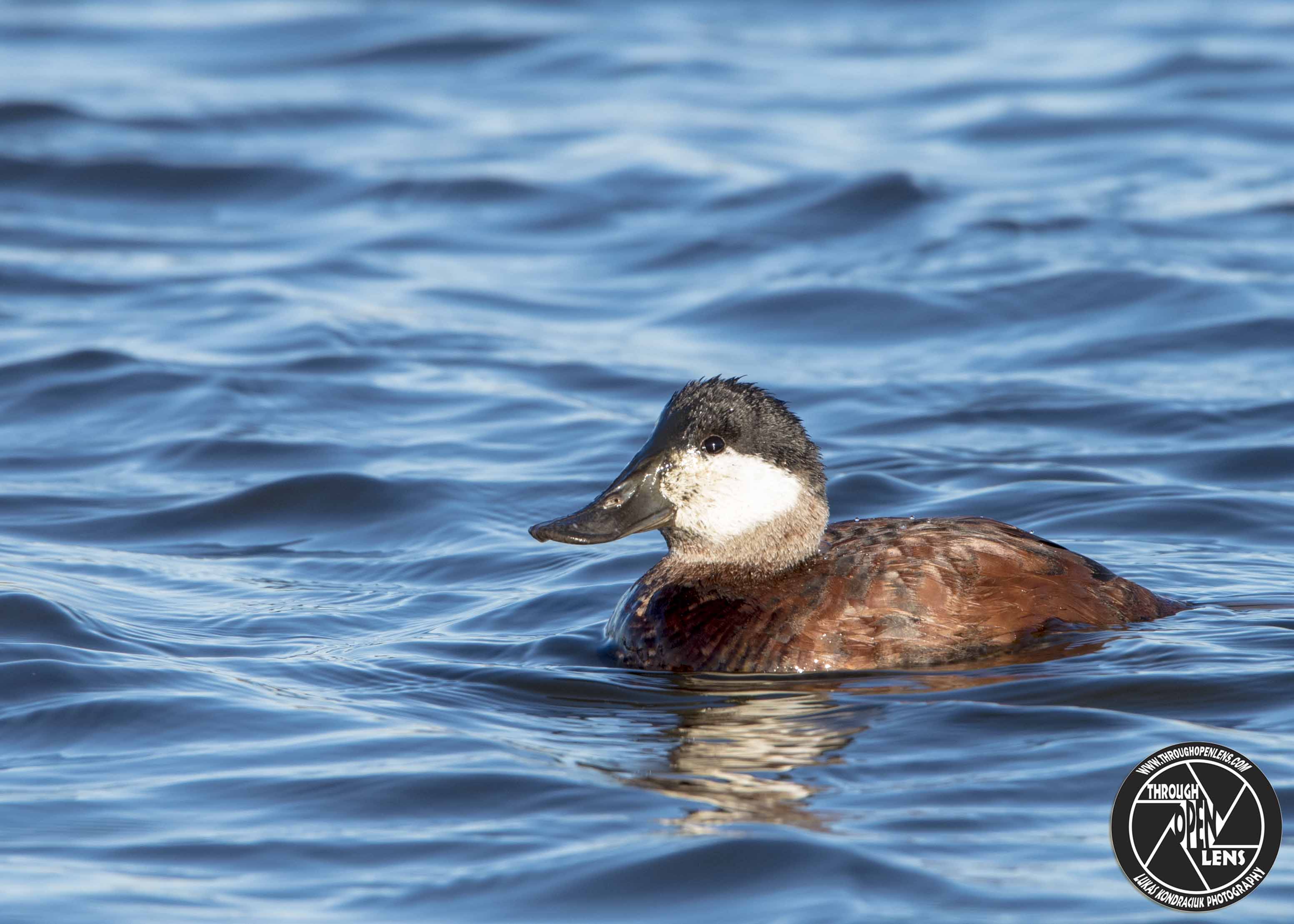
Ruddy Duck ( Juvenile ) 

Why are elephants such poor dancers?

Because they have two left feet.

Interesting Fact: Ruddy Ducks get harassed by Horned Grebes, Pied-billed Grebes, and American Coots during the breeding season. The grebes sometimes attack Ruddy Ducks from below the water, a behavior known as “submarining.” ( https://www.allaboutbirds.org/guide/Ruddy_Duck )

Will You Be My Valentine?!

F/6.3, 1/1000, ISO 450.

Mute Swan

What do you call a funny chicken?

A comedi-hen

Interesting Fact: Mute Swans form long-lasting pair bonds. Their reputation for monogamy along with their elegant white plumage has helped establish them as a symbol of love in many cultures. ( https://www.allaboutbirds.org/guide/Mute_Swan/lifehistory )

Bonus Valentine Facts:  Feb. 14 was officially designated St. Valentine’s Day in 1537 by King Henry VII of England. ( http://www.ibtimes.com/valentines-day-facts-history-fun-ideas-free-burritos-singles-awareness-other-things-1813226 )

People Say Nothing Is Impossible, But I Do Nothing Every Day.

F/10.0, 1/400, ISO 250.

Ruddy Duck 

Why are mountains so funny?

Because they are hill areas.

Interesting Fact: Most males pair up with one female each for the duration of the breeding season, but some take multiple mates. Their eggs are proportionally the largest of all waterfowl. The ducklings hatch well-developed and active, receiving minimal care from the mother and none from the father. Ducklings are preyed upon by Black-crowned Night-Herons, Ring-billed Gulls, California Gulls, mink, and raccoons. ( https://www.allaboutbirds.org/guide/Ruddy_Duck/lifehistory )


Time Is Just Flying By

F/6.3, 1/500, ISO 250.

Northern Pintail Duck 

A man walks into an army surplus store and asks if they have any camouflage jackets.

“Yes, we do,” replies the assistant. “But we can’t find any of them.”

Interesting Fact: The female makes several scrapes in the ground before she starts building the nest, ultimately choosing the last scrape made. She slowly adds grasses and down to the depression while laying eggs to form a shallow bowl approximately 7–10 inches wide and 2–4 inches deep. ( https://www.allaboutbirds.org/guide/Northern_Pintail/lifehistory )


I’m Chillin’

F/7.1, 1/1600, ISO 640.

Mute Swan ice

Why are ghosts bad liars?

Because you can see right through them!

Interesting Fact: Before or during landing at a breeding site they’ll slap the water with their feet to announce their arrival and alert potential intruders. If another swan approaches members of the pair raise their wings and tuck their neck in a “busking” display to warn them off. Territorial defenses sometimes escalate to fights between males that can end with the dominant bird pushing its rival underwater. ( https://www.allaboutbirds.org/guide/Mute_Swan/lifehistory )