Are You Talking To Me?!

northern-cardinal-4

F/6.3, 1/250, ISO 450.

Northern Cardinal

What did little Tom’s mother do when she caught him zapping the other children with static electricity?

She grounded him.

Interesting Fact: The oldest recorded Northern Cardinal was a female, and was 15 years, 9 months old when she was found in Pennsylvania. ( https://www.allaboutbirds.org/guide/Northern_Cardinal/lifehistory )

I Am Going Green!

F/6.3, 1/125, ISO 320.

American Wigeon

A man takes his dog to the vet.

“My dog is cross-eyed, is there anything you can do for him?”

“Well,” said the vet, “let’s have a look at him” So he picks the dog up and examines his eyes, then he checks his teeth.

Finally, he says, “I’m going to have to put him down.”

“What? Because he’s cross-eyed?”

“No, because he’s really heavy”.

Interesting Fact: The American Wigeon is a rare, but regular straggler to Europe where it turns up in flocks of Eurasian Wigeon. ( https://www.allaboutbirds.org/guide/American_Wigeon/lifehistory ).

Sometimes They Come Back Again!

F/5.0, 1/250, ISO 400.

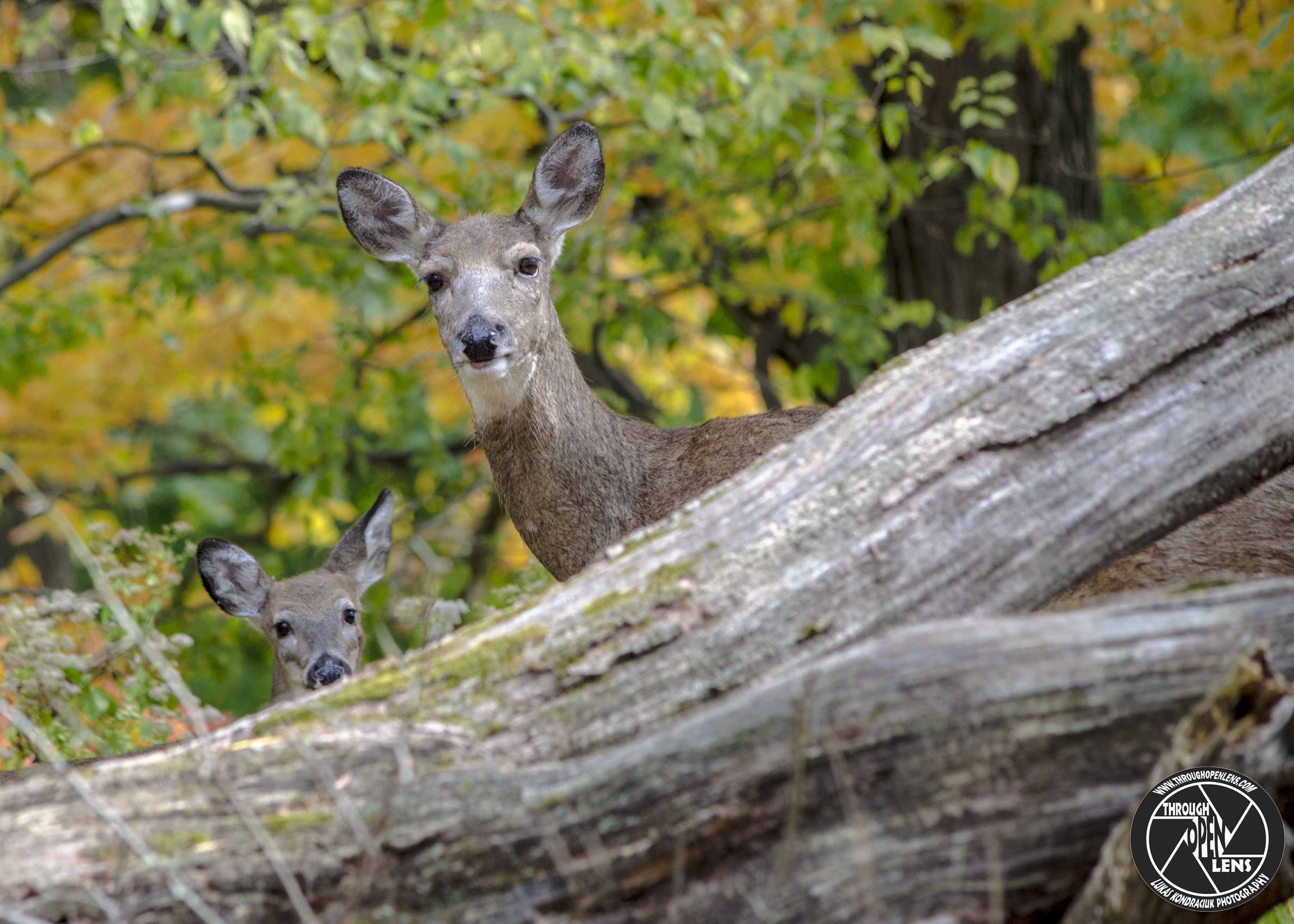
White-Tailed Deer

Where do old bowling balls end up?

In the gutter!

Interesting Fact: The fawn is also weaned by the time it loses its spots. By November the average whitetail male fawn will weigh close to 80 to 85 pounds, and the female fawn will weigh 75 to 80 pounds. As the spots disappear, the fawn’s coat also changes from its reddish color to a grayish winter coat. The buck fawn’s face grows a bit darker in color but the belly remains white. ( http://www.the-whitetail-deer.com/whitetail-deer-fawns.html )


Little Duckies Need Some Snackies

F/5.6, 1/160, ISO 100.

Mallard Female with Ducklings

Who earns a living driving their customers away?

A taxi driver.

Interesting Fact:  The female forms a shallow depression or bowl on the ground in moist earth. She does not carry material to the nest but rather pulls vegetation she can reach toward her while sitting on nest. During egg-laying phase, she lines the nest with grasses, leaves, and twigs from nearby. She also pulls tall vegetation over to conceal herself and her nest. After incubation begins, she plucks down feathers from her breast to line the nest and cover her eggs. The finished nest is about a foot across, with a bowl for the eggs that is 1–6 inches deep and 6–9 inches across. ( https://www.allaboutbirds.org/guide/Mallard/lifehistory )


Baby It’s Cold Outside!

F/8.0,1/250, ISO 400.

Northern Cardinal Male 

Why did Scrooge keep a pet lamb?

Because it would say, “Baaaaahh humbug!”

Interesting Fact: Look for Northern Cardinals in dense shrubby areas such as forest edges, overgrown fields, hedgerows, backyards, marshy thickets, mesquite, regrowing forest, and ornamental landscaping. Cardinals nest in dense foliage and look for conspicuous, fairly high perches for singing. Growth of towns and suburbs across eastern North America has helped the cardinal expand its range northward. ( https://www.allaboutbirds.org/guide/Northern_Cardinal/lifehistory )


Who Dyed Your Hair!

F/8.0, 1/1000, ISO 400.

Red-Bellied Woodpecker

Teacher: “Bobby what do you want to be when you grow up?”

Bobby: “A doctor.”

Teacher: “And why’s that?”

Bobby: “Because it’s the only profession where you can tell women to take off their clothes and then stick their husbands with the bill.”

Interesting Fact:  These birds often stick to main branches and trunks of trees, where they hitch in classic woodpecker fashion, leaning away from the trunk and onto their stiff tail feathers as they search for food hiding in bark crevices. ( https://www.allaboutbirds.org/guide/Red-bellied_Woodpecker/lifehistory )

Dont Mess With Me, I Can Peck You Up!

F/9.0, 1/1250, ISO 400.

Downy Woodpecker

Teacher: Bob please point to America on the map.

Bob: This is it.

Teacher: Well done. Now class, who found America?

Class: Bob did.

Interesting Fact: Woodpeckers don’t sing songs, but they drum loudly against pieces of wood or metal to achieve the same effect. People sometimes think this drumming is part of the birds’ feeding habits, but it isn’t. In fact, feeding birds make surprisingly little noise even when they’re digging vigorously into wood. ( http://www.allaboutbirds.org/guide/downy_woodpecker/lifehistory )

Don’t Stick Your Beak Where It Doesn’t Belong!

F/6.3, 1/6, ISO 100.

Great Blue Heron

Why couldn’t the pirate play cards?

Because he was sitting on the deck!

Interesting Fact: Great Blue Herons generally move away from the northern edge of their breeding range in winter, with some flying as far south as the Caribbean. Populations in the Pacific Northwest and south Florida are present year-round.  ( https://www.allaboutbirds.org/guide/Great_Blue_Heron/maps-range )


Red Mean Stop And Admire!

F/6.3, 1/125, ISO 1000.

Northern Cardinal ( Male )

Did you hear the joke about the roof?

Never mind, it’s over your head!

Interesting Fact: Males sometimes bring nest material to the female, who does most of the building. She crushes twigs with her beak until they’re pliable, then turns in the nest to bend the twigs around her body and push them into a cup shape with her feet. The cup has four layers: coarse twigs (and sometimes bits of trash) covered in a leafy mat, then lined with grapevine bark and finally grasses, stems, rootlets, and pine needles. ( https://www.allaboutbirds.org/guide/Northern_Cardinal/lifehistory )

Oh My Deer…

F/5.6, 1/250, ISO 400

White-Tailed Deer

What is it called when a tree takes time off from work in autumn?

Paid leaf.

Interesting Fact: Deer have a great sense of hearing and can even move their ears in any direction, without moving the head. Deer have an excellent sense of smell and can detect predators from a long distance away.