Not In A Tweeting Mood!

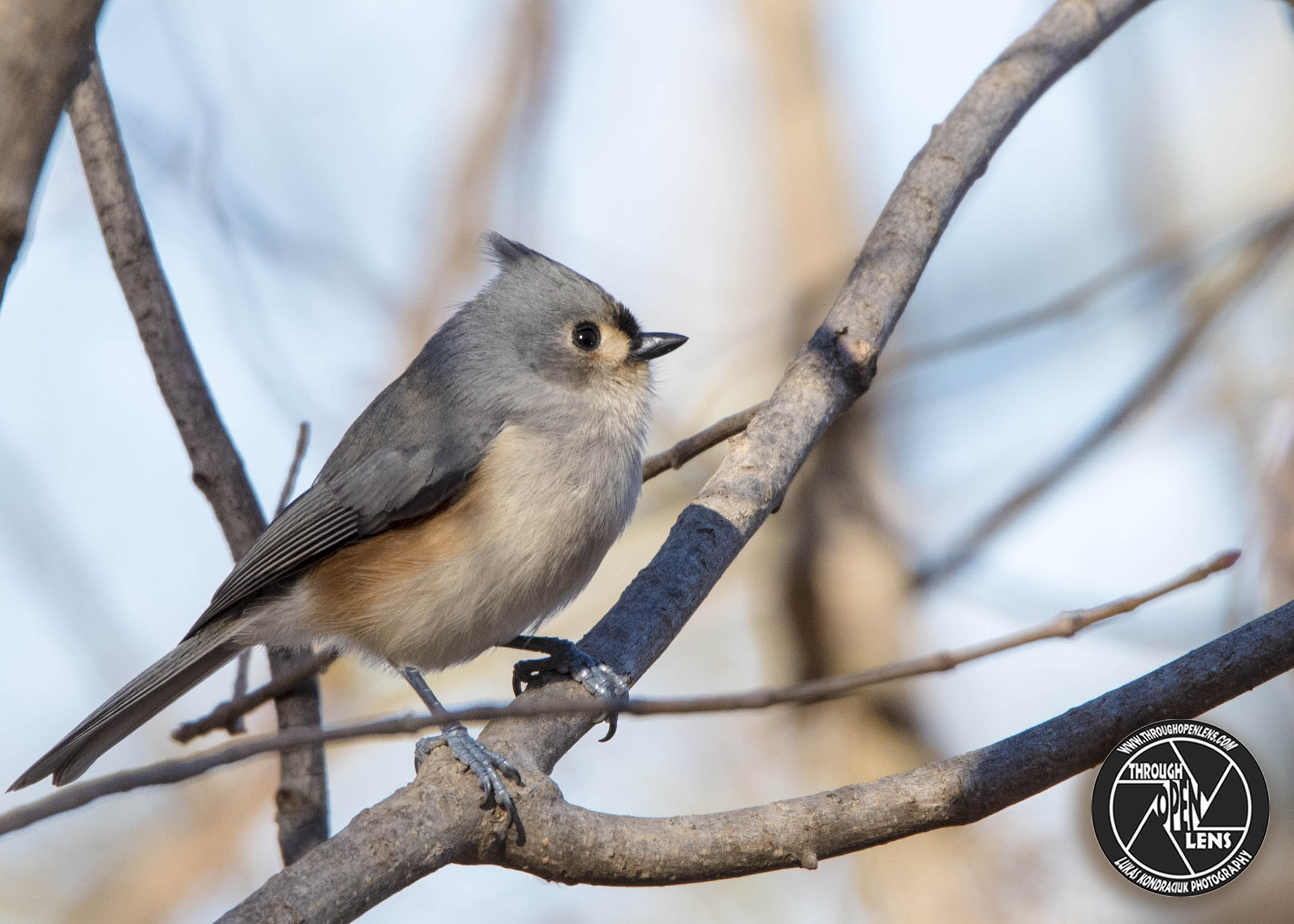
tufted-titmouse-3

F/10.0, 1/400, ISO 400.

Tufted Titmouse

Why did the storm trooper buy an iphone?

He couldn’t find the Droid he was looking for.

Interesting Fact: Tufted Titmice often line the inner cup of their nest with hair, sometimes plucked directly from living animals. The list of hair types identified from old nests includes raccoons, opossums, mice, woodchucks, squirrels, rabbits, livestock, pets, and even humans. ( https://www.allaboutbirds.org/guide/Tufted_Titmouse/lifehistory )


I Came In Like A Wrecking Ball!

F/6.3, 1/500, ISO 400.

Black capped Chickadee 

Can your mother predict the future with cards?

Yes! She takes one look at my report card and tells me what will happen when my father gets home.

Interesting Fact: Chickadees are active, acrobatic, curious, social birds that live in flocks, often associating with woodpeckers, nuthatches, warblers, vireos, and other small woodland species. They feed on insects and seeds, but seldom perch within several feet of one another while taking food or eating. Flocks have many calls with specific meanings, and they may contain some of the characteristics of human language. ( https://www.allaboutbirds.org/guide/Black-capped_Chickadee/lifehistory )

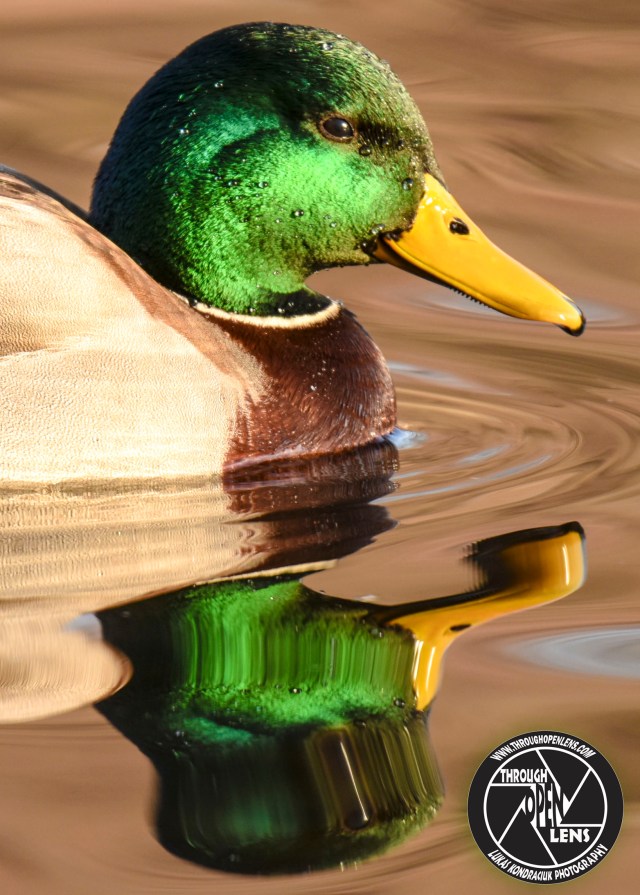
Life Is Only A Reflection Of What We Allow Ourselves To See

mallard-5

F/7.1, 1/200, ISO 320.

Mallard

A duck waddles into a card shop, he waddles his way to the front desk asking the clerk, Do you got any tape?

The clerk replies, No. So the duck waddles away. The very next day at the same time the same duck waddles into the Card Shop he waddles right up to that same clerk asking him, Do you have any tape?

The clerk looking irritated replying in a stern voice, No! We are a card shop we sell cards not tape! And if you ask me again I will nail your bill to the counter!

So the duck just waddles away. At the same time the next day the Duck is waddling into that same card shop He waddles right up to that same clerk asking him, do you have any nails? The clerk says, no. Then the duck replied good!! So do you have any tape?

Interesting Fact: Mallard pairs form long before the spring breeding season. Pairing takes place in the fall, but courtship can be seen all winter. Only the female incubates the eggs and takes care of the ducklings. ( https://www.allaboutbirds.org/guide/Mallard/lifehistory )

Keep On Knockin!

F/8.0, 1/800, ISO 800.

Red-Bellied Woodpecker 

What did one traffic light say to the other?

Don’t look at me while I’m changing!

Interesting Fact: These birds often stick to main branches and trunks of trees, where they hitch in classic woodpecker fashion, leaning away from the trunk and onto their stiff tail feathers as they search for food hiding in bark crevices. ( https://www.allaboutbirds.org/guide/Red-bellied_Woodpecker/lifehistory )


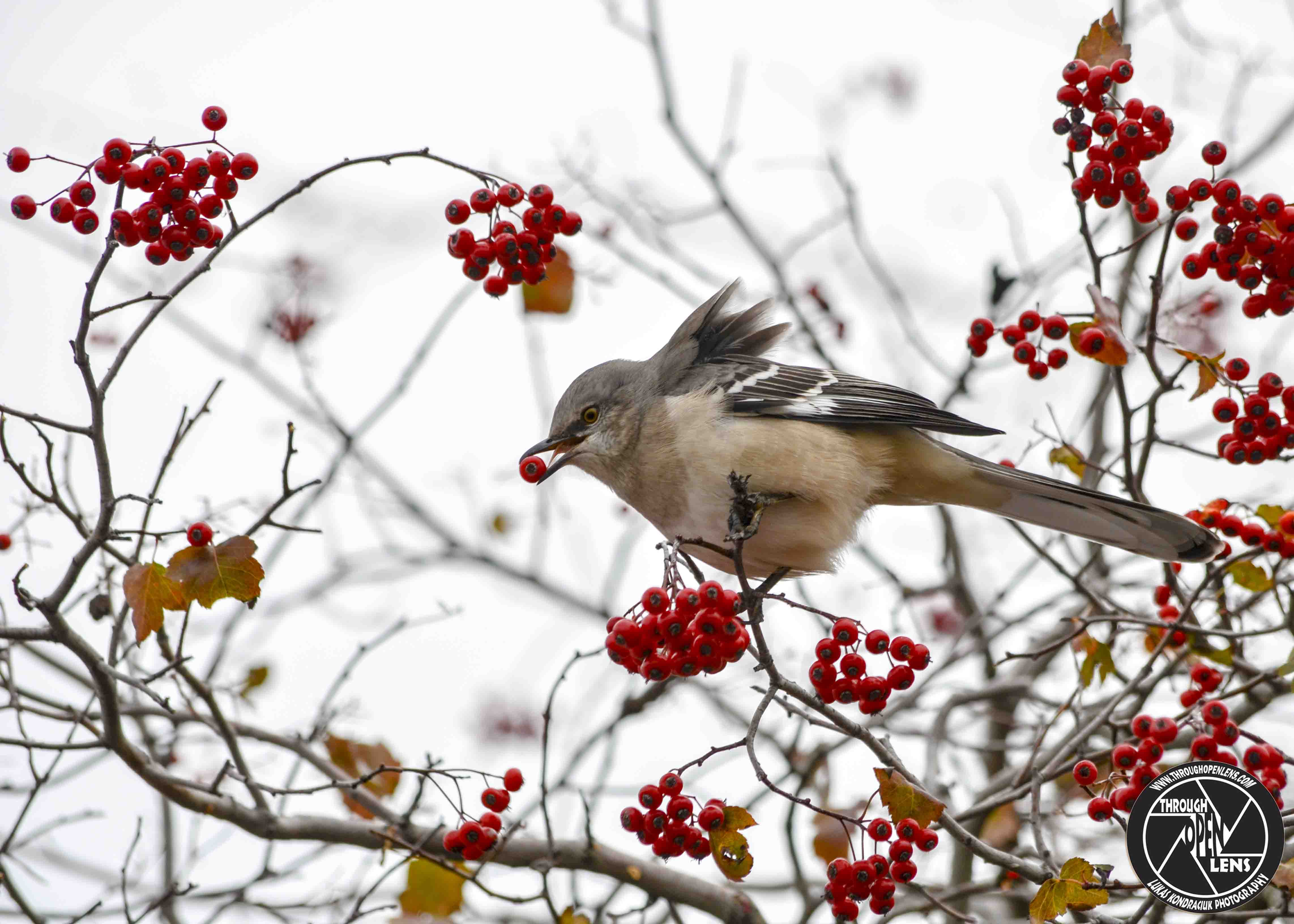
Hush, little baby, don’t say a word, Mama’s gonna buy you a mockingbird

F/7.1, 1/800, ISO 200.

Northern Mockingbird

Why shouldn’t you fart in an Apple Store?

They don’t have Windows.

Interesting Fact: Northern mockingbirds tend to imitate other birds and sounds they hear.  This bird is very territorial and will not hesitate to attack intruders.  ( https://americanexpedition.us/northern-mockingbird-facts-photos-and-information )

Don’t Play Dead With A Vulture. That’s Exactly What They Want.

turkey-vulture

F/6.3, 1/160, ISO 100.

Turkey Vulture

As migration approached, two elderly vultures doubted they could make the trip south, so they decided to go by airplane.

When they checked their baggage, the attendant noticed that they were carrying two dead raccoons. “Do you wish to check the raccoons through as luggage?” she asked.

“No, thanks,” replied the vultures. “They’re carrion.”

Interesting Fact: Turkey Vultures, like other carrion birds, are protected from disease associated with decaying animals by a very sophisticated immune system. ( http://identify.whatbird.com/mwg/_/0/identify.whatbird.com/obj/117/overview/Turkey_Vulture.aspx )

Well…This Is Hawkward

red-tailed-hawk-hawkward

F/13.0, 1/640, ISO 320.

Red-tailed Hawk 

Where do animals go when their tails fall off?

The retail store!

Interesting Fact: The Red-tailed Hawk has a thrilling, raspy scream that sounds exactly like a raptor should sound. At least, that’s what Hollywood directors seem to think. Whenever a hawk or eagle appears onscreen, no matter what species, the shrill cry on the soundtrack is almost always a Red-tailed Hawk. ( https://www.allaboutbirds.org/guide/Red-tailed_Hawk/lifehistory )


Get My Good Side! Ew

F/7.1, 1/200, ISO 250.

Blue Jay

What did one wall say to the other wall?

Meet ya’ at the corner!

Interesting Facts: This common, large songbird is familiar to many people, with its perky crest; blue, white, gray, and black plumage; and noisy calls. Blue Jays are known for their intelligence and complex social systems, and have tight family bonds. They often mate for life, remaining with their social mate throughout the year. ( https://www.allaboutbirds.org/guide/Blue_Jay/lifehistory )

And Since I Have No Place To Go Let It Snow, Let It Snow, Let It Snow.

F/7.1, 1/200, ISO 320.

Northern Cardinal Female

Why did the baseball coach throw Cinderella off the team?

Because she ran away from the ball.

Interesting Fact: A week or two before the female starts building, she starts to visit possible nest sites with the male following along. The pair call back and forth and hold nesting material in their bills as they assess each site. Nests tend to be wedged into a fork of small branches in a sapling, shrub, or vine tangle, 1-15 feet high and hidden in dense foliage. ( https://www.allaboutbirds.org/guide/Northern_Cardinal/lifehistory )


A Bird Does Not Sing Becauces It Has An Answer. It Sings Because It Has A Song.

F/6.3, 1/100, ISO 320.

Tufted Titmouse

What is the snowman’s breakfast?…

Frosted flakes!

Interesting Fact: The Black-crested Titmouse of Texas and Mexico has at times been considered just a form of the Tufted Titmouse. The two species hybridize where they meet, but the hybrid zone is narrow and stable over time. They differ slightly in the quality of their calls, and show genetic differences as well. ( https://www.allaboutbirds.org/guide/Tufted_Titmouse/lifehistory )