It’s My Honey, And I Want It Now!

F/5.6, 1/125, ISO 500.

Bumble Bee

What do you call a bee born in May?

A maybe!

Interesting Fact: Unlike the honeybee, bumblebees will not die after stinging. They can sting as much as they want. Luckily, they are not aggressive and they will sting only in self defense. ( http://www.softschools.com/facts/animals/bumblebee_facts/582/ )

I Claim This Branch!

F/7.1, 1/200, ISO 200.

Eastern Phoebe 

Why can’t you take a nap during a race?

Because if you snooze, you loose!

Interesting Fact: The Eastern Phoebe is a loner, rarely coming in contact with other phoebes. Even members of a mated pair do not spend much time together. They may roost together early in pair formation, but even during egg laying the female frequently chases the male away from her. ( https://www.allaboutbirds.org/guide/Eastern_Phoebe/lifehistory )

Holy Smokes Batman Your Zipper Is Down!

F/9.0, 1/320, ISO 250.

American Robin

What happens when Batman and Robin fight a steamroller?

They become Flatman and Ribbon.

Interesting Fact: Although robins are considered harbingers of spring, many American Robins spend the whole winter in their breeding range. But because they spend more time roosting in trees and less time in your yard, you’re much less likely to see them. The number of robins present in the northern parts of the range varies each year with the local conditions. ( https://www.allaboutbirds.org/guide/American_Robin/lifehistory )

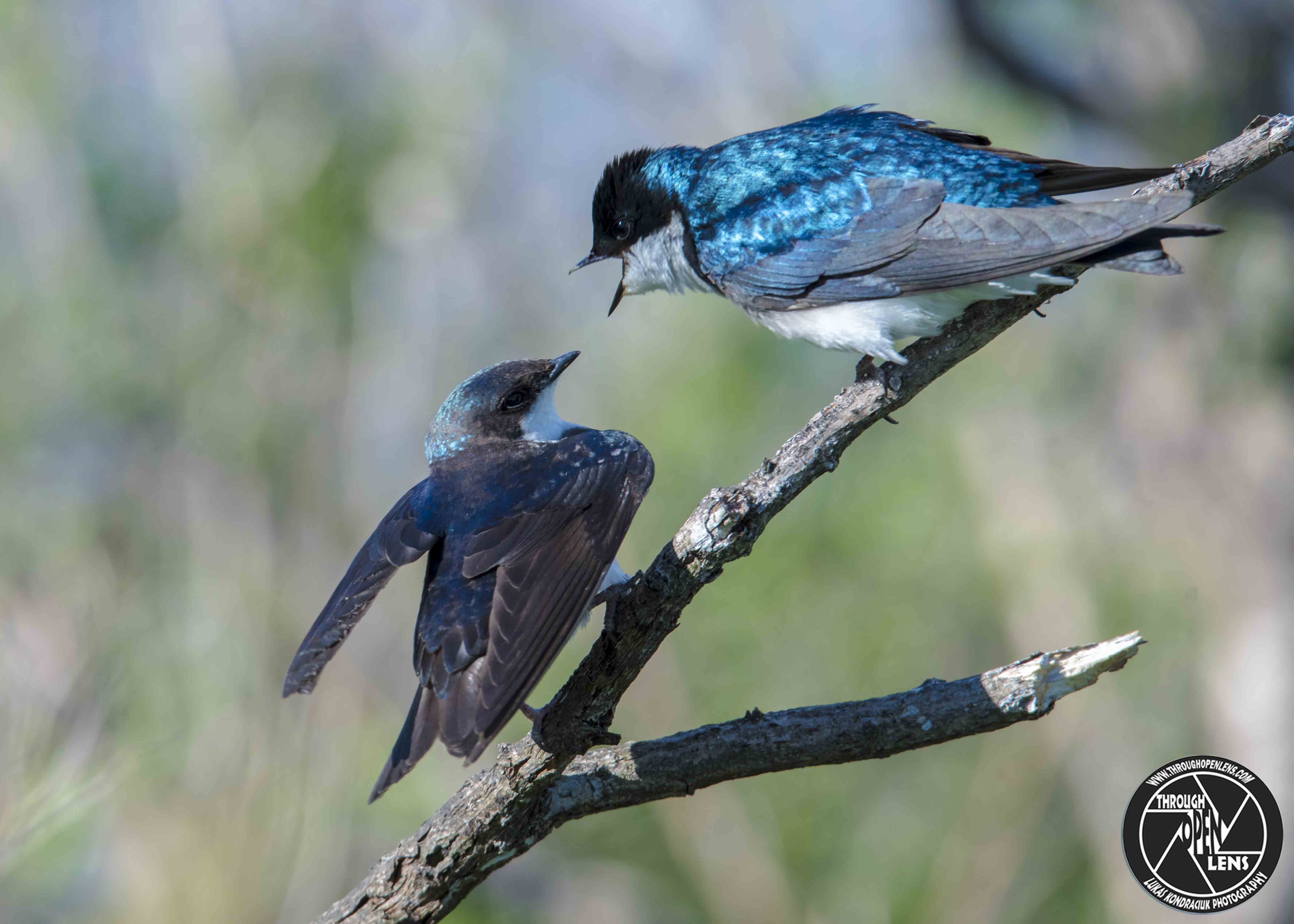
If You Can’t Win An Argument, Correct Their Grammar Instead.

F/8.0, 1/250, ISO 250.

Tree Swallow

Nurse: “The invisible man is here for his appointment.”

Doctor: “Tell him I’m sorry I can’t see him right now.”

Interesting Fact: Tree Swallows nest in natural cavities of standing dead trees, old woodpecker cavities, or nest boxes. On occasion they nest in hollow stumps, building eaves, Wood Duck nest boxes, holes in the ground, old Cliff Swallow burrows, or other unconventional sites.  ( https://www.allaboutbirds.org/guide/Tree_Swallow/lifehistory )

The Deeper You Look The Better The Treasure.

F/7.1, 1/200, ISO 500.

Yellow Warbler

What did the judge say when a skunk walked into the courtroom?

“Odor in the court!”

Interesting Fact: Yellow Warblers build their nests in the vertical fork of a bush or small tree such as willow, hawthorn, raspberry, white cedar, dogwood, and honeysuckle. The nest is typically within about 10 feet of the ground but occasionally up to about 40 feet.  ( https://www.allaboutbirds.org/guide/Yellow_Warbler/lifehistory )

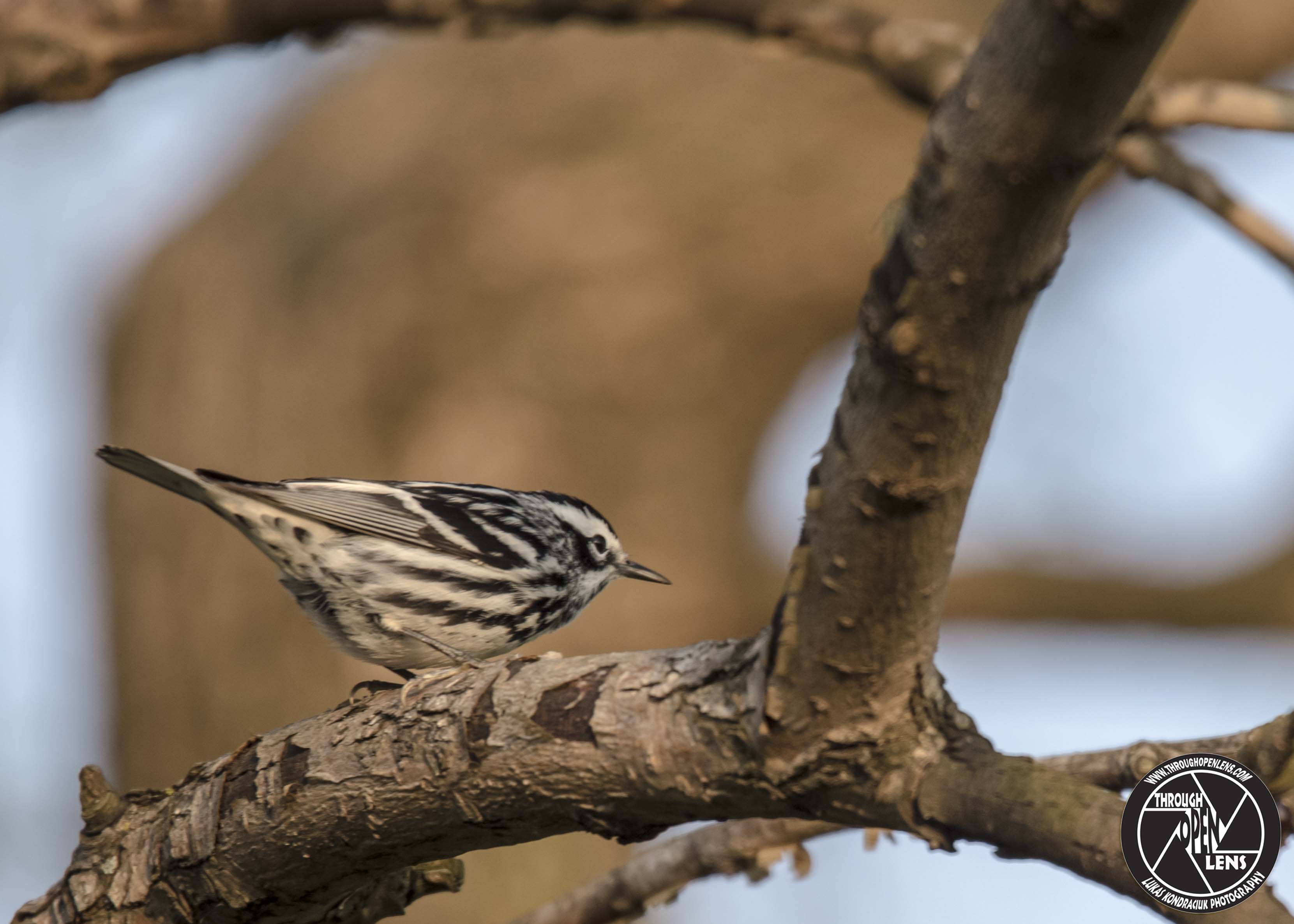
I Have A Audition For A Zebra.

F/7.1, 1/200, ISO 320.

Black-and-white Warbler 

Why are ghosts such good cheerleaders?

Because they have a lot of spirit!

Interesting Fact: The female Black-and-white Warbler selects a well-hidden nesting location at the base of a tree, rock, stump, or fallen log, or under a bush or shrub. Nests are usually built on the ground but occasionally are placed in a cavity atop a tree stump, in a rock crevice, or on a mossy bank up to six feet high. ( https://www.allaboutbirds.org/guide/Black-and-white_Warbler/lifehistory )

You Taste Like Sunshine!

F/6.3, 1/125, ISO 400.

American Goldfinch ( Breeding Female )

What did the banana say to the doctor?

“I’m not peeling well.”

Interesting Fact: Male and female move around together to choose a suitable nest site. The female builds the nest, usually in a shrub or sapling in a fairly open setting rather than in forest interior. The nest is often built high in a shrub, where two or three vertical branches join; usually shaded by clusters of leaves or needles from above, but often open and visible from below. ( https://www.allaboutbirds.org/guide/American_Goldfinch/lifehistory )

Here I Sit Broken Hearted Tried To Poop But Only Farted

F/9.0, 1/320, ISO 500.

Yellow-Rumped Warbler

Why did Bob throw the clock out of the window?

Because he wanted to see time fly!

Interesting Fact: Yellow-rumped Warblers flit through the canopies of coniferous trees as they forage. They cling to the bark surface to look for hidden insects more than many warblers do, but they also frequently sit on exposed branches and catch passing insects like a flycatcher does. ( https://www.allaboutbirds.org/guide/Yellow-rumped_Warbler/lifehistory )

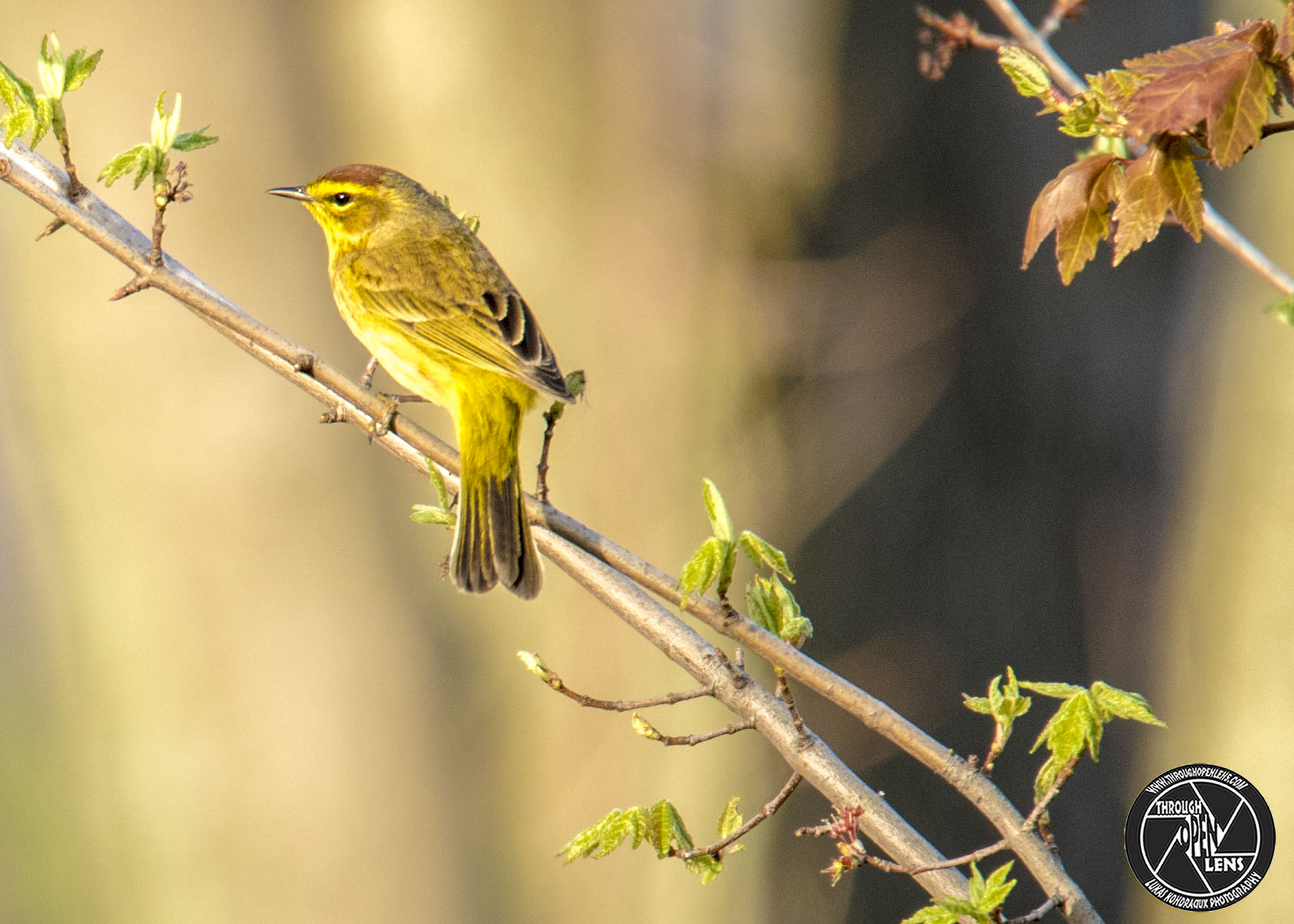
The Time You Enjoy Wasting Is Not Wasted Time!

F/7.1, 1/200, ISO 320.

Palm Warbler

What’s red and bad for your teeth?

A brick.

Interesting Fact: Though the Palm Warbler’s name might imply it is a tropical bird, it’s actually one of the northernmost breeding of all warblers (only the Blackpoll Warbler breeds farther north). They got their name from J. P. Gmelin who named them based on a specimen collected on Hispaniola, a Caribbean island with a lot of palm trees. ( https://www.allaboutbirds.org/guide/Palm_Warbler )

Keep Calm And Quack On!

F/9.0, 1/320, ISO 200.

Red-breasted Merganser  

A motorist in a B.M.W. was driving through the countryside on a beautiful Saturday afternoon, having a lovely time, when he came to an area of the road that was covered with a rather large puddle of water from a previous rain storm. Worried that he was going to damage the car and its engine in the deep water, he spotted a nearby farmer and asked how deep the water was. “Arr”, said the local farmer “That water only be a few inches deep!” Relieved, the motorist edged his car into the water, expecting to come out the other side in no time. Instead, as he drove in, the water came right up the side of the car, and the engine sputtered to a halt. Sitting there in his soaking wet luxury car, the motorist yelled at the local angrily: “I thought you said this water was only a few inches deep!!!” “Well,” replied the local farmer “It only come up to the waist of them there ducks!”

Interesting Fact: It prefers salt water more than the other two species of merganser. ( http://identify.whatbird.com/obj/115/overview/Red-breasted_Merganser.aspx )