Hey You! Yeah You!

F/8.0, 1/250, ISO 320.

Carolina Wren

Three guys are stranded in a desert. They stubble upon a magic genie lamp.

The genie grants each of them one wish.

The first guy wishes to be back home. Wish granted.

The second guy wishes the same. Wish granted.

The third guy says, “It feels very lonely here now, I wish my friends were with me…” Wish granted.

Interesting Fact:Carolina Wrens usually go about their business alone or in pairs; after nestlings have fledged, you may see family groups feeding together. Feeding on or near the ground, the wrens run, hop, and flit around leaf litter and tangled vegetation; they dodge in and out of dark spaces created by downed trees, decaying logs, old stumps, and upturned roots. ( https://www.allaboutbirds.org/guide/Carolina_Wren/lifehistory

He Went Thataway!

F/8.0, 1/250, ISO 320.

White-breasted Nuthatch

A wife complains to her husband: “Just look at that couple down the road, how lovely they are. He keeps holding her hand, kissing her, holding the door for her, why can’t you do the same?”

The husband: “Are you mad? I barely know the woman!”

Interesting Fact: White-breasted Nuthatches live in pairs year round and chase other nuthatches from their territory. Agitated birds fan their tails, flick their wings, or raise the feathers of the back. A bird backing down from a confrontation typically raises its bill and tail, and droops its wings. In winter White-breasted Nuthatches join groups of chickadees, titmice, and woodpeckers to forage.  ( https://www.allaboutbirds.org/guide/White-breasted_Nuthatch/lifehistory#behavior

Do You Even LIFT BRO?l

F/10.0, 1/400, ISO 320.

Mount San Jacinto State Park 

What is a pretzel’s favorite dance?

The twist.

Interesting Facts: The Palm Springs Aerial Tramway in Palm Springs, California, is the largest rotating aerial tramway in the world. It was opened in September 1963 as a way of getting from the floor of the Coachella Valley to near the top of San Jacinto Peak and was constructed in rugged Chino Canyon. Before its construction, the only way to the top of the mountain was to hike hours from Idyllwild. The rotating cars were added in 2000. ( Palm Springs Aerial Tramway – Wikipedia)

Don’t Confuse Me With Twitter!

F/9.0, 1/320, ISO 400.

Blue Jay

What do you get when you cross and smurf and a cow?

Blue cheese!

Interesting Fact: The black bridle across the face, nape, and throat varies extensively and may help Blue Jays recognize one another. ( https://www.allaboutbirds.org/guide/Blue_Jay/lifehistory

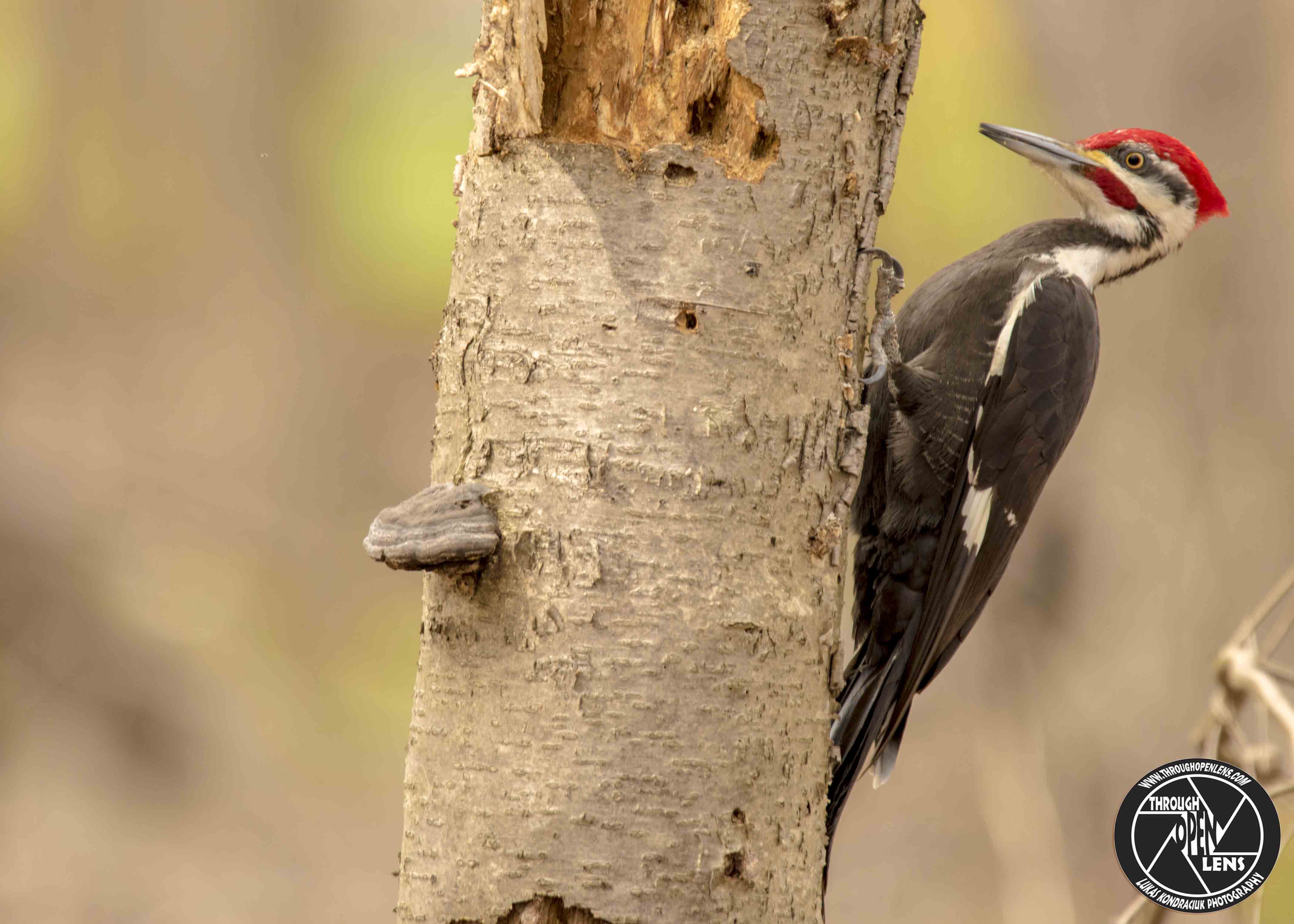
CAUTION! Headbanging In Progress!

F/6.3, 1/125, ISO 320.

Pileated Woodpecker 

What does a house wear?

Address.

Interesting Fact: Pileated Woodpeckers forage in large, dead wood—standing dead trees, stumps, or logs lying on the forest floor. They make impressive rectangular excavations that can be a foot or more long and go deep inside the wood. These holes pursue the tunnels of carpenter ants, the woodpecker’s primary food. ( Pileated Woodpecker Life History, All About Birds, Cornell Lab of Ornithology )

When You Stop Beliving In Santa You Get Underwear

Merry Christmas And Happy Holidays To All

F/22.0, 30.0, ISO 250.

Why is Santa so jolly?

Because he knows where all the naughty girls live.

Interesting Fact:  The first known electrically illuminated Christmas tree was the creation of Edward H. Johnson, an associate of inventor Thomas Edison. While he was vice president of the Edison Electric Light Company, a predecessor of today’s Con Edison electric utility, he had Christmas tree light bulbs especially made for him. He proudly displayed his Christmas tree, which was hand-wired with 80 red, white and blue electric incandescent light bulbs the size of walnuts, on December 22, 1882 at his home on Fifth Avenue in New York City. Local newspapers ignored the story, seeing it as a publicity stunt. However, it was published by a Detroit newspaper reporter, and Johnson has become widely regarded as the Father of Electric Christmas Tree Lights. By 1900, businesses started stringing up Christmas lights behind their windows.[14] Christmas lights were too expensive for the average person; as such, electric Christmas lights did not become the majority replacement for candles until 1930. ( https://en.wikipedia.org/wiki/Christmas_lights#History )

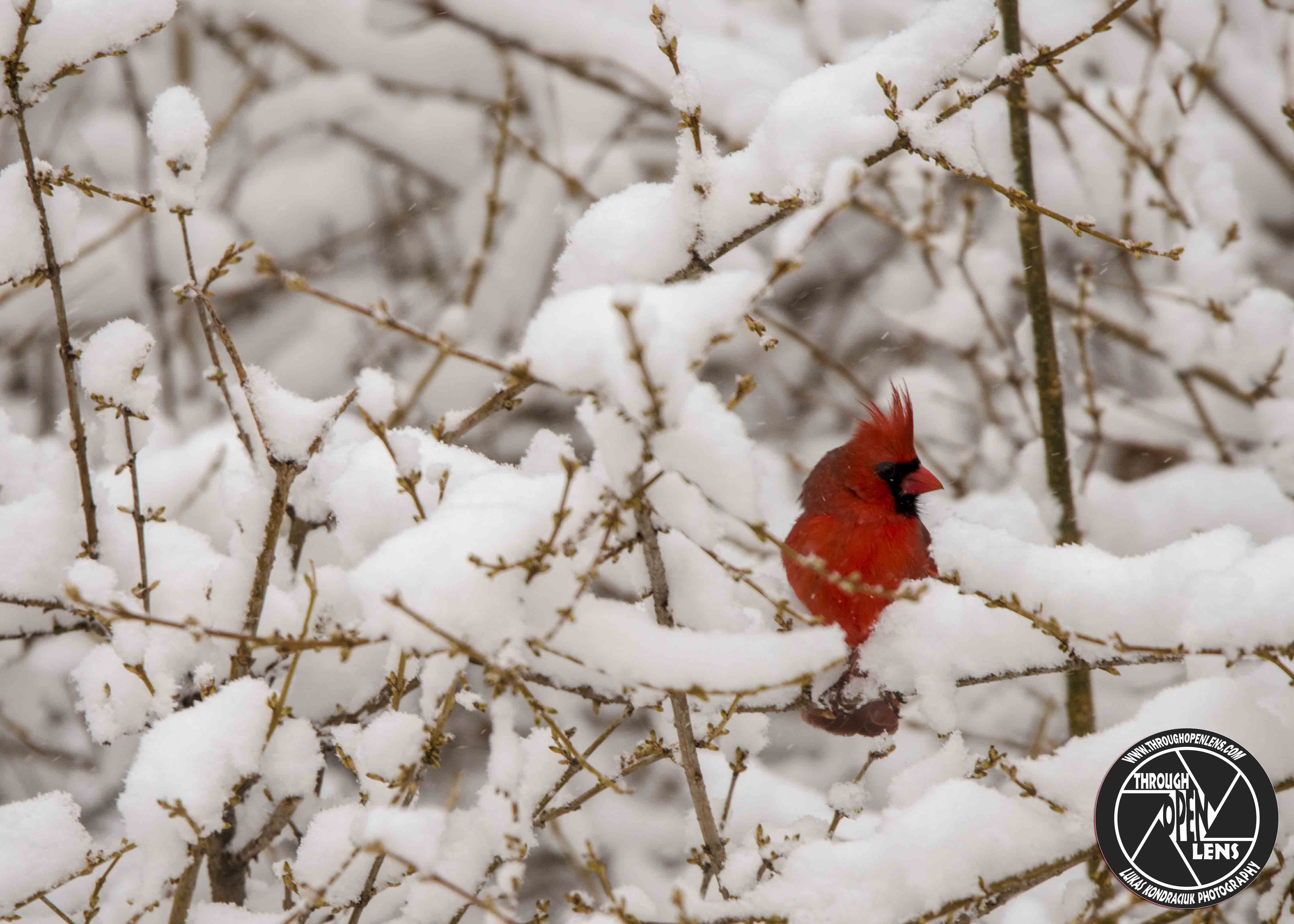
Snow Way!

F/8.0, 1/250, ISO 400.

Northern Cardinal ( Male )

In the class room

Bobby: ” Can I go the toilet? ” 

Teacher: ” Say the alphabet ”

Bobby: ” ABCDEFGHIJKLMNOQRSTUVWXYZ “

Teacher: “Where’s the P “

Bobby: ” Half way down my leg “

Interesting Fact: Northern Cardinals hop through low branches and forage on or near the ground. Cardinals commonly sing and preen from a high branch of a shrub. The distinctive crest can be raised and pointed when agitated or lowered and barely visible while resting. You typically see cardinals moving around in pairs during the breeding season, but in fall and winter they can form fairly large flocks of a dozen to several dozen birds. ( https://www.allaboutbirds.org/guide/Northern_Cardinal/lifehistory#behavior )

Be Bold, Be Brave Enough To Be Your True Self!

F/9.0, 1/320, ISO 1250.

Bald Eagles

What falls but never gets hurt?

The rain!

Interesting Fact: Bald Eagles occasionally hunt cooperatively, with one individual flushing prey towards another. ( https://www.allaboutbirds.org/guide/Bald_Eagle )

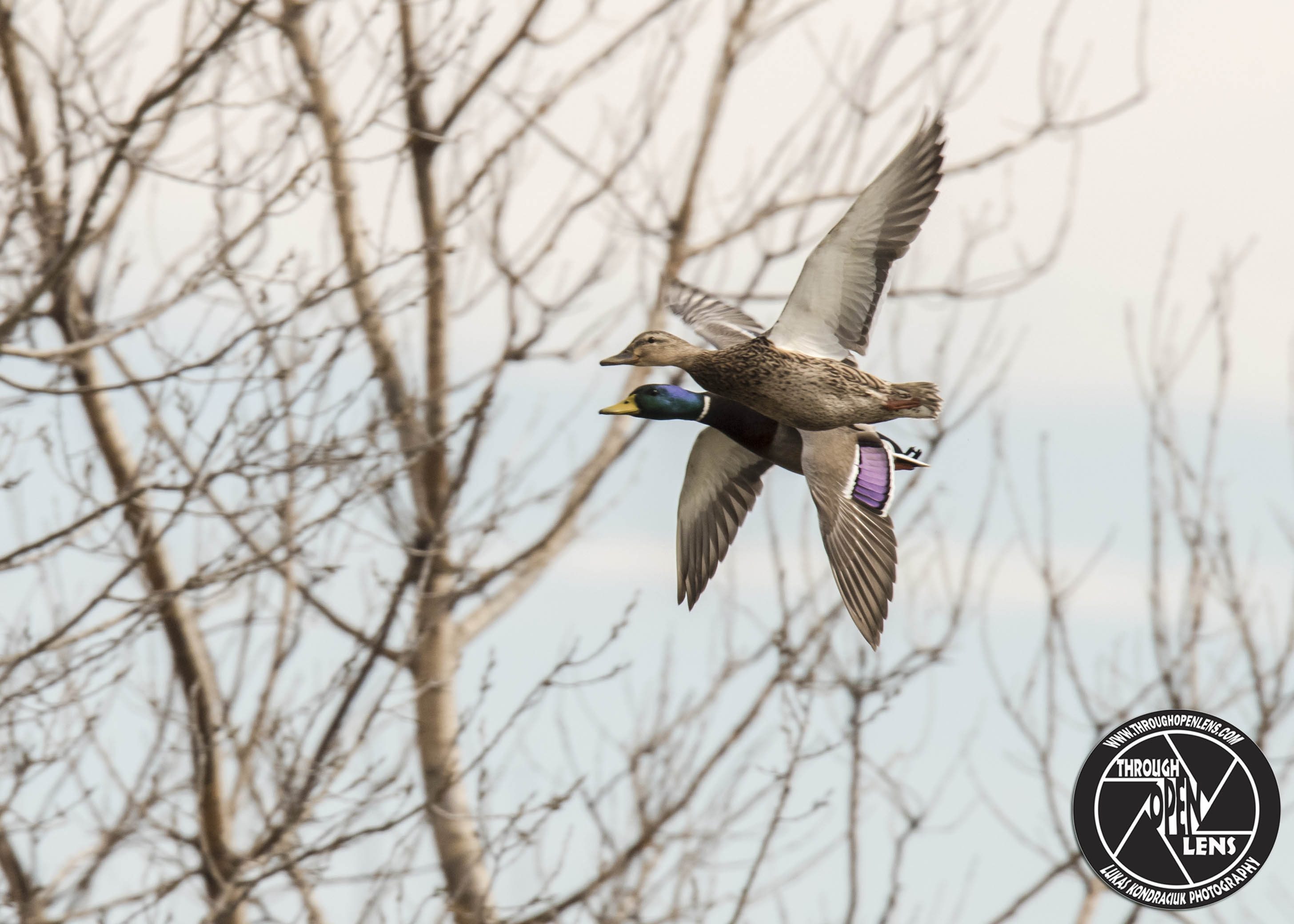
Together We Fly!

F/13.0, 1/640, ISO 400.

Mallard

As a scarecrow, people say I’m outstanding in my field.

But hay, it’s in my jeans.

Interesting Fact: Mallards, like other ducks, shed all their flight feathers at the end of the breeding season and are flightless for 3–4 weeks. They are secretive during this vulnerable time, and their body feathers molt into a concealing “eclipse” plumage that can make them hard to identify. ( https://www.allaboutbirds.org/guide/Mallard )

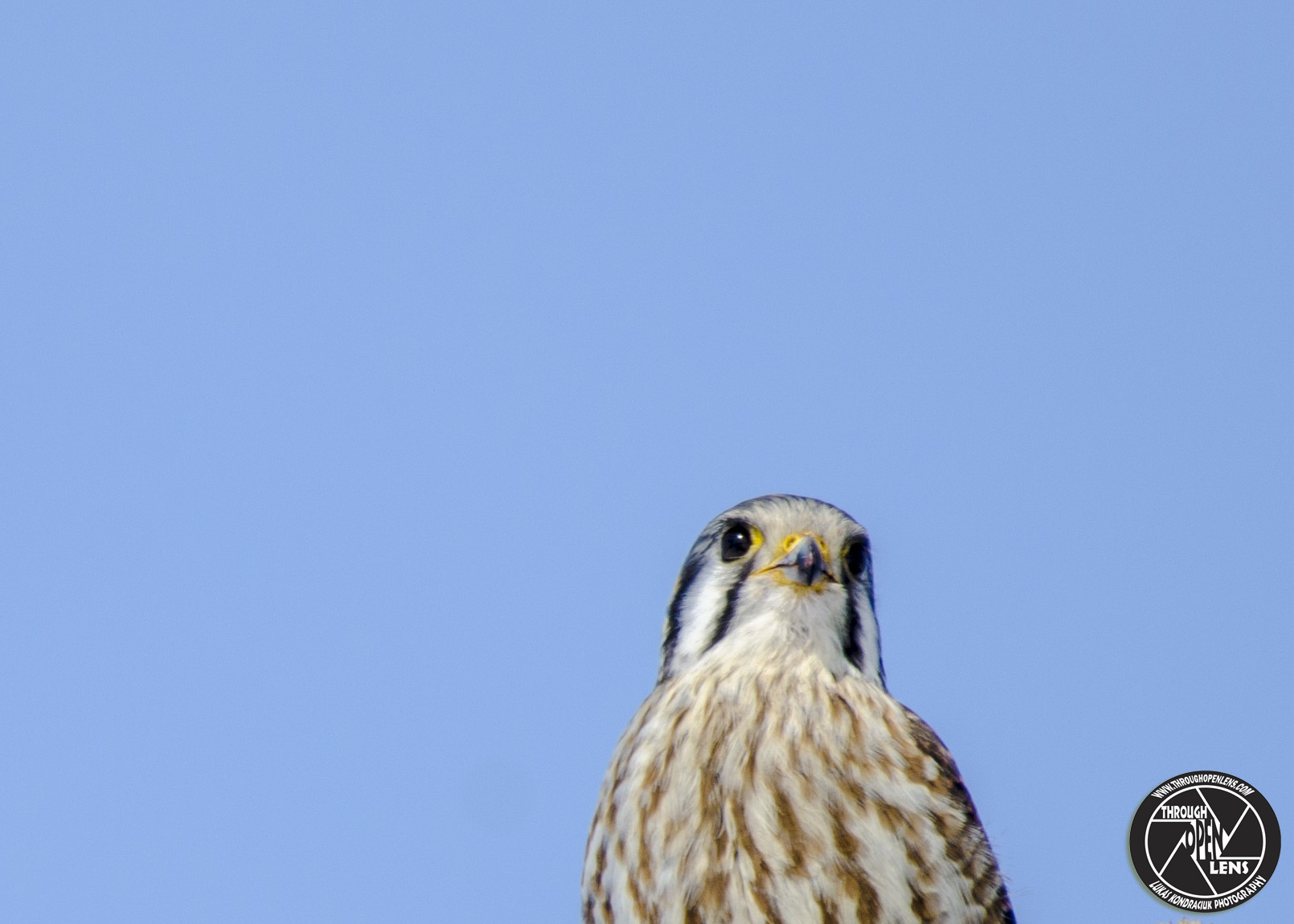
HELLO From The Other Side!

F/6.3, 1/640, ISO 200.

American Kestrel

What did the painter say to her boyfriend?

“I love you with all my art!”

Interesting Fact: It can be tough being one of the smallest birds of prey. Despite their fierce lifestyle, American Kestrels end up as prey for larger birds such as Northern Goshawks, Red-tailed Hawks, Barn Owls, American Crows, and Sharp-shinned and Cooper’s Hawks, as well as rat snakes, corn snakes, and even fire ants. ( https://www.allaboutbirds.org/guide/American_Kestrel )