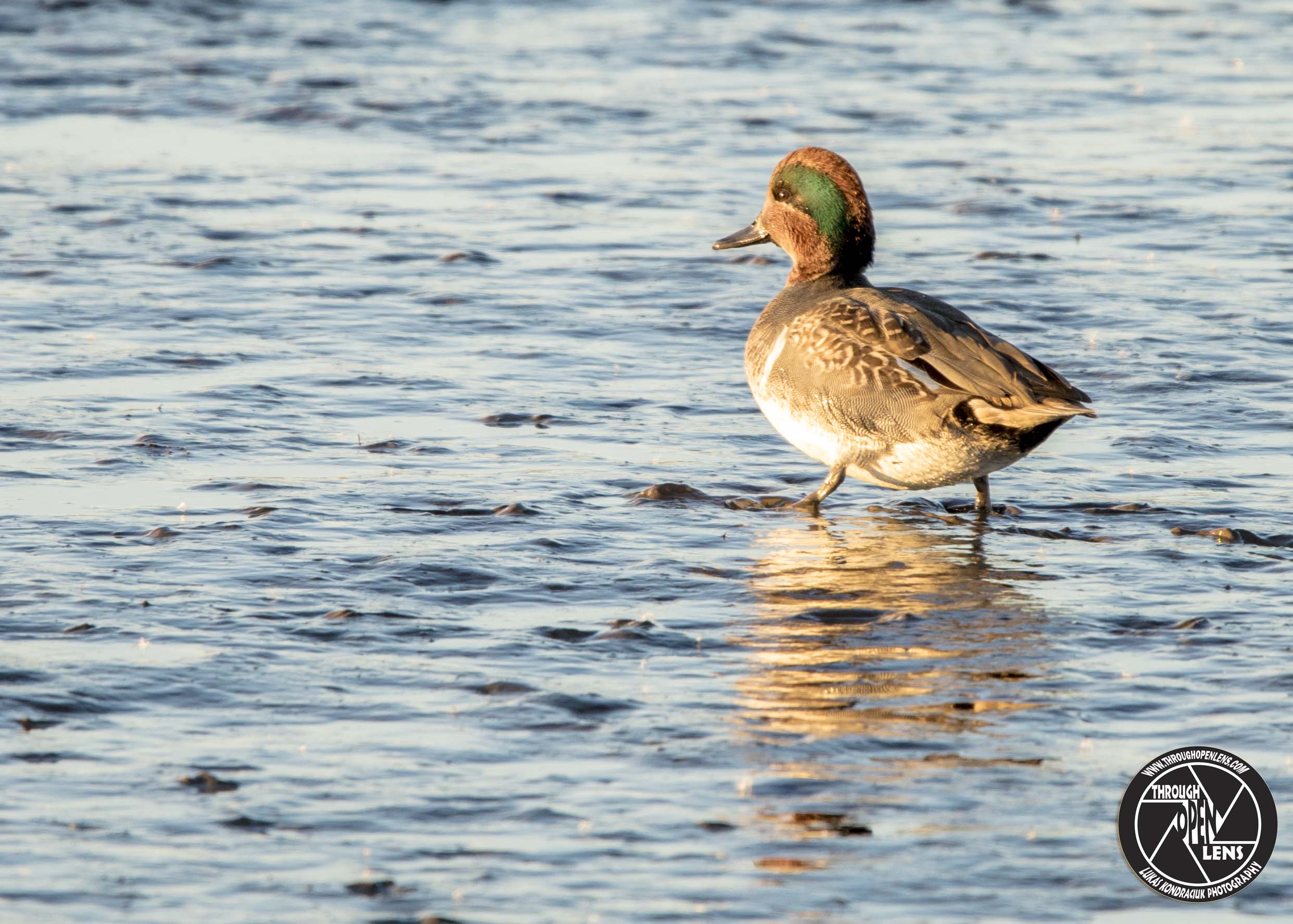
I Walk On Water. What’s Your Superpower!

F/7.1, 1/200, ISO 320.

Green-Winged Teal

Why do writers always feel cold?

Because they have lots of drafts in their office.

Interesting Facts: Green-winged Teal are fast, agile, buoyant flyers. They can take off straight from the water without running across the surface. Though they are dabbling ducks that usually tip up to feed, they occasionally dive for food and to avoid predators. In winter Green-winged Teal gather in roosting flocks of up to 50,000 birds. ( https://www.allaboutbirds.org/guide/Green-winged_Teal/lifehistory )
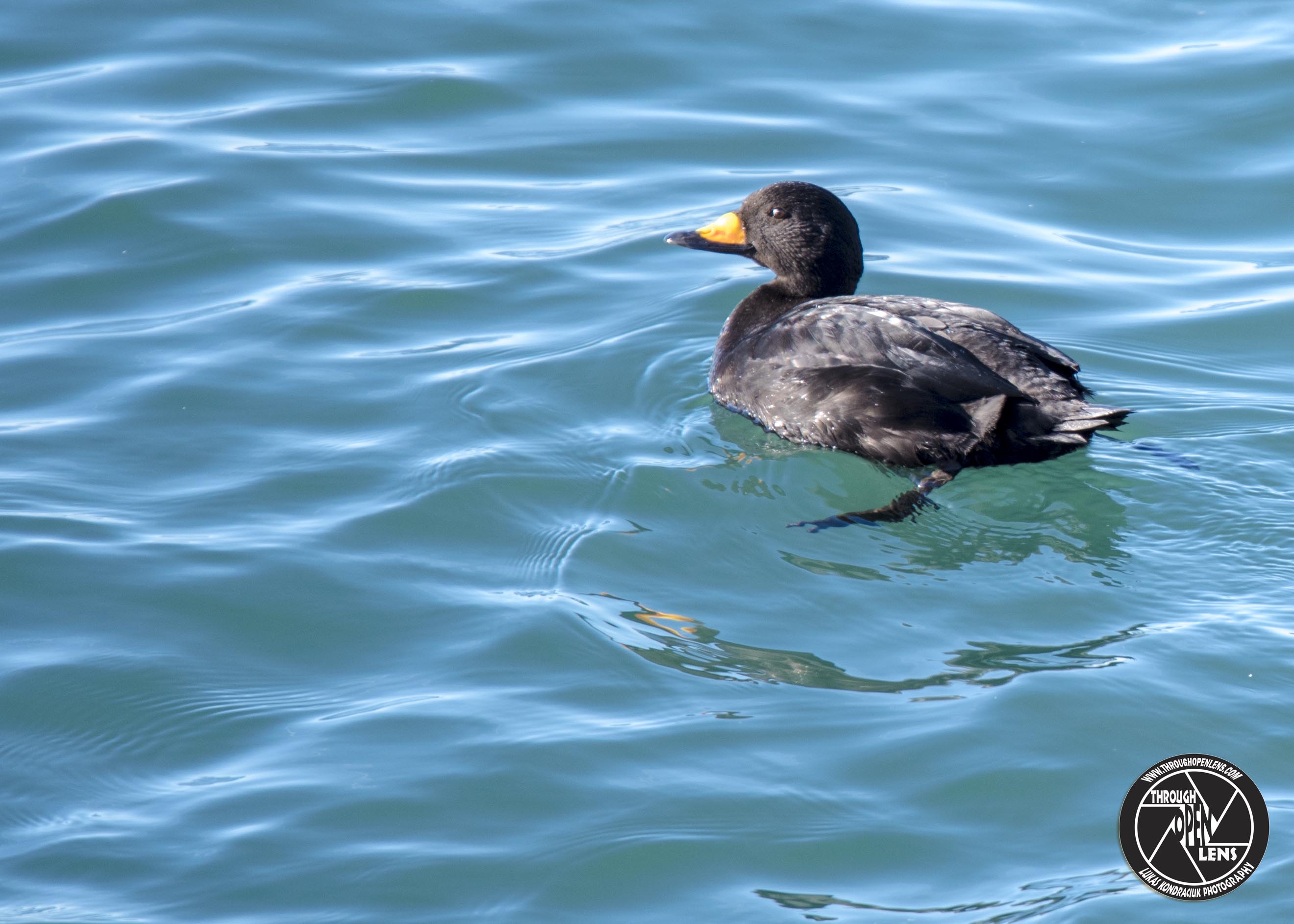


Be Like A Duck. Remain Calm On The Surface And Paddle Like Hell Underneath.

F/7.1, 1/200, ISO 200.

Black Scoter

What did the blanket say when it fell off the bed?

Oh sheet.

Interesting Facts: This species dives for crustaceans and molluscs while migrating or wintering on the sea-coasts, and feeds on insects and their larvae, especially caddisflies, fish eggs and, more rarely, vegetation such as duck weed while nesting on freshwater. It forms large flocks on suitable coastal waters in winter quarters. These are tightly packed, and the birds tend to take off together; in the breeding season they are less social. It has been suggested that in coastal waters this species prefers sheltered embayments, and possibly waters that include some mixed depths. ( https://en.wikipedia.org/wiki/Black_scoter )


I Have A Date Tonight, With My Bed. We Are Totally Gonna Sleep Together.

F/8.0, 1/250, ISO 400.

Common Eider ( Female ) 

Where do vegetables go to get drunk?

The Salad Bar.

Interesting Fact: Eiders are colonial breeders. They nest on coastal islands in colonies ranging in size of less than 100 to upwards of 10,000-15,000 individuals.[13] Female eiders frequently exhibit a high degree of natal philopatry, where they return to breed on the same island where they were hatched. This can lead to a high degree of relatedness between individuals nesting on the same island, as well as the development of kin-based female social structures.[14] This relatedness has likely played a role in the evolution of co-operative breeding behaviours amongst eiders. Examples of these behaviours include laying eggs in the nests of related individuals[15] and crèching, where female eiders team up and share the work of rearing ducklings. ( https://en.wikipedia.org/wiki/Common_eider )


Dont Be Afraid to Stick Your Neck Out!

F/9.0, 1/320, ISO 320.

Ring-necked Duck

Why is it hard for a ghost to tell a lie?

Because you can see right through him.

Interesting Fact:  Ring-necked Ducks feed by diving underwater, rather than by tipping up as “dabbling” ducks do. When diving, they leap forward in an arc to plunge underwater, and they swim using only their feet for propulsion. ( https://www.allaboutbirds.org/guide/Ring-necked_Duck/lifehistory )

Kinda Classy Kinda Hood

F/6.3, 1/500, ISO 220.

Hooded Merganser ( Female )

When is a door sweet and tasty?

When it’s jammed!

Interesting Fact: Unlike dabbling ducks, Hooded Mergansers swim low in the water. Their legs are far back on their bodies, which helps in diving but makes them awkward on land. They take flight by running across the water, flying with fast wingbeats and never gliding until they are about to land (by skidding to a stop on the water). ( https://www.allaboutbirds.org/guide/Hooded_Merganser/lifehistory )


A Little Mud Never Hurt Anyone!

F/10.0, 1/400, ISO 320.

Northern Pintail Ducks

What did one tube of glue say to the other tube of glue?

We have to stick together.

Interesting Fact: Males and females also lift their chins to greet each other and sometimes tip their chins when threatened. Pairs form on the wintering grounds, but males often mate with other females on the breeding grounds, and pairs only stay together for a single breeding season. Courting males stretch their necks up and tip their bills down while giving a whistle call. Males also preen behind their wing to expose the green speculum. Interested females follow males with head bobbing, preening, and clucking. ( https://www.allaboutbirds.org/guide/Northern_Pintail/lifehistory )


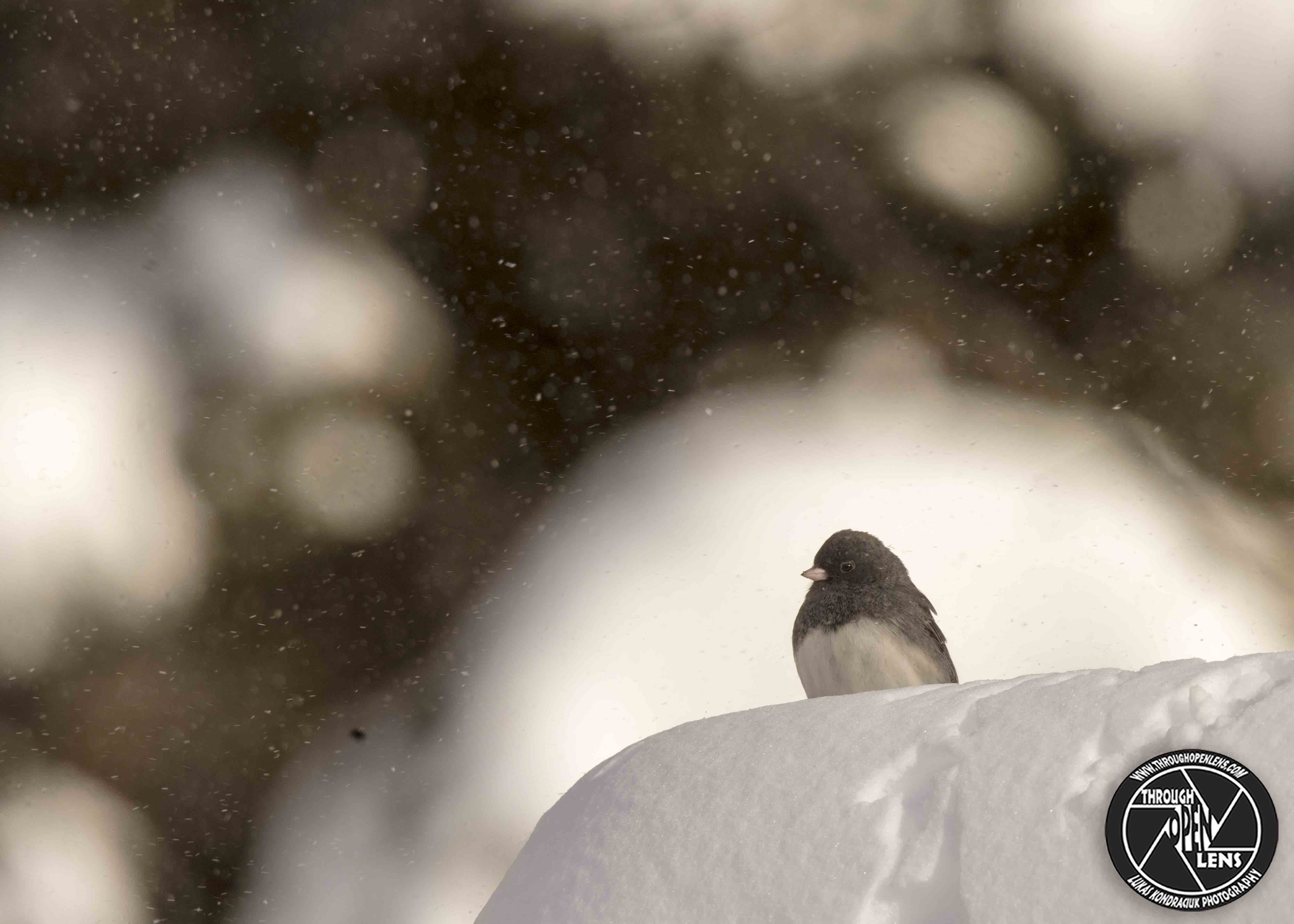
Cold Doesn’t Bother Me Anyway.

F/6.3, 1/160, ISO 320.

Dark-eyed Junco 

What do ghosts serve for dessert?

I Scream.

Interesting Fact: The female chooses the nest site, typically in a depression or niche on sloping ground, rock face, or amid the tangled roots of an upturned tree. Around people, juncos may nest in or underneath buildings. Occasionally, juncos nest above the ground on horizontal branches (rarely as high as 45 feet), window ledges, and in hanging flower pots or light fixtures. ( https://www.allaboutbirds.org/guide/Dark-eyed_Junco/lifehistory )


Let It Snow!

F/10.0, 1/800, ISO 250.

Dark-eyed Junco

What do you call an old snowman?

Water!

Interesting Fact: The oldest recorded Dark-eyed Junco was at least 11 years, 4 months old when it was recaptured and rereleased during banding operations in West Virginia in 2001. It had been banded in the same state in 1991. ( https://www.allaboutbirds.org/guide/Dark-eyed_Junco/lifehistory )

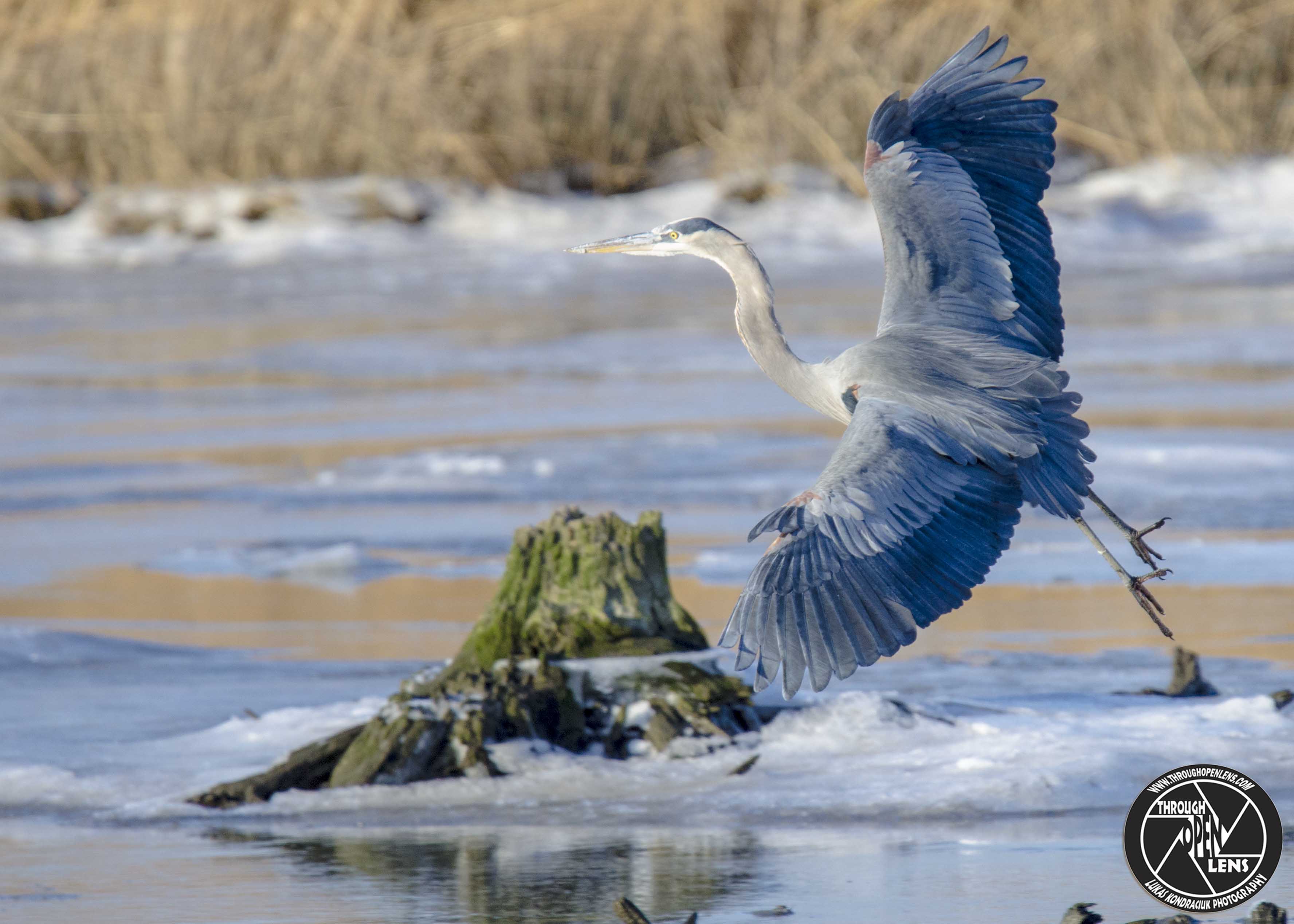
I Spread My Wings And I Fly!

F/6.3, 1/1000, ISO 640.

Great Blue Heron 

Why did the student wear eye-glasses in math class?

It improved DiVision !

Interesting Fact:  In flight the Great Blue Heron folds it neck into an “S” shape and trails its long legs behind, dangling them as it prepares to land or when courting. ( https://www.allaboutbirds.org/guide/Great_Blue_Heron/lifehistory )

Steady As She Goes!

F/6.3, 1/500, ISO 250.

Northern Pintail Duck

What did the salad say to the fridge?

Shut the door, I’m dressing!

Interesting Fact: Seemingly at home on land and water, Northern Pintails waddle through fields and swim gracefully with the tail pointed upwards. They erupt in flight from the water’s surface at a moment’s notice, wheeling and darting through the air on their slender wings.  ( https://www.allaboutbirds.org/guide/Northern_Pintail/lifehistory )