People That Take Advice From Duck Are Downright Loony

F/10.0, 1/400, ISO 800.

Common Loon ( Nonbreeding adult )

What computer sings the best?

A Dell.

Interesting Fact: Loons are agile swimmers, but they move pretty fast in the air, too. Migrating loons have been clocked flying at speeds more than 70 mph. ( https://www.allaboutbirds.org/guide/Common_Loon/lifehistory )

Snow Way You’ve Got To Be Flaking Me!

F/5.6, 1/1600, ISO 400.

Mute Swan

Why was the snowman sad?

Cause he had a meltdown.

Interesting Fact: Male Mute Swans select the nest site and may start several nests before the female accepts the location. Nest sites are safe from flooding yet offer easy access to water, with ample nesting materials and food nearby–often on a small peninsula, along a heavily vegetated shoreline, or on a small to medium-sized island.  ( https://www.allaboutbirds.org/guide/Mute_Swan/lifehistory )


I Love Escorting People… I Put An Ad Out For An Escort Service And Got A LOT Of Responses. Mostly Creeps. Made A Few Friends.

common-merganser-1

F/10.0, 1/1600, ISO 800.

Common Merganser

A police officer was escorting a prisoner to jail when his hat blew off.

“Shall I run and get it for you?” asked the prisoner obligingly.

“Do you think I am a fool” said the officer.

“You stand here and I’ll get it.”

Interesting Fact: The oldest Common Merganser on record was a female, and at least 13 years, 5 months old. She was banded in Oklahoma in 1938 and found in Wisconsin in 1950. ( https://www.allaboutbirds.org/guide/Common_Merganser/lifehistory )

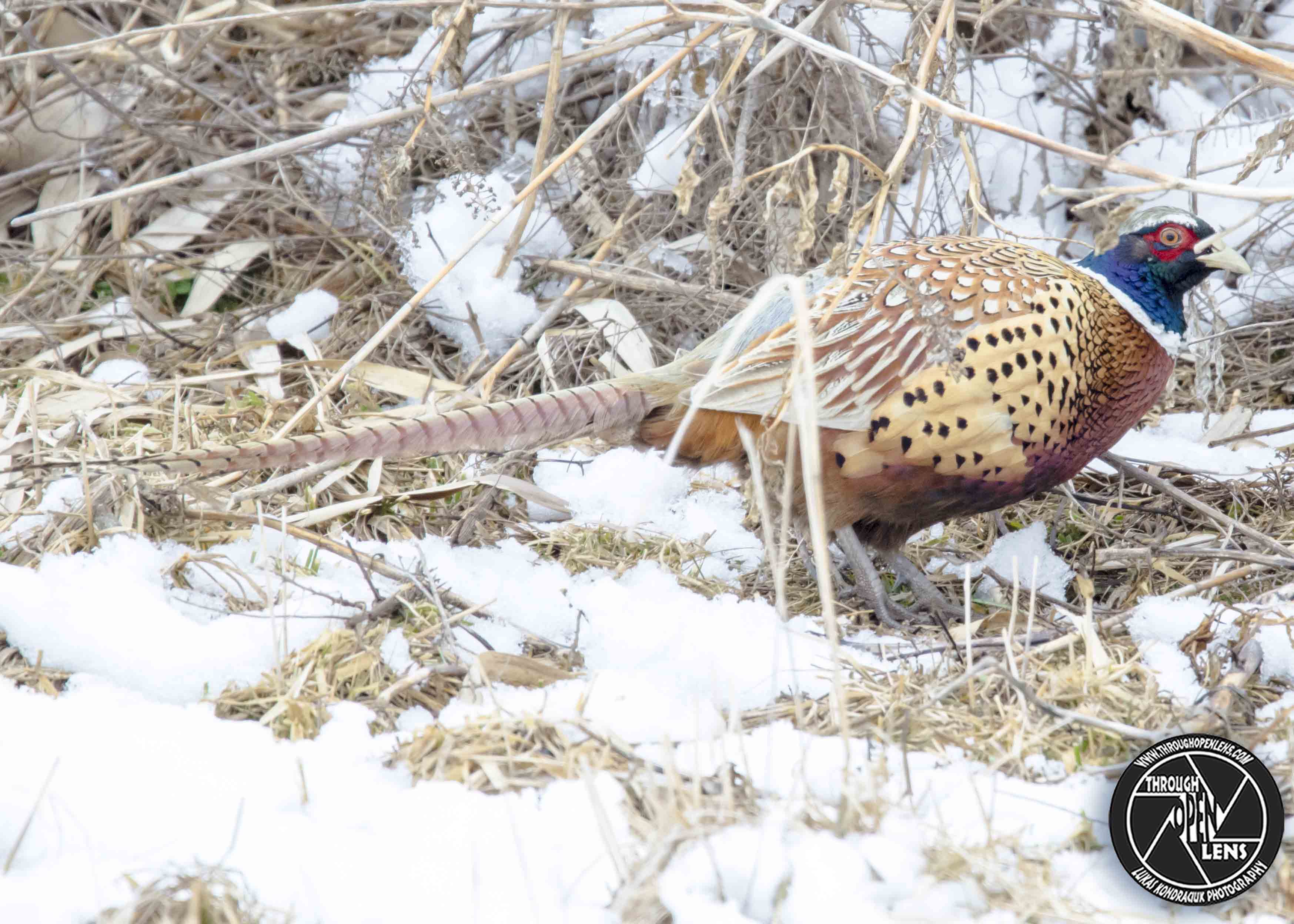
Mother Pheasant Plucker!

F/6.3, 1/250, ISO 1600.

Ring-Necked Pheasant

What is dangerous?

Sneezing while having diarrhea!

Interesting Fact:  Pheasants, along with most members of the grouse family, have specialized, powerful breast muscles—the “white meat” that you find on a chicken. These muscles deliver bursts of power that allow the birds to escape trouble in a hurry, flushing nearly vertically into the air and reaching speeds of nearly 40 miles per hour.  ( https://www.allaboutbirds.org/guide/Ring-necked_Pheasant/lifehistory )

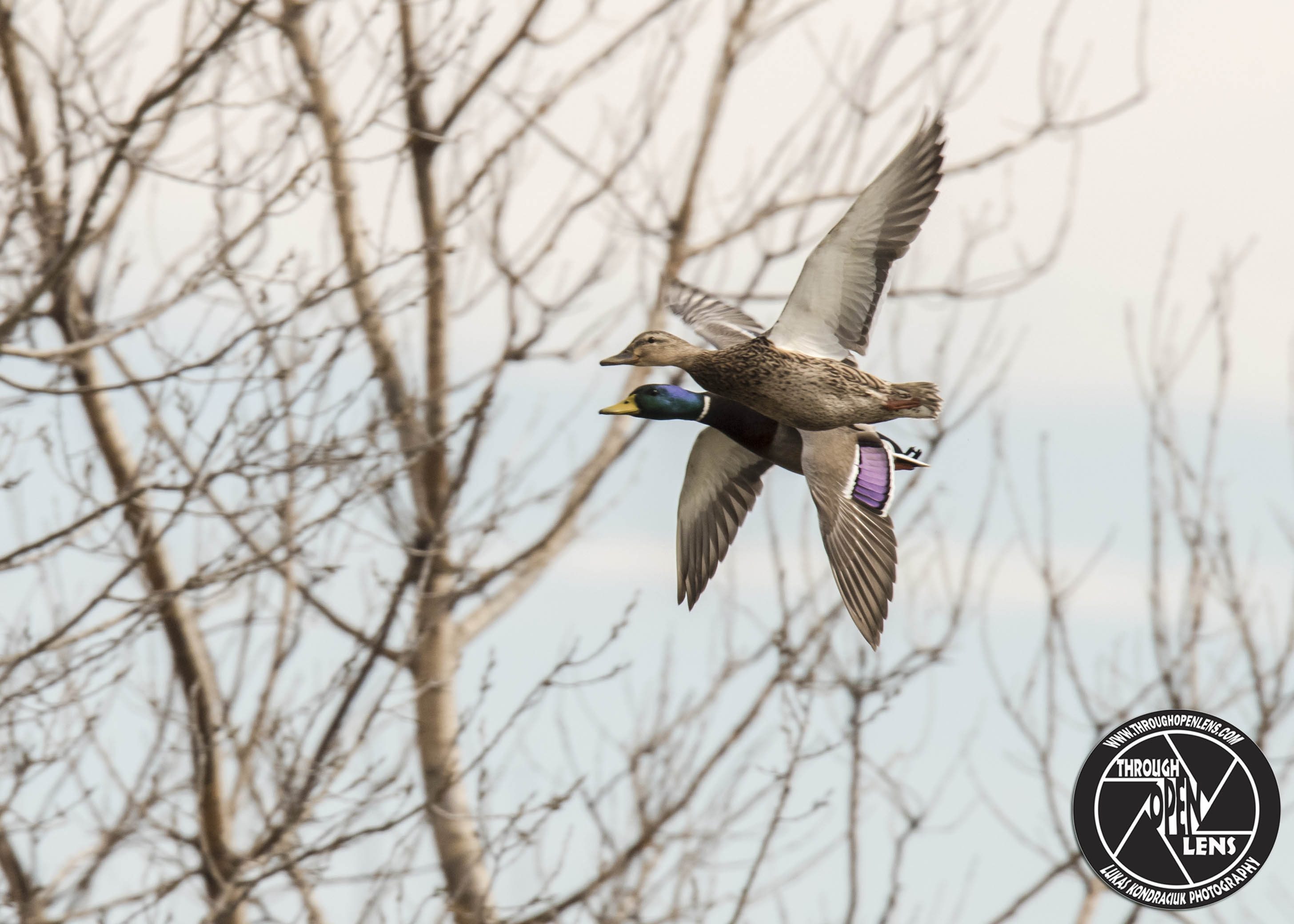
Together We Fly!

F/13.0, 1/640, ISO 400.

Mallard

As a scarecrow, people say I’m outstanding in my field.

But hay, it’s in my jeans.

Interesting Fact: Mallards, like other ducks, shed all their flight feathers at the end of the breeding season and are flightless for 3–4 weeks. They are secretive during this vulnerable time, and their body feathers molt into a concealing “eclipse” plumage that can make them hard to identify. ( https://www.allaboutbirds.org/guide/Mallard )

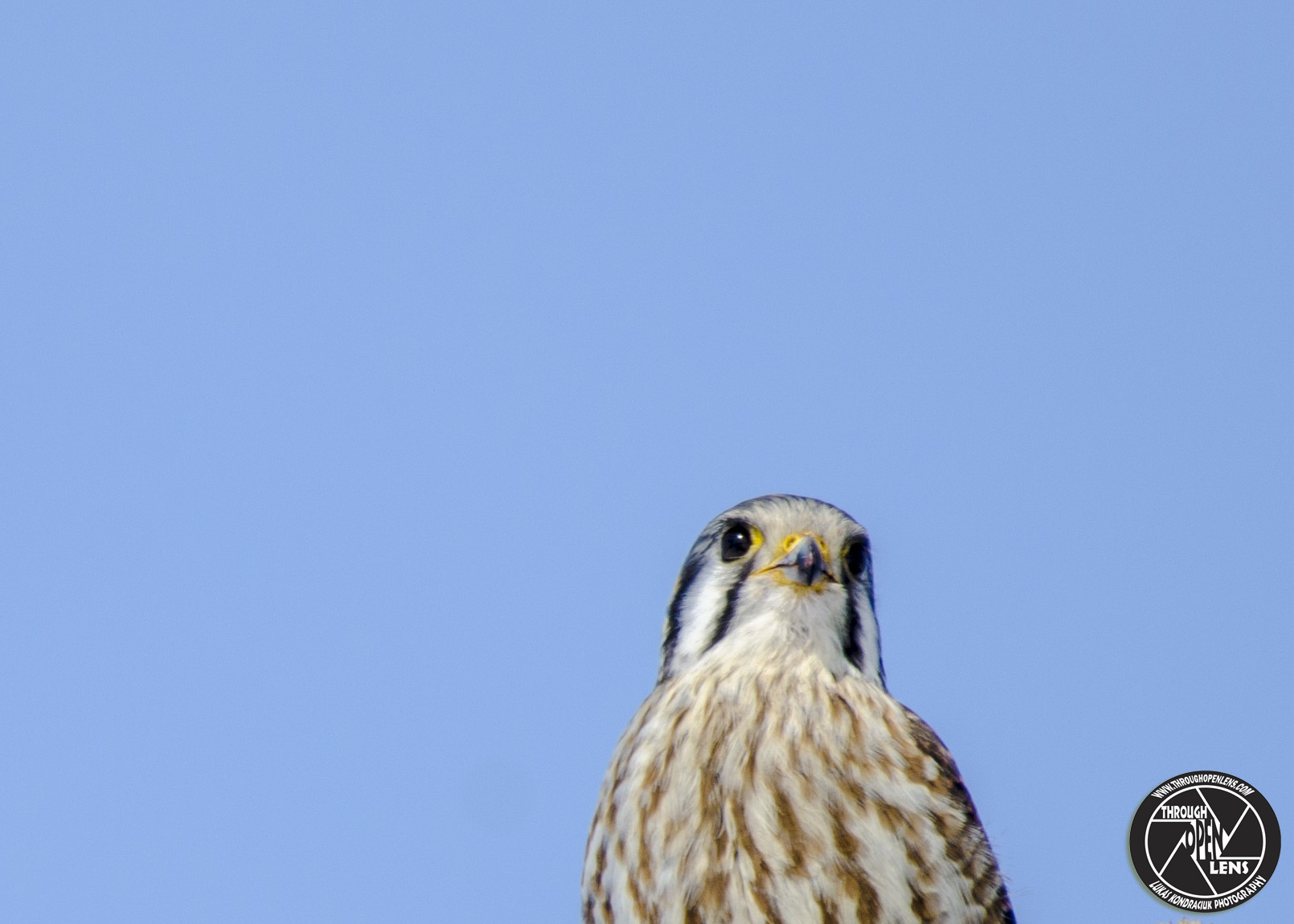
HELLO From The Other Side!

F/6.3, 1/640, ISO 200.

American Kestrel

What did the painter say to her boyfriend?

“I love you with all my art!”

Interesting Fact: It can be tough being one of the smallest birds of prey. Despite their fierce lifestyle, American Kestrels end up as prey for larger birds such as Northern Goshawks, Red-tailed Hawks, Barn Owls, American Crows, and Sharp-shinned and Cooper’s Hawks, as well as rat snakes, corn snakes, and even fire ants. ( https://www.allaboutbirds.org/guide/American_Kestrel )

How low can you go?

northern-shoveler-2

F/9.0, 1/320, ISO 250.

Northern Shoveler 

How do you know if there’s a snowman in your bed?

You wake up wet!

Interesting Fact: The bill of the Northern Shoveler is about 6.5 cm (2.5 inches) long. The bill has has about 110 fine projections (called lamellae) along the edges, for straining food from water. ( https://www.allaboutbirds.org/guide/Northern_Shoveler/lifehistory )

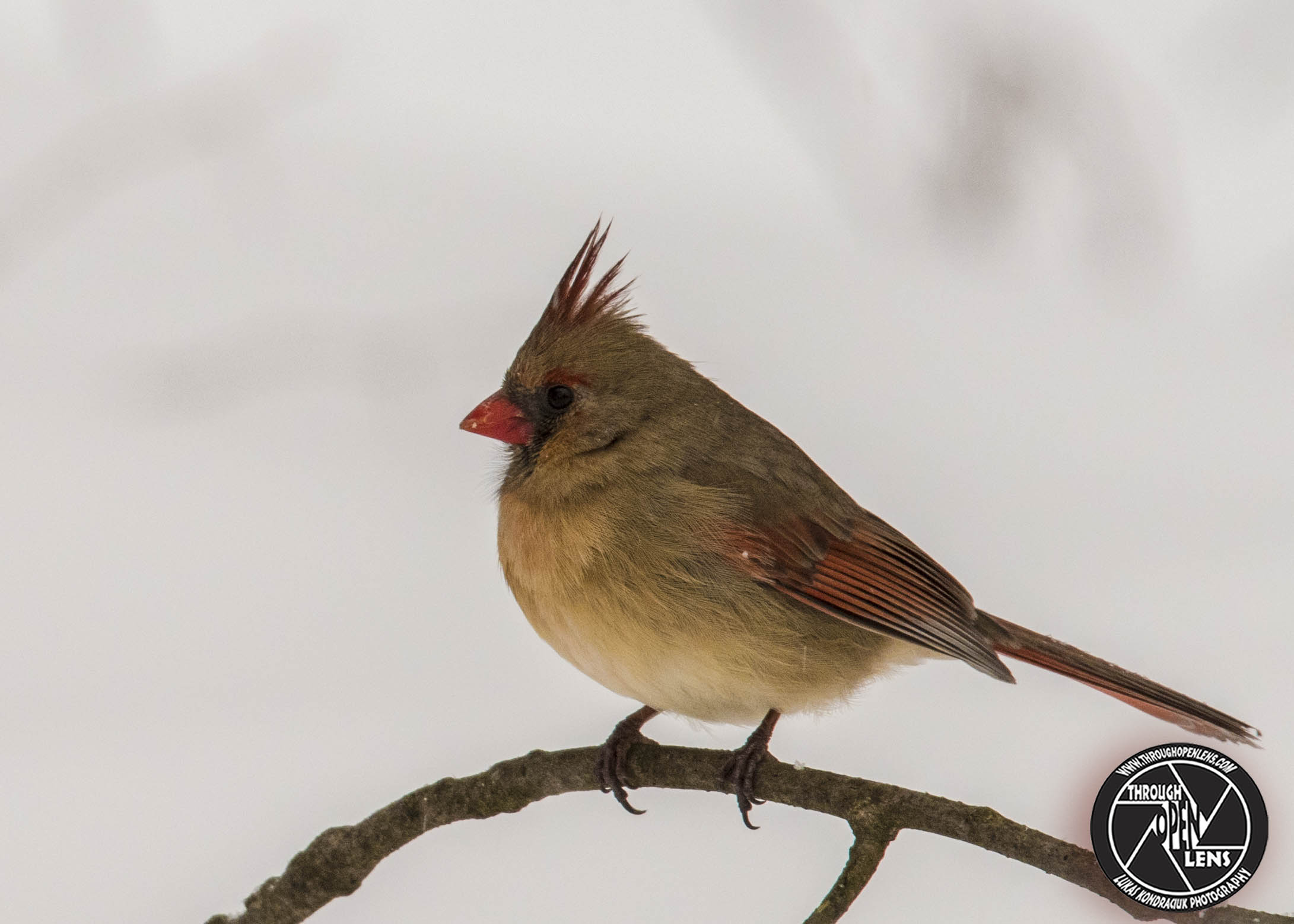
Sorry. Yesterday Was The Deadline For All Complaints.

F/9.0, 1/320, ISO 500.

Northern Cardinal ( Female )

What do you give an elephant that’s going to be sick?

Plenty of space!

Interesting Fact: Males sometimes bring nest material to the female, who does most of the building. She crushes twigs with her beak until they’re pliable, then turns in the nest to bend the twigs around her body and push them into a cup shape with her feet. The cup has four layers: coarse twigs (and sometimes bits of trash) covered in a leafy mat, then lined with grapevine bark and finally grasses, stems, rootlets, and pine needles. The nest typically takes 3 to 9 days to build; the finished product is 2-3 inches tall, 4 inches across, with an inner diameter of about 3 inches. Cardinals usually don’t use their nests more than once. ( https://www.allaboutbirds.org/guide/Northern_Cardinal/lifehistory )

Come At Me Bro!

F/9.0,  1/320, ISO 320.

Cooper’s Hawk

What did the tree say to spring?

What a re-leaf.

Interesting Fact: Dashing through vegetation to catch birds is a dangerous lifestyle. In a study of more than 300 Cooper’s Hawk skeletons, 23 percent showed old, healed-over fractures in the bones of the chest, especially of the furcula, or wishbone. ( https://www.allaboutbirds.org/guide/Coopers_Hawk )

OWL Get You!

F/6.3, 1/250, ISO 1600.

Short Eared Owl

When does a Owl go “mooooo”?

When it is learning a new language!

Interesting Fact: As suggested by their wide global distribution, Short-eared Owls can travel long distances over vast expanses of ocean. Witnesses have reported seeing these owls descending on ships hundreds of miles from land.  ( https://www.allaboutbirds.org/guide/short-eared_owl/lifehistory )