I Am Looking Up To You!

F/5.6, 1/500, ISO 320.

Elegant Tern

How do you organize an outer space party?

You planet.

Interesting Fact: The oldest recorded Elegant Tern was at least 20 years, 11 months old when it was found in California in 2010, the same state where it had been banded in 1989. ( https://www.allaboutbirds.org/guide/Elegant_Tern )

Which Way Do We Go?

F/9.0, 1/320, ISO 320.

Ruddy Ducks

Where do sheep go to get haircuts?

To the Baa Baa shop!

Interesting Fact: Ruddy Ducks spend the vast majority of their time on the water. They are fast fliers but have little maneuverability in the air, and they tend to swim and dive rather than fly to escape predators—which include Red-tailed Hawks, Great Horned Owls, mink, raccoons, and red foxes.  ( https://www.allaboutbirds.org/guide/Ruddy_Duck/lifehistory )

Keep Calm And Quack On!

F/9.0, 1/320, ISO 200.

Red-breasted Merganser  

A motorist in a B.M.W. was driving through the countryside on a beautiful Saturday afternoon, having a lovely time, when he came to an area of the road that was covered with a rather large puddle of water from a previous rain storm. Worried that he was going to damage the car and its engine in the deep water, he spotted a nearby farmer and asked how deep the water was. “Arr”, said the local farmer “That water only be a few inches deep!” Relieved, the motorist edged his car into the water, expecting to come out the other side in no time. Instead, as he drove in, the water came right up the side of the car, and the engine sputtered to a halt. Sitting there in his soaking wet luxury car, the motorist yelled at the local angrily: “I thought you said this water was only a few inches deep!!!” “Well,” replied the local farmer “It only come up to the waist of them there ducks!”

Interesting Fact: It prefers salt water more than the other two species of merganser. ( http://identify.whatbird.com/obj/115/overview/Red-breasted_Merganser.aspx )

Life Is Too Short To Have Boring Hair!

F/9.0, 1/320, ISO 200.

Polish chicken

What do you get when a chicken lays an egg on top of a barn?

An eggroll!

Interesting Fact: 

The Polish or Poland is a European breed of crested chickens known for its remarkable crest of feathers. The oldest accounts of these birds come from The Netherlands; their exact origins are unknown, however.[1] In addition to combs, they are adorned with large crests that nearly cover the entirety of the head. This crest limits their vision, and as a result can affect their temperament. Thus, though normally tame, they may be timid and easily frightened.  ( https://en.wikipedia.org/wiki/Polish_chicken

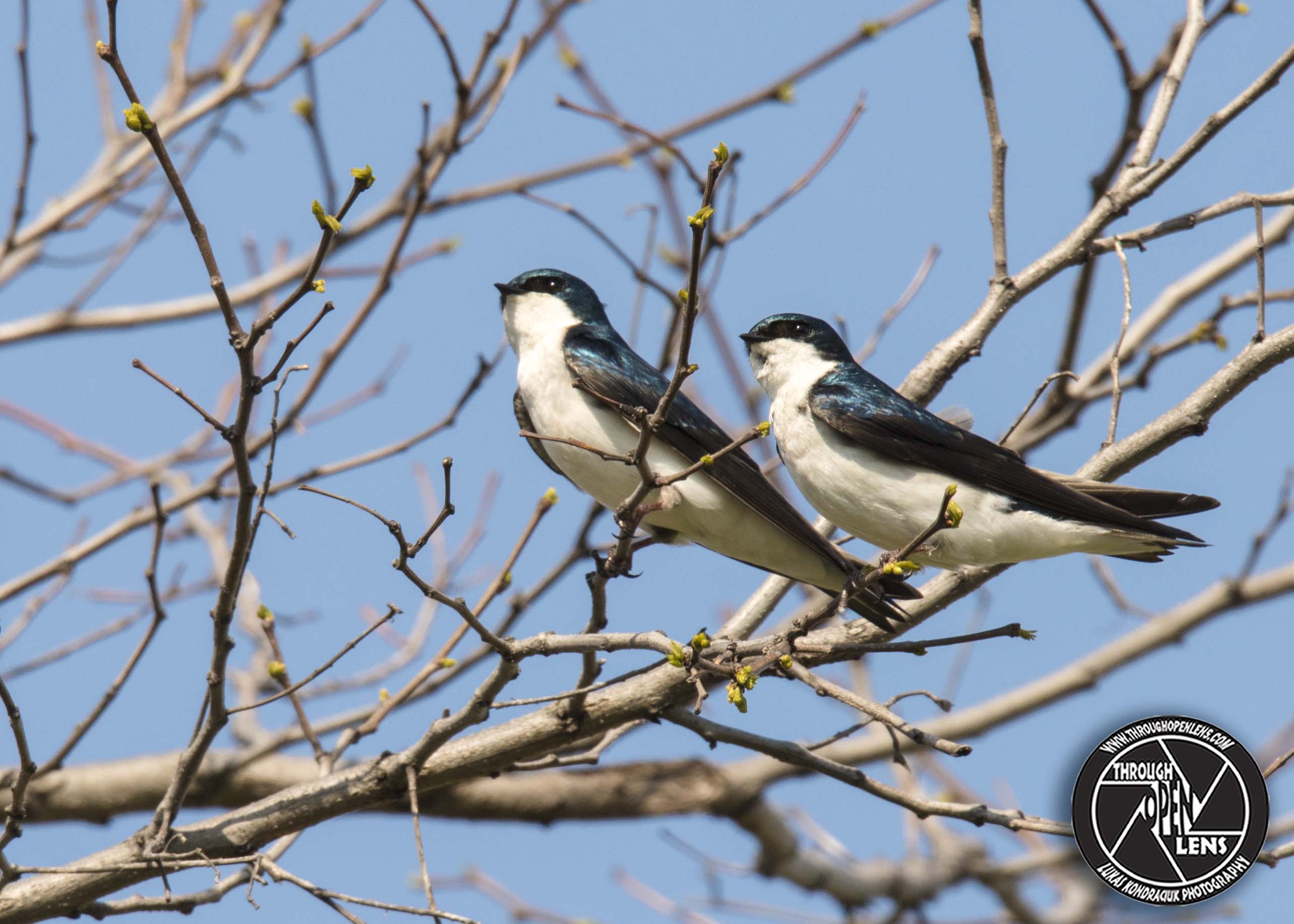
The Truth Is Hard To Swallow When You’re Choking On Your Pride!

F/11.0, 1/500, ISO 250.

Tree Swallows

What do you call a guy who never farts in public?

A private tutor.

Interesting Fact: Tree Swallows have helped researchers make major advances in several branches of ecology, and they are among the best-studied bird species in North America. Still, we know little about their lives during migration and winter. ( https://www.allaboutbirds.org/guide/Tree_Swallow/lifehistory )

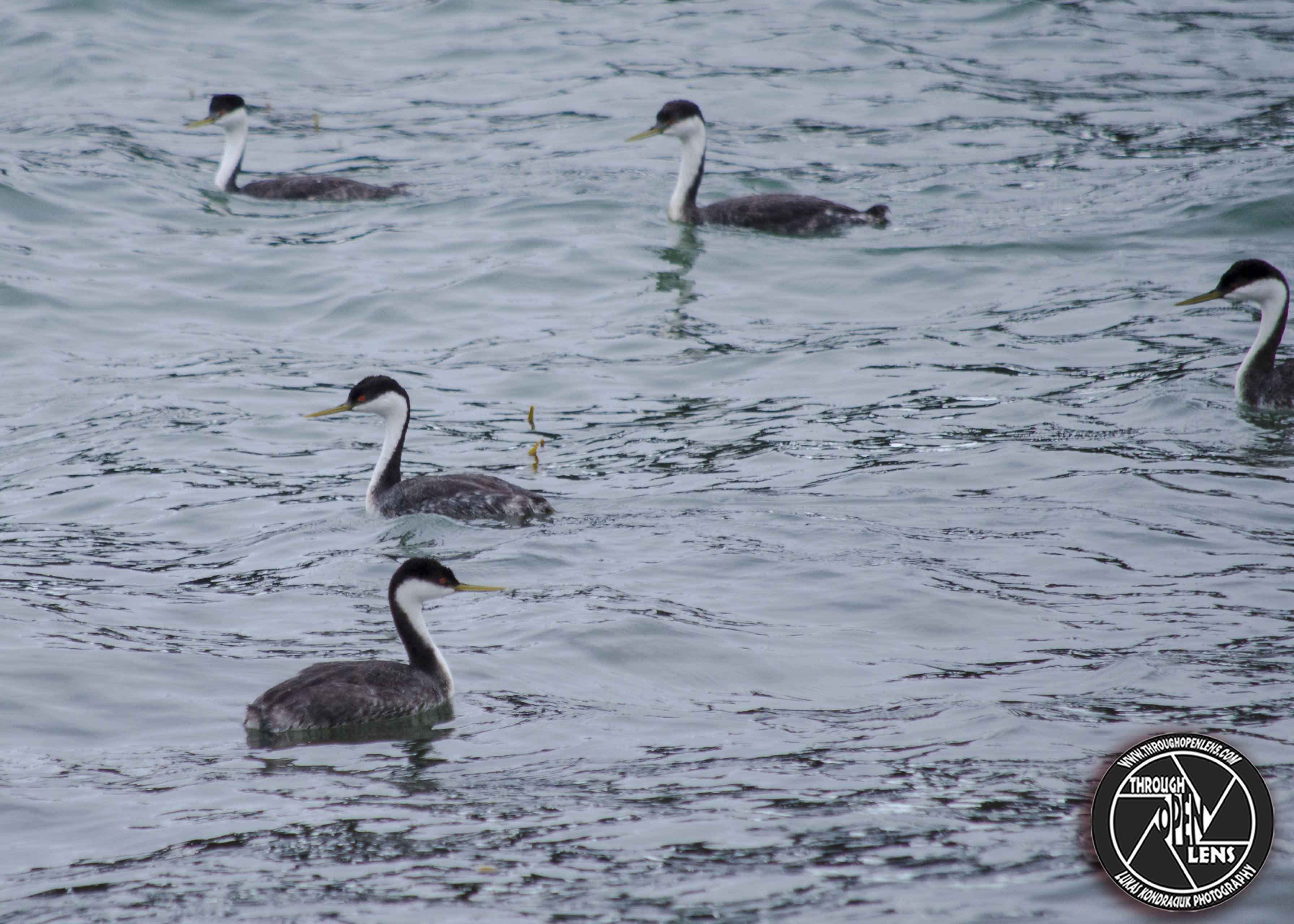
Be Different!

F/5.6, 1/500, ISO 360.

Western-Grebe

Why did the traffic light turn red?

You would too if you had to change in the middle of the street!

Interesting Fact:  The Western Grebe, like other grebes, spends almost all its time in water and is very awkward when on land. The legs are so far back on the body that walking is very difficult. Western Grebes are adept swimmers and divers. Courtship happens entirely in the water, including a well-known display known as “rushing,” where two birds turn to one side, lunge forward in synchrony, their bodies completely out of the water, and race across the water side by side with their necks curved gracefully forward. ( https://www.allaboutbirds.org/guide/Western_Grebe/lifehistory )

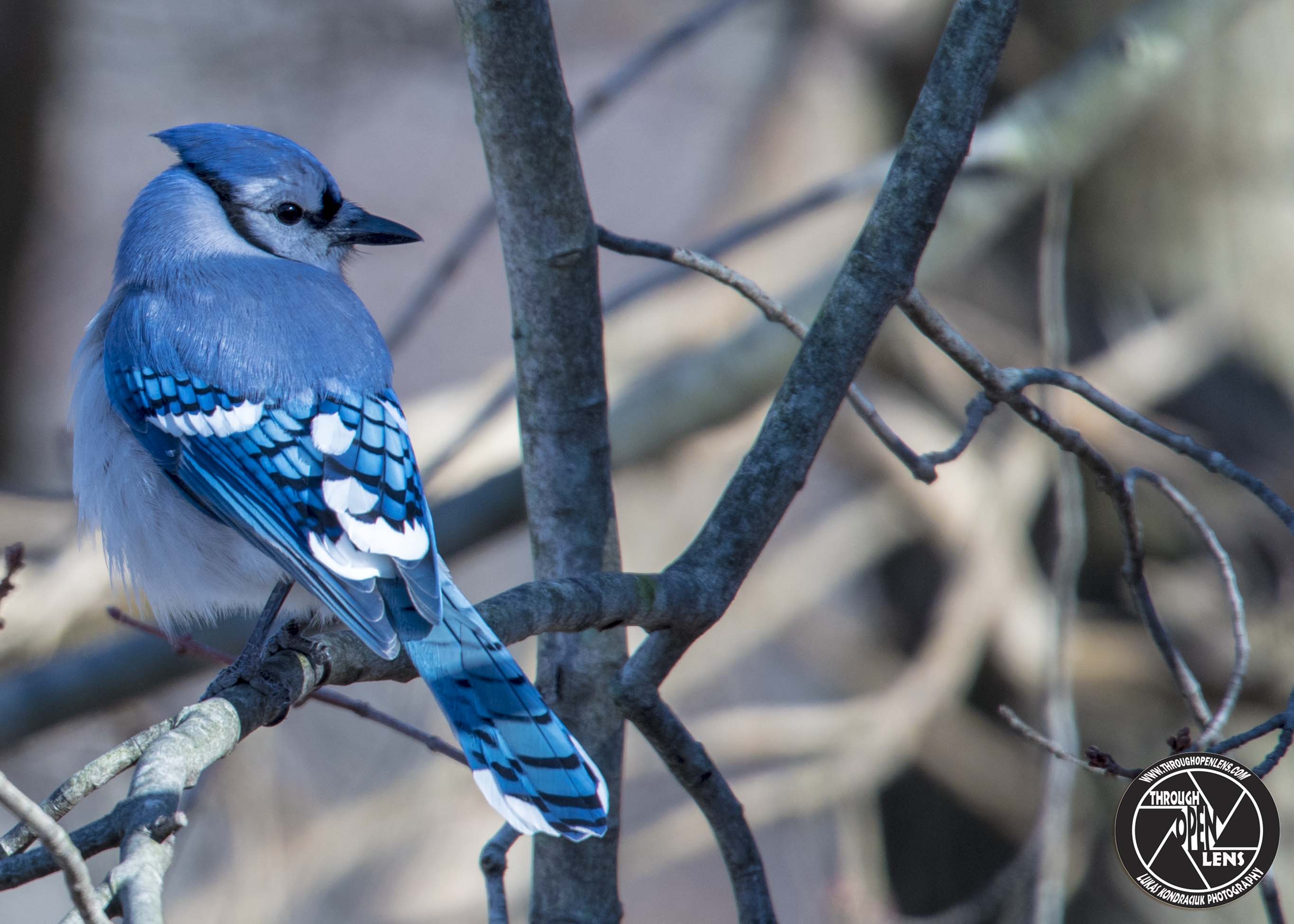
Blue You Away!

F/7.1, 1/200, ISO 250.

Blue Jay 

Why do ghosts have so much trouble dating?

Women can see right through them.

Interesting Fact: This common, large songbird is familiar to many people, with its perky crest; blue, white, gray, and black plumage; and noisy calls. Blue Jays are known for their intelligence and complex social systems, and have tight family bonds. They often mate for life, remaining with their social mate throughout the year. ( https://www.allaboutbirds.org/guide/Blue_Jay/lifehistory )


I’m Not Perfect But My Eyeliner Is

F/10.0,1/400, ISO 320.

Green-Winged Teal

Why is Basketball such a messy sport?

Because you dribble on the floor!

Interesting Fact: Green-winged Teal sometimes switch wintering sites from year to year. One banding study found that individuals wintering in Texas one year went as far away as California in subsequent years. This lack of philopatry, or “faithfulness” to a particular site, may reflect the tendency of males that did not breed the year before to try to find mates among a different set of wintering females. ( https://www.allaboutbirds.org/guide/Green-winged_Teal/lifehistory )

Mine! Mine! Mine! Mine! Mine! Mine!

ring-billed-gulls

F/5.6, 1/320, ISO 400.

Ring-billed Gull             

What do you call a man with seagull on his head?

Cliff

Interesting Fact: Migrating Ring-billed Gulls apparently use a built-in compass to navigate. When tested at only two days of age, chicks showed a preference for magnetic bearings that would take them in the appropriate direction for their fall migration. The gulls also rely on landmarks and high-altitude winds to provide directional cues.  ( https://www.allaboutbirds.org/guide/Ring-billed_Gull/lifehistory )

You Give Me Goosebumps!

F/6.3, 1/640, ISO 160.

Greylag goose

What concert costs 45 cents?

50 Cent featuring Nickleback.

Interesting Fact: Greylag geese are gregarious birds and form flocks. This has the advantage for the birds that the vigilance of some individuals in the group allows the rest to feed without having to constantly be alert to the approach of predators. After the eggs hatch, some grouping of families occur, enabling the geese to defend their young by their joint actions, such as mobbing or attacking predators.[17] After driving off a predator, a gander will return to its mate and give a “triumph call”, a resonant honk followed by a low-pitched cackle, uttered with neck extended forward parallel with the ground. The mate and even unfledged young reciprocate in kind. ( https://en.wikipedia.org/wiki/Greylag_goose#Behaviour   )