Fish Out Of The Water!

F/10.0, 1/400, ISO 250.

Common Terns

How do birds fly?

They just wing it!

Interesting Fact: Common Terns nest in colonies on the ground in areas with loose sand, gravel, shell, or cobble pebbles typically less than 350 feet from the water. They tend to choose areas with scattered, low-growing vegetation to provide cover for chicks.  ( https://www.allaboutbirds.org/guide/Common_Tern/lifehistory )
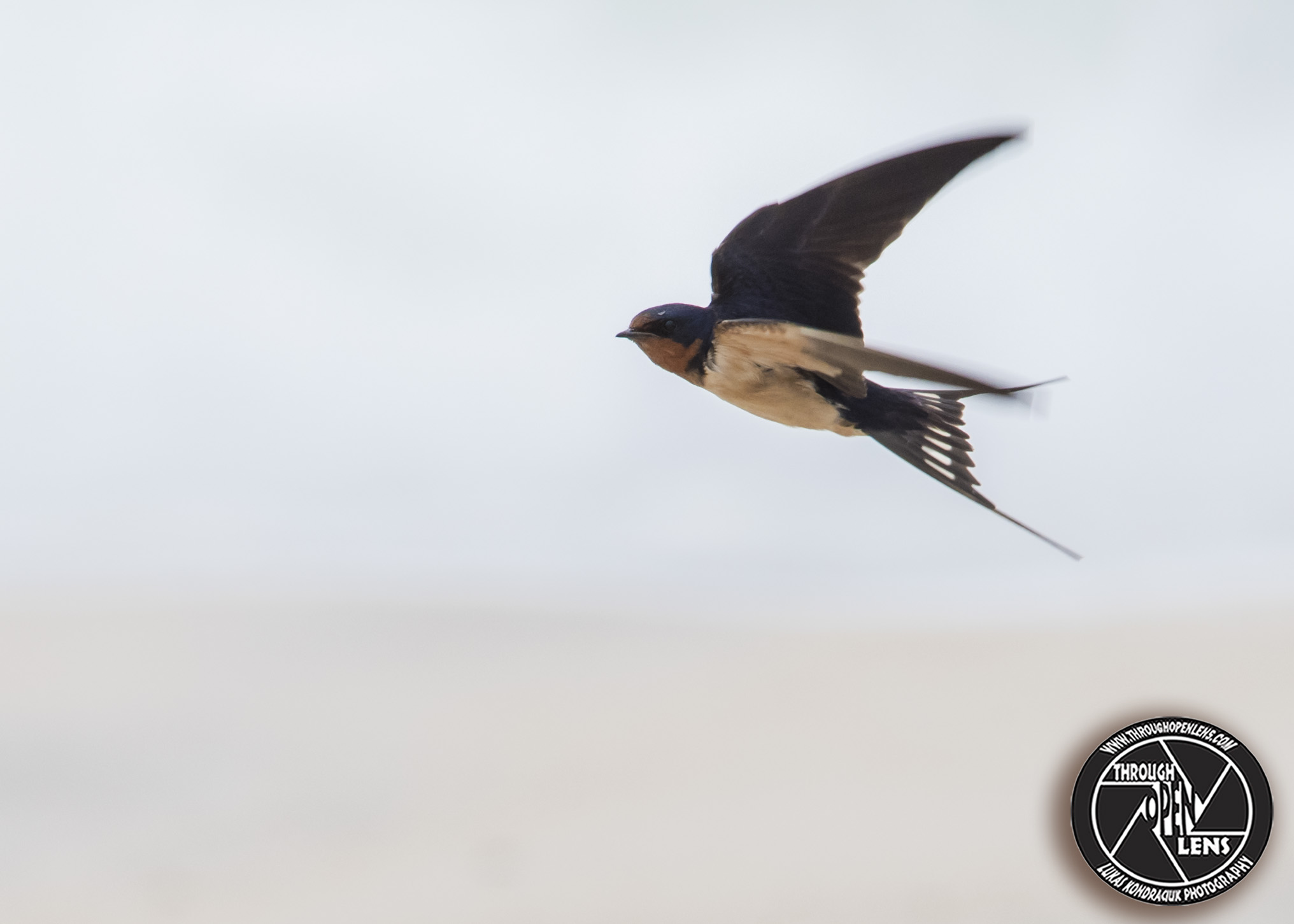
This Is Really Hard To Swallow

F/13.0, 1/640, ISO 320.

Barn Swallow

Why did the computer break up with the internet?

There was no “Connection”.

Interesting Fact: Long-distance migrant. Barn Swallows fly from North American breeding grounds to wintering areas in Central and South America. Southbound fall migration may begin by late June in Florida or early July in Massachusetts. They return as early as late January in southern California to mid-May at Alaskan breeding sites. ( https://www.allaboutbirds.org/guide/Barn_Swallow/lifehistory )

Even Though You’re Fed Up. You Gotta Keep Your Head Up.

F/10.0, 1/400, ISO 250.

Double-crested Cormorant 

What do you call someone without a nose or a body?

Nobodynose.

Interesting Fact: Both Double-crested Cormorant mates work on the nest, with the male bringing most of the material and the female doing the building. The nest is mostly made of finger-size sticks, with some seaweed and flotsam, and lined with grass. Nests are 1.5 to 3 feet in diameter and 4 to 17 inches high; ground nests tend to be wider than tree nests, but tree nests have deeper interiors. Breeding cormorants readily steal nesting materials from a nearby nest that’s not guarded. ( https://www.allaboutbirds.org/guide/Double-crested_Cormorant/lifehistory )

They Were Born To Fly And Touch The Sky

F/13.0, 1/640, ISO 400.

Semipalmated Sandpipers

What is a bunny’s favorite music?

Hip-hop.

Interesting Fact: The Semipalmated Sandpiper gets its common name from the short webs between its toes (“palmated” means webbed). The Western Sandpiper is the only other small sandpiper with similarly webbed toes. ( https://www.allaboutbirds.org/guide/Semipalmated_Sandpiper/lifehistory )

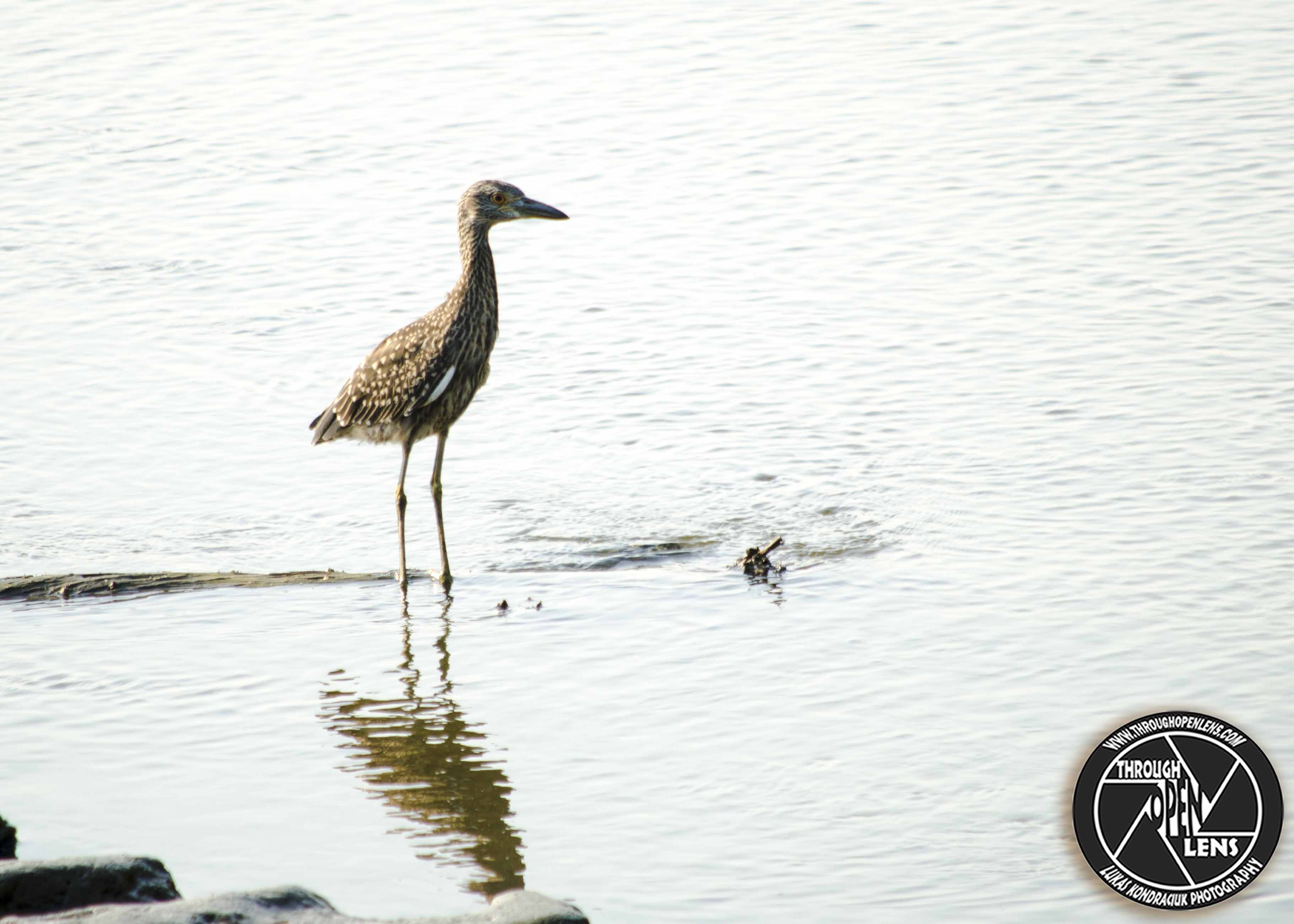
This Water Is Freezing!!!

F/5.6, 1/500, ISO 100.

Yellow-crowned Night-Heron ( Juvenile )

Why did the boy eat his homework?

Because his teacher said it was a piece of cake!

Interesting Fact: Yellow-crowned Night-Herons forage both during the day and at night—in coastal areas the tide can trump the time of day: most foraging occurs from 3 hours before high tide to 3 hours after. ( https://www.allaboutbirds.org/guide/Yellow-crowned_Night-Heron/lifehistory )


Some Times Change Is Good!

Autumn

F/5.6, 1/125, ISO 200.

 Why does Humpty Dumpty love autumn?

Because Humpty Dumpty had a great fall.

Interesting Fact: Red and purple leaves are actually caused by the presence of sugars from sap that is trapped inside of the leaves. ( http://kids.lovetoknow.com/wiki/Autumn_Facts_for_Kids )

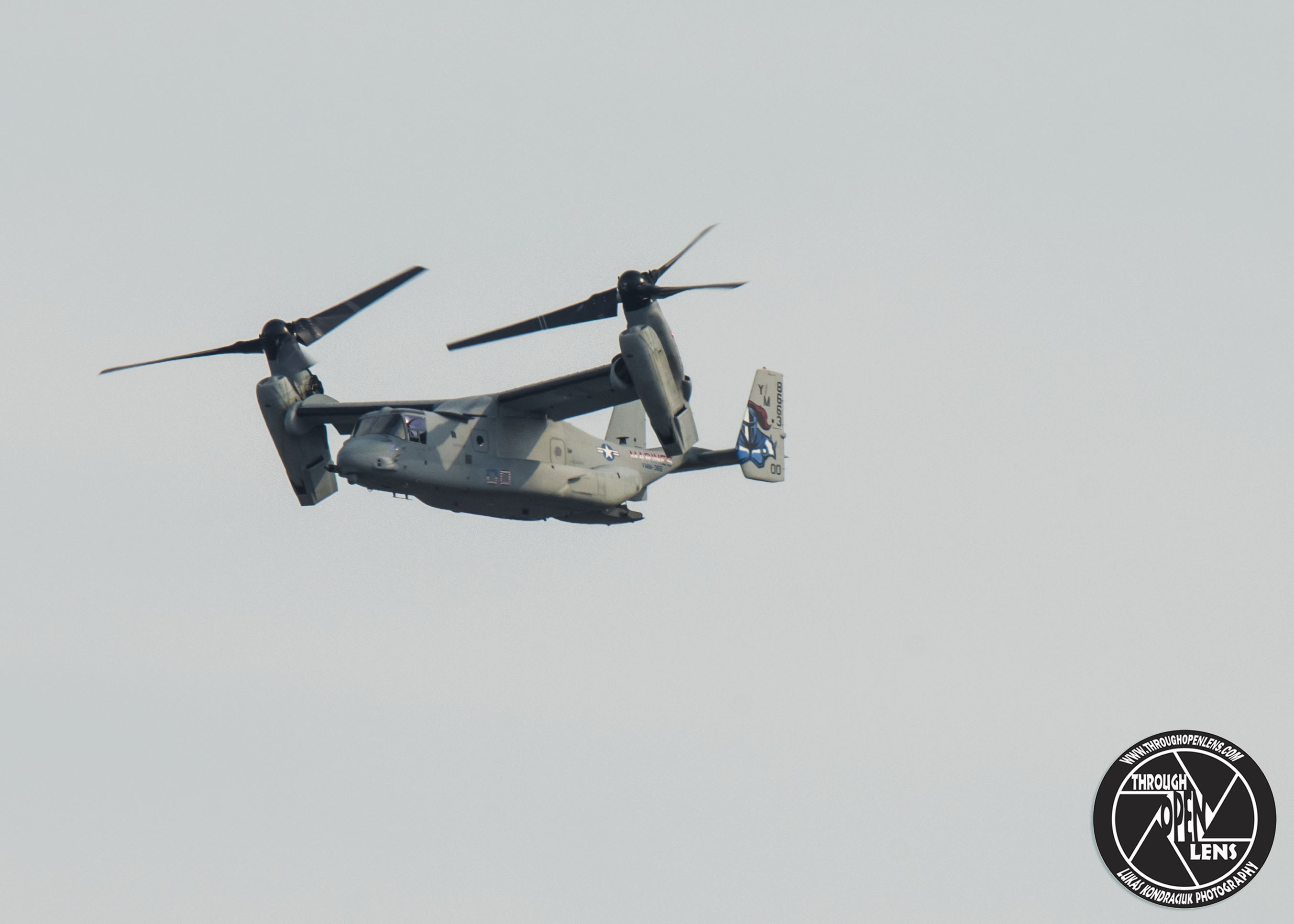
Different Osprey In The Sky!

F/11.0, 1/500, ISO 250.

Bell Boeing V-22 Osprey

What is the difference between a school teacher and a train?

The teacher says spit your gum out and the train says “chew chew chew”.

Interesting Fact:  The Osprey is the world’s first production tiltrotor aircraft, with one three-bladed proprotor, turboprop engine, and transmission nacelle mounted on each wingtip.[98] It is classified as a powered lift aircraft by the Federal Aviation Administration.[99] For takeoff and landing, it typically operates as a helicopter with the nacelles vertical and rotors horizontal. Once airborne, the nacelles rotate forward 90° in as little as 12 seconds for horizontal flight, converting the V-22 to a more fuel-efficient, higher speed turboprop aircraft. STOL rolling-takeoff and landing capability is achieved by having the nacelles tilted forward up to 45°.[100][101] Other orientations are possible.[102] It has a ferry range of over 2,100 nmi. Its operational range is 1,100 nmi. ( https://en.wikipedia.org/wiki/Bell_Boeing_V-22_Osprey#U.S._Marine_Corps )

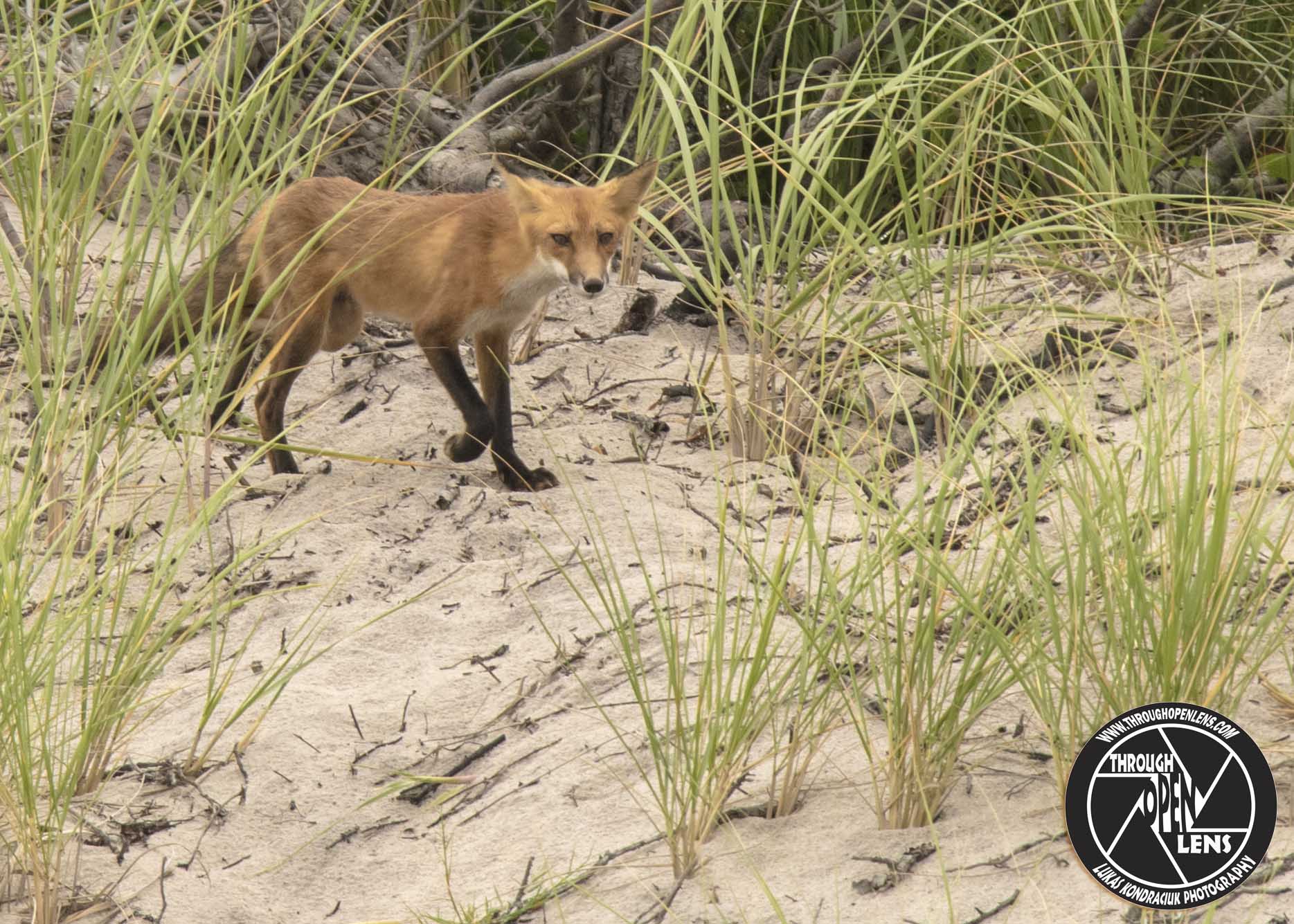
Oh For Fox Sake!

F/10.0, 1/400, ISO 500.

Red Fox

A chicken and an egg are having sex.

The chicken rolls off the egg and says, “I guess that answers that question.”

Interesting Fact: Foxes also signal each other by making scent posts—urinating on trees or rocks to announce their presence. ( https://www.nationalgeographic.com/animals/mammals/r/red-fox/ )

Good Things Come To Those Who Bait.

F/11.0, 1/500, ISO 125.

Osprey

In class:

Math Teacher: “If I have 5 bottles in one hand and 6 in the other hand, what do I have?”

Student: “A drinking problem.”

Interesting Fact: Osprey eggs do not hatch all at once. Rather, the first chick emerges up to five days before the last one. The older hatchling dominates its younger siblings, and can monopolize the food brought by the parents. If food is abundant, chicks share meals in relative harmony; in times of scarcity, younger ones may starve to death. ( https://www.allaboutbirds.org/guide/Osprey )

Just Give Me The Lights!

F/22.0, 66.0, ISO200.

East River, Manhattan, Brooklyn Bridge.

What did daddy spider say to baby spider?

You spend too much time on the web.

Interesting Fact:  The area that is now Manhattan was long inhabited by the LenapeNative Americans. In 1524, Florentine explorer Giovanni da Verrazzano – sailing in service of King Francis I of France – became the first documented European to visit the area that would become New York City. He entered the tidal strait now known as The Narrows and named the land around Upper New York HarborNew Angoulême, in reference to the family name of King Francis I that was derived from Angoulême in France; he sailed far enough into the harbor to sight the Hudson River, which he referred to in his report to the French king as a “very big river”; and he named the Bay of Santa Margarita – what is now Upper New York Bay – after Marguerite de Navarre, the elder sister of the king. ( https://en.wikipedia.org/wiki/Manhattan )