Stay Golden Ponyboy!

F/6.3, 1/180, ISO 320.

American Goldfinch

Who earns a living driving their customers away?

A taxi driver.

Interesting Fact: Goldfinches move south in winter following a pattern that seems to coincide with regions where the minimum January temperature is no colder than 0 degrees Fahrenheit on average. ( https://www.allaboutbirds.org/guide/American_Goldfinch )

Sometimes Sitting Still Is The Best Move You Can Make.

F/6.3, 1/160, ISO 160.

Prairie Falcon

What do you get when you put a candle in a suit of armor?

A knight light.

Interesting Fact: Prairie Falcons are among the species of birds that seem to play—they’ve been seen dropping dried cow manure in midair and then diving to catch it. Like young ball players flipping a baseball to themselves, this may be a way to sharpen their coordination skills. ( https://www.allaboutbirds.org/guide/Prairie_Falcon/overview )

Are You Looking At Me?!

F/5.6, 1/80, ISO 320.

California Scrub-Jay

How did the barber win the race?

He knew a short cut.

Interesting Fact: You might see California Scrub-Jays standing on the back of a mule deer. They’re eating ticks and other parasites. The deer seem to appreciate the help, often standing still and holding up their ears to give the jays access. ( https://www.allaboutbirds.org/guide/California_Scrub-Jay/overview )

Cliffhanger!

F/9.0, 1/320, ISO 160.

Green Heron

Why did the soccer player bring string to the game?

So he could tie the score.

Interesting Fact: The oldest Green Heron on record was at least 7 years, 11 months old when it was found in Mexico in 1979. It had been banded in Oklahoma in 1971. ( https://www.allaboutbirds.org/guide/Green_Heron )

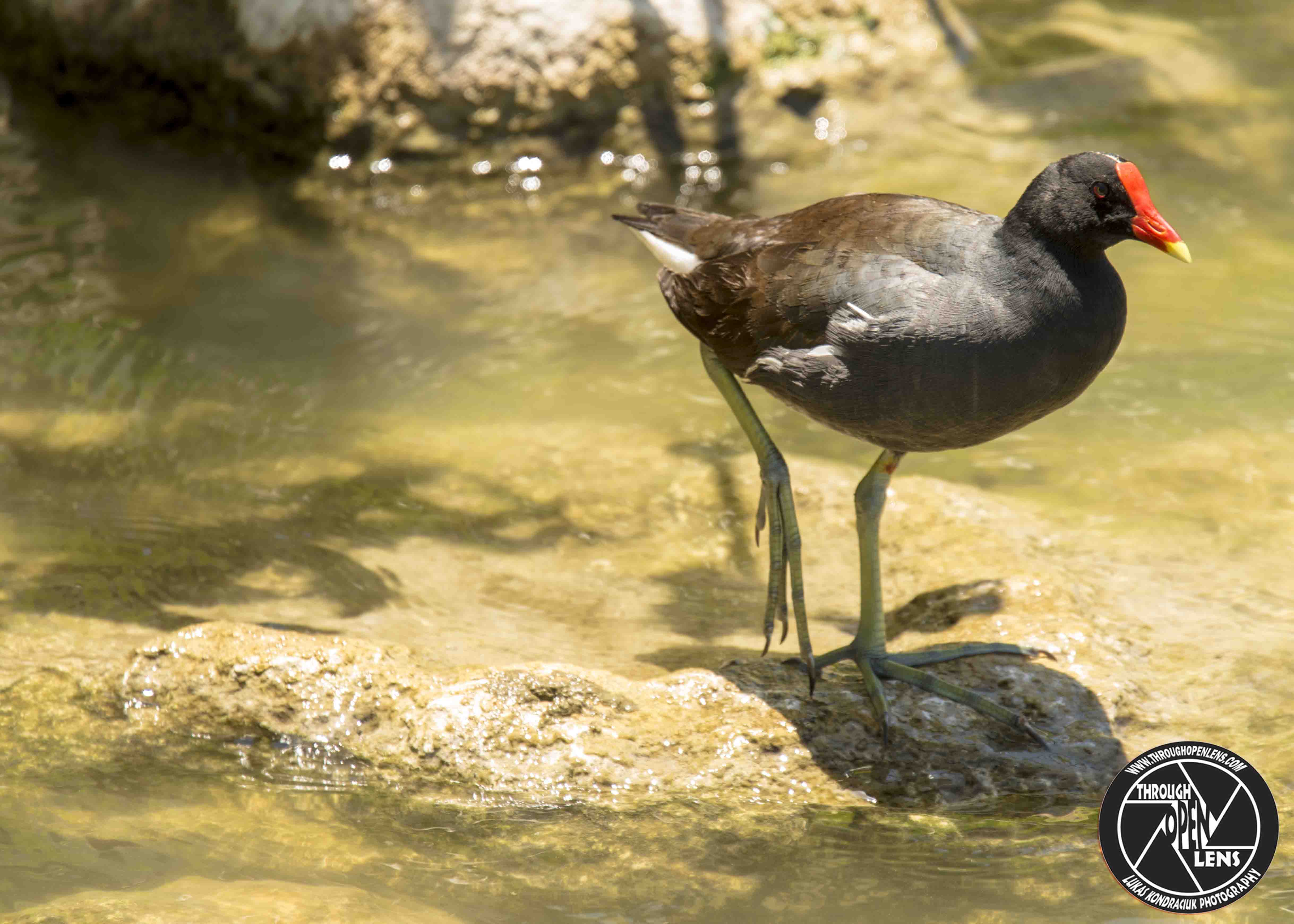
Being Unique Is Better… Then Being Perfect.

F/7.1, 1/200, ISO 160.

Common Gallinule

Why shouldn’t you marry a tennis player?

Because love means nothing to them!

Interesting Fact: The Common Gallinule has long toes that make it possible to walk on soft mud and floating vegetation. The toes have no lobes or webbing to help with swimming, but the gallinule is a good swimmer anyway. ( https://www.allaboutbirds.org/guide/Common_Gallinule )

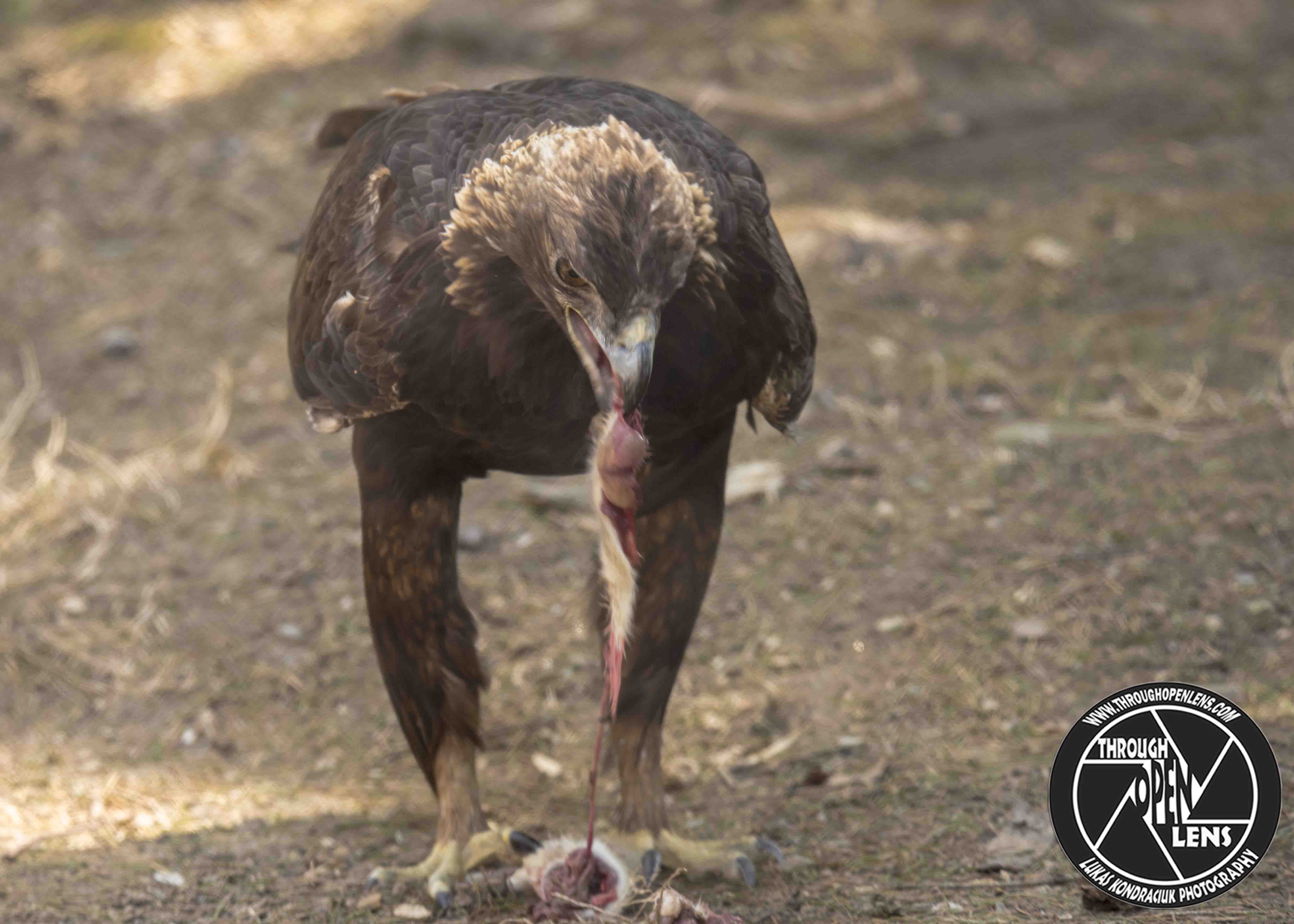
The Key To Eating Healthy Is To Avoid Any Food That Has TV Commercial.

F/6.0, 1/125, ISO 640.

Golden Eagle

What do you get when you cross fish and an elephant?

Swimming trunks.

Interesting Fact: Although capable of killing large prey such as cranes, wild ungulates, and domestic livestock, the Golden Eagle subsists primarily on rabbits, hares, ground squirrels, and prairie dogs. ( https://www.allaboutbirds.org/guide/Golden_Eagle/overview )

You Surprised Me Like A Shart.

F/6.3, 1/500, ISO 220.

Hooded Merganser ( Female )

Why is chicken soccer match a bad idea?

There are too many fowls.

Interesting Fact: Hooded Merganser ducklings leave their nest cavity within 24 hours of hatching. First, their mother checks the area around the nest and calls to the nestlings from ground level. From inside the nest, the little fluffballs scramble up to the entrance hole and then flutter to the ground, which may be 50 feet or more below them. In some cases they have to walk half a mile or more with their mother to the nearest body of water. ( Hooded Merganser Overview, All About Birds, Cornell Lab of Ornithology )

Let’s Cuddle So I Can Steal Your Body Heat!

F/6.3, 1/500, ISO 250.

Green-Winged Teal

Why do fish live in salt water?

Pepper water would make them sneeze.

Interesting Fact:  Green-winged Teals have closely spaced, comblike projections called lamellae around the inner edge of the bill. They use them to filter tiny invertebrates from the water, allowing the birds to capture smaller food items than other dabbling ducks.( Green-winged Teal Overview, All About Birds, Cornell Lab of Ornithology )


I Can See Your Butt Quack!

F/6.3, 1/500, ISO 250.

Northern Pintail 

Why are celebrities so cool?

They have a lot of fans.

Interesting Fact: Northern Pintails migrate at night at speeds around 48 miles per hour. The longest nonstop flight recorded for a Northern Pintail was 1,800 miles. ( Northern Pintail Overview, All About Birds, Cornell Lab of Ornithology )


Simon Says, Pause!

F/5.3, 1/160, IOS 800.

Great Blue Heron 

What do you call when Batman skips out on church?

Christian Bale.

Interesting Fact: Great Blue Herons have specialized feathers on their chest that continually grow and fray. The herons comb this “powder down” with a fringed claw on their middle toes, using the down like a washcloth to remove fish slime and other oils from their feathers as they preen. Applying the powder to their underparts protects their feathers against the slime and oils of swamps. ( Great Blue Heron Overview, All About Birds, Cornell Lab of Ornithology )