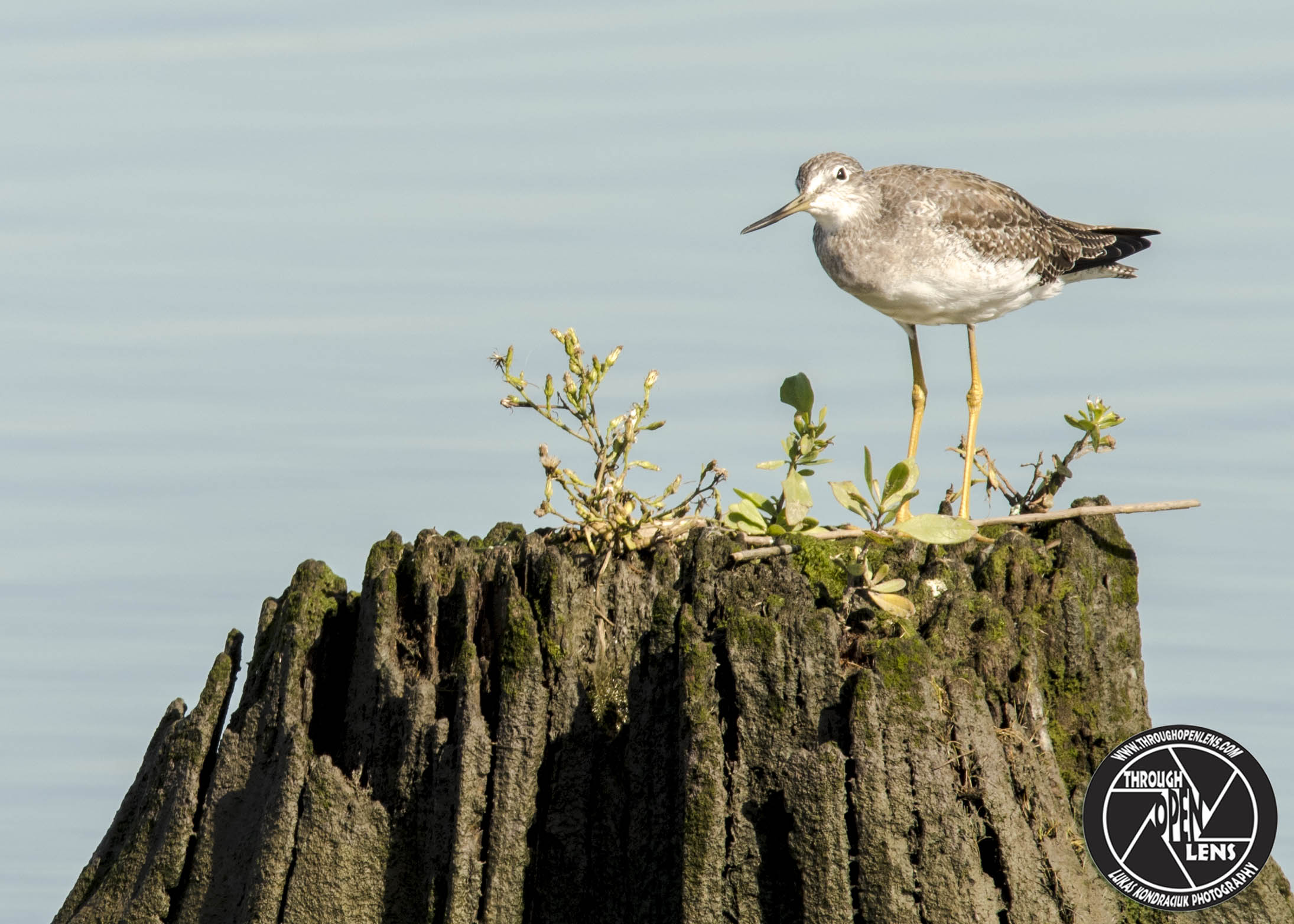
I Have A Leg Up On You

F/10.0, 1/400, ISO 250.

Greater Yellowlegs

Ghosts are hard to impress.

They boo everything.

Interesting Fact: Their breeding habitat is bogs and marshes in the boreal forest region of Canada and Alaska. They nest on the ground, usually in well-hidden locations near water. The three to four eggs average 50 mm (2.0 in) in length and 33 mm (1.3 in) in breadth and weigh about 28 g (0.99 oz). The incubation period is 23 days. The young leave the nest within 24 hours of hatching and then leave the vicinity of the nest within two days.( https://en.wikipedia.org/wiki/Greater_yellowlegs )
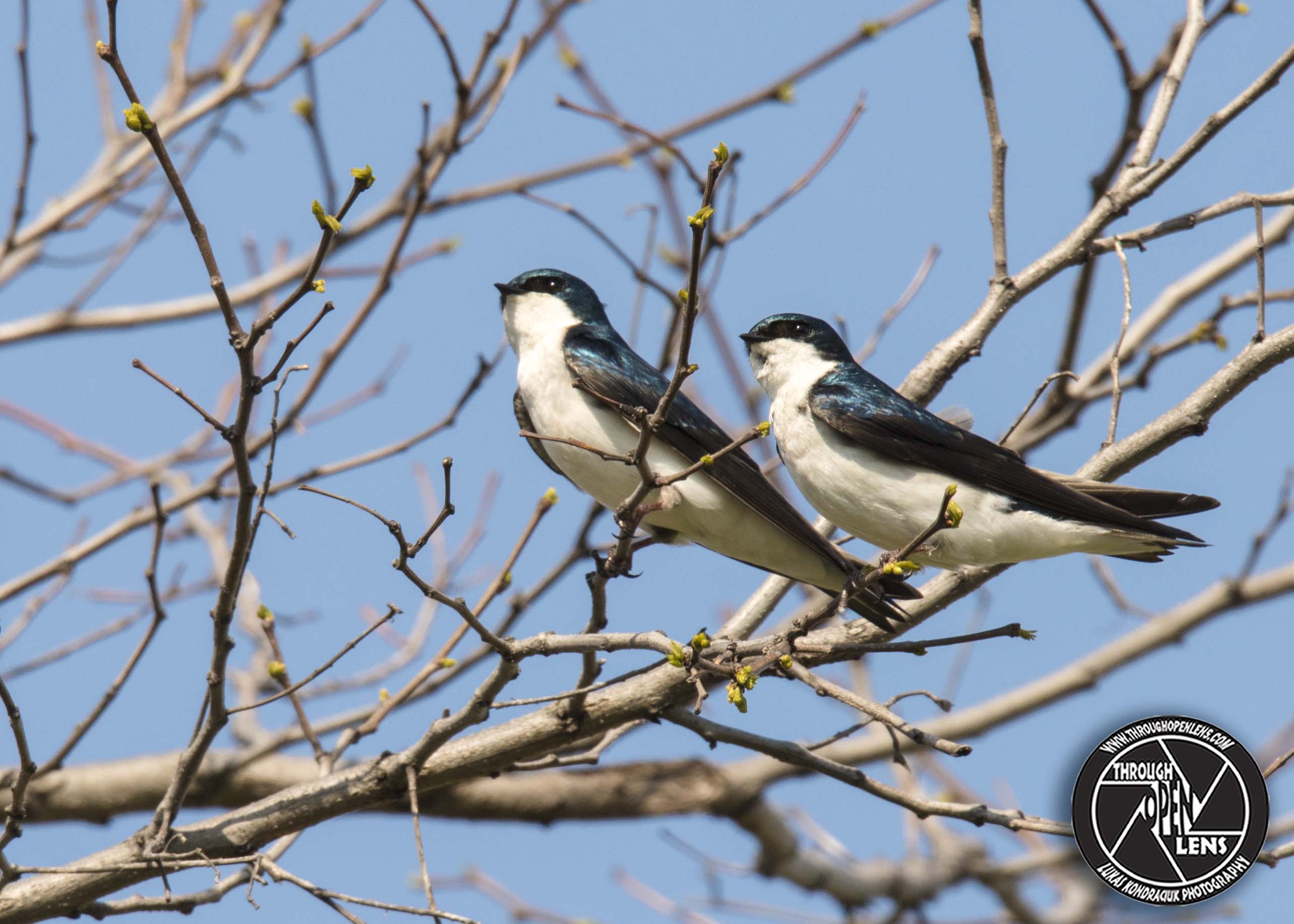
The Truth Is Hard To Swallow When You’re Choking On Your Pride!

F/11.0, 1/500, ISO 250.

Tree Swallows

What do you call a guy who never farts in public?

A private tutor.

Interesting Fact: Tree Swallows have helped researchers make major advances in several branches of ecology, and they are among the best-studied bird species in North America. Still, we know little about their lives during migration and winter. ( https://www.allaboutbirds.org/guide/Tree_Swallow/lifehistory )

You Give Me The Chills!

F/10.0, 1/400, ISO 160.

Red-tailed Hawk

Two snakes are talking.

One of them turns to the other and asks, “Are we venomous?”

The other replays, “Yes,why?…”

“I just bit ma lip.”

Interesting Fact: Red-tailed Hawks typically put their nests in the crowns of tall trees where they have a commanding view of the landscape. They may also nest on a cliff ledge or on artificial structures such as window ledges and billboard platforms. ( https://www.allaboutbirds.org/guide/Red-tailed_Hawk/lifehistory

Life Always Offers You A Second Chance. It’s Called Tomorrow.

F/10.0, 1/400, ISO 250.

Greater Yellowlegs

Beer Bottle: You break me, you get 1 year of bad luck!

Mirror: You kiddin’ me? You break me, then you will get 7 years of bad luck! 

Condom: Hahaha… (Condom walks off laughing)

Interesting Fact: These birds forage in shallow water, sometimes using their bills to stir up the water. They mainly eat insects and small fish, as well as crustaceans and marine worms. It often walks in sand or mud and leaves clear tracks; it can be possible to gather information about this species using its tracks. ( https://en.wikipedia.org/wiki/Greater_yellowlegs )

I Used My Last “Chill-Pill” Yesturday. This Is Your ONLY Warning!

F/10.0, 1/400, ISO 160.

Palmchat

What happened when you go inside with a snowsuit on?

It melts

Interesting Fact: The breeding season is mainly from March to June. The birds build large, messy, communal nests of twigs in the crowns of palms (mainly royal palms Roystonea sp.). Occasionally, in the absence of palms, other trees or even telephone poles, may be used. The whole nesting structure may be up to 2 m across, containing up to 30 adjoining nests with their own separate chambers and entrances. The females lay clutches of 2-4 thickly spotted, grey-purple eggs.  ( https://en.wikipedia.org/wiki/Palmchat )

Chillin’ Like A Villain!

F/8.0, 1/250. ISO 1000.

Bold Eagle

Why is Peter Pan always flying?

Because he neverlands.

Interesting Fact: Bald Eagles nest in trees except in regions where only cliff faces or ground sites are available. They tend to use tall, sturdy conifers that protrude above the forest canopy, providing easy flight access and good visibility. In southern parts of their range, Bald Eagles may nest in deciduous trees, mangroves, and cactus. It’s unknown whether the male or the female takes the lead in selecting a nest site. Nests are typically built near the trunk, high up in the tree but below the crown (unlike Osprey nests). ( https://www.allaboutbirds.org/guide/Bald_Eagle/lifehistory )

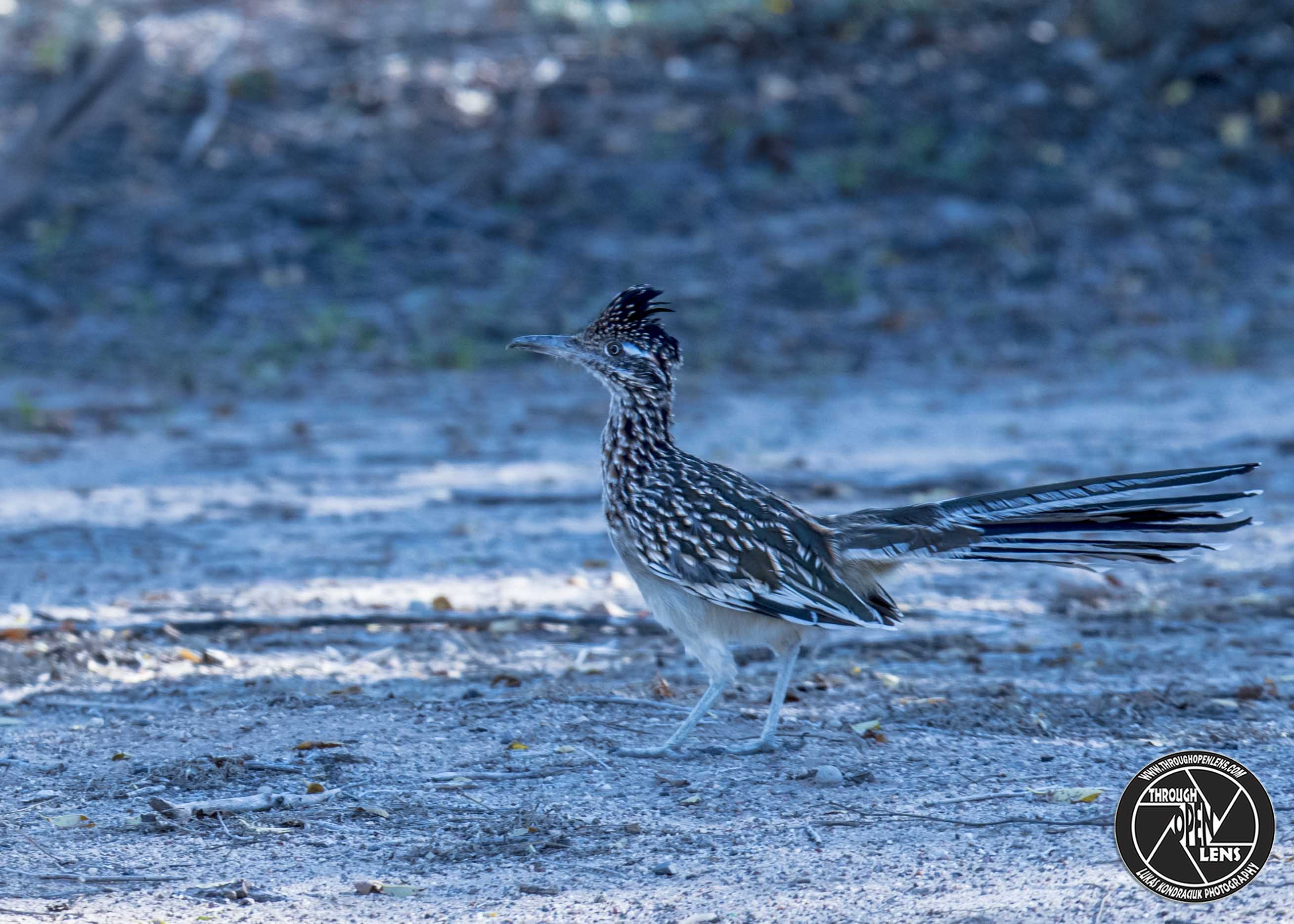
Beep, Beep!

F/7.1, 1/200, ISO 250.

Greater Roadrunner

Why can you never trust atoms?

They make up everything!

Interesting Fact: Roadrunners have evolved a range of adaptations to deal with the extremes of desert living. Like seabirds, they secrete a solution of highly concentrated salt through a gland just in front of each eye, which uses less water than excreting it via their kidneys and urinary tract. Moisture-rich prey including mammals and reptiles supply them otherwise-scarce water in their diet. Both chicks and adults flutter the unfeathered area beneath the chin (gular fluttering) to dissipate heat. ( https://www.allaboutbirds.org/guide/Greater_Roadrunner/overview

I’m Sorry I Offended You Whith My Common Sense

F/8.0, 1/250, ISO 250.

Common Murre

Where do polar bears vote?

The North Poll.

Interesting Fact:  In the Atlantic, some populations include “bridled” or “ringed” individuals, which have a white eye-ring and a white line extending backward from the eyes. Bridled birds are more common farther north. ( https://www.allaboutbirds.org/guide/Common_Murre/overview )

My Spirit Animals Is Grey Goose!

F/5.6, 1/800, ISO 160.

Greylag goose

How do you make an egg-roll?

You push it!!!

Interesting Fact: Young greylags stay with their parents as a family group, migrating with them in a larger flock, and only dispersing when the adults drive them away from their newly established breeding territory the following year.[18] At least in Europe, patterns of migration are well understood and follow traditional routes with known staging sites and wintering sites. The young learn these locations from their parents which normally stay together for life. ( https://en.wikipedia.org/wiki/Greylag_goose#Behaviour )

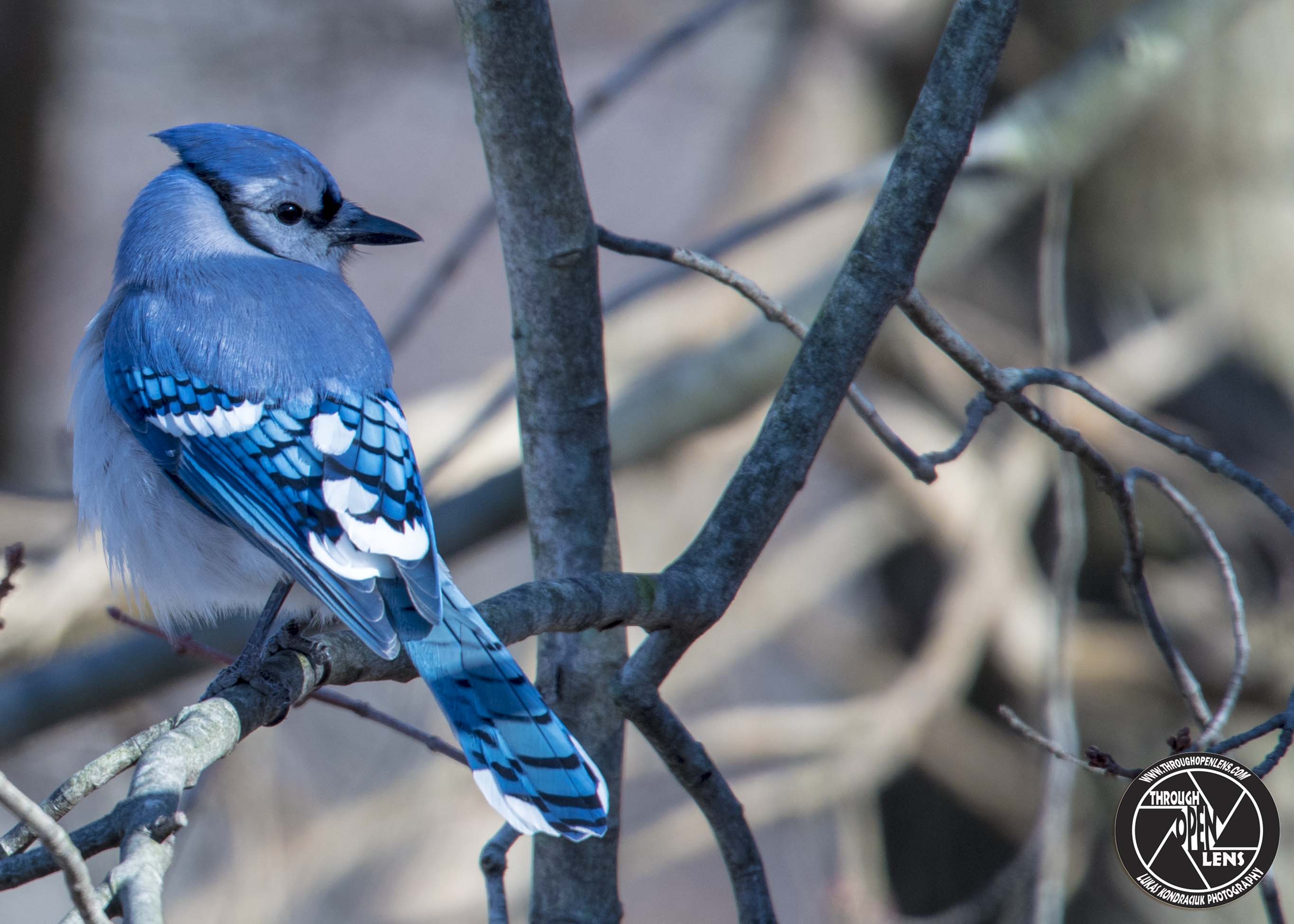
Blue You Away!

F/7.1, 1/200, ISO 250.

Blue Jay 

Why do ghosts have so much trouble dating?

Women can see right through them.

Interesting Fact: This common, large songbird is familiar to many people, with its perky crest; blue, white, gray, and black plumage; and noisy calls. Blue Jays are known for their intelligence and complex social systems, and have tight family bonds. They often mate for life, remaining with their social mate throughout the year. ( https://www.allaboutbirds.org/guide/Blue_Jay/lifehistory )