It’s Been A Rough Week So Far… But On Positive Note, I Didn’t Need Any Bail Money And Didn’t Have To Hide Any Bodies!

F/6.3, 1/800, ISO 800.

Rough-legged Hawk

Daughter: “Mom, where do tampons go?”

Mom: “Where the babies come from, darling.”

Daughter “In the stork?”

Check out this really funny jokes: http://www.short-funny.com/#ixzz5540ew6c6

Interesting Fact: The Rough-legged Hawk’s cliffside nest, a bulky mass of sticks, sometimes contains caribou bones. Nesting pairs need a lot of space: usually only a single pair will nest on a quarter-mile-long cliff. However, the pair may nest within 100 feet of Gyrfalcons, Peregrine Falcons, or Common Ravens. ( https://www.allaboutbirds.org/guide/Rough-legged_Hawk/lifehistory  )

I Lost My Temper, But It Came Back!

F/9.0, 1/250, ISO 160.

Ring-necked Duck

Why did the cookie go to the hospital?

He felt crummy!

Interesting Fact: Ring-necked Ducks feed by diving underwater, rather than by tipping up as “dabbling” ducks do. When diving, they leap forward in an arc to plunge underwater, and they swim using only their feet for propulsion. ( https://www.allaboutbirds.org/guide/Ring-necked_Duck/lifehistory )


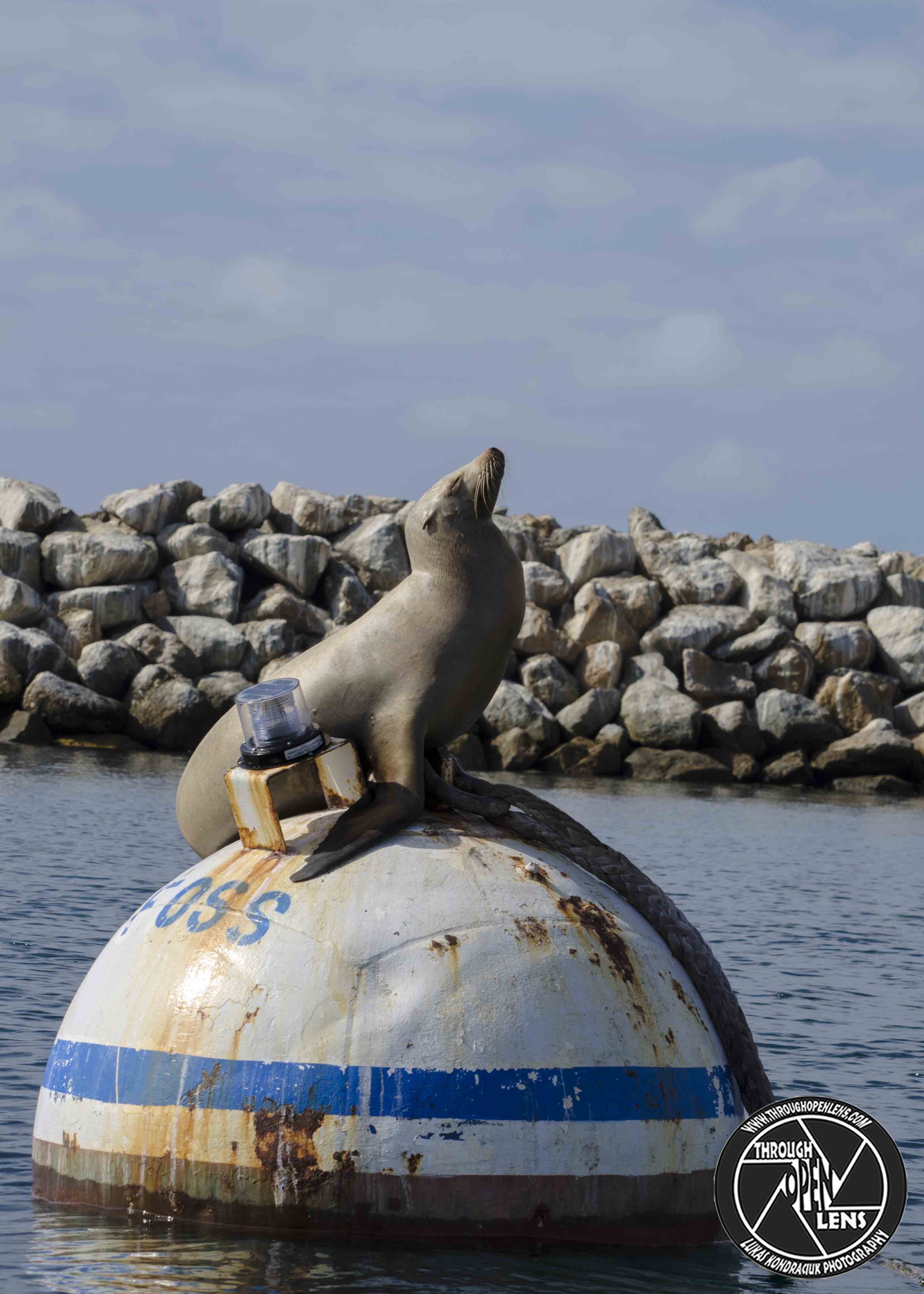
Catching Some Rays And Then Making Some Waves!

F/9.0, 1/320, ISO 100.

California Sea Lion

What do you call a seal in the desert?

Lost.

Interesting Fact:  The California sea lion is a sleek animal, faster than any other sea lion or seal. These eared seals top out at speeds of some 25 miles (40 kilometers) an hour. ( http://animals.nationalgeographic.com/animals/mammals/california-sea-lion/ )

Gonzo Would Be Jealous!

F/7.1, 1/800, ISO 200.

Whimbrel

What Do You Call a Beach that Keeps Losing Sand?

A Shore Loser.

Interesting Fact: In many regions, the primary winter food of the Whimbrel is crab. The curve of the Whimbrel’s bill nicely matches the shape of fiddler crab burrows. The bird reaches into the crab’s burrow, extracts the crab, washes it if it is muddy, and sometimes breaks off the claws and legs before swallowing it. Indigestible parts are excreted in fecal pellets.  ( https://www.allaboutbirds.org/guide/Whimbrel/lifehistory )


I Would Cry But Mascara Is Designer

green-winged-teal

F/6.3, 1/500, ISO 360.

Green-Winged Teal

Men are like mascara, any sign of emotion and they’re running.

Interesting Fact: Green-winged Teals have closely spaced, comblike projections called lamellae around the inner edge of the bill. They use them to filter tiny invertebrates from the water, allowing the birds to capture smaller food items than other dabbling ducks. ( https://www.allaboutbirds.org/guide/Green-winged_Teal/lifehistory )

Use Your Head!

yellow-bellied-sapsucker-2

F/10.0, 1/400, ISO 400.

Yellow-Bellied Sapsucker

What did the trees wear to Mother Nature’s pool party?

Swimming trunks!

Interesting Fact: The Yellow-bellied Sapsucker frequently uses human-produced materials to help in its territorial drumming. Street signs and metal chimney flashing amplify the irregular tapping of a territorial sapsucker. The sapsucker seems to suffer no ill effects of whacking its bill on metal, and a bird will return to a favorite sign day after day to pound out its Morse code-like message. ( https://www.allaboutbirds.org/guide/Yellow-bellied_Sapsucker/lifehistory  )

I Am Going To Wing It!

double-crested-cormorant

F/ 5.6, 1/500, ISO 220.

Double-crested Cormorant

What do you call a fly without wings?

A walk

Interesting Fact: Accumulated fecal matter below nests can kill the nest trees. When this happens, the cormorants may move to a new area or they may simply shift to nesting on the ground. ( https://www.allaboutbirds.org/guide/Double-crested_Cormorant/lifehistory )

Here’s Looking At You, Kid

F/11.0, 1/500, ISO 320.

Red-tailed Hawk

Why can you never trust atoms?

They make up everything!

Interesting Fact: Birds are amazingly adapted for life in the air. The Red-tailed Hawk is one of the largest birds you’ll see in North America, yet even the biggest females weigh in at only about 3 pounds. A similar-sized small dog might weigh 10 times that. ( https://www.allaboutbirds.org/guide/Red-tailed_Hawk/lifehistory )

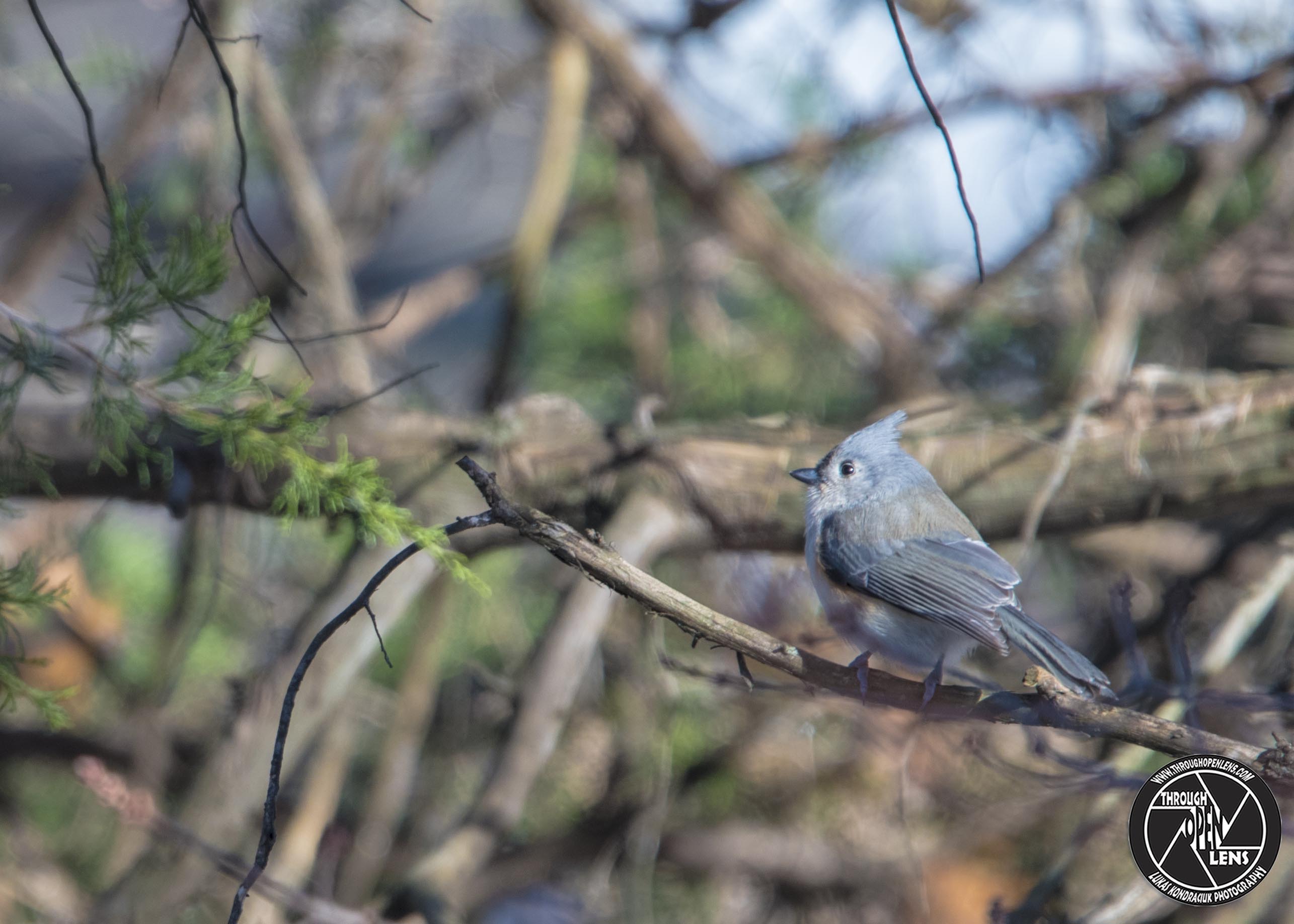
I Had A Dream I Was A Muffler And I Woke Up Exhausted.

F/7.1, 1/200, ISO 250.

Tufted Titmouse

Want to hear a dirty joke?

A kid jumped into a mud puddle.

Want to hear a clean joke?

A kid jumped into the bath.

Interesting Fact:  Tufted Titmice nest in cavities but aren’t able to excavate them on their own. They use natural holes and old nest holes made by several woodpecker species, including large species such as Pileated Woodpecker and Northern Flicker. Additionally, Tufted Titmice also nest in artificial structures including nest boxes, fenceposts, and metal pipes. ( https://www.allaboutbirds.org/guide/Tufted_Titmouse/lifehistory )

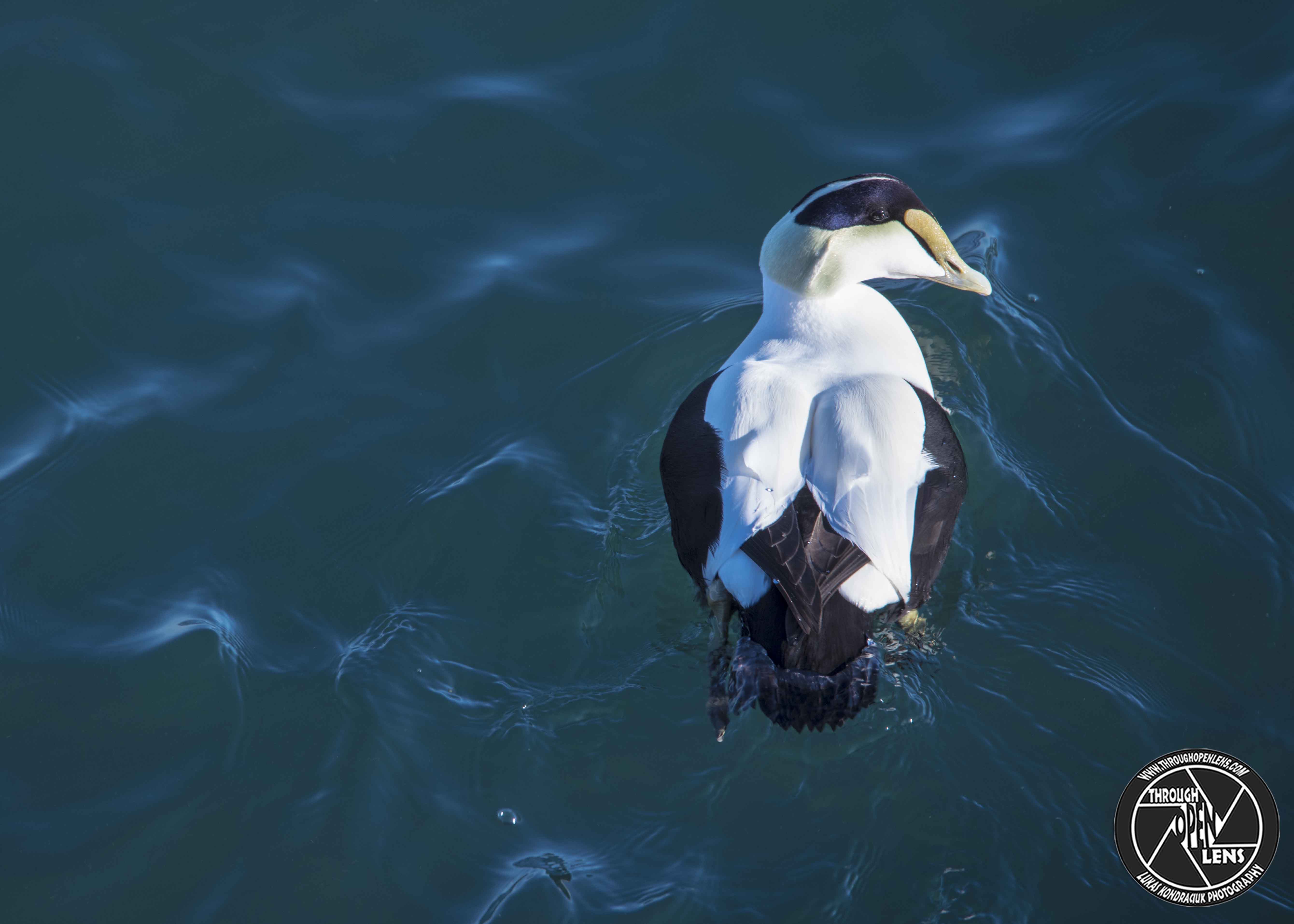
Of Course I Talk To Myself, Somtimes I Need Expert Advice.

F/8.0, 1/250, ISO200.

Common Eider

What did one elevator say to the other elevator?

I think I’m coming down with something!

Interesting Fact: The Pacific form of the Common Eider is distinct genetically and morphologically from the other forms, and may be a different species. The male has a thin black V on its chin and a bright yellow or orange bill. ( https://www.allaboutbirds.org/guide/Common_Eider/ )