The Call Of The Wild

F/13.0, 1/640, ISO 200.

Eastern Phoebe

What happens if you eat yeast and shoe polish?

Every morning you’ll rise and shine!

Interesting Fact: In 1804, the Eastern Phoebe became the first banded bird in North America. John James Audubon attached silvered thread to an Eastern Phoebe’s leg to track its return in successive years. ( https://www.allaboutbirds.org/guide/Eastern_Phoebe/lifehistory )
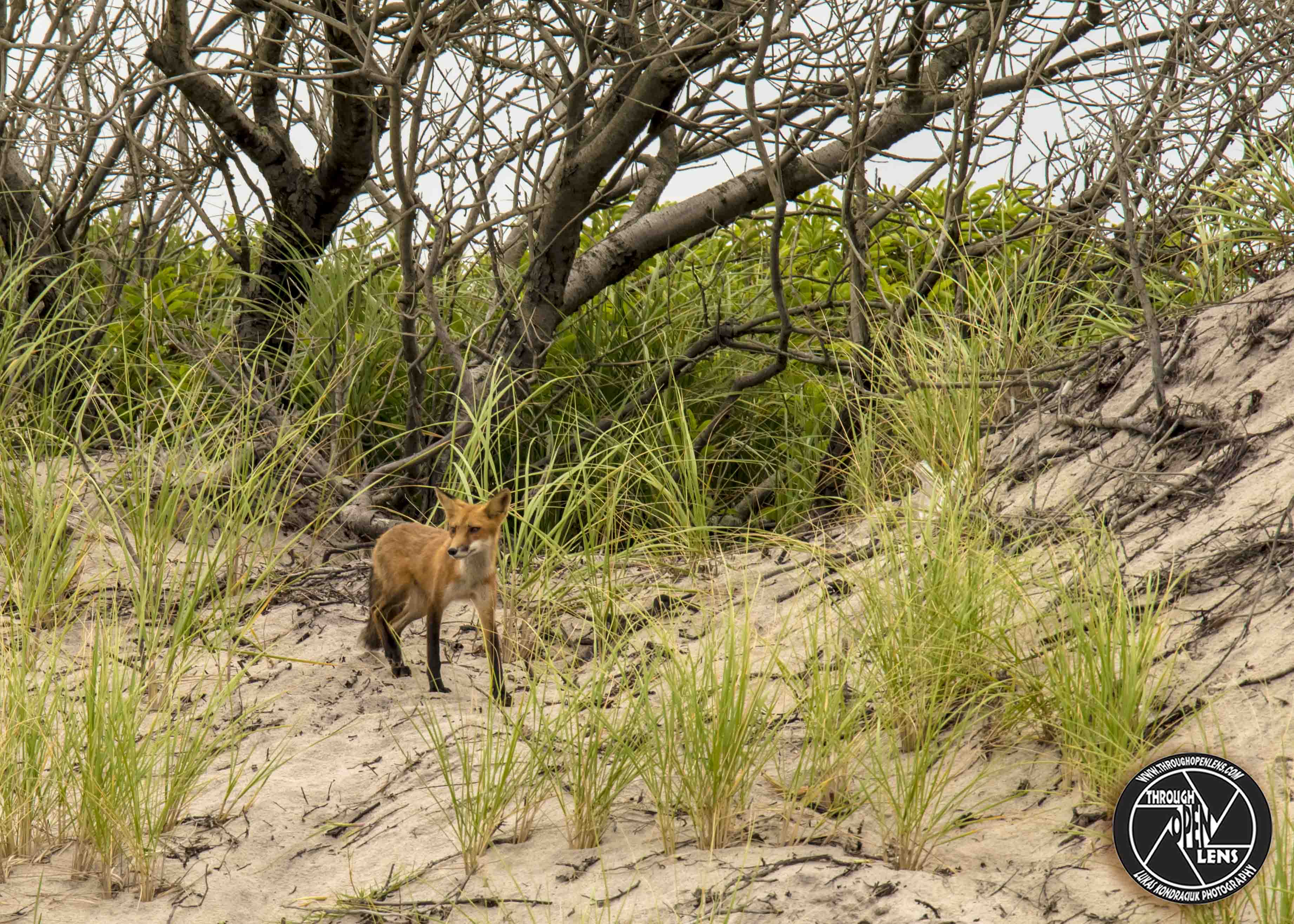
Fox News!

F/10.0, 1/400, ISO 500.

Red Fox

What does a skeleton order at a restaurant?

Spare ribs!

Interesting Fact: Like a cat’s, the fox’s thick tail aids its balance, but it has other uses as well. A fox uses its tail (or “brush”) as a warm cover in cold weather and as a signal flag to communicate with other foxes. ( http://www.nationalgeographic.com/animals/mammals/r/red-fox/ )

Don’t worry, I’m not gonna do what you all think I’m gonna do, which is, you know, FLIP OUT!

F/9.0, 1/320, ISO 320.

Greater Antillean Grackle

What do you call a broke Santa?jerry

It’s Saint-NICKEL-LESS

Interesting Fact: The Greater Antillean grackle (Quiscalus niger) is a grackle found throughout the Greater Antilles as well as smaller, nearby islands. Like all Quiscalus grackles, it is a rather large, gregarious bird.[2] It lives largely in heavily settled areas. It is also known as the ‘kling-kling’. ( https://en.wikipedia.org/wiki/Greater_Antillean_grackle )

What Am I Going To Do Today?

F/9.0, 1/320, ISO 320.

Eastern Chipmunk

Why did the tiny ghost join the football team?

He heard they needed a little team spirit.

Interesting Fact: It has several bird-like or chattering calls; one is a trill at the rate of 130 vibrations per minute and another is a lower-pitched, clicking sound. ( https://en.wikipedia.org/wiki/Eastern_chipmunk )

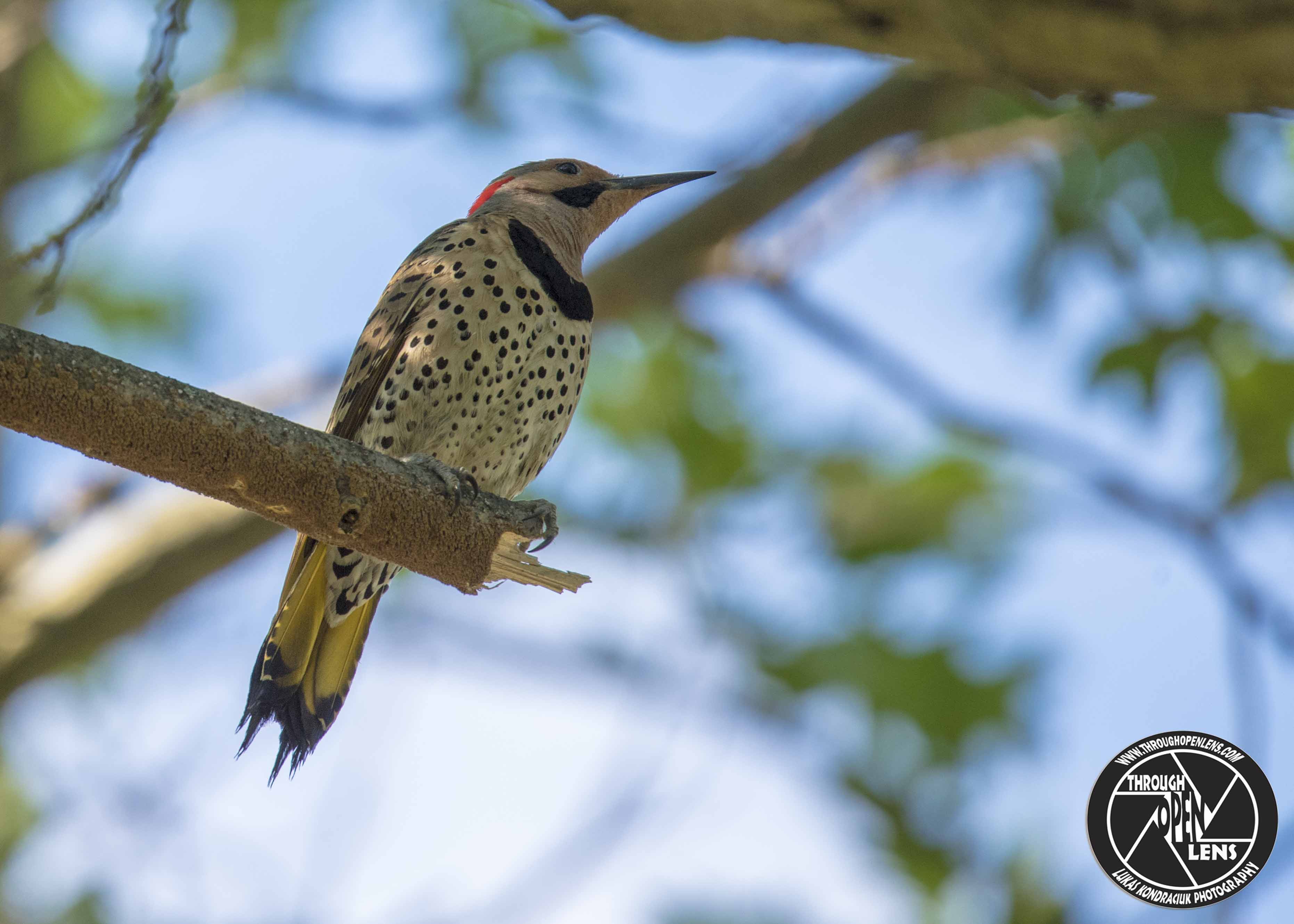
I Have Been Thinking To Buy A Drill.

F/8.0, 1/250, ISO 500.

Northern Flicker 

What is a mattress’ favorite season?

Spring.

Interesting Fact: Northern Flickers usually excavate nest holes in dead or diseased tree trunks or large branches. In northern North America look for nests in trembling aspens, which are susceptible to a heartrot that makes for easy excavation. Unlike many woodpeckers, flickers often reuse cavities that they or another species excavated in a previous year. ( https://www.allaboutbirds.org/guide/Northern_Flicker/lifehistory )


I Enjoy Long Romantic Walks To The Fridge.

F/6.3, 1/100, ISO 250.

Wild Turkey

What did the lawyer name his daughter?

Sue.

Interesting Fact: The English name of the bird may be a holdover from early shipping routes that passed through the country of Turkey on their way to delivering the birds to European markets. ( https://www.allaboutbirds.org/guide/Wild_Turkey/lifehistory )

Don’t Make Me Walk When I Want To Fly!

F/13.0, 1/640, ISO 250.

Red-tailed Hawk

How do trees access the internet?

They log in.

Interesting Fact: Red-tailed Hawks occupy just about every type of open habitat on the continent. This includes desert, scrublands, grasslands, roadsides, fields and pastures, parks, broken woodland, and (in Mexico) tropical rainforest. ( https://www.allaboutbirds.org/guide/Red-tailed_Hawk/lifehistory )

Be Cool Honey Bunny!

F/6.3, 1/160, ISO 250.

Eastern Cottontail Rabbit

What did the salad say when the cabbage interrupted their meal?

Lettuce alone!

Interesting Fact: The cottontail prefers an area where it can hide quickly but be out in the open. Forests, swamps, thickets, bushes, or open areas where shelter is close by are optimal habitation sites for this species.  ( https://en.wikipedia.org/wiki/Eastern_cottontail )

Life Always Offers You A Second Chance. It’s Called Tomorrow.

F/10.0, 1/400, ISO 250.

Tree Swallow

What did one wall say to the other wall?

Meet you at the corner!

Interesting Fact:  Tree Swallows are highly social, forming large migratory and wintering flocks; and pairs often nest close together, particularly where nest boxes are numerous. Agile fliers, Tree Swallows tend to glide more than any other swallow species. They bathe by flying low over the water and skimming their bodies against the surface, then rising quickly while shaking off droplets. ( https://www.allaboutbirds.org/guide/Tree_Swallow/lifehistory )

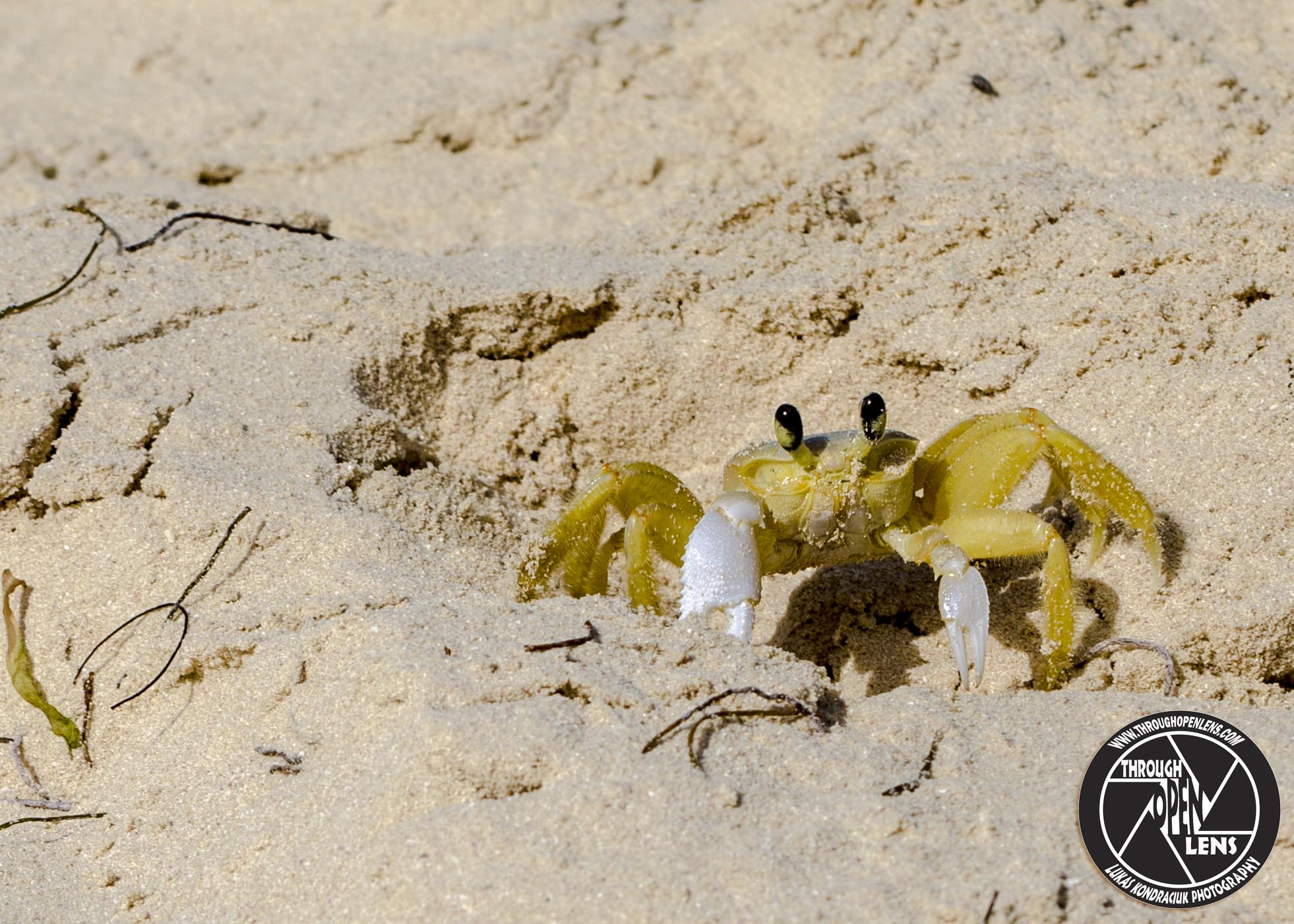
Be Clawsome!

F/8.0, 1/640, ISO 100.

Atlantic Ghost Crab

What’s red and moves up and down?

A tomato in an elevator!

Interesting Fact: The Atlantic ghost crab lives in burrows in sand above the strandline.[2] Older individuals dig their burrows farther from the sea, some starting as much as 400 m (1,300 ft) inland.[4] Burrows can be up to 1.3 m (4 ft 3 in) deep, and can be closed off with sand during hot periods. ( https://en.wikipedia.org/wiki/Atlantic_ghost_crab )