Heeeey!

F/6.3, 1/125, ISO 500.

Blue Jay

What kind of shoes do ninjas wear?

Sneakers.

Interesting Fact:  They often mate for life, remaining with their social mate throughout the year. Only the female incubates; her mate provides all her food during incubation. For the first 8–12 days after the nestlings hatch, the female broods them and the male provides food for his mate and the nestlings. ( https://www.allaboutbirds.org/guide/Blue_Jay/lifehistory )
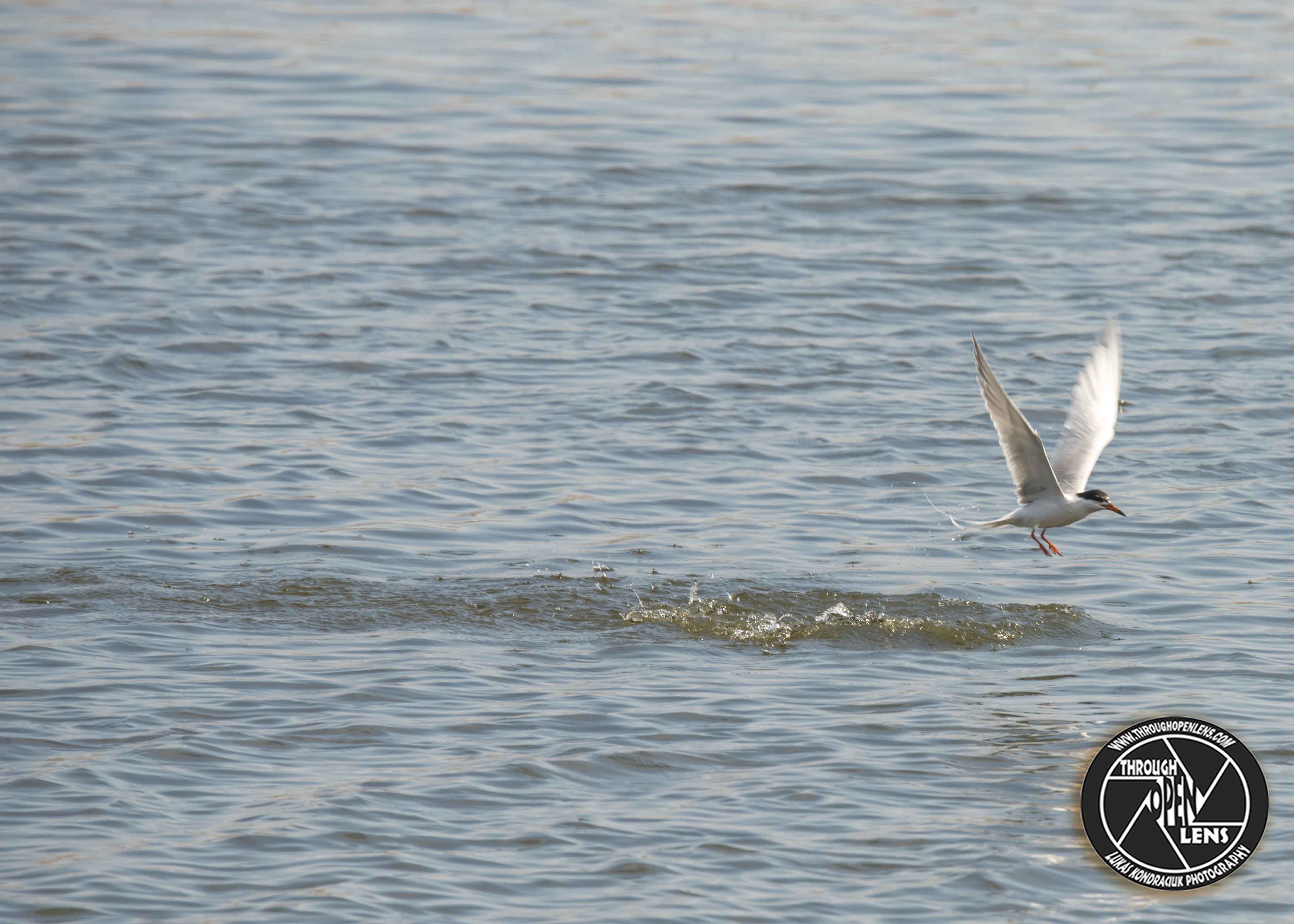
I Can Fly! What’s Your Superpower?

F/10.0, 1/400, ISO 160.

Common Tern

What do you call cheese that is not yours?

Nacho Cheese

Interesting Fact: Plunges into water from flight; may hover briefly before plunging. ( https://www.allaboutbirds.org/guide/Common_Tern/lifehistory )

Ask Us About Our Hole?

F/6.3, 1/125, ISO 320.

Eastern chipmunks

What do you call a rooster who wakes you up at the same time every morning?

An alarm cluck!

Interesting Fact: The eastern chipmunk defends its burrow and lives a solitary life, except during mating season. Females usually produce one or two litters of three to five young.[5] The two breeding seasons are from February to April and from June to August. During the winter, the chipmunk may enter long periods of torpor, but does not truly hibernate. ( https://en.wikipedia.org/wiki/Eastern_chipmunk )


I Wanna Rock!

F/6.3, 1/100, ISO 500.

Chipping Sparrow

Why do fish live in salt water?

Because pepper makes them sneeze.

Interesting Fact: In summer, male Chipping Sparrows defend territories against other Chipping Sparrows, but often tolerate other species as long as they don’t go too near the nest. After the breeding season, Chipping Sparrows form flocks of several dozen, foraging together among grasses and at bird feeders. Their flight pattern is energetic, straight, and only slightly undulating. ( https://www.allaboutbirds.org/guide/Chipping_Sparrow/lifehistory )


When In Doubt Chill Out!

F/8.0, 1/250, ISO 250.

Great Blue Heron

Why was strawberry sad?

Because her mom was in a jam.

Interesting Fact: Great Blue Herons nest mainly in trees, but will also nest on the ground, on bushes, in mangroves, and on structures such as duck blinds, channel markers, or artificial nest platforms. Males arrive at the colony and settle on nest sites; from there, they court passing females. Colonies can consist of 500 or more individual nests, with multiple nests per tree built 100 or more feet off the ground. ( https://throughopenlens.com/tag/great-blue-heron/ )

I Know I Know I Am Standing Up For Myself!

F/6.3, 1/160, ISO 320.

Common Gallinule

Why is there only one Yogi Bear?

Because when they tried to make another one, they made a Boo-Boo.

Interesting Fact: The long-toed Common Gallinule walks atop floating vegetation and soft soils in a crouched position while slowly flicking its tail up. Seldom do you see them fly, but when they do, their flight is labored. They stride through water pumping their head forward with tail held horizontally and wings held up over the back. ( https://www.allaboutbirds.org/guide/Common_Gallinule/lifehistory )


Oops, Wrong Tern!

F/7.1, 1/800, ISO 200.

Common Tern

What did the stamp say to the envelope?

Stick with me and we will go places!

Interesting Fact:  The incubating adult Common Tern flies off its nest to defecate 5-50 m (16-160 ft) away. It deposits its feces indiscriminately in nearby water or on the territories of other terns. ( https://www.allaboutbirds.org/guide/Common_Tern/lifehistory )

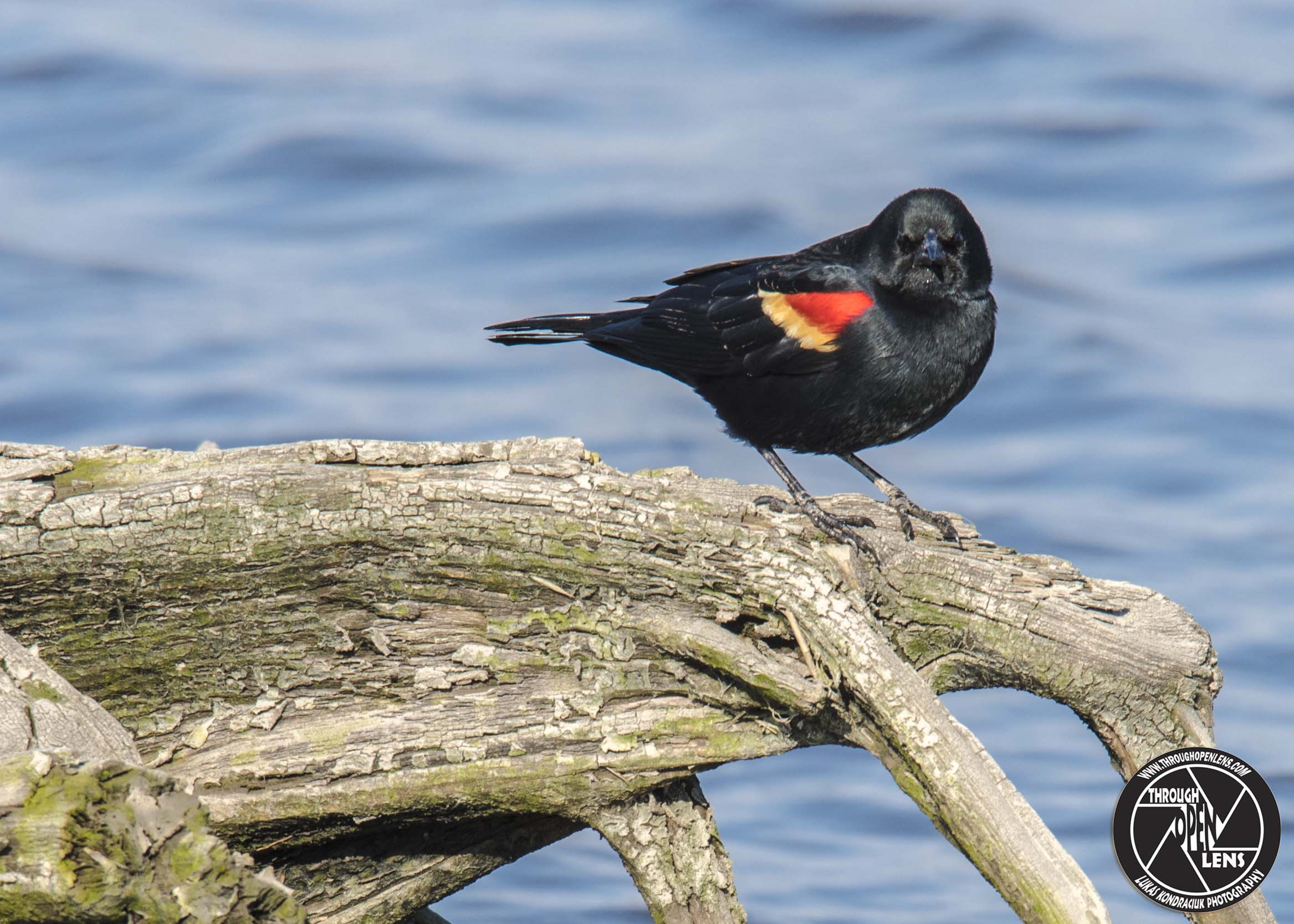
I Don’t Need Anger Management I Need People To Stop Pissing Me Off.

F/9.0, 1/320, ISO 320.

Red-winged Blackbird 

What did the ghost eat at his birthday party?

I scream

Interesting Fact: Male Red-winged Blackbirds spend much of the breeding season sitting on a high perch over their territories and singing their hearts out. Females tend to slink through reeds and grasses collecting food or nest material. Both males and females defend nests from intruders and predators. ( https://www.allaboutbirds.org/guide/Red-winged_Blackbird/lifehistory )

Just Checking If Gravity Still Works.

F/10.0, 1/400, ISO 200.

Great Egret

What did the inventor of the door knocker win?

The no bell prize.

Interesting Fact:  The male builds a nest platform from long sticks and twigs before pairing up with a female, and then both members of the pair may collaborate to complete the nest, though the male sometimes finishes it himself. The nest is up to 3 feet across and 1 foot deep. It is lined with pliable plant material that dries to form a cup structure. They don’t typically reuse nests from year to year. ( https://www.allaboutbirds.org/guide/Great_Egret/lifehistory )

I’m Sick Of Following My Dreams, Man. I’m Just Going To Ask Where They’re Going And Hook Up With ’em Later.

F/7.1, 1/200, ISO 320.

Palm Warbler

Why couldn’t Dracula’s wife get to sleep?

Because of his coffin.

Interesting Fact: The Palm Warbler, unlike most warblers, spends a lot of time walking on the ground and bobbing its tail as it goes—an obvious trait whether the bird is on the ground or perched in a tree or shrub. Despite its affinity for the ground it also forages and sings from taller trees and shrubs. It sometimes sallies out to grab an insect from a low shrub or tree like a flycatcher. ( https://www.allaboutbirds.org/guide/Palm_Warbler/lifehistory )