Life Is So Much Easier When You Just Chill Out.

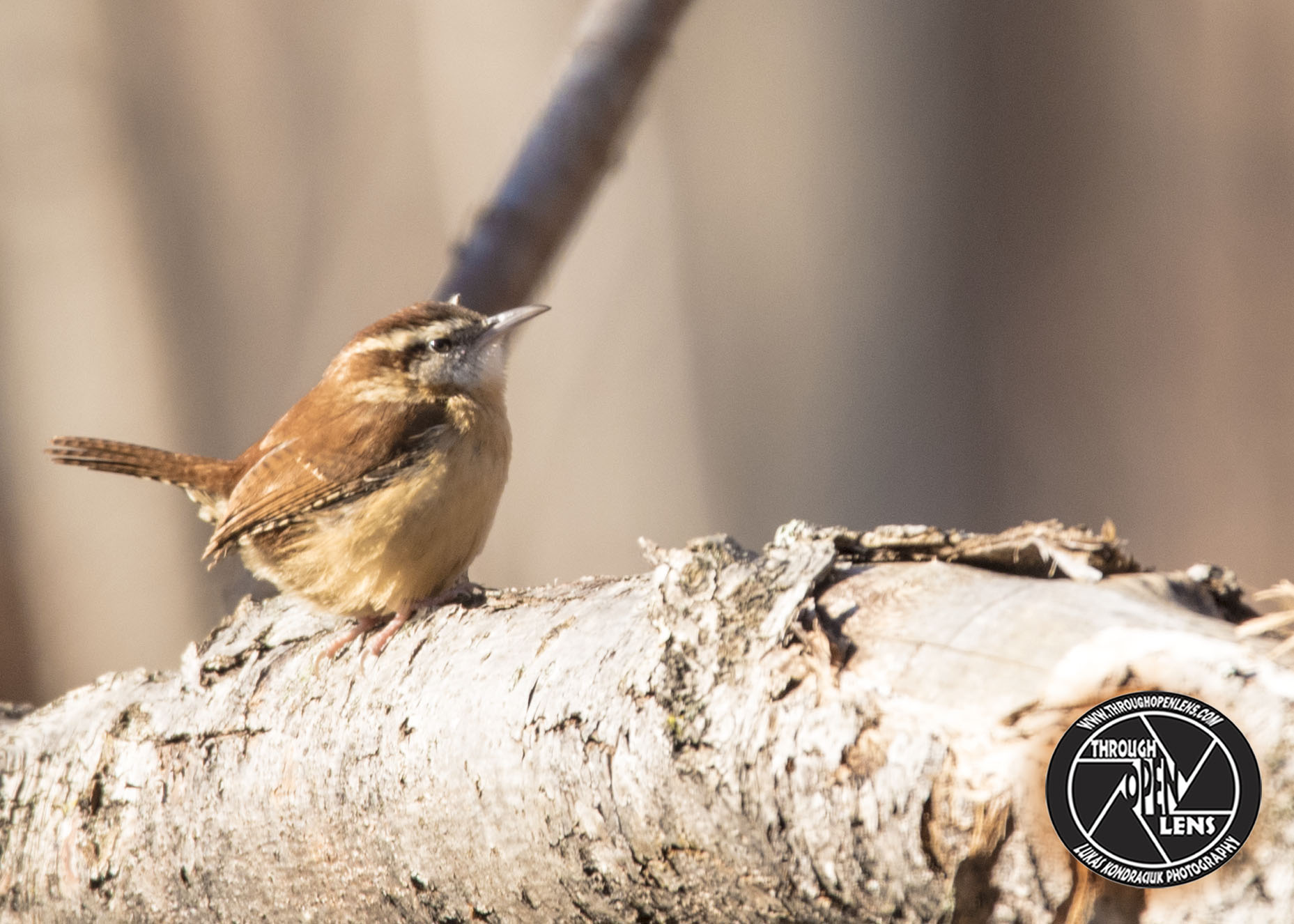
F/8.0, 1/250, ISO 400.

Carolina Wren

One day, during a lesson on proper grammar, the teacher asked for a show of hands from those who could use the word “beautiful” in the same sentence twice. First, she called on little Suzie, who responded with, “My father bought my mother a beautiful dress and she looked beautiful in it.”

“Very good, Suzie,” replied the teacher. She then called on little Michael. “My mommy planned a beautiful banquet and it turned out beautifully,” he said.

“Excellent, Michael!”

Then, the teacher called on Little Johnny. “Last night, at the dinner table, my sister told my father that she was pregnant, and he said, ‘Beautiful, …just #$&#*&^# beautiful!

Interesting Fact: One captive male Carolina Wren sang nearly 3,000 times in a single day. ( https://www.allaboutbirds.org/guide/Carolina_Wren/lifehistory )

Say What?!

F/8.0, 1/250, ISO 320.

Tufted Titmouse

Why are hairdressers never late for work?

Because they know all the short cuts!

Interesting Fact: Tufted Titmice live in deciduous woods or mixed evergreen-deciduous woods, typically in areas with a dense canopy and many tree species. They are also common in orchards, parks, and suburban areas. Generally found at low elevations, Tufted Titmice are rarely reported at elevations above 2,000 feet. ( https://www.allaboutbirds.org/guide/Tufted_Titmouse/lifehistory )


He Can Be A Real Pecker !

red-bellied-woodpecker-1

F/ 6.3, 1/125, ISO 1100.

Red-Bellied Woodpecker

An New York woodpecker and a Florida woodpecker were in New York arguing about which state had the toughest trees to peck. The New Yorker

woodpecker said that they had a tree there that no woodpecker can peck.

The Florida woodpecker challenged him and was able to peck a hole in the tree with no problem. The New Yorker woodpecker was in awe!

The Florida woodpeck then challenged the New Yorker woodpecker to come to Florida and try to peck this certain tree there that no woodpecker had

ever been able to peck successfully.

The NewYorker woodpecker said he was sure he would be able to do it. So, after flying down to Florida, he successfully pecked the tree!

The two woodpeckers then had a discussion about why they were each unable to peck those trees in their own states. After thinking about this problem

for some time, they both came to the same conclusion: “Your pecker is always harder when you’re away from home…”


Interesting Fact: You may sometimes see Red-bellied Woodpeckers wedge large nuts into bark crevices, then whack them into manageable pieces using their beaks. They also use cracks in trees and fence posts to store food for later in the year, a habit it shares with other woodpeckers in its genus. ( https://www.allaboutbirds.org/guide/Red-bellied_Woodpecker/lifehistory )


You Quack Me Up!

F/9.0, 1/320, ISO 250.

Northern Shoveler

At what time does a duck wake up?

At the quack of dawn.

Interesting Fact: When flushed off the nest, a female Northern Shoveler often defecates on its eggs, apparently to deter predators. ( https://www.allaboutbirds.org/guide/Northern_Shoveler/overview )

Kris Kross Will Make You Jump Jump!

F/11.0, 1/500, ISO 200.

Snowy Egret

Why did the barber win the race?

Because he took a short cut.

Interesting Fact:  Male and female Snowy Egrets take turns incubating their eggs. As one mate takes over for the other, it sometimes presents a stick, almost as if passing a baton. Both parents continue caring for the young when they hatch. ( https://www.allaboutbirds.org/guide/Snowy_Egret/lifehistory )

I Meant To Be Good But There Were Too Many Other Options!

ruby-crowned-kinglet

F/8.0, 1/250, ISO 640.

Ruby-crowned Kinglet

teacher asked : Why are you late for school?

Bobby: Because of the Sign.

Teacher : What Sign?

Bobby : The sign that says “School ahead go slow”

Interesting Fact: The Ruby-crowned Kinglet is a tiny bird that lays a very large clutch of eggs—there can be up to 12 in a single nest. Although the eggs themselves weigh only about a fiftieth of an ounce, an entire clutch can weigh as much as the female herself. ( https://www.allaboutbirds.org/guide/Ruby-crowned_Kinglet/lifehistory )

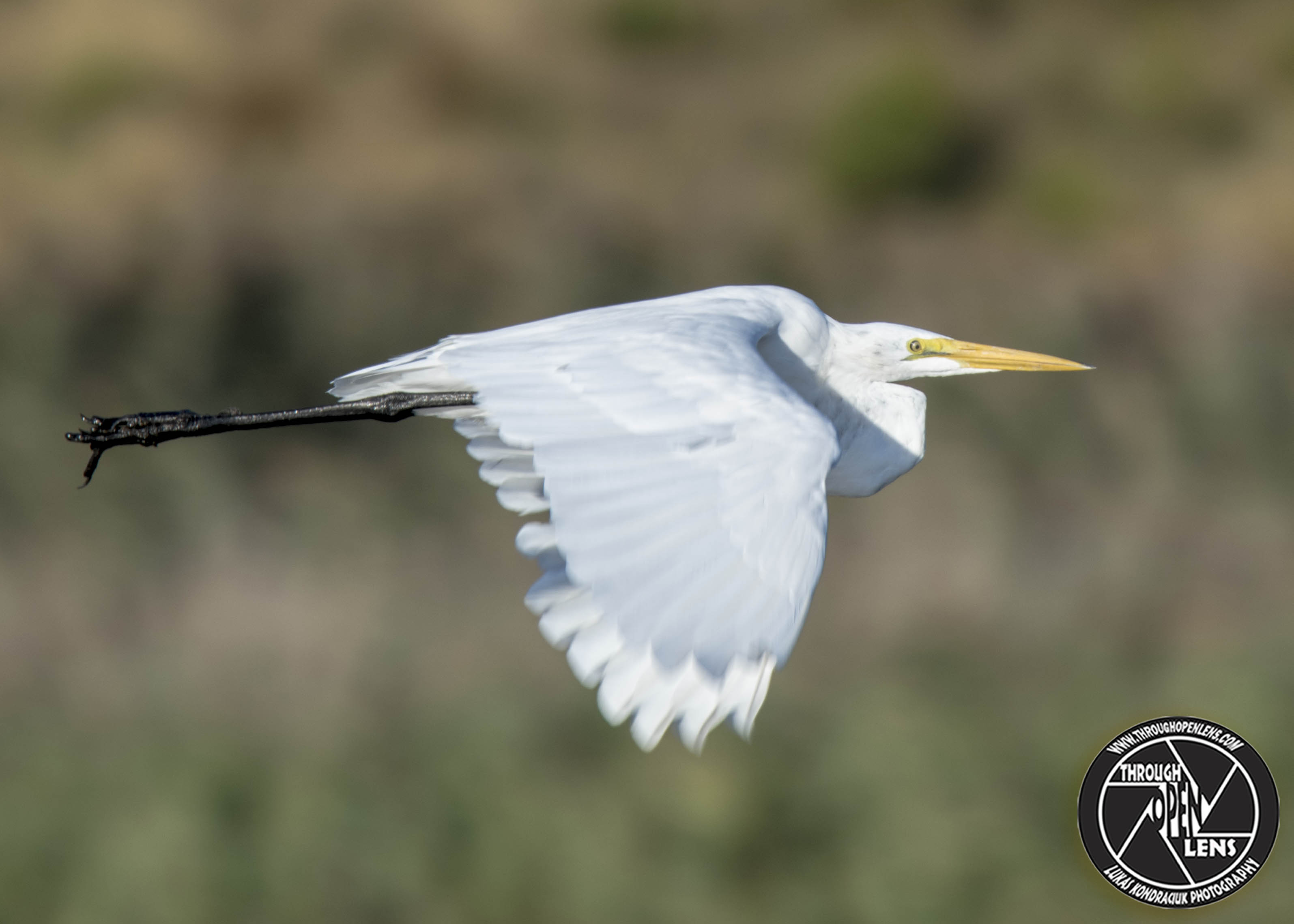
Your Wings Already Exist All You Have To Do Is Fly

F/9.0, 1/320, ISO 200.

Great Egret 

Why did the reporter rush into the ice cream shop?

He was looking for a scoop.

Interesting Fact: Not all young that hatch survive the nestling period. Aggression among nestlings is common and large chicks frequently kill their smaller siblings. This behavior, known as siblicide, is not uncommon among birds such as hawks, owls, and herons, and is often a result of poor breeding conditions in a given year. ( https://www.allaboutbirds.org/guide/Great_Egret/lifehistory )

I Can See Your Butt Quack!

F/6.3, 1/500, ISO 250.

Northern Pintail 

Why are celebrities so cool?

They have a lot of fans.

Interesting Fact: Northern Pintails migrate at night at speeds around 48 miles per hour. The longest nonstop flight recorded for a Northern Pintail was 1,800 miles. ( Northern Pintail Overview, All About Birds, Cornell Lab of Ornithology )


Simon Says, Pause!

F/5.3, 1/160, IOS 800.

Great Blue Heron 

What do you call when Batman skips out on church?

Christian Bale.

Interesting Fact: Great Blue Herons have specialized feathers on their chest that continually grow and fray. The herons comb this “powder down” with a fringed claw on their middle toes, using the down like a washcloth to remove fish slime and other oils from their feathers as they preen. Applying the powder to their underparts protects their feathers against the slime and oils of swamps. ( Great Blue Heron Overview, All About Birds, Cornell Lab of Ornithology )


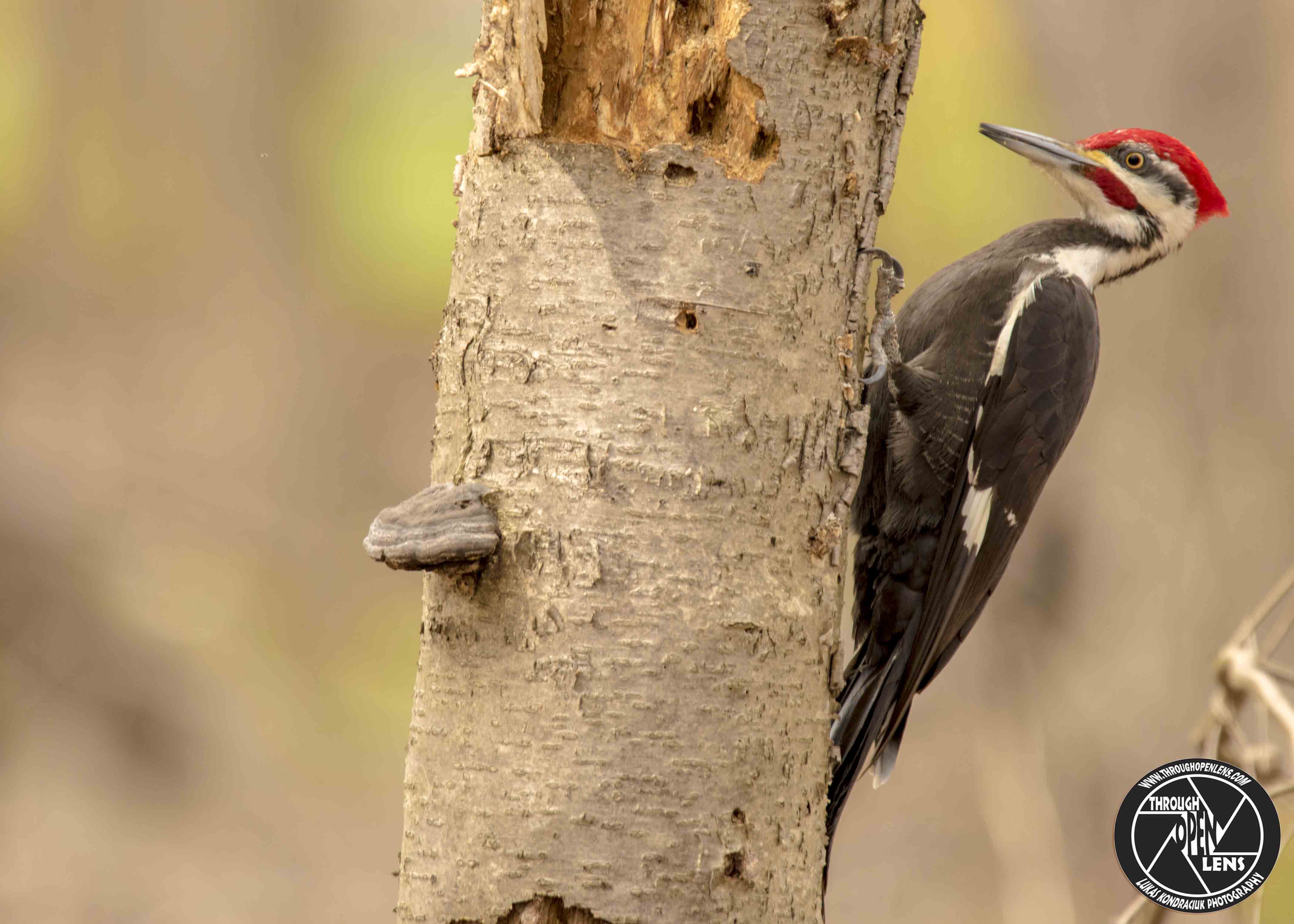
CAUTION! Headbanging In Progress!

F/6.3, 1/125, ISO 320.

Pileated Woodpecker 

What does a house wear?

Address.

Interesting Fact: Pileated Woodpeckers forage in large, dead wood—standing dead trees, stumps, or logs lying on the forest floor. They make impressive rectangular excavations that can be a foot or more long and go deep inside the wood. These holes pursue the tunnels of carpenter ants, the woodpecker’s primary food. ( Pileated Woodpecker Life History, All About Birds, Cornell Lab of Ornithology )