I Give High A New Meaning!

F/13.0, 1/640, ISO 320.

Northern Harrier

What did the eggs say when the cops showed up?

Everybody scramble!

Interesting Fact: Northern Harriers hunt mostly small mammals and small birds, but they are capable of taking bigger prey like rabbits and ducks. They sometimes subdue larger animals by drowning them. ( https://www.allaboutbirds.org/guide/Northern_Harrier )

A Little Mud Never Hurt Anyone!

F/10.0, 1/400, ISO 320.

Northern Pintail Ducks

What did one tube of glue say to the other tube of glue?

We have to stick together.

Interesting Fact: Males and females also lift their chins to greet each other and sometimes tip their chins when threatened. Pairs form on the wintering grounds, but males often mate with other females on the breeding grounds, and pairs only stay together for a single breeding season. Courting males stretch their necks up and tip their bills down while giving a whistle call. Males also preen behind their wing to expose the green speculum. Interested females follow males with head bobbing, preening, and clucking. ( https://www.allaboutbirds.org/guide/Northern_Pintail/lifehistory )


And Since I Have No Place To Go Let It Snow, Let It Snow, Let It Snow.

F/7.1, 1/200, ISO 320.

Northern Cardinal Female

Why did the baseball coach throw Cinderella off the team?

Because she ran away from the ball.

Interesting Fact: A week or two before the female starts building, she starts to visit possible nest sites with the male following along. The pair call back and forth and hold nesting material in their bills as they assess each site. Nests tend to be wedged into a fork of small branches in a sapling, shrub, or vine tangle, 1-15 feet high and hidden in dense foliage. ( https://www.allaboutbirds.org/guide/Northern_Cardinal/lifehistory )


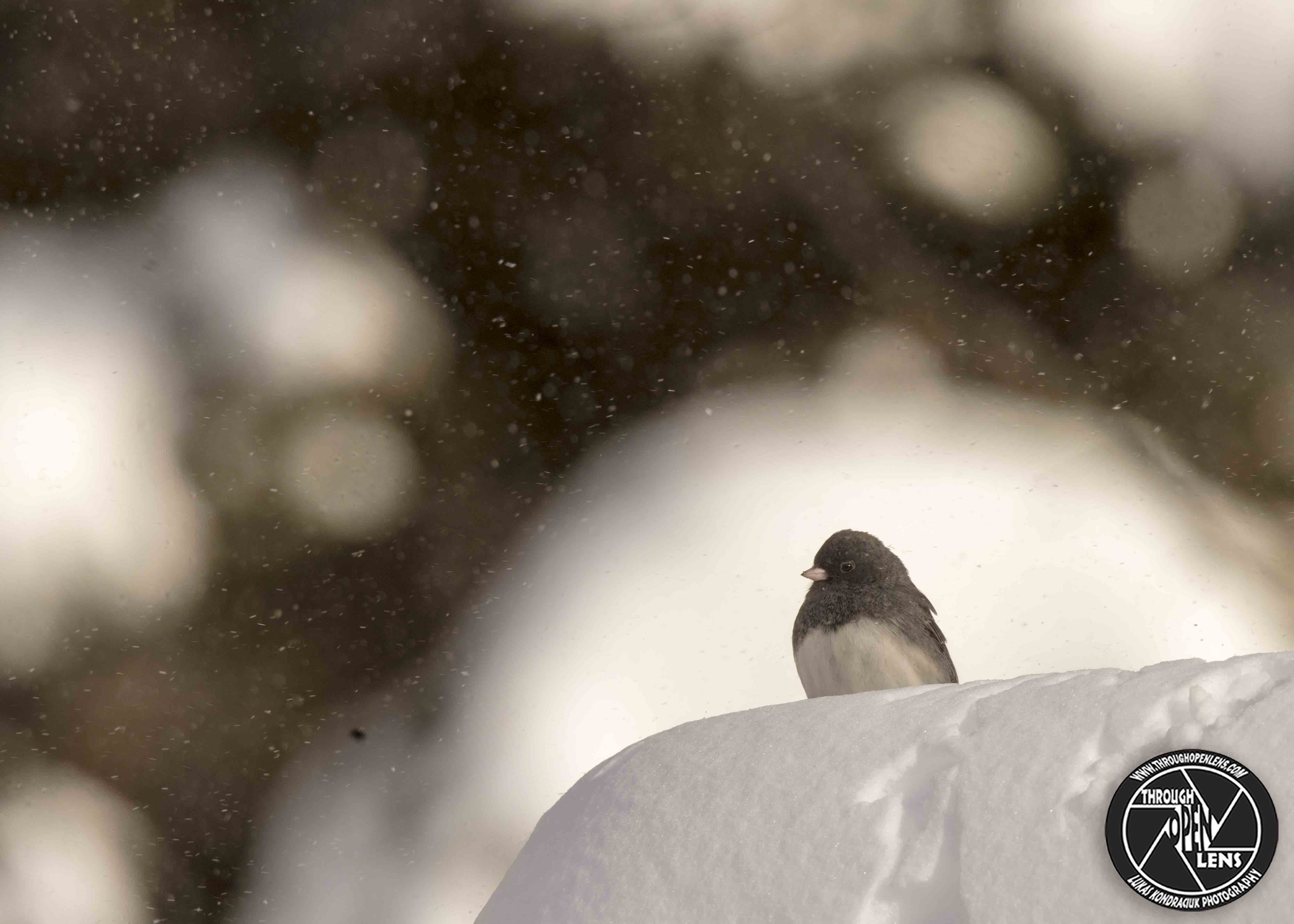
Cold Doesn’t Bother Me Anyway.

F/6.3, 1/160, ISO 320.

Dark-eyed Junco 

What do ghosts serve for dessert?

I Scream.

Interesting Fact: The female chooses the nest site, typically in a depression or niche on sloping ground, rock face, or amid the tangled roots of an upturned tree. Around people, juncos may nest in or underneath buildings. Occasionally, juncos nest above the ground on horizontal branches (rarely as high as 45 feet), window ledges, and in hanging flower pots or light fixtures. ( https://www.allaboutbirds.org/guide/Dark-eyed_Junco/lifehistory )


Let It Snow!

F/10.0, 1/800, ISO 250.

Dark-eyed Junco

What do you call an old snowman?

Water!

Interesting Fact: The oldest recorded Dark-eyed Junco was at least 11 years, 4 months old when it was recaptured and rereleased during banding operations in West Virginia in 2001. It had been banded in the same state in 1991. ( https://www.allaboutbirds.org/guide/Dark-eyed_Junco/lifehistory )

A Bird Does Not Sing Becauces It Has An Answer. It Sings Because It Has A Song.

F/6.3, 1/100, ISO 320.

Tufted Titmouse

What is the snowman’s breakfast?…

Frosted flakes!

Interesting Fact: The Black-crested Titmouse of Texas and Mexico has at times been considered just a form of the Tufted Titmouse. The two species hybridize where they meet, but the hybrid zone is narrow and stable over time. They differ slightly in the quality of their calls, and show genetic differences as well. ( https://www.allaboutbirds.org/guide/Tufted_Titmouse/lifehistory )

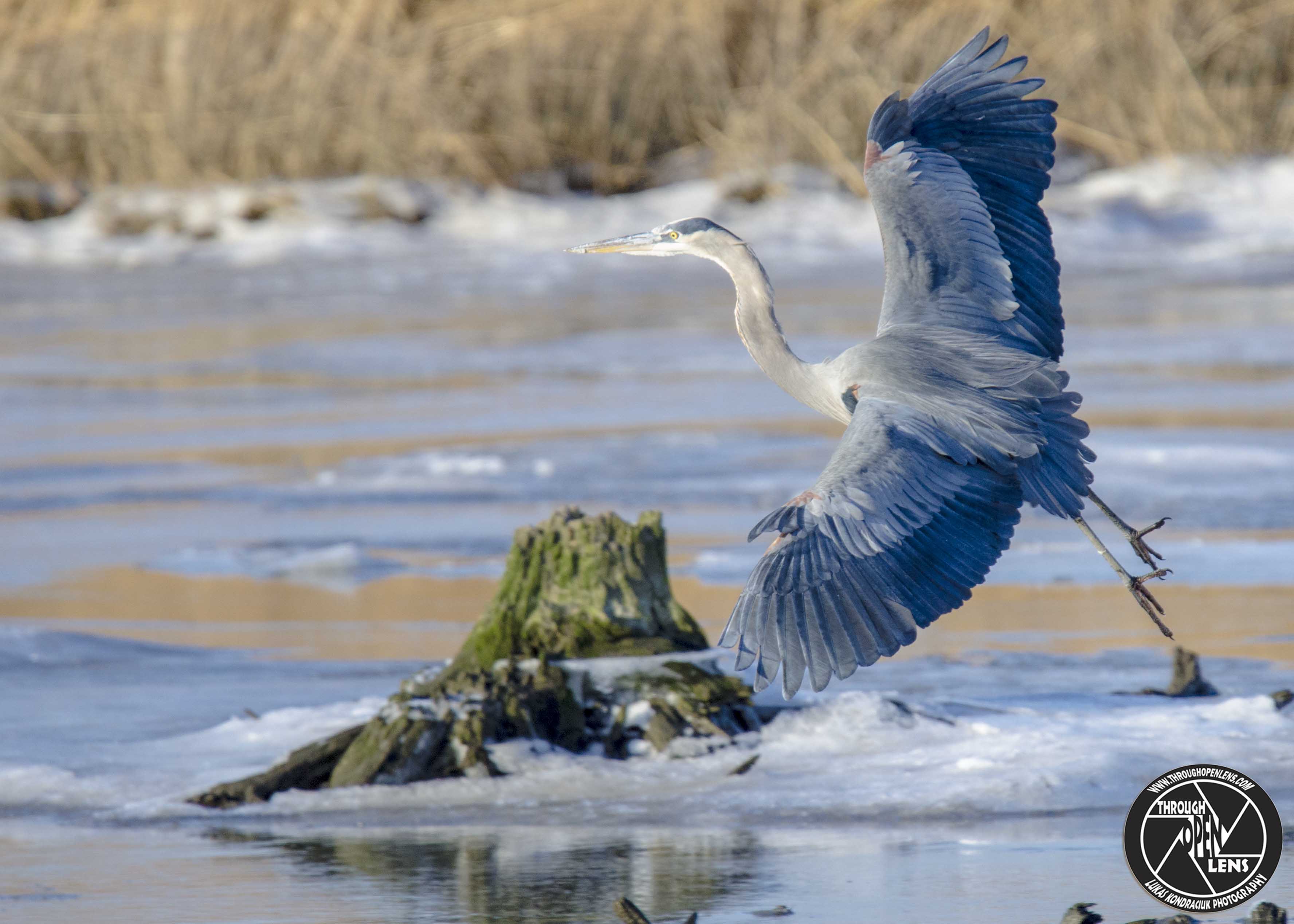
I Spread My Wings And I Fly!

F/6.3, 1/1000, ISO 640.

Great Blue Heron 

Why did the student wear eye-glasses in math class?

It improved DiVision !

Interesting Fact:  In flight the Great Blue Heron folds it neck into an “S” shape and trails its long legs behind, dangling them as it prepares to land or when courting. ( https://www.allaboutbirds.org/guide/Great_Blue_Heron/lifehistory )

Steady As She Goes!

F/6.3, 1/500, ISO 250.

Northern Pintail Duck

What did the salad say to the fridge?

Shut the door, I’m dressing!

Interesting Fact: Seemingly at home on land and water, Northern Pintails waddle through fields and swim gracefully with the tail pointed upwards. They erupt in flight from the water’s surface at a moment’s notice, wheeling and darting through the air on their slender wings.  ( https://www.allaboutbirds.org/guide/Northern_Pintail/lifehistory )


Is Your Tail Up For A Reason Or You Just Happy To See Me?!

F/9.0, 1/320, ISO 250.

Ruddy Duck

Why are Christmas trees so bad at sewing?

They always drop their needles!

Interesting Fact:  Unlike most ducks, they form pairs only after arriving on the breeding grounds each year. Males perform unusual courtship displays in which they stick their tails straight up while striking their bills against their inflated necks, creating bubbles in the water as air is forced from their feathers. They punctuate the end of the display with a belch-like call. Courting males also lower their tails and run across the water, making popping sounds with their feet. ( https://www.allaboutbirds.org/guide/Ruddy_Duck/lifehistory )

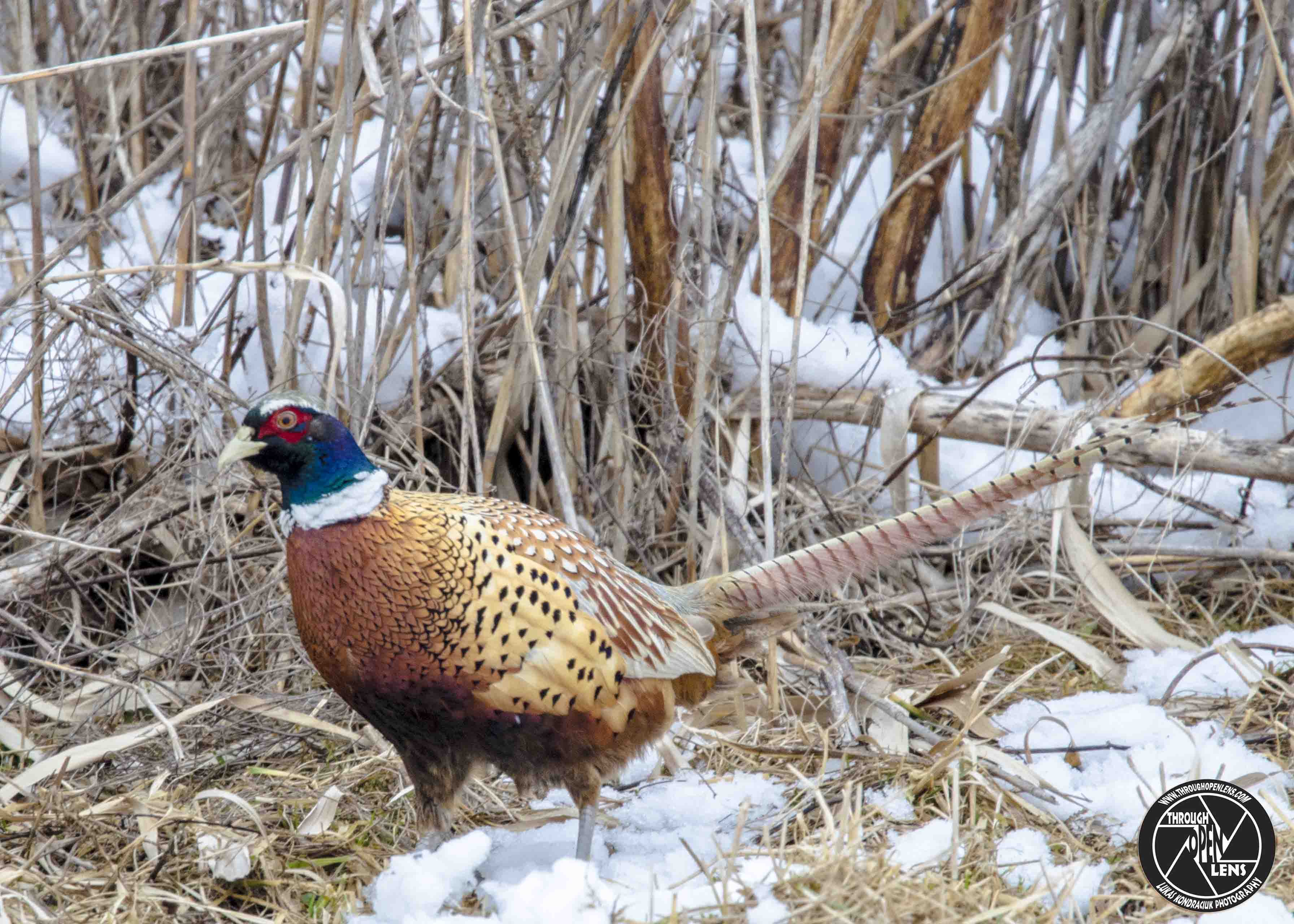
You Are Full Of It!

F/6.3, 1/250, ISO 1600.

Ring-Necked Pheasant

How do snowmen get around?

They ride an icicle!

Interesting Fact: Male Ring-necked Pheasants may harass other ground-nesting birds, such as the Gray Partridge and the Greater Prairie-Chicken. Female pheasants sometimes lay their own eggs in these birds’ nests. This may explain why some male pheasants have been seen chasing away male prairie-chickens and courting females—the pheasants may have been raised in prairie-chicken nests and imprinted on the wrong species. ( https://www.allaboutbirds.org/guide/Ring-necked_Pheasant# )