Ehh, What’s Up Duck?

F/5.6, 1/500, ISO 200.

Mallard 

Why did the duck cross the road?

Because there was a quack in the sidewalk. 

Interesting Fact:  Ducks have webbed feet, which they use for paddling beneath the water. Their feet have no nerves or blood vessels, which mean that they won’t feel chill from swimming in icy water. ( https://americanexpedition.us/mallard-duck-information-facts-photos-and-artwork )

If You Talking About My Neck, I’m Not Responsible For What Happens Next…

F/9.0, 1/320, ISO 160.

Great Egret 

Why are pirates so mean?

I don’t know, they just arrrrrrrrr!

Interesting Fact: Males choose the display areas, where nests are later constructed. The nest itself is up to 100 feet off the ground, often over water, usually in or near the top of a shrub or tree such as a redwood, tamarisk, live oak, eastern redcedar, yaupon holly, wax myrtle, mangrove, Australian pine, buttonwood, Brazilian pepper, black willow, or privet. Great Egrets occasionally nest on the ground or on artificial platforms. ( https://www.allaboutbirds.org/guide/Great_Egret/lifehistory )

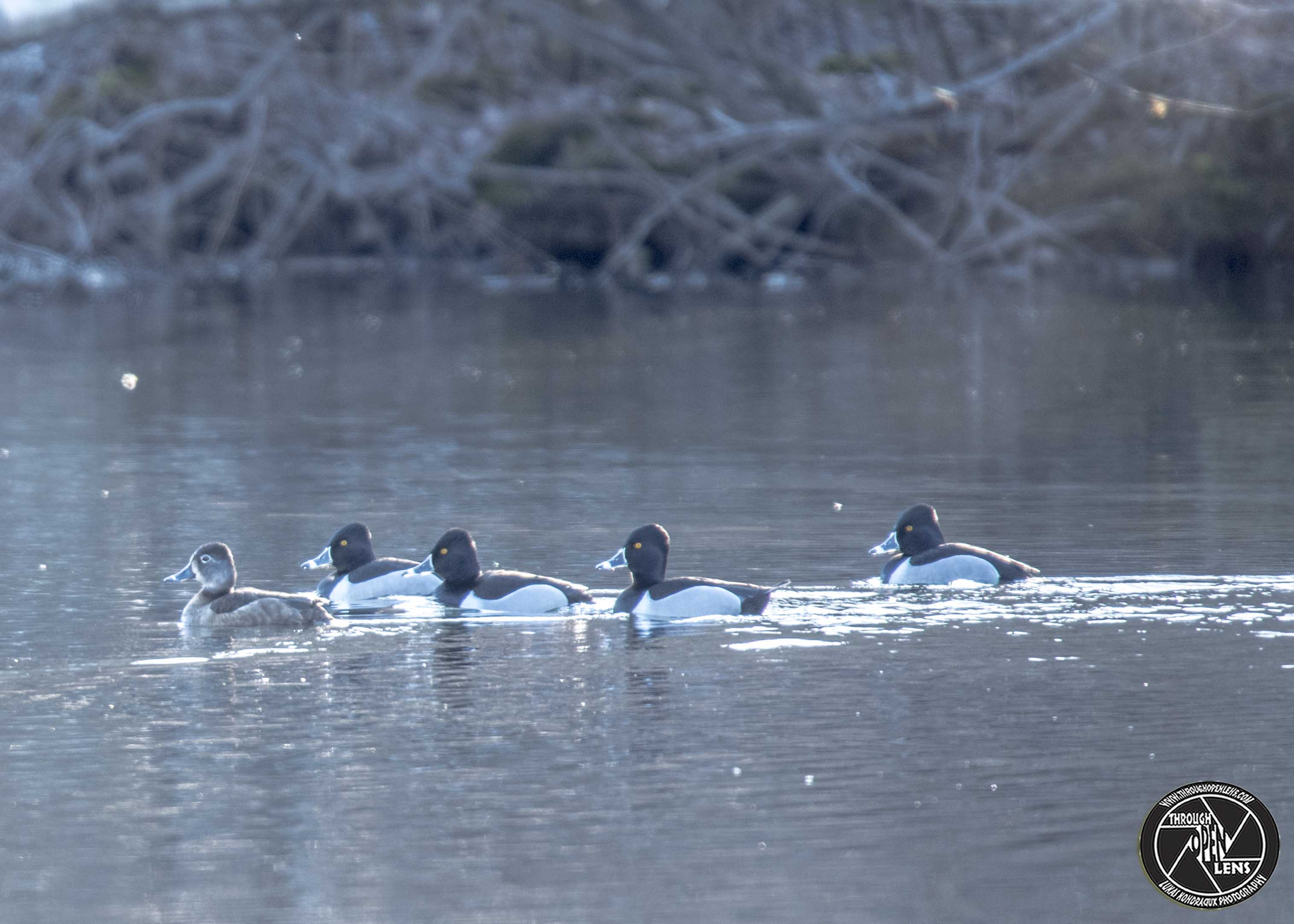
One Lucky Gal!

F/6.3, 1/250, ISO 500.

Ring-necked Duck

Why can’t you hear a pterodactyl in the bathroom?

Because it has a silent pee.

Interesting Fact: Ring-necked Ducks put their nests among dense sedges and other emergent plants in marshes. Pairs choose these sites by swimming at the vegetation edge or by making low circling flights over potential spots. They typically build their nests directly over the water or on floating vegetation; this helps protect the nests from land-based predators. ( https://www.allaboutbirds.org/guide/Ring-necked_Duck/lifehistory )

I’m Over Here!

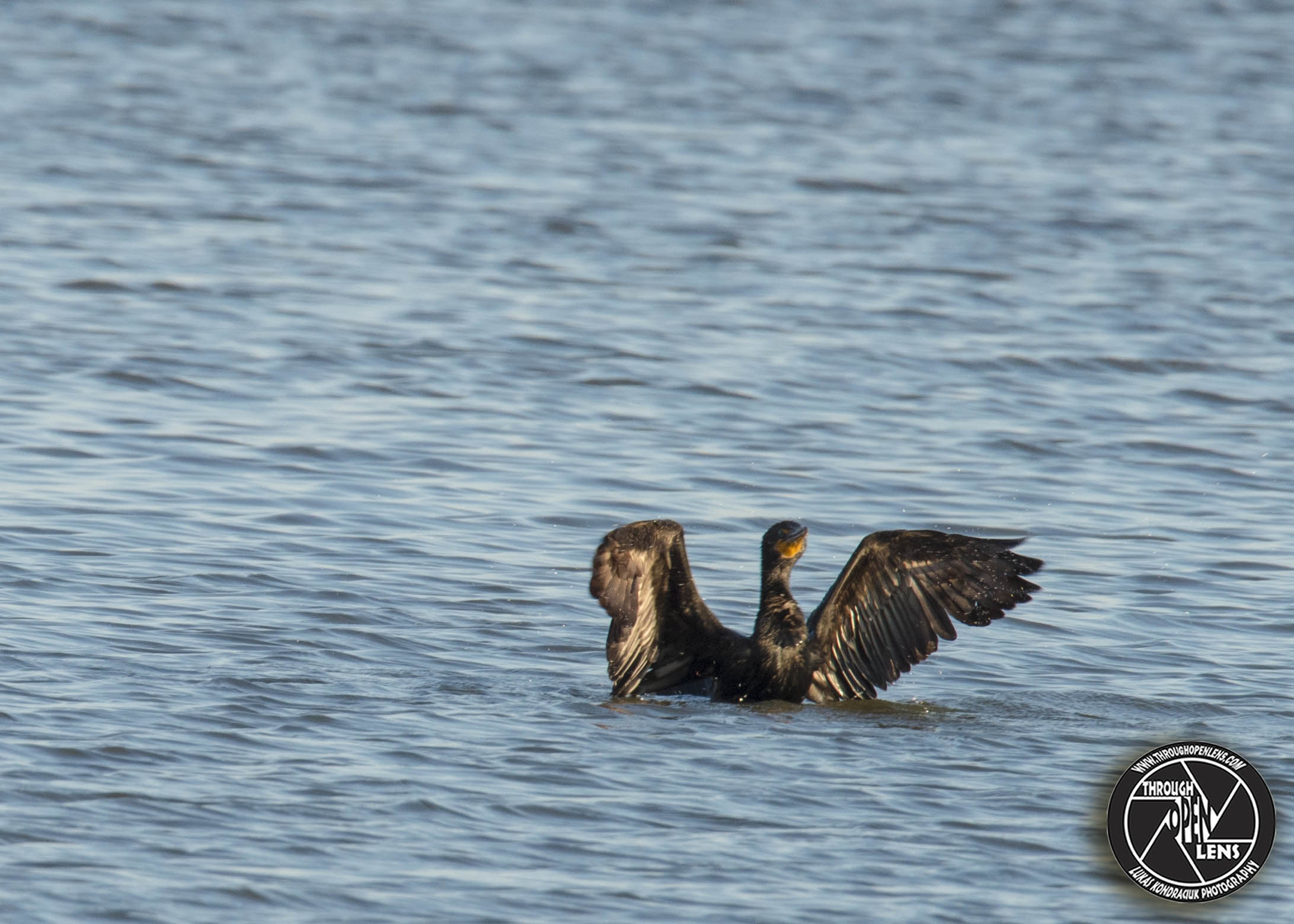
F/13.0, 1/640, ISO 320.

Double-crested Cormorant

Teacher called on a student in the classroom:

Teacher: Name two days of the week that start with “t”.

Student: Today and Tomorrow

Interesting Fact: Double-crested Cormorant nests often are exposed to direct sun. Adults shade the chicks and also bring them water, pouring it from their mouths into those of the chicks. ( https://www.allaboutbirds.org/guide/Double-crested_Cormorant/lifehistory )

Take Off And See Whats Out There!

F/7.1, 1/200, ISO 400.

Common Merganser ( Female )

Why was the baby strawberry crying?

Because her mom and dad were in a jam.

Interesting Fact: The female chooses the nest site, which is usually in a natural cavity or woodpecker hole in a live or dead tree, up to 100 feet off the ground and within a mile of water. Common Mergansers nest less frequently in rock crevices, old sheds, chimneys, lighthouses, holes in banks, holes in the ground, hollow logs, and burrows. They readily nest in boxes, including those designed for the much smaller Common Goldeneye. Sometimes they nest on the ground. ( https://www.allaboutbirds.org/guide/Common_Merganser/lifehistory )

Grow Old With Me.

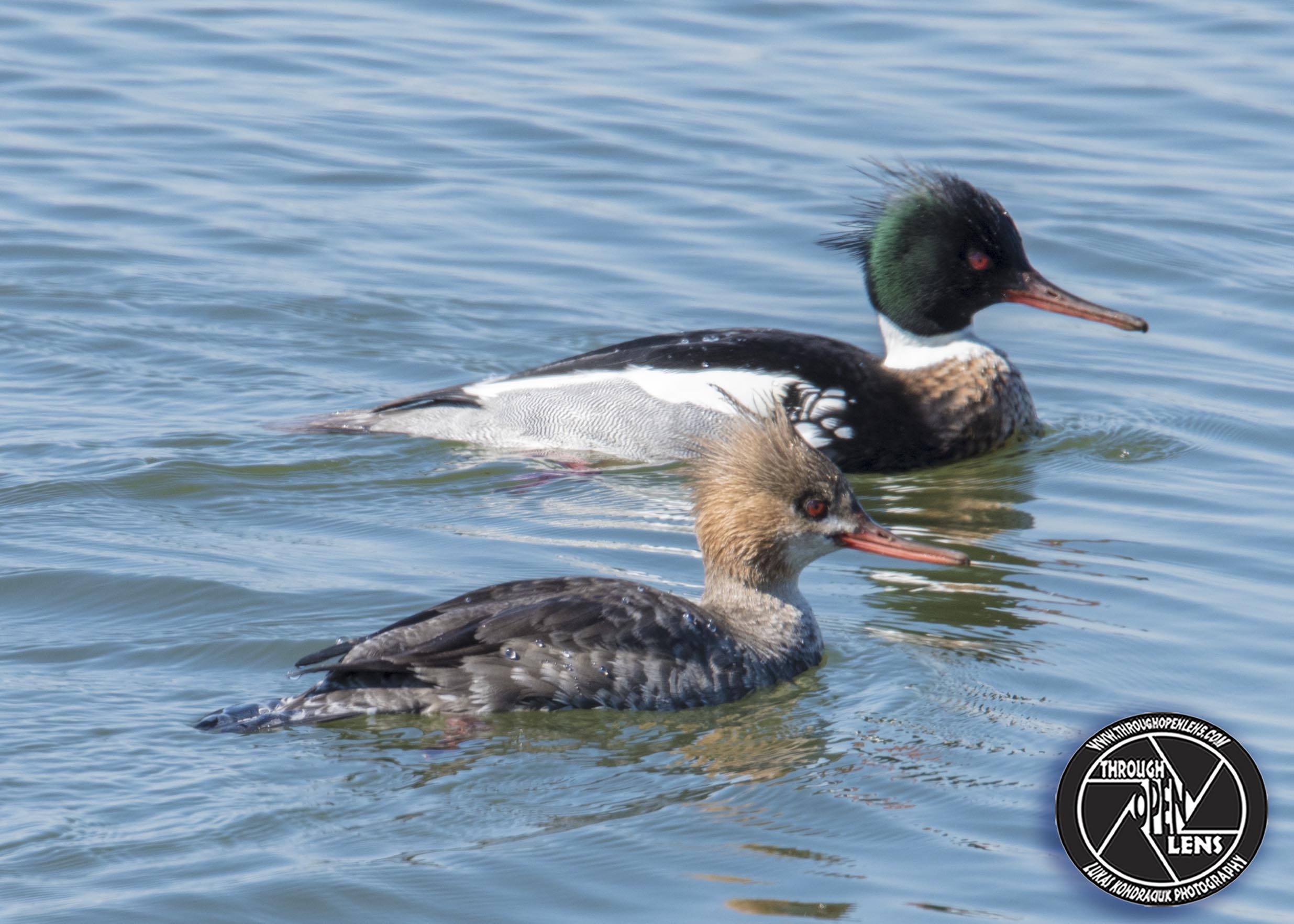
F/9.0, 1/320, ISO 200.

Red-breasted Mergansers

Why did the boy eat his homework?

Because his teacher said it was a piece of cake!

Interesting Fact: The oldest recorded Red-breasted Merganser was a female, and at least 9 years, 6 months old when she was shot in Alaska, the same state where she had been banded. ( https://www.allaboutbirds.org/guide/Red-breasted_Merganser/lifehistory )

You Really Quack Me Up!

F/10.0, 1/400, ISO 320.

Ruddy Duck

Did you hear about the duck who thought he was a squirrel?

It was one tough nut to quack.

Interesting Fact: Migrating Ruddy Ducks stop in a variety of habitats, most often on large, permanent wetlands, lakes, and reservoirs. They spend the winter throughout the southern half of the breeding range, also moving into wintering habitat that spans most of the United States and extends through Mexico to Central America. Their wintering habitat includes freshwater wetlands, lakes, and reservoirs as well as brackish bays, coastal marshes, and tidal estuaries. ( https://www.allaboutbirds.org/guide/Ruddy_Duck/lifehistory )

You’re Duckie And Thats No Wise Quacky!

F/8.0, 1/250, ISO 200.

Common Eider ( Males )

What did the duck say when he dropped the dishes?

“I hope I didn’t quack any!”

Interesting Fact: A colorful duck of the northern seacoasts, the Common Eider is the largest duck in the Northern Hemisphere. ( https://identify.whatbird.com/obj/1095/overview/Common_Eider.aspx )

My Eyes Always Come Out Red In Photos

F/ 6.3, 1/640, ISO 200.

Canvasback

“Doctor, doctor, my wife thinks she’s a duck.”

“You better bring her in to see me straight away.”

“I can’t do that – she’s already flown south for the winter.”  

Interesting Fact: The species name of the Canvasback, Aythya valisineria, comes from Vallisneria americana, or wild celery, whose winter buds and rhizomes are its preferred food during the nonbreeding period.  ( https://www.allaboutbirds.org/guide/Canvasback/lifehistory )

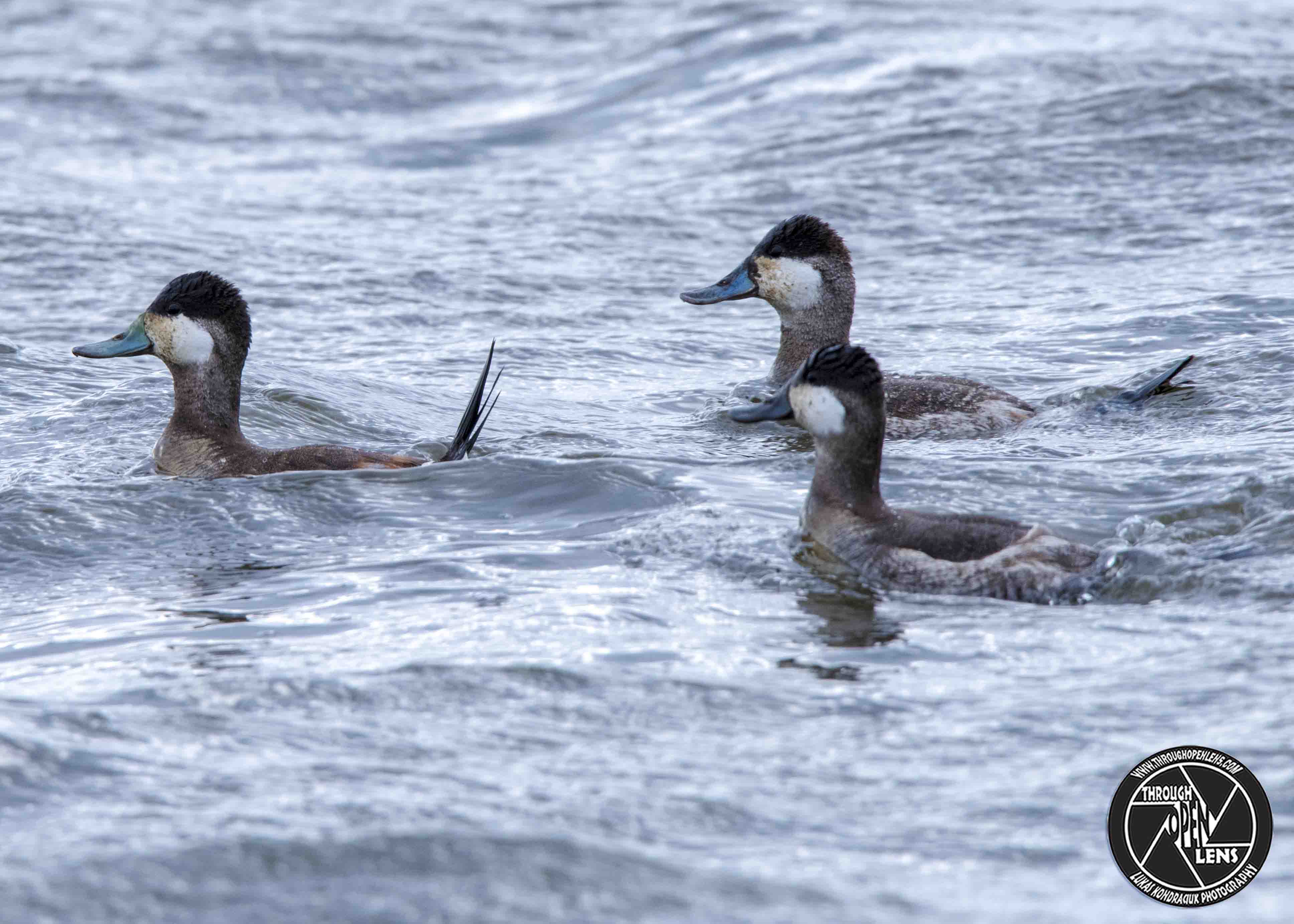
You Know What Guys I Am Getting Sick Of The V Formation!

F/10.0, 1/400, ISO 640.

Ruddy Duck

What do you get when you put four ducks in a box?

A box of quackers!

Interesting Fact: The Ruddy Duck has spiky tail feathers that are used in courtship displays. ( http://identify.whatbird.com/obj/116/overview/Ruddy_Duck.aspx )