People Say Nothing Is Impossible, But I Do Nothing Every Day.

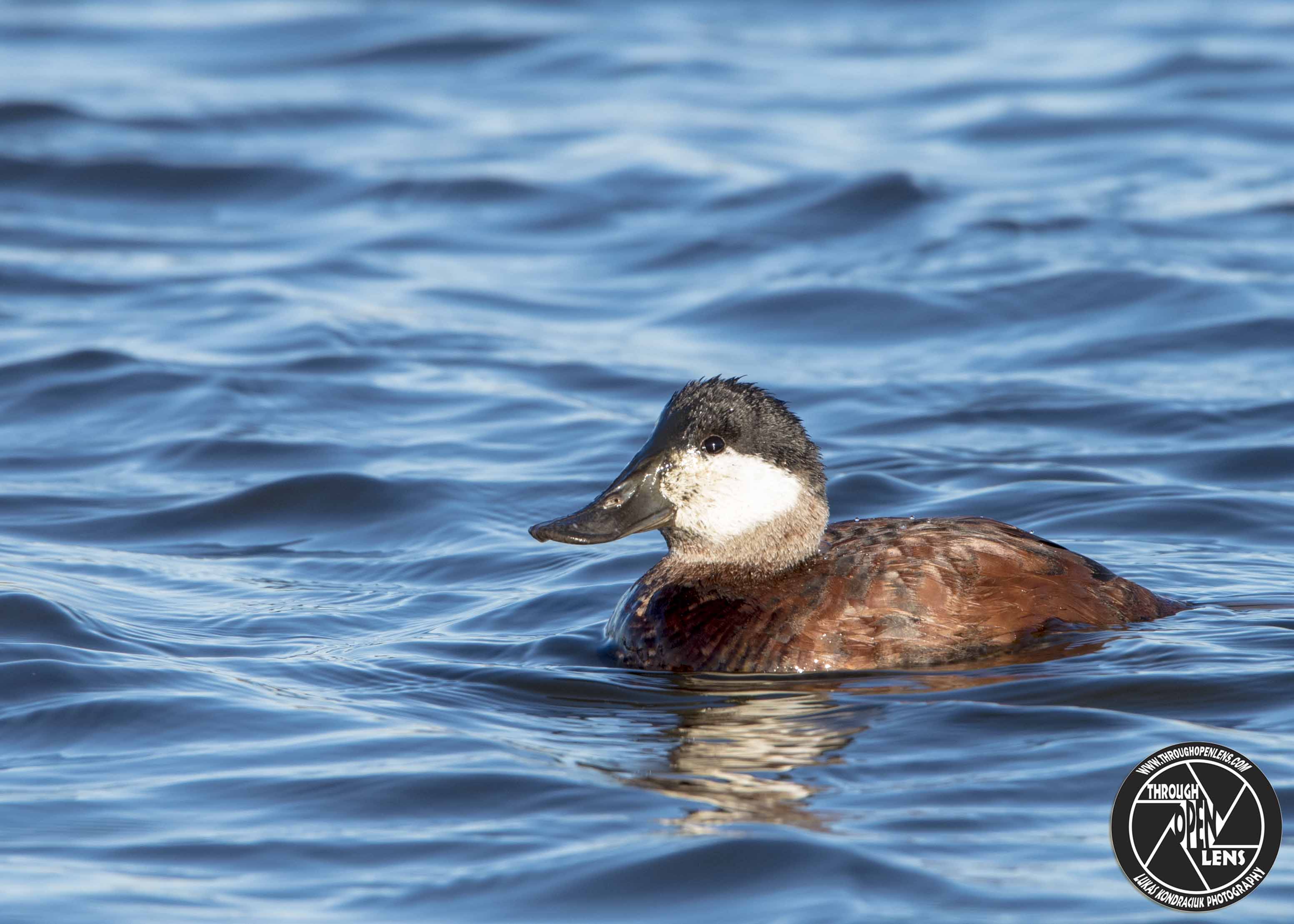
F/10.0, 1/400, ISO 250.

Ruddy Duck 

Why are mountains so funny?

Because they are hill areas.

Interesting Fact: Most males pair up with one female each for the duration of the breeding season, but some take multiple mates. Their eggs are proportionally the largest of all waterfowl. The ducklings hatch well-developed and active, receiving minimal care from the mother and none from the father. Ducklings are preyed upon by Black-crowned Night-Herons, Ring-billed Gulls, California Gulls, mink, and raccoons. ( https://www.allaboutbirds.org/guide/Ruddy_Duck/lifehistory )


Life Is Only A Reflection Of What We Allow Ourselves To See

mallard-5

F/7.1, 1/200, ISO 320.

Mallard

A duck waddles into a card shop, he waddles his way to the front desk asking the clerk, Do you got any tape?

The clerk replies, No. So the duck waddles away. The very next day at the same time the same duck waddles into the Card Shop he waddles right up to that same clerk asking him, Do you have any tape?

The clerk looking irritated replying in a stern voice, No! We are a card shop we sell cards not tape! And if you ask me again I will nail your bill to the counter!

So the duck just waddles away. At the same time the next day the Duck is waddling into that same card shop He waddles right up to that same clerk asking him, do you have any nails? The clerk says, no. Then the duck replied good!! So do you have any tape?

Interesting Fact: Mallard pairs form long before the spring breeding season. Pairing takes place in the fall, but courtship can be seen all winter. Only the female incubates the eggs and takes care of the ducklings. ( https://www.allaboutbirds.org/guide/Mallard/lifehistory )

That Ducking Motherquacker!

F/10.0, 1/1600, ISO 800. 

Common Merganser

What’s the secret to telling a good postman joke?

It’s all in the delivery

Interesting Fact: Males chase each other during communal courtship displays, sometimes bumping or striking each other. Females sometimes lay their eggs in other ducks’ nests, including other Common Mergansers as well as Hooded Mergansers or Common Goldeneyes.  ( https://www.allaboutbirds.org/guide/Common_Merganser/lifehistory )

Keep On Knockin!

F/8.0, 1/800, ISO 800.

Red-Bellied Woodpecker 

What did one traffic light say to the other?

Don’t look at me while I’m changing!

Interesting Fact: These birds often stick to main branches and trunks of trees, where they hitch in classic woodpecker fashion, leaning away from the trunk and onto their stiff tail feathers as they search for food hiding in bark crevices. ( https://www.allaboutbirds.org/guide/Red-bellied_Woodpecker/lifehistory )


Hush, little baby, don’t say a word, Mama’s gonna buy you a mockingbird

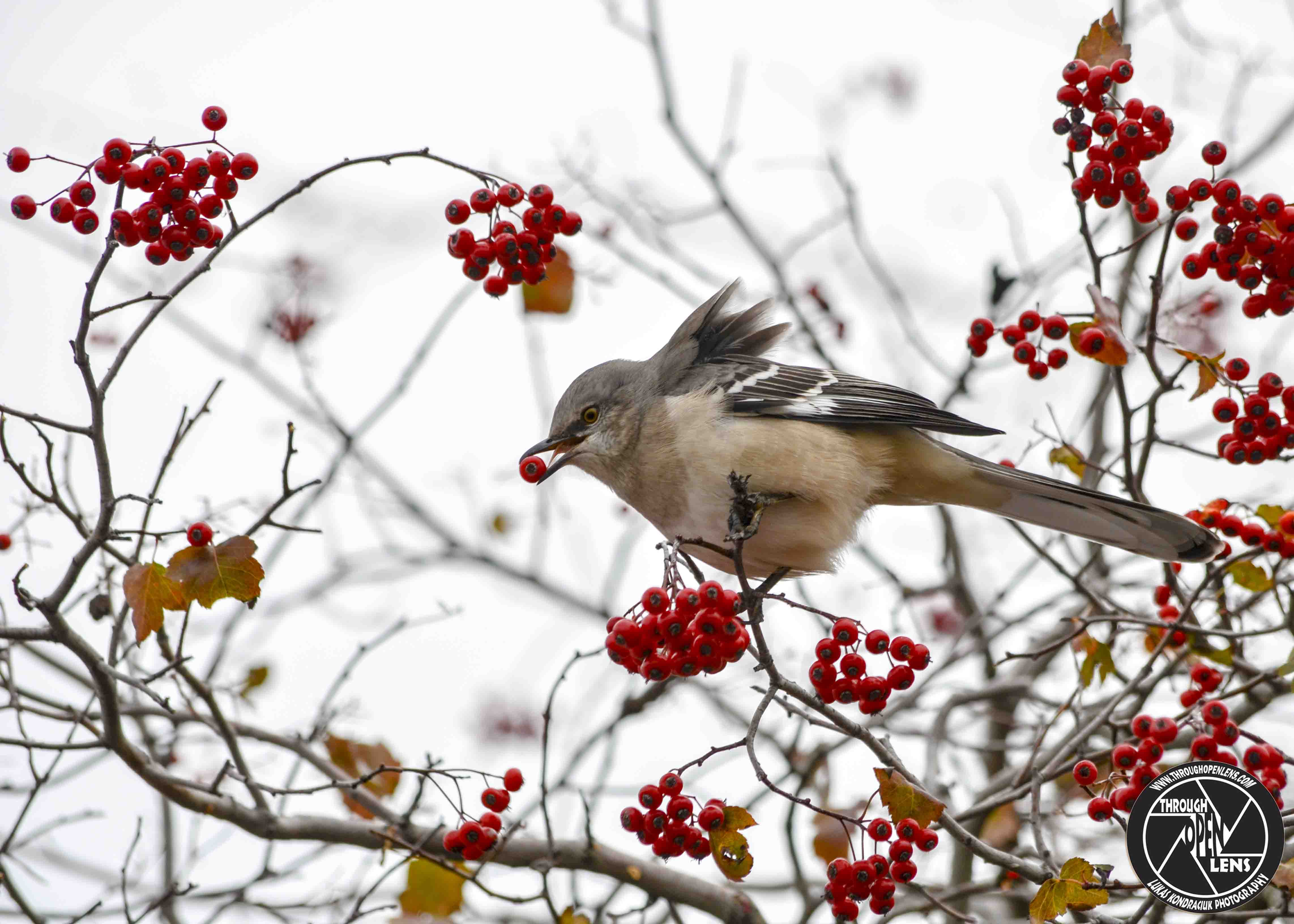
F/7.1, 1/800, ISO 200.

Northern Mockingbird

Why shouldn’t you fart in an Apple Store?

They don’t have Windows.

Interesting Fact: Northern mockingbirds tend to imitate other birds and sounds they hear.  This bird is very territorial and will not hesitate to attack intruders.  ( https://americanexpedition.us/northern-mockingbird-facts-photos-and-information )

They Call Us The Brown Bombers!

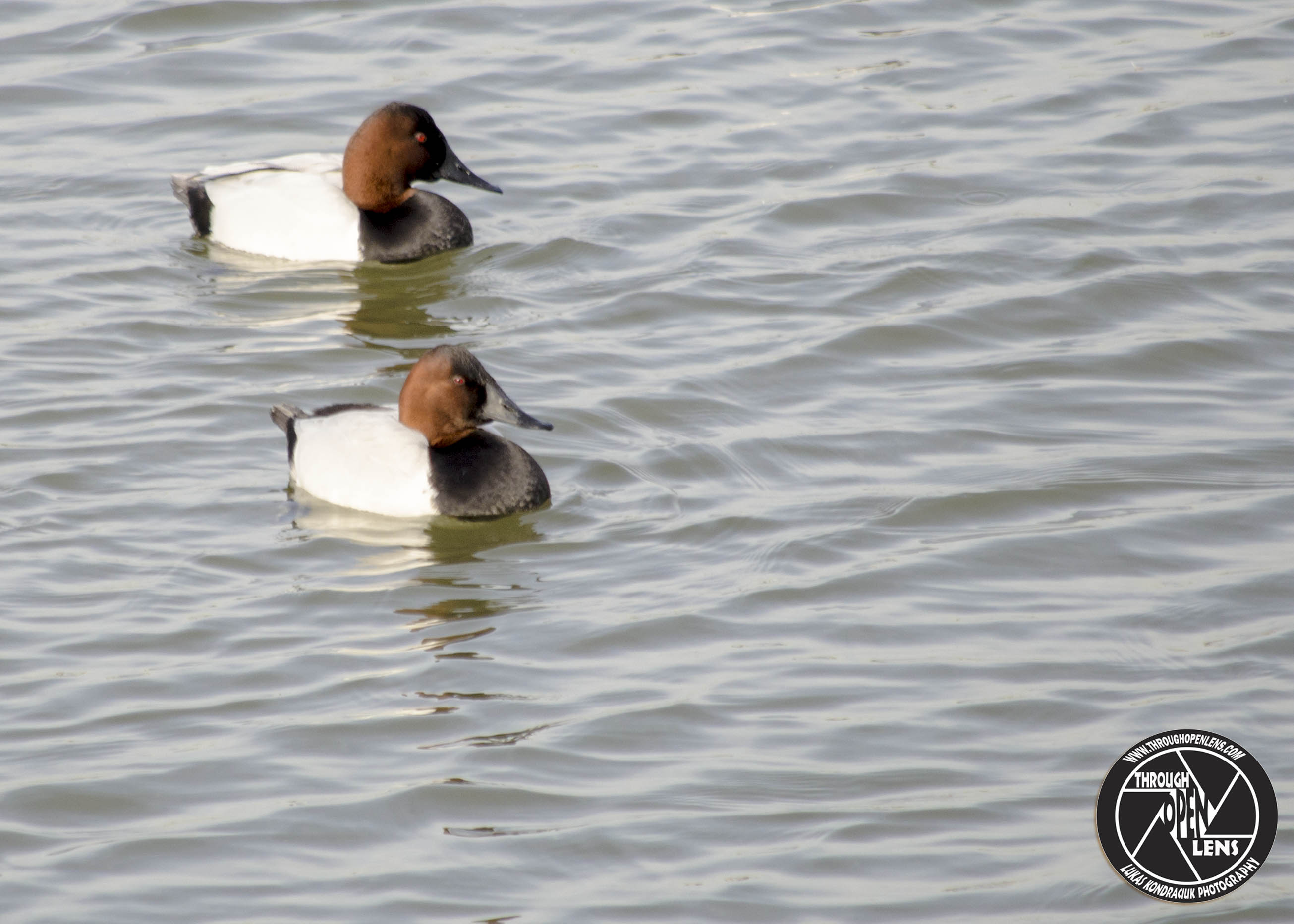
F/6.3, 1/640, ISO 240.

Canvasback

How does NASA organize a birthday party?

They planet!

Interesting Fact: Canvasbacks are diving ducks at home in the water, seldom going ashore to dry land. They sleep on the water with their bill tucked under the wing, and they nest on floating mats of vegetation. To get airborne Canvasbacks need a running start, but once in the air they are strong and fast fliers, clocking airspeeds of up to 56 miles per hour. ( https://www.allaboutbirds.org/guide/Canvasback/lifehistory )


That’s Despicable!

F/10.0, 1/1600, ISO 800.

Canada Goose 

How do we know that insects are so clever?

Because they always know when your eating outside!

Interesting Fact: They mate for life with very low “divorce rates,” and pairs remain together throughout the year. Geese mate “assortatively,” larger birds choosing larger mates and smaller ones choosing smaller mates; in a given pair, the male is usually larger than the female. ( https://www.allaboutbirds.org/guide/Canada_Goose/lifehistory )


We Are Family!

F/8.0, 1/2500, ISO 800.

Common Merganser

What do you call a snowman in the summer?

Puddle

Interesting Fact: Common Mergansers spend much of their time afloat, loafing, fishing, and often sleeping on open water. They may form flocks of up to 75 individuals. They often swim in small groups along the shoreline, dipping their heads underwater to search for prey and then diving with a slight leap. Often when one bird dives in a large group, the others follow the leader and disappear. They can stay under for up to 2 minutes, but they normally dive for less than 30 seconds. ( https://www.allaboutbirds.org/guide/Common_Merganser/lifehistory )


Keep On Duckin!

F/6.3, 1/640, ISO 200.

Hooded Mergansers

How do you get a frog off the back window of your car?

Use the rear defrogger.

Interesting Fact: Hooded Mergansers are usually in pairs or small groups of up to 40 birds. They court in groups of one or more females and several males. The males raise their crests, expanding the white patch, often while shaking their heads. Their most elaborate display is head-throwing, in which they jerk their heads backwards to touch their backs, with crests raised, while giving a froglike croak. Females court by bobbing their heads and giving a hoarse gack.  ( https://www.allaboutbirds.org/guide/Hooded_Merganser/lifehistory )