NO Double Dipping!

F/9.0, 1/320, ISO 200.

American Flamingos

What’s the difference between a piano, tuna fish, and a tub of glue?

You can tune a piano but you can’t piano a tuna.

What about the tub of glue?

I knew you’d get stuck on that.

Interesting Fact: Like other flamingo species, American flamingos will migrate short distances to ensure that they get enough food or because their current habitat has been disturbed in some way. One habitat disturbance that has been observed to cause flamingos to leave their feeding grounds is elevated water levels.  ( https://en.wikipedia.org/wiki/American_flamingo )


The Awkward Moment When You’re In Deep Thought, Then Realize You’re Staring Directly at Someone…

F/11.0, 1/500, ISO 400.

Ring-billed Gull 

Two guys are talking:

Guy 1: I’m on a .

Guy 2: Really.

Guy 1: I’ve lost three days already.

Interesting Fact: Some Ring-billed Gull nests at study sites in California and Oregon contained pebbles the size and shape of gull eggs. The parents apparently pulled the pebbles into their nests from the surrounding ground, mistaking them for eggs gone astray. ( https://www.allaboutbirds.org/guide/Ring-billed_Gull/lifehistory )


I Have Chills All Over My Body.

F/10.0, 1/400, ISO 320.

Red-winged Blackbird

Which runs faster, hot or cold?

Hot. Everyone can catch cold.

One California subspecies of the Red-winged Blackbird lacks the yellow borders to the red shoulders (epaulets) and has been dubbed the “bicolored blackbird.” Some scientists think this plumage difference may help Red-winged Blackbirds recognize each other where their range overlaps with the similar Tricolored Blackbird. ( https://www.allaboutbirds.org/guide/Red-winged_Blackbird/lifehistory )


Lifeguards Are On Duty, Try Not To Die!

F/8.0, 1/250, ISO 200.

Turkey Vultures

What did the hot dog say after the race?

I’m a winer!

Interesting Fact: Turkey Vultures eat carrion, which they find largely by their excellent sense of smell. Mostly they eat mammals but are not above snacking on reptiles, other birds, amphibians, fish, and even invertebrates. They prefer freshly dead animals, but often have to wait for their meal to soften in order to pierce the skin. They are deft foragers, targeting the softest bits first and are even known to leave aside the scent glands of dead skunks. ( https://www.allaboutbirds.org/guide/Turkey_Vulture/lifehistory )

What The Hell Am I Looking At?!

F/6.3, 1/160, IOS 320.

Wild Turkey

Why do turkeys eat so little?

Because they are always stuffed!

Interesting Fact:They usually roost in flocks, but sometimes individually. Courting males gobble to attract females and warn competing males. They display for females by strutting with their tails fanned, wings lowered, while making nonvocal hums and chump sounds. Males breed with multiple mates and form all-male flocks outside of the breeding season, leaving the chick-rearing to the females, The chicks travel in a family group with their mother, often combining with other family groups to form large flocks of young turkeys accompanied by two or more adult females. ( https://www.allaboutbirds.org/guide/Wild_Turkey/lifehistory )

I’m Buggin’ Out!

F/6.3, 1/80, ISO 320.

Downy Woodpecker

What did the salad say to the fridge?

Shut the door, I’m dressing!

Interesting Fact: Both male and female excavate the nest hole, a job that takes 1 to 3 weeks. Entrance holes are round and 1-1.5 inches across. Cavities are 6-12 inches deep and widen toward the bottom to make room for eggs and the incubating bird. The cavity is lined only with wood chips. ( https://www.allaboutbirds.org/guide/Downy_Woodpecker/lifehistory )

Sometimes I Get Road Rage From Standing In Lines.

F/10.0, 1/400, ISO 125.

Semipalmated Sandpipers

Why do ghosts ride in elevators?

It keeps their spirits up.

Interesting Fact: Semipalmated Sandpiper: Breeds in lower Arctic regions from western Alaska to Labrador. Migrates through central North America to the Atlantic coast to reach its wintering grounds, which extend from the extreme southern U.S. to the Caribbean Islands and South America. Preferred habitats include shorelines and mudflats. ( http://identify.whatbird.com/obj/427/overview/Semipalmated_Sandpiper.aspx )


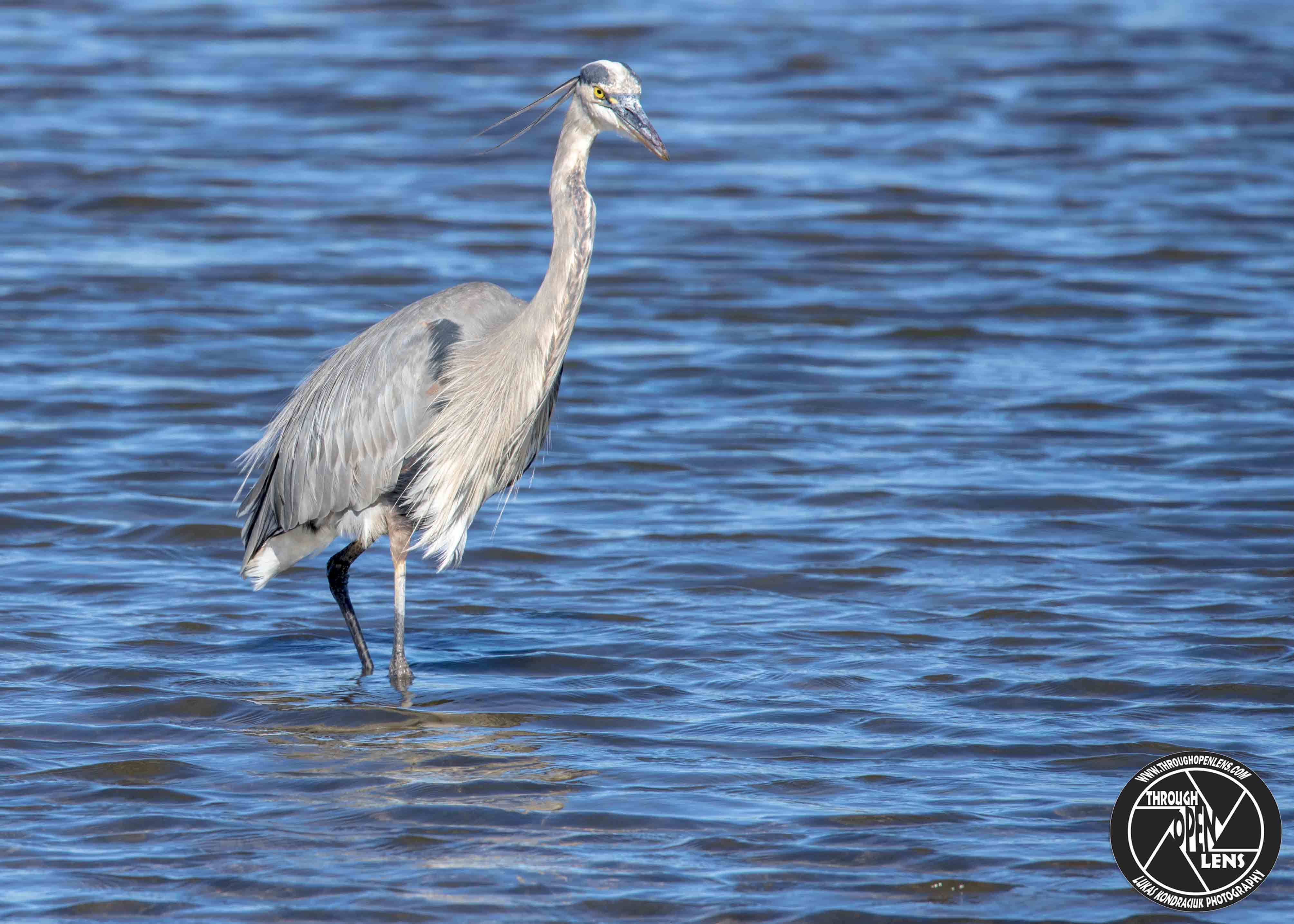
I Enjoy Long Romantic Walks On The Beach

F/10.0, 1/400, ISO 250.

Great Blue Heron 

Why did the fish blush?

Because it saw the ocean’s bottom.

Interesting Fact: Great Blue Herons forage, usually alone, across much of the U.S. This largest of the North American herons wades slowly or stands stock still, peering into the water for prey. In flight the Great Blue Heron folds it neck into an “S” shape and trails its long legs behind, dangling them as it prepares to land or when courting. ( https://www.allaboutbirds.org/guide/Great_Blue_Heron/lifehistory )


To Be Honest I’m Just Winging It!

F/6.3, 1/2000, ISO 320.

Red-tailed Hawk

What does a teddy bear say when you offer it a sandwich?

“No thanks, I’m stuffed”

Interesting Fact: Red-tailed Hawks mated pairs typically stay together until one of the pair dies. ( https://www.allaboutbirds.org/guide/Red-tailed_Hawk/lifehistory )

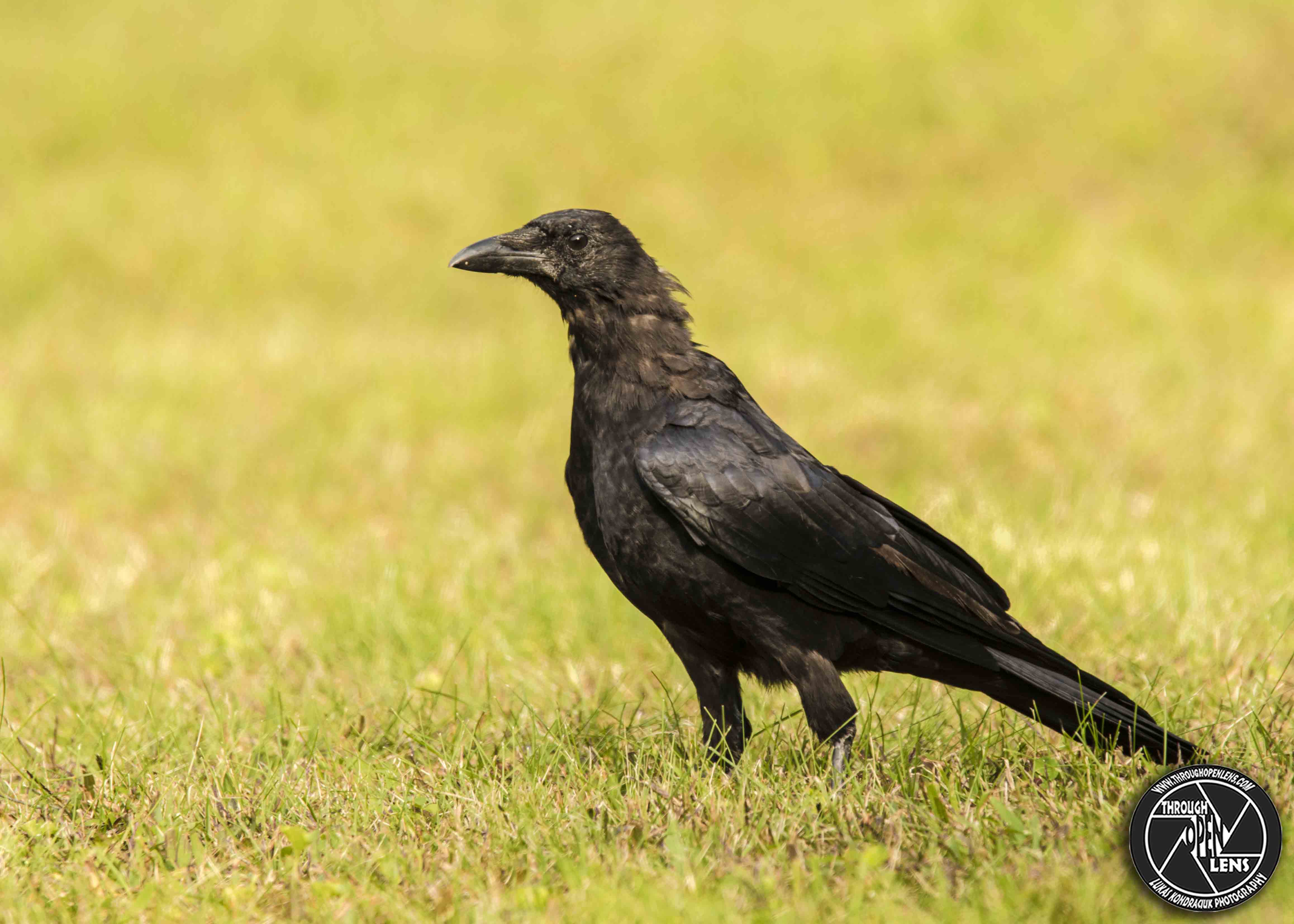
Everyone Is Annoyed With My Singing

F/8.0, 1/250, ISO 250.

American Crow

What did the crow use to break into a car?

A Crowbar.

Interesting Fact: American Crows congregate in large numbers in winter to sleep in communal roosts. These roosts can be of a few hundred up to two million crows. Some roosts have been forming in the same general area for well over 100 years. In the last few decades some of these roosts have moved into urban areas where the noise and mess cause conflicts with people. ( https://www.allaboutbirds.org/guide/American_Crow/lifehistory )