I Got Blue More Than You!

F/7.1, 1/200, ISO 320.

Eastern Bluebird

In Court:

Judge: “Why did you steal the car?”

Defendant: “Your Honour I had to get to work.”

Judge: “Why didn’t you take the bus?”

Defendant: I don’t have a driver’s license for the bus.

Interesting Fact: Eastern Bluebirds occur across eastern North America and south as far as Nicaragua. Birds that live farther north and in the west of the range tend to lay more eggs than eastern and southern birds.  ( https://www.allaboutbirds.org/guide/Eastern_Bluebird )

Be Bold, Be Brave Enough To Be Your True Self!

F/9.0, 1/320, ISO 1250.

Bald Eagles

What falls but never gets hurt?

The rain!

Interesting Fact: Bald Eagles occasionally hunt cooperatively, with one individual flushing prey towards another. ( https://www.allaboutbirds.org/guide/Bald_Eagle )

Eat My Bubbles!

F/9.0, 1/320, ISO 200.

Red-breasted Merganser  

Tom and Bobby are talking:

Bobby: “Holy crap, I just fell off a 50 ft ladder.”

Tom: “Oh my God, are you okay?”

Bobby: “Yeah it’s a good thing I fell off the first step.”

Interesting Fact: Its breedinghabitat is freshwater lakes and rivers across northern North America, Greenland, Europe, and Asia. It nests in sheltered locations on the ground near water. It is migratory and many northern breeders winter in coastalwaters further south. ( https://en.wikipedia.org/wiki/Red-breasted_merganser#Behaviour )

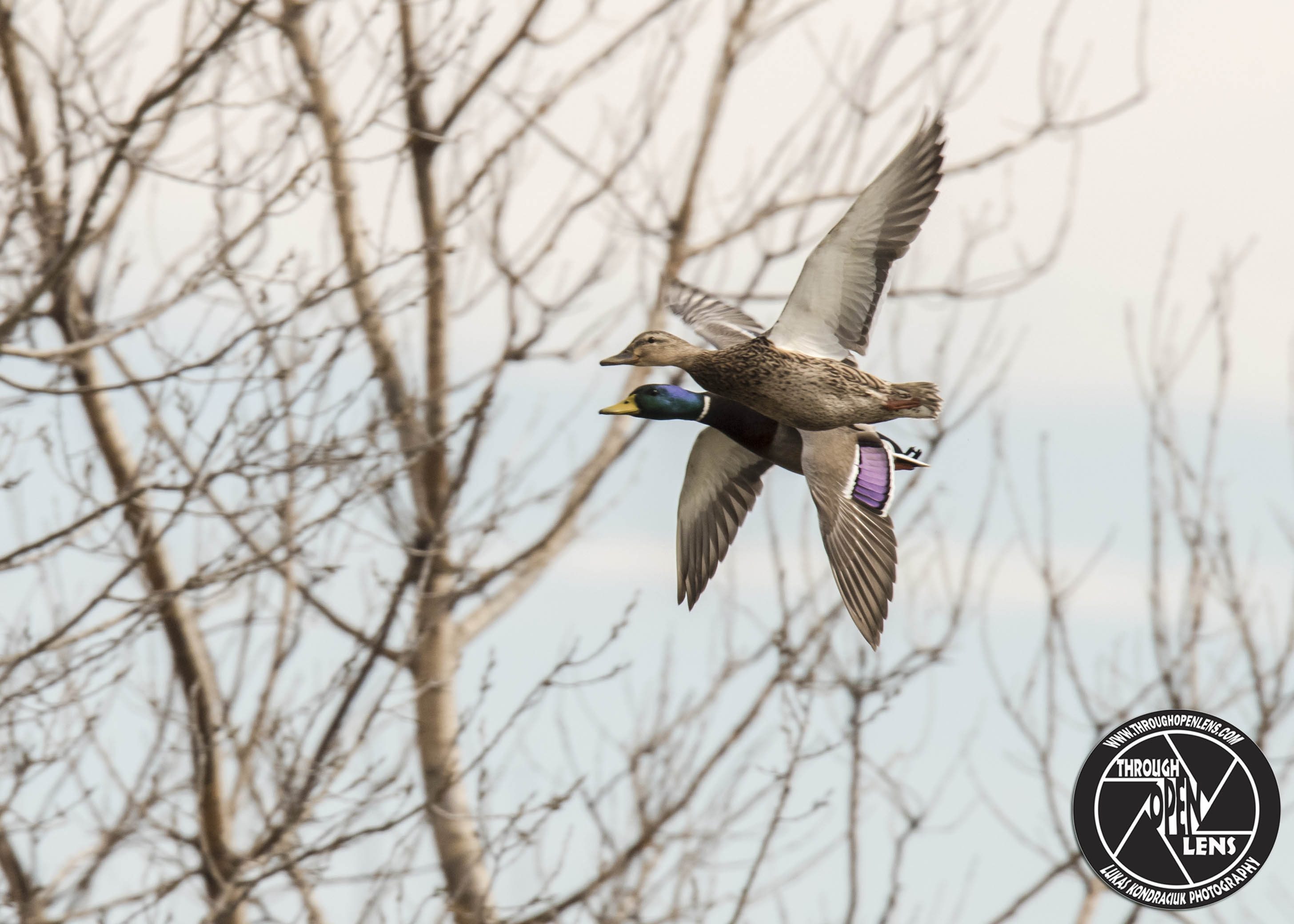
Together We Fly!

F/13.0, 1/640, ISO 400.

Mallard

As a scarecrow, people say I’m outstanding in my field.

But hay, it’s in my jeans.

Interesting Fact: Mallards, like other ducks, shed all their flight feathers at the end of the breeding season and are flightless for 3–4 weeks. They are secretive during this vulnerable time, and their body feathers molt into a concealing “eclipse” plumage that can make them hard to identify. ( https://www.allaboutbirds.org/guide/Mallard )

You Want A Little Bit Of The Top?!

F/9.0, 1/320, ISO 160.

Sandhill Crane

A guy walks into a bar with a set of jumper cables…

the bartender says, buddy, I’ll serve you as long as you don’t start anything.

Interesting Fact:  Sandhill Crane chicks can leave the nest within 8 hours of hatching, and are even capable of swimming. ( https://www.allaboutbirds.org/guide/Sandhill_Crane/overview )

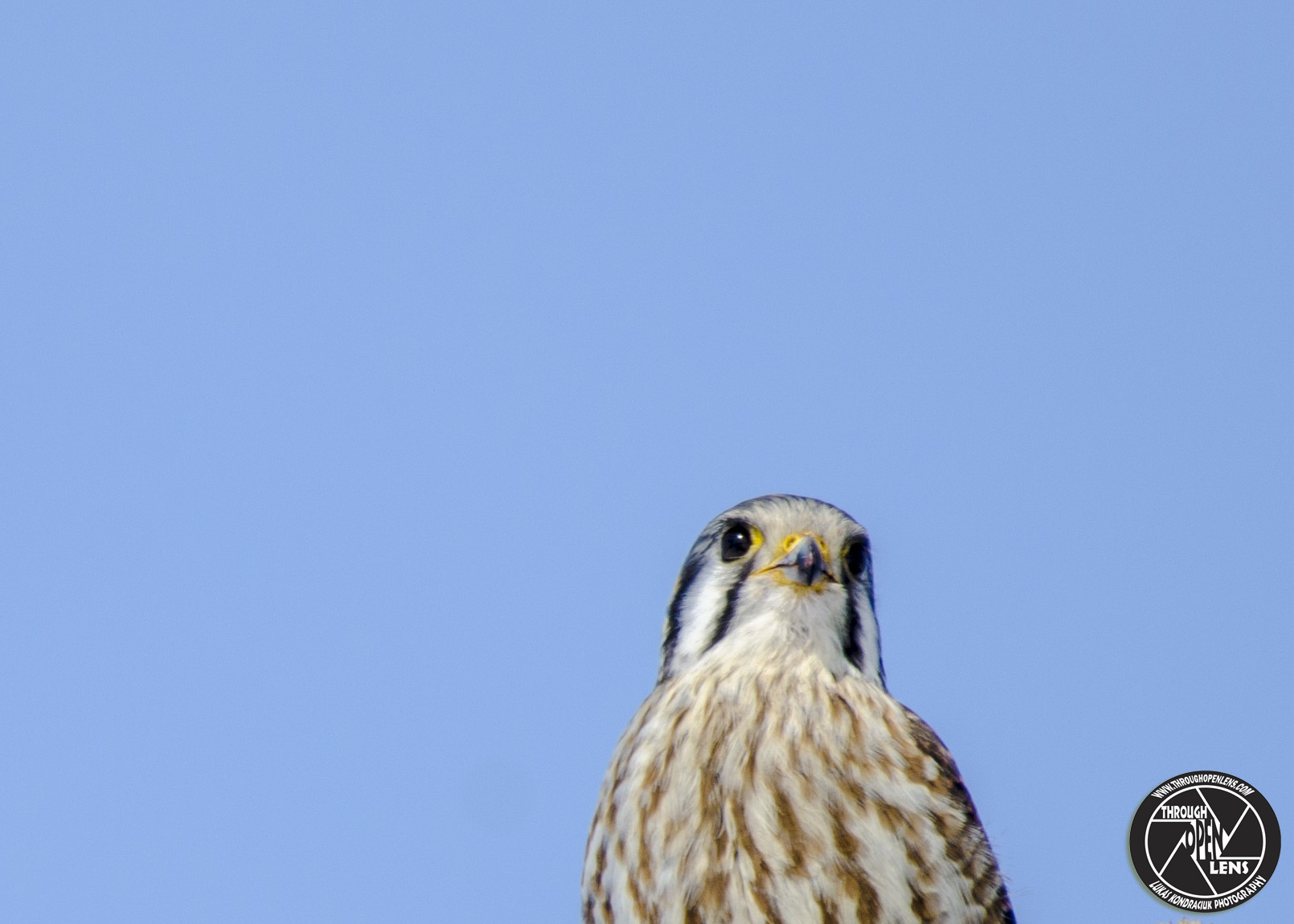
HELLO From The Other Side!

F/6.3, 1/640, ISO 200.

American Kestrel

What did the painter say to her boyfriend?

“I love you with all my art!”

Interesting Fact: It can be tough being one of the smallest birds of prey. Despite their fierce lifestyle, American Kestrels end up as prey for larger birds such as Northern Goshawks, Red-tailed Hawks, Barn Owls, American Crows, and Sharp-shinned and Cooper’s Hawks, as well as rat snakes, corn snakes, and even fire ants. ( https://www.allaboutbirds.org/guide/American_Kestrel )

How low can you go?

northern-shoveler-2

F/9.0, 1/320, ISO 250.

Northern Shoveler 

How do you know if there’s a snowman in your bed?

You wake up wet!

Interesting Fact: The bill of the Northern Shoveler is about 6.5 cm (2.5 inches) long. The bill has has about 110 fine projections (called lamellae) along the edges, for straining food from water. ( https://www.allaboutbirds.org/guide/Northern_Shoveler/lifehistory )

I Tried To Grab The Fog But I Mist.

F/22.0, 2.0, ISO64.

Hudson River Waterfront Walkway, Jersey City, NJ

What did one raindrop say to the other raindrop?

My plop is bigger than your plop.

Interesting Fact:   Fog normally occurs at a relative humidity near 100%.[15] This occurs from either added moisture in the air, or falling ambient air temperature.[15] However, fog can form at lower humidities, and can sometimes fail to form with relative humidity at 100%. At 100% relative humidity, the air cannot hold additional moisture, thus, the air will become supersaturated if additional moisture is added. ( https://en.wikipedia.org/wiki/Fog )

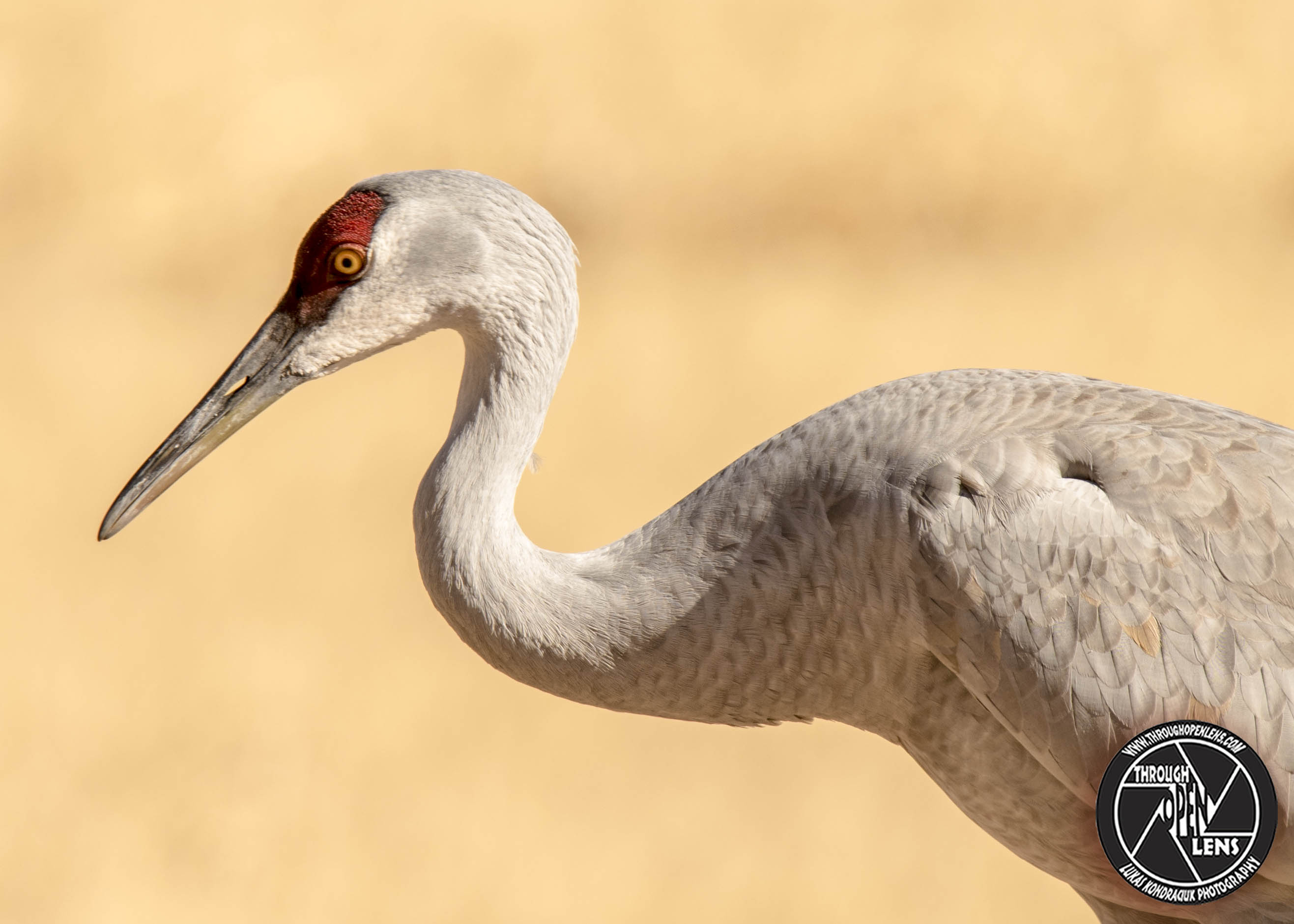
I Am Origami Model

F/10.0, 1/320, ISO 160.

Sandhill Crane

Why was the chicken afraid?

Because it was chicken.

Interesting Fact: Although some start breeding at two years of age, Sandhill Cranes may reach the age of seven before breeding. They mate for life—which can mean two decades or more—and stay with their mates year-round. Juveniles stick close by their parents for 9 or 10 months after hatching. ( https://www.allaboutbirds.org/guide/Sandhill_Crane/lifehistory )

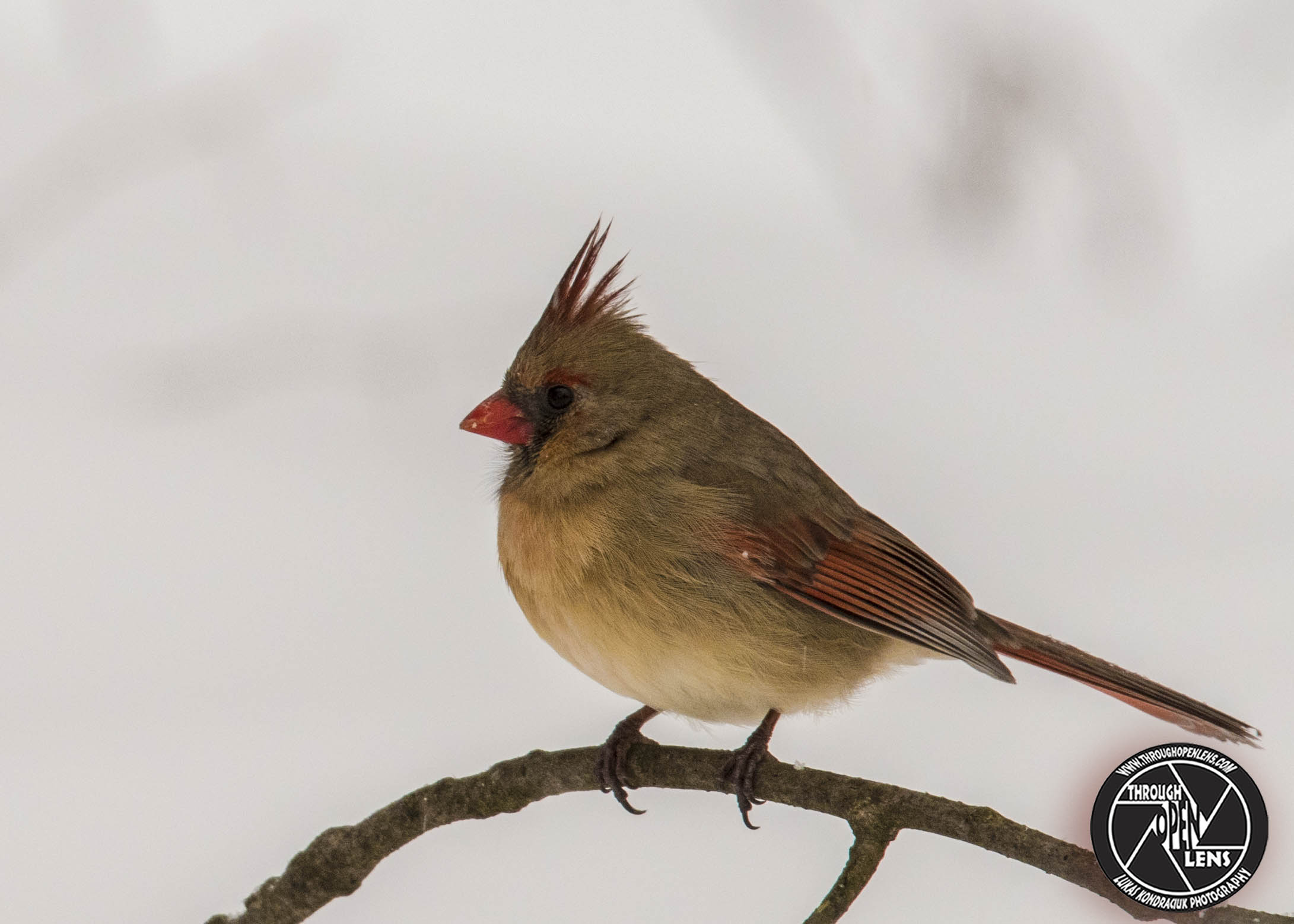
Sorry. Yesterday Was The Deadline For All Complaints.

F/9.0, 1/320, ISO 500.

Northern Cardinal ( Female )

What do you give an elephant that’s going to be sick?

Plenty of space!

Interesting Fact: Males sometimes bring nest material to the female, who does most of the building. She crushes twigs with her beak until they’re pliable, then turns in the nest to bend the twigs around her body and push them into a cup shape with her feet. The cup has four layers: coarse twigs (and sometimes bits of trash) covered in a leafy mat, then lined with grapevine bark and finally grasses, stems, rootlets, and pine needles. The nest typically takes 3 to 9 days to build; the finished product is 2-3 inches tall, 4 inches across, with an inner diameter of about 3 inches. Cardinals usually don’t use their nests more than once. ( https://www.allaboutbirds.org/guide/Northern_Cardinal/lifehistory )