Your Wings Already Exist All You Have To Do Is Fly

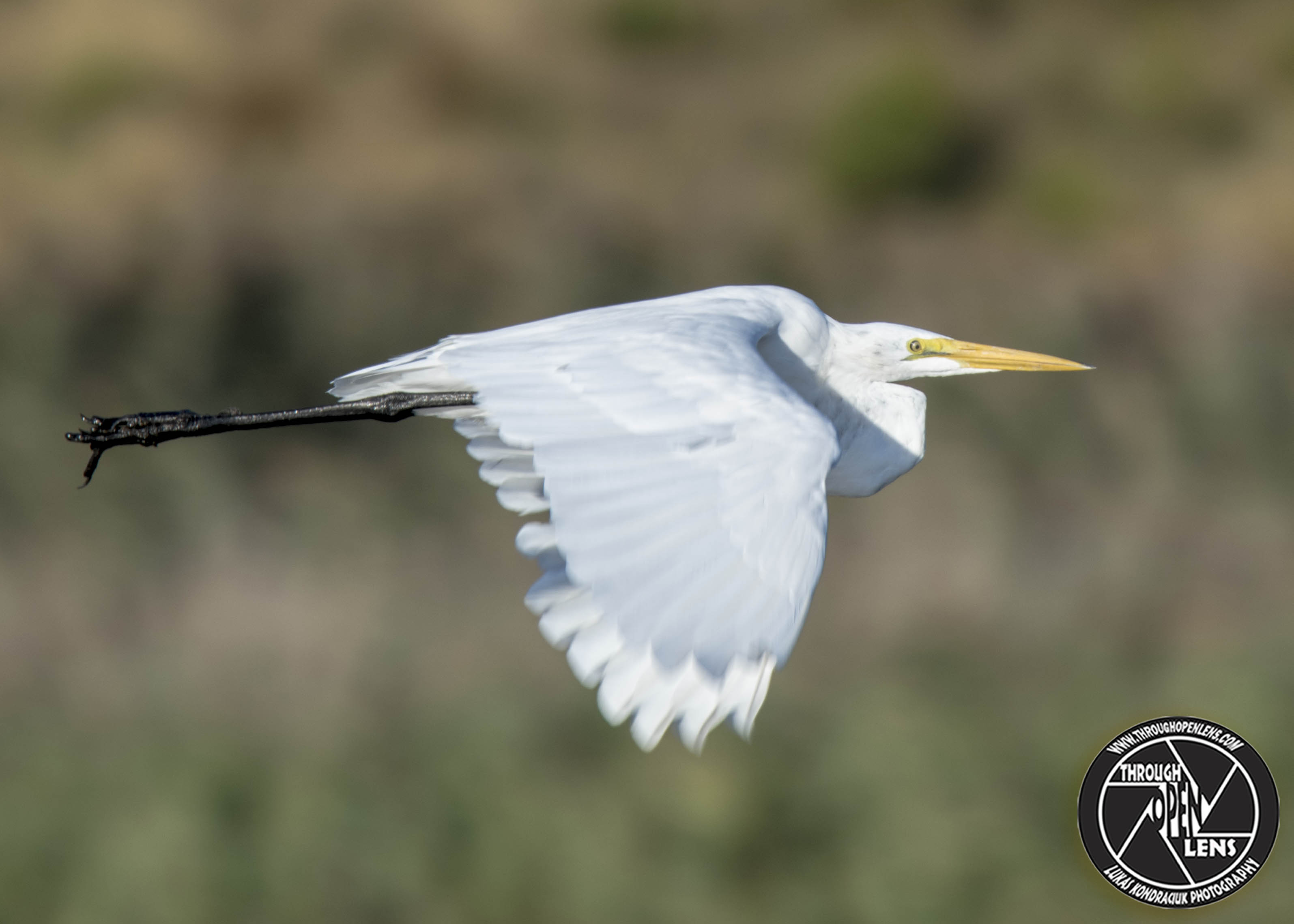
F/9.0, 1/320, ISO 200.

Great Egret 

Why did the reporter rush into the ice cream shop?

He was looking for a scoop.

Interesting Fact: Not all young that hatch survive the nestling period. Aggression among nestlings is common and large chicks frequently kill their smaller siblings. This behavior, known as siblicide, is not uncommon among birds such as hawks, owls, and herons, and is often a result of poor breeding conditions in a given year. ( https://www.allaboutbirds.org/guide/Great_Egret/lifehistory )
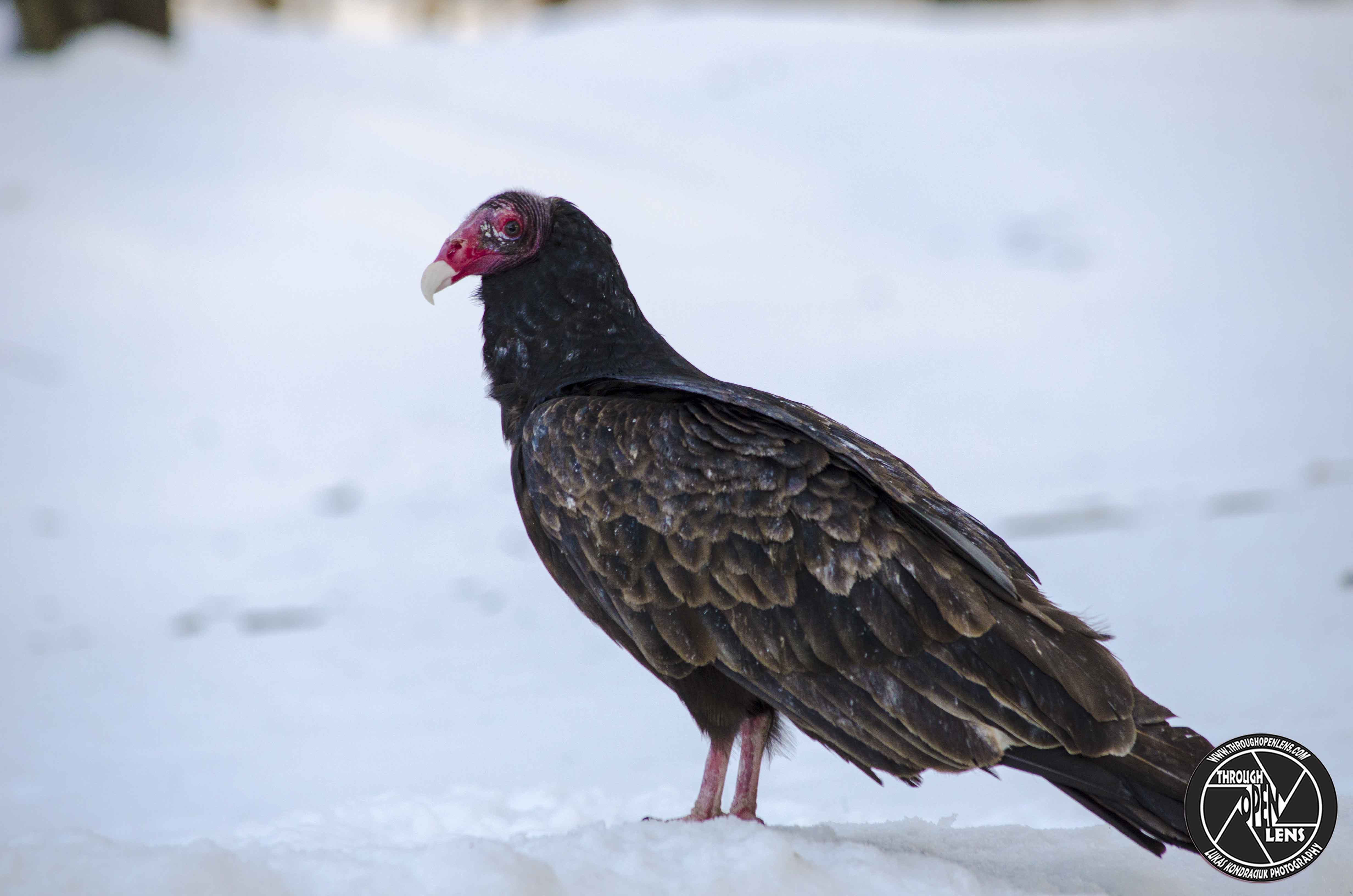
Whatchoo Wanna Do Tonight?!

F/5.6, 1/500, ISO 280

Turkey Vulture

Why do birds fly south in the fall?

Because it’s too far to walk.

Interesting Fact: The Turkey Vulture’s distinctive slow, teetering flight style probably helps the bird soar at low altitudes, where it is best able to use its nose to find carrion. At other times they may soar high on thermals and form mixed flocks or kettles. On the ground they move with ungainly hops and are less agile than Black Vultures. ( https://www.allaboutbirds.org/guide/Turkey_Vulture/lifehistory )

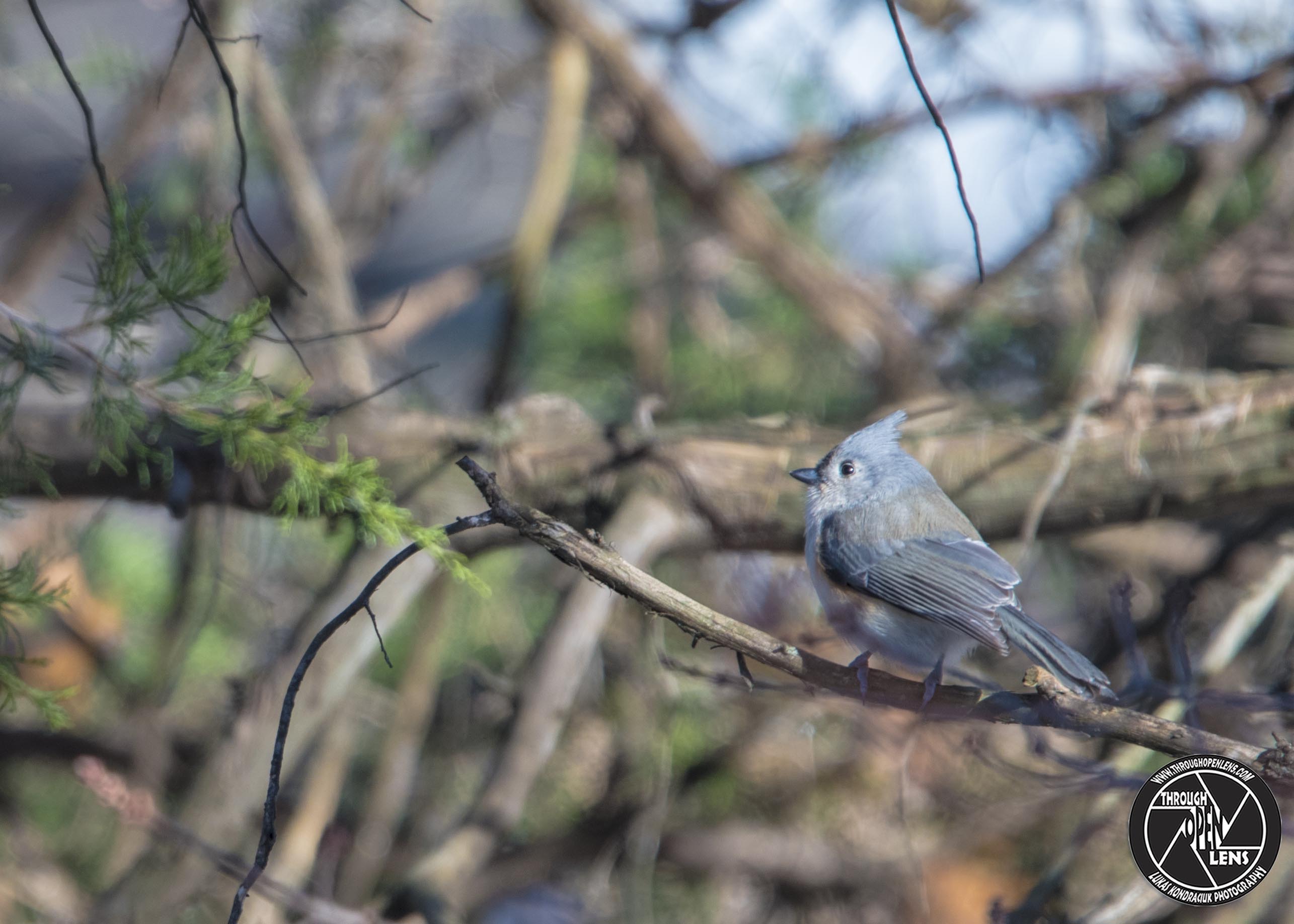
I Had A Dream I Was A Muffler And I Woke Up Exhausted.

F/7.1, 1/200, ISO 250.

Tufted Titmouse

Want to hear a dirty joke?

A kid jumped into a mud puddle.

Want to hear a clean joke?

A kid jumped into the bath.

Interesting Fact:  Tufted Titmice nest in cavities but aren’t able to excavate them on their own. They use natural holes and old nest holes made by several woodpecker species, including large species such as Pileated Woodpecker and Northern Flicker. Additionally, Tufted Titmice also nest in artificial structures including nest boxes, fenceposts, and metal pipes. ( https://www.allaboutbirds.org/guide/Tufted_Titmouse/lifehistory )

I’m Hungry Like The Wolf!

great-blue-heron-water

F/10.0, 1/400, ISO 250.

Great Blue Heron

A minister is stopped by a state trooper for speeding. The trooper smells alcohol on his breath and sees an empty wine bottle on the floor.

The trooper asks, “Sir, have you been drinking?” And the minister says, “Just water.”

The trooper says, “Then why do I smell wine?” And the minister looks down at the bottle and says,

“Good Lord, He’s done it again!”

Interesting Fact: Great Blue Herons in the northeastern U.S. and southern Canada have benefited from the recovery of beaver populations, which have created a patchwork of swamps and meadows well-suited to foraging and nesting. ( https://www.allaboutbirds.org/guide/Great_Blue_Heron/lifehistory )

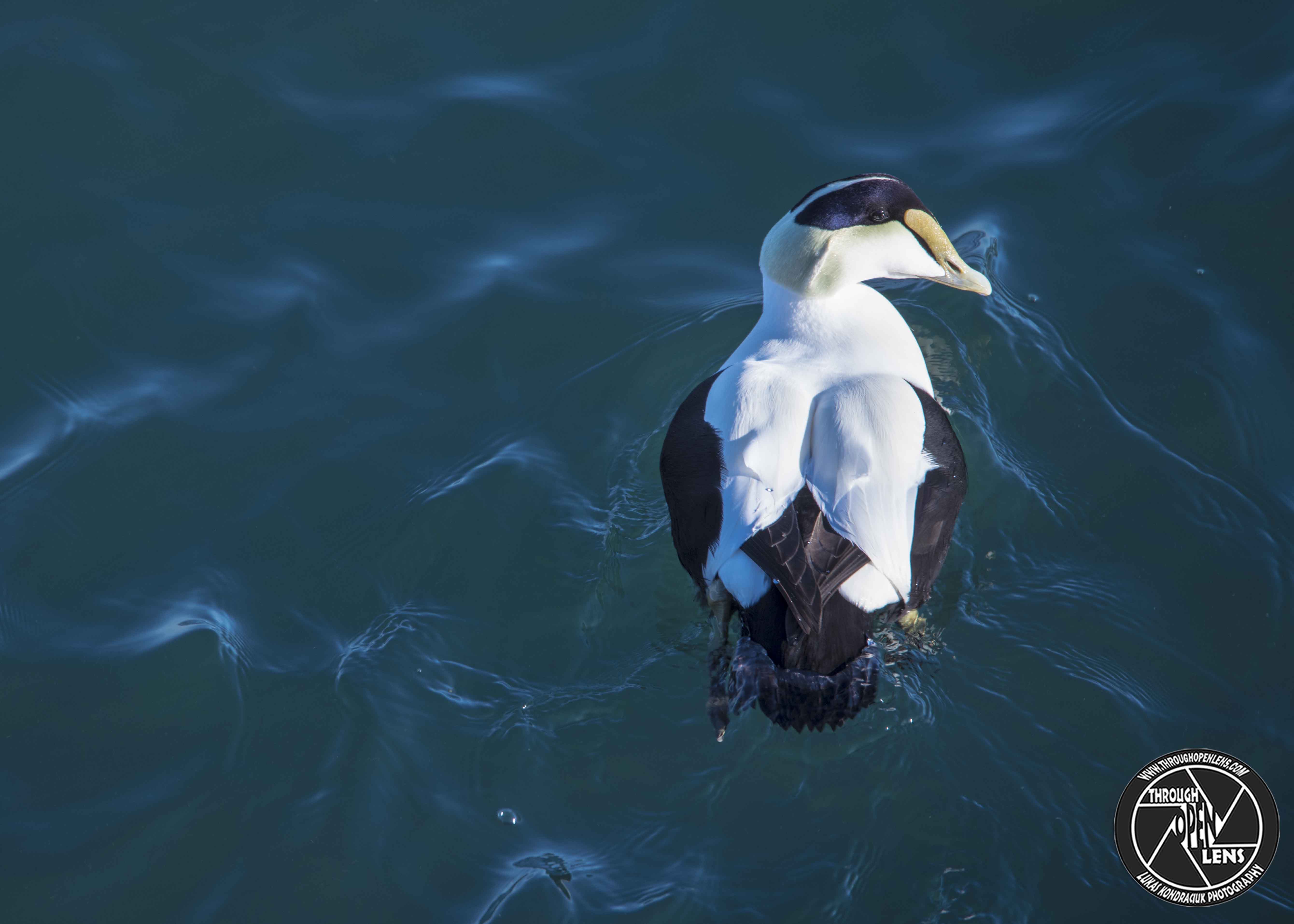
Of Course I Talk To Myself, Somtimes I Need Expert Advice.

F/8.0, 1/250, ISO200.

Common Eider

What did one elevator say to the other elevator?

I think I’m coming down with something!

Interesting Fact: The Pacific form of the Common Eider is distinct genetically and morphologically from the other forms, and may be a different species. The male has a thin black V on its chin and a bright yellow or orange bill. ( https://www.allaboutbirds.org/guide/Common_Eider/ )

Are You Tailing Me Because That Would Be Super!

northern-pintail-duck-1

F/6.3, 1/500, ISO 250.

Northern Pintail Duck

What do you call someone without a nose or a body?

Nobodynose.

Interesting Fact: The oldest recorded Northern Pintail was a male and at least 22 years, 3 months old when he was found in Saskatchewan, Canada. ( https://www.allaboutbirds.org/guide/Northern_Pintail/lifehistory )

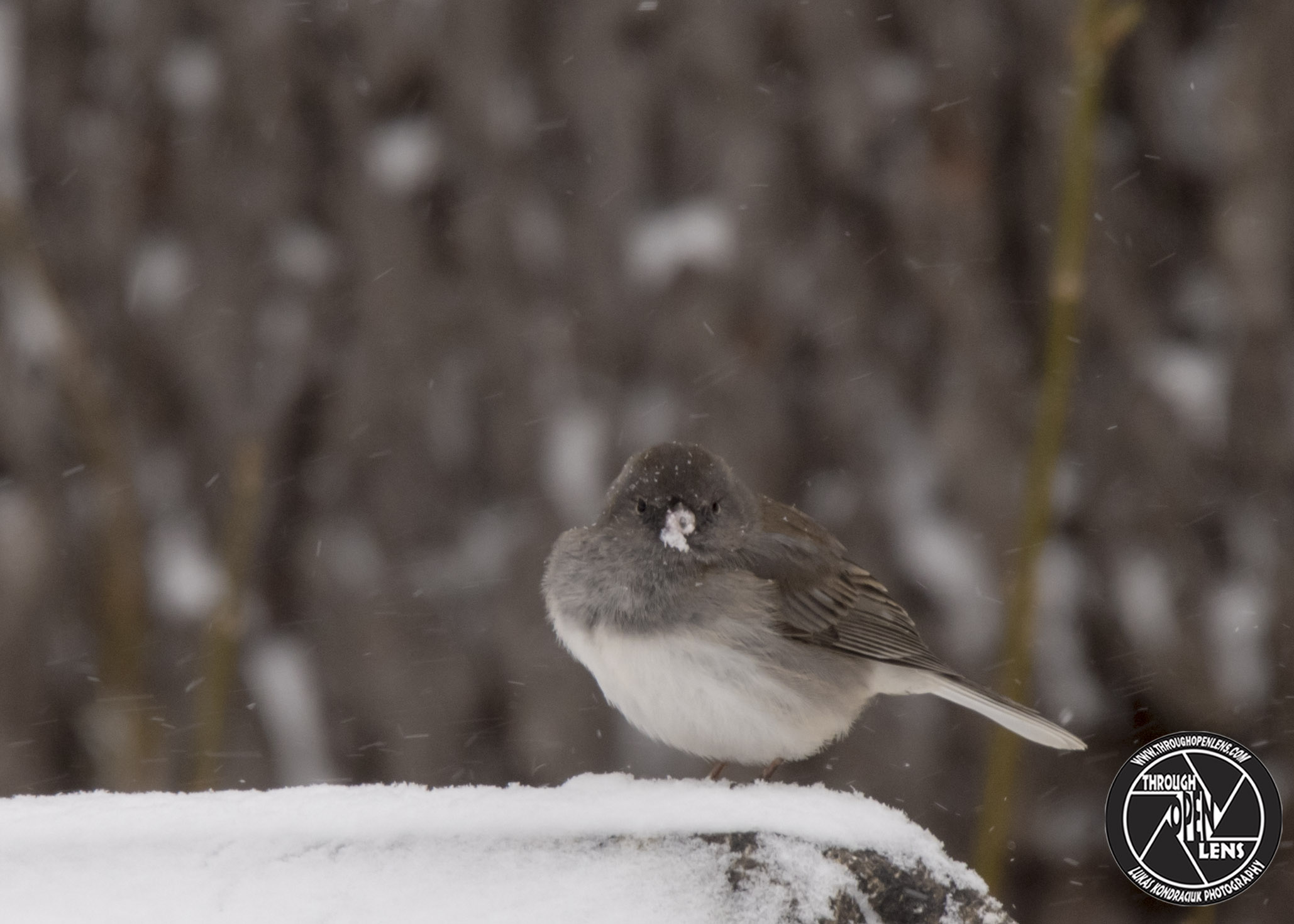
I Am Addicted To Snow!

F/7.1, 1/200, ISO 320.

Dark-eyed Junco

How does a Snowman get to work?

By icicle.

Interesting Fact: Dark-eyed Juncos breed in forests across much of North America and at elevations ranging from sea level to more than 11,000 feet. They are often found in coniferous forests incuding pine, Douglas-fir, spruce, and fir, but also in deciduous forests such as aspen, cottonwood, oak, maple, and hickory. During winter and on migration they use a wider variety of habitats including open woodlands, fields, roadsides, parks, and gardens. ( https://www.allaboutbirds.org/guide/Dark-eyed_Junco/lifehistory )

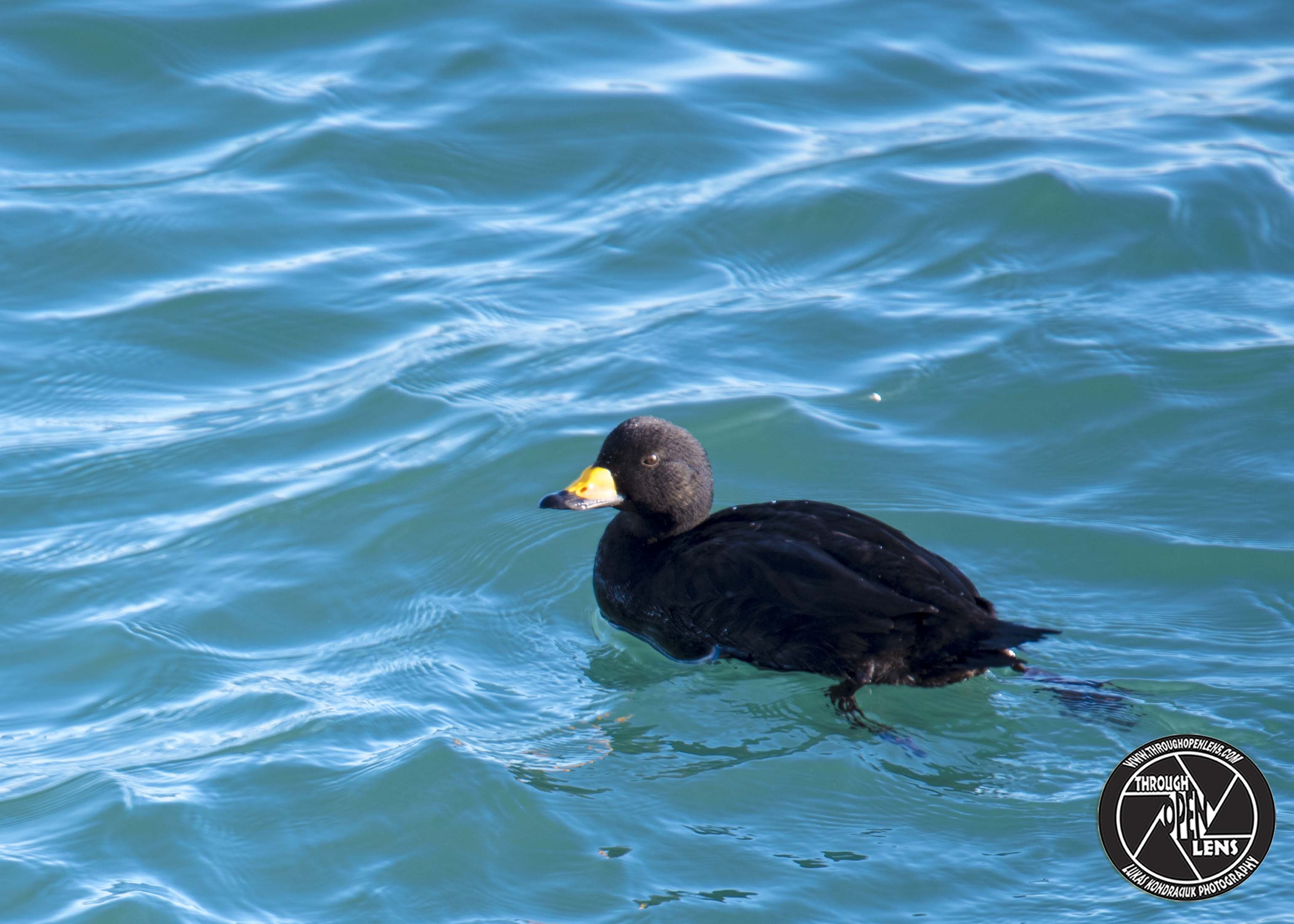
Watch It! I Am Swimming HERE!

F/ 6.3, 1/160, ISO 200.

Black Scoter 

What did the nose say to the finger?

Stop picking on me.

Interesting Fact:  Birds occasionally do a “wing-flap” display while swimming, flapping their wings with the body held up and punctuating this with a downward thrust of head, as if its neck were momentarily broken. ( https://identify.whatbird.com/obj/298/overview/Black_Scoter.aspx )

WHAT DO YOU WANT?!

american-kestrel-1

F/6.3, 1/640, ISO 200.

American Kestrel

Bacon and eggs walk into a bar and order a beer, the bartender says sorry, we don’t serve breakfast.

Interesting Fact:

Sports fans in some cities get an extra show during night games: kestrels perching on light standards or foul poles, tracking moths and other insects in the powerful stadium light beams and catching these snacks on the wing. Some of their hunting flights have even made it onto TV sports coverage.  ( https://www.allaboutbirds.org/guide/American_Kestrel/lifehistory )


I’ve Been Patiently Waiting For A Someone To Fly By!

F/9.0, 1/320, ISO 400.

Cooper’s Hawk

What did the hamburger name his daughter?

Patty!

Interesting Fact: Cooper’s Hawks show the classic accipiter flight style: a few stiff wingbeats followed by short glides. But in pursuit of prey their flight becomes powerful, quick, and very agile, allowing the bird to thread its way through tree branches at top speed. Courting birds display by flying with slow wingbeats, then gliding with wings held in a V. Males make a bowing display to females after pairing and before beginning to build the nest. ( https://www.allaboutbirds.org/guide/Coopers_Hawk/lifehistory )