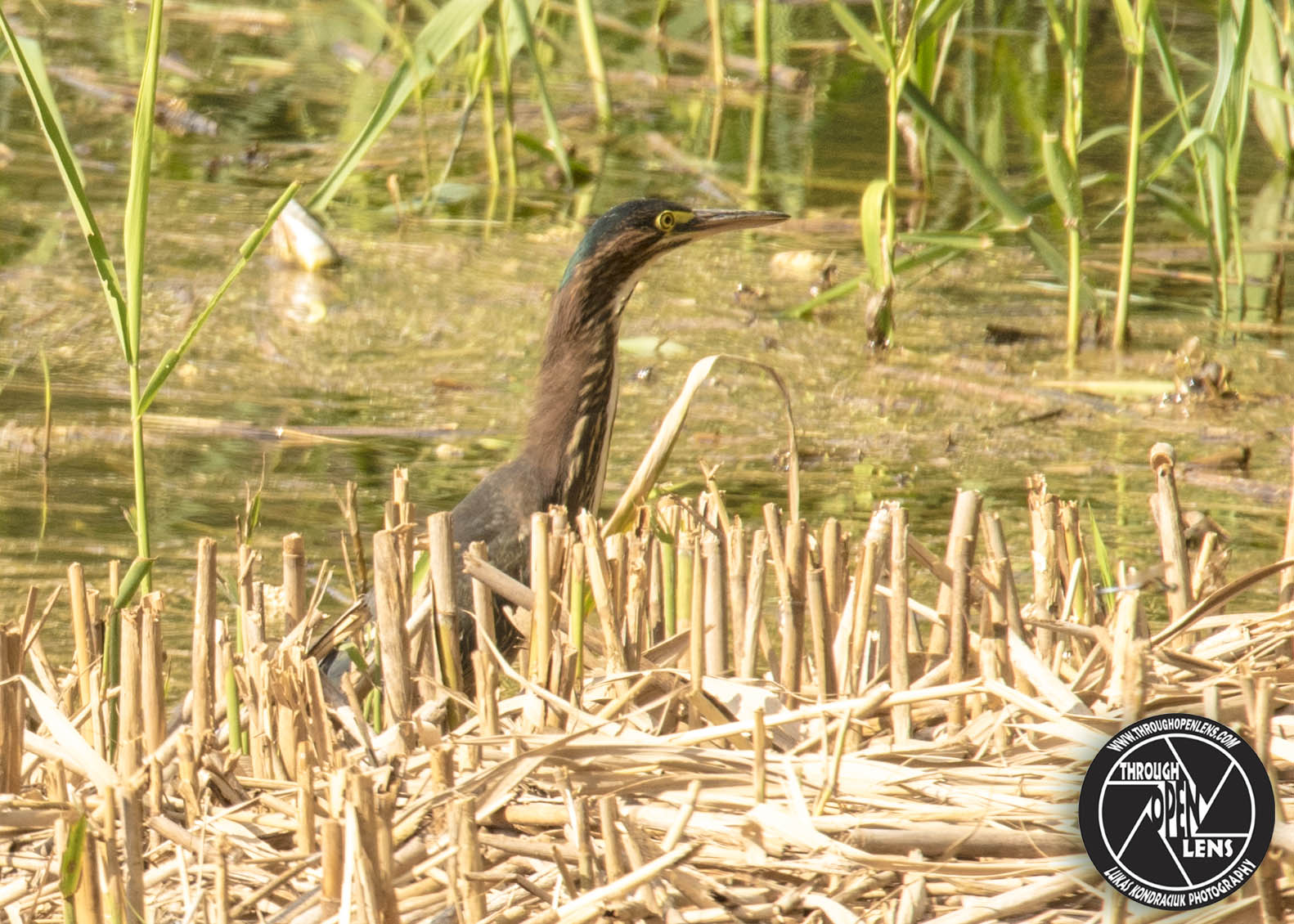
Peek A Boo!

F/9.0, 1/320, ISO 250.

Green Heron

Why are ghosts so bad at lying?

Because you can see right through them!

Interesting Fact: Green Herons usually hunt by wading in shallow water, but occasionally they dive for deep-water prey and need to swim back to shore—probably with help from the webs between their middle and outer toes. One juvenile heron was seen swimming gracefully for more than 60 feet, sitting upright “like a little swan,” according to one observer. ( https://www.allaboutbirds.org/guide/Green_Heron/lifehistory )

You Big Silly Goose!

F/11.0, 1/500, ISO 320.

Brant Goose

How do baseball players stay cool?

They sit next to their fans.

Interesting Fact: An abundant small goose of the ocean shores, the Brant breeds in the high Arctic tundra and winters along both coasts. The Brant along the Atlantic have light gray bellies, while those off the Pacific Coast have black bellies and were at one time considered a separate species.  ( https://www.allaboutbirds.org/guide/Brant/lifehistory )

I Peck You!

F/9.0, 1/200, ISO 160.

Hairy Woodpecker

What did the blanket say to the bed?

Don’t worry, I’ve got you covered!

Interesting Fact: Hairy Woodpeckers sometimes drink sap leaking from wells in the bark made by sapsuckers. They’ve also been seen pecking into sugar cane to drink the sugary juice. ( https://www.allaboutbirds.org/guide/Hairy_Woodpecker/lifehistory )

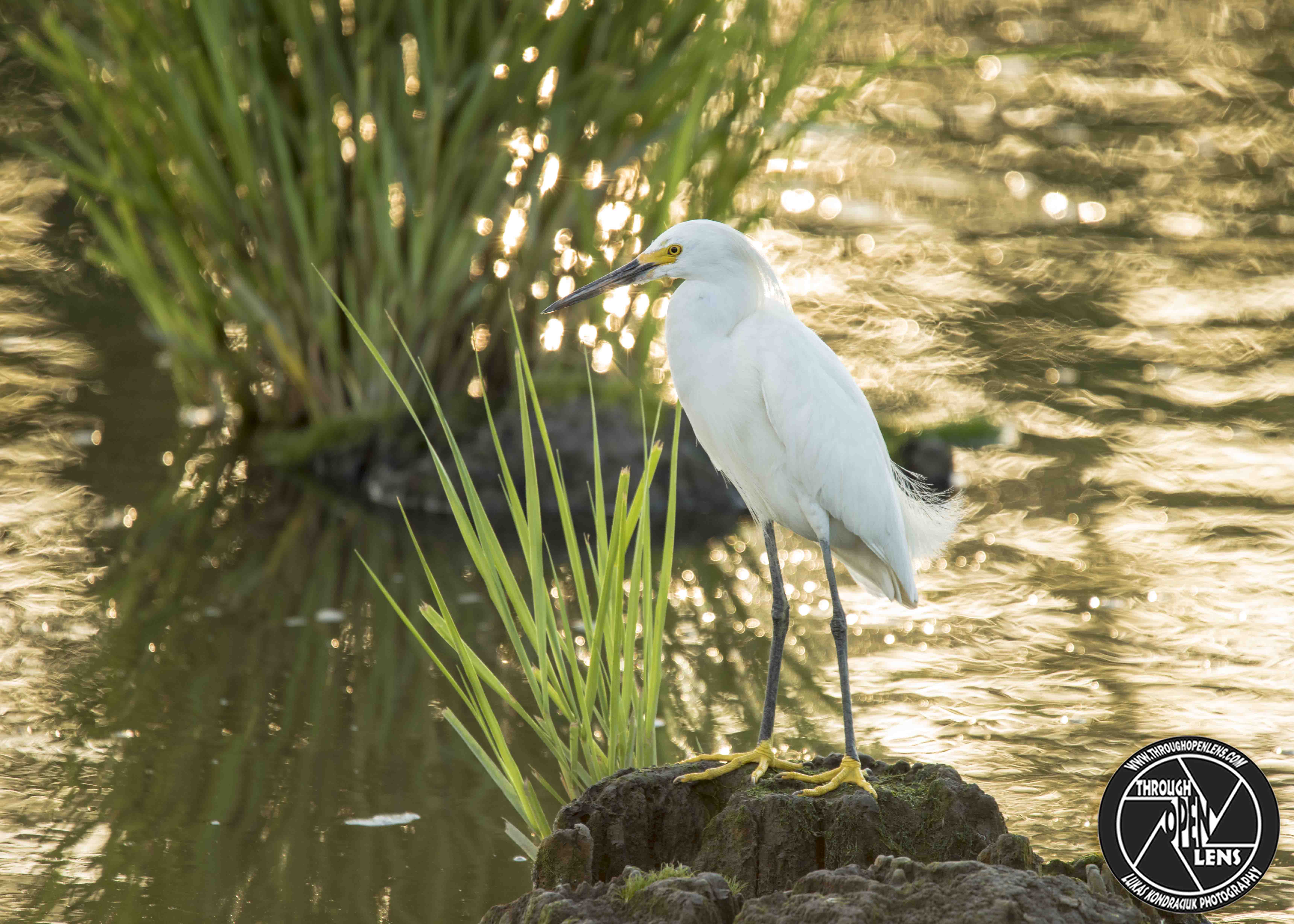
Leave A Little Sparkle Wherever You Go!

F/6.3, 1/160, ISO 250.

Snowy Egret

What does a pig put on its paper cut?

Oinkment!

Interesting Fact: The Snowy Egret eats mostly aquatic animals, including fish, frogs, worms, crustaceans, and insects. It often uses its bright yellow feet to paddle in the water or probe in the mud, rounding up prey before striking with its bill. Snowy Egrets feed while standing, walking, running, or hopping, and they may vibrate their bills, sway their heads, or flick their wings as part of prey gathering. They even forage while hovering. ( https://www.allaboutbirds.org/guide/Snowy_Egret/lifehistory )

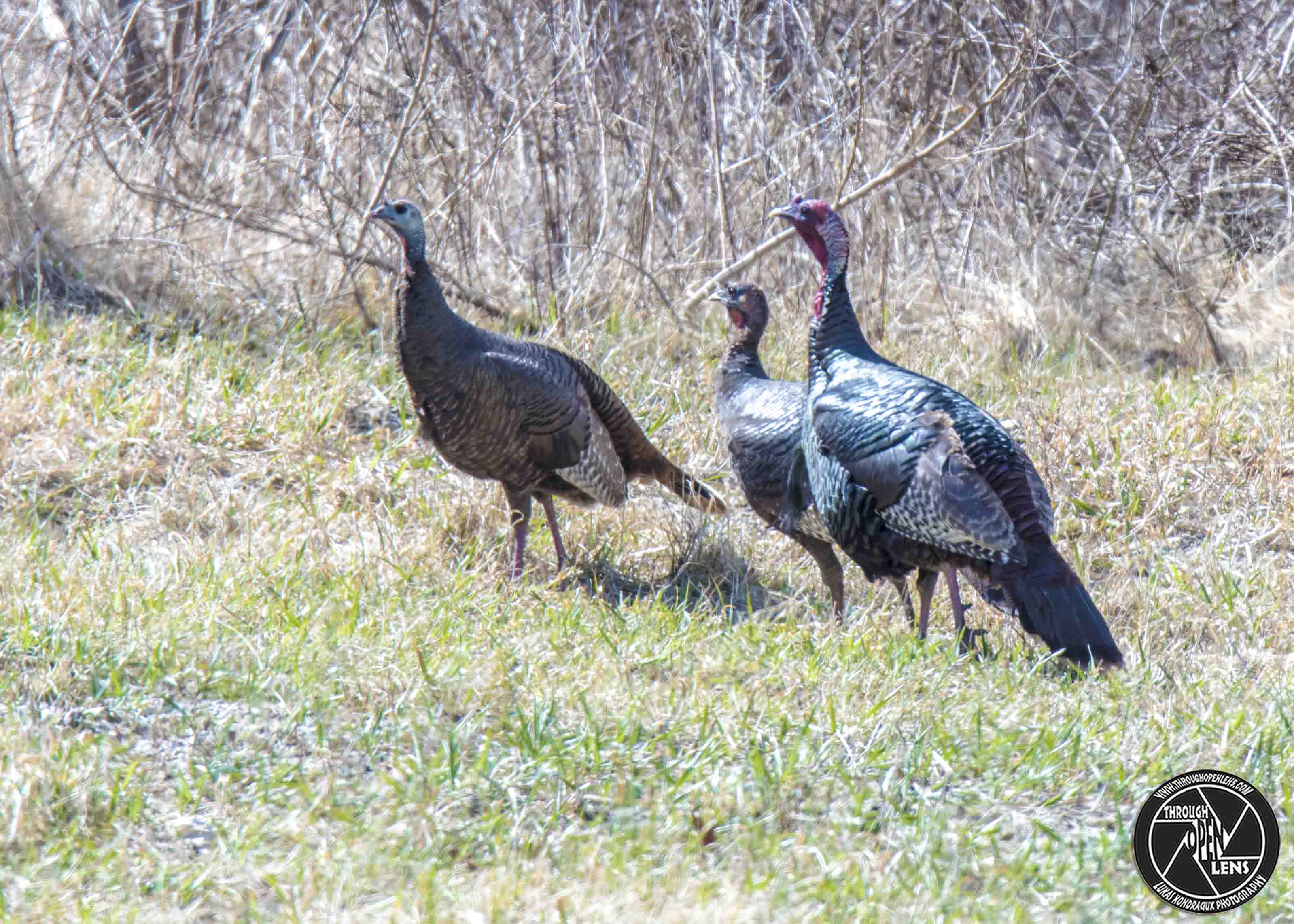
Wild Bunch!

F/9.0, 1/320, ISO 320.

Wild Turkeys

Why couldn’t the leopard play hide and seek?

Because he was always spotted.

Interesting Fact: The female scratches a shallow depression in the soil, about 1 inch deep, 8–11 inches wide, and 9–13 inches long. Wild Turkeys use only the dead leaves or other plant materials already present at the nest site. ( https://www.allaboutbirds.org/guide/Wild_Turkey/lifehistory )


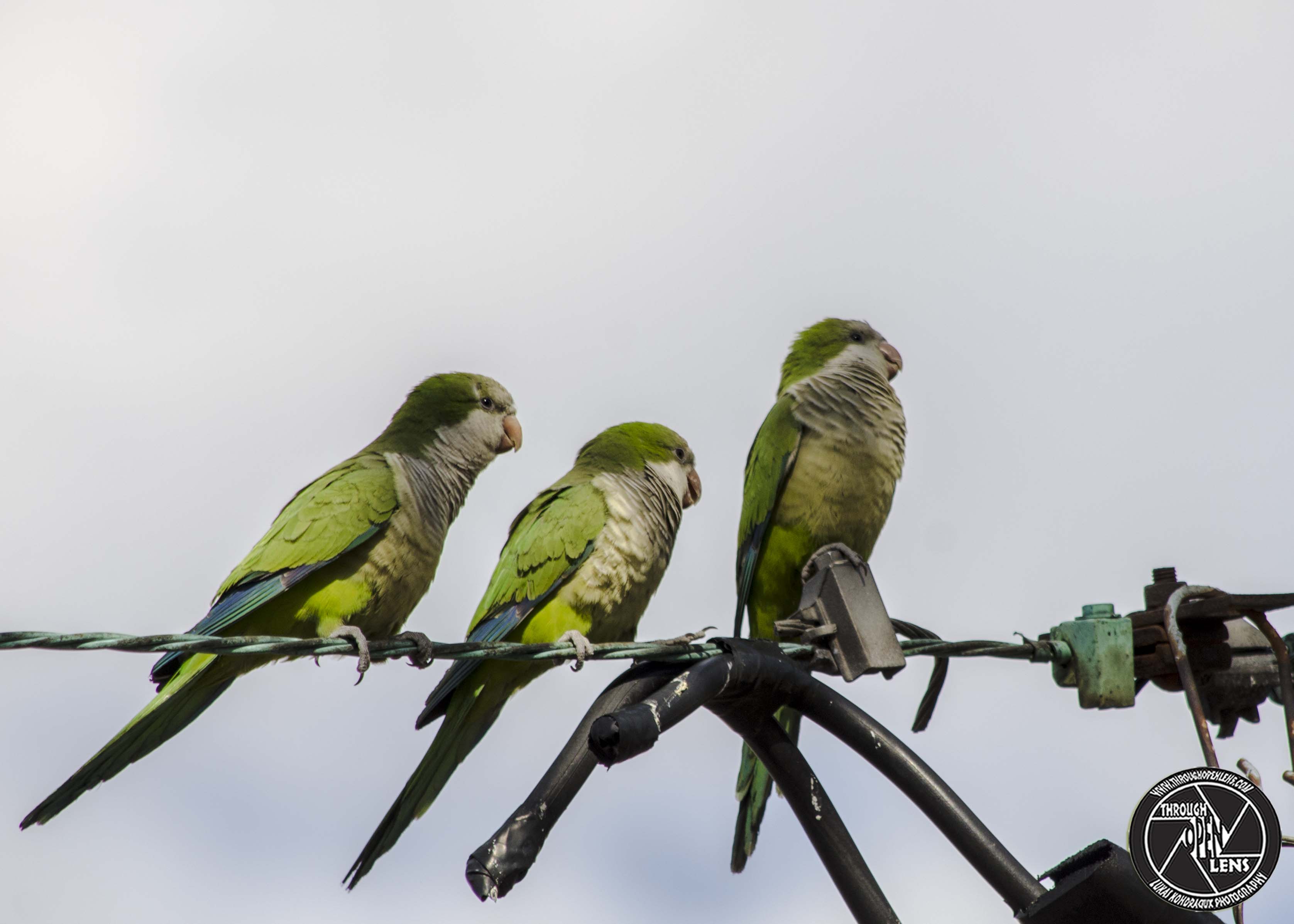
We Are Online Now.

F/7.1, 1/800, ISO 200.

Monk Parakeets

Where does a bee keep his stinger?

In his honey!

Interesting Fact: Monk Parakeets spend a lot of time preening each other. These long-lived birds form socially monogamous pairs, and courtship involves a pair preening each other and grasping each other by the beak while shaking their heads.  ( https://www.allaboutbirds.org/guide/Monk_Parakeet/lifehistory )

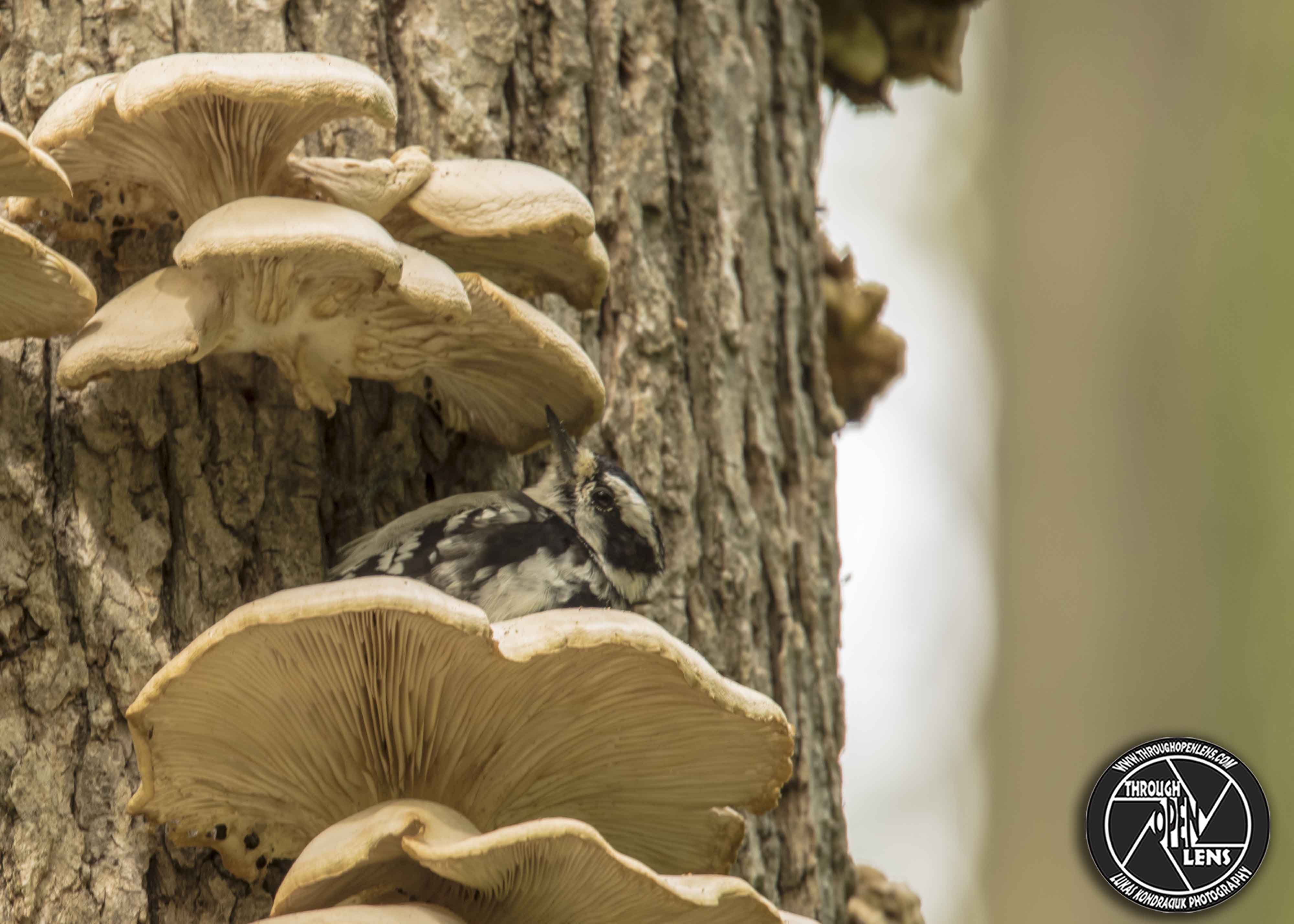
These Mushrooms Are Trippy!

F/6.3, 1/50, ISO 320.

Downy Woodpecker

“Doctor doctor I feel that Im a pack of card. What can I do ?”

Doctor: “I deal with you later.”

Interesting Fact: Downy Woodpeckers have the undulating flight pattern typical of many woodpecker species, alternating quick wingbeats with folding the wings against the body. When having a dispute with another bird, Downy Woodpeckers fan their tails, raise their head feathers, and jerk their beaks from side to side. In spring you may see courtship displays in which males and females fly between trees with slow, fluttering wingbeats that look almost butterfly-like. ( https://www.allaboutbirds.org/guide/Downy_Woodpecker/lifehistory )


My Eyes Always Come Out Red In Photos

F/ 6.3, 1/640, ISO 200.

Canvasback

“Doctor, doctor, my wife thinks she’s a duck.”

“You better bring her in to see me straight away.”

“I can’t do that – she’s already flown south for the winter.”  

Interesting Fact: The species name of the Canvasback, Aythya valisineria, comes from Vallisneria americana, or wild celery, whose winter buds and rhizomes are its preferred food during the nonbreeding period.  ( https://www.allaboutbirds.org/guide/Canvasback/lifehistory )

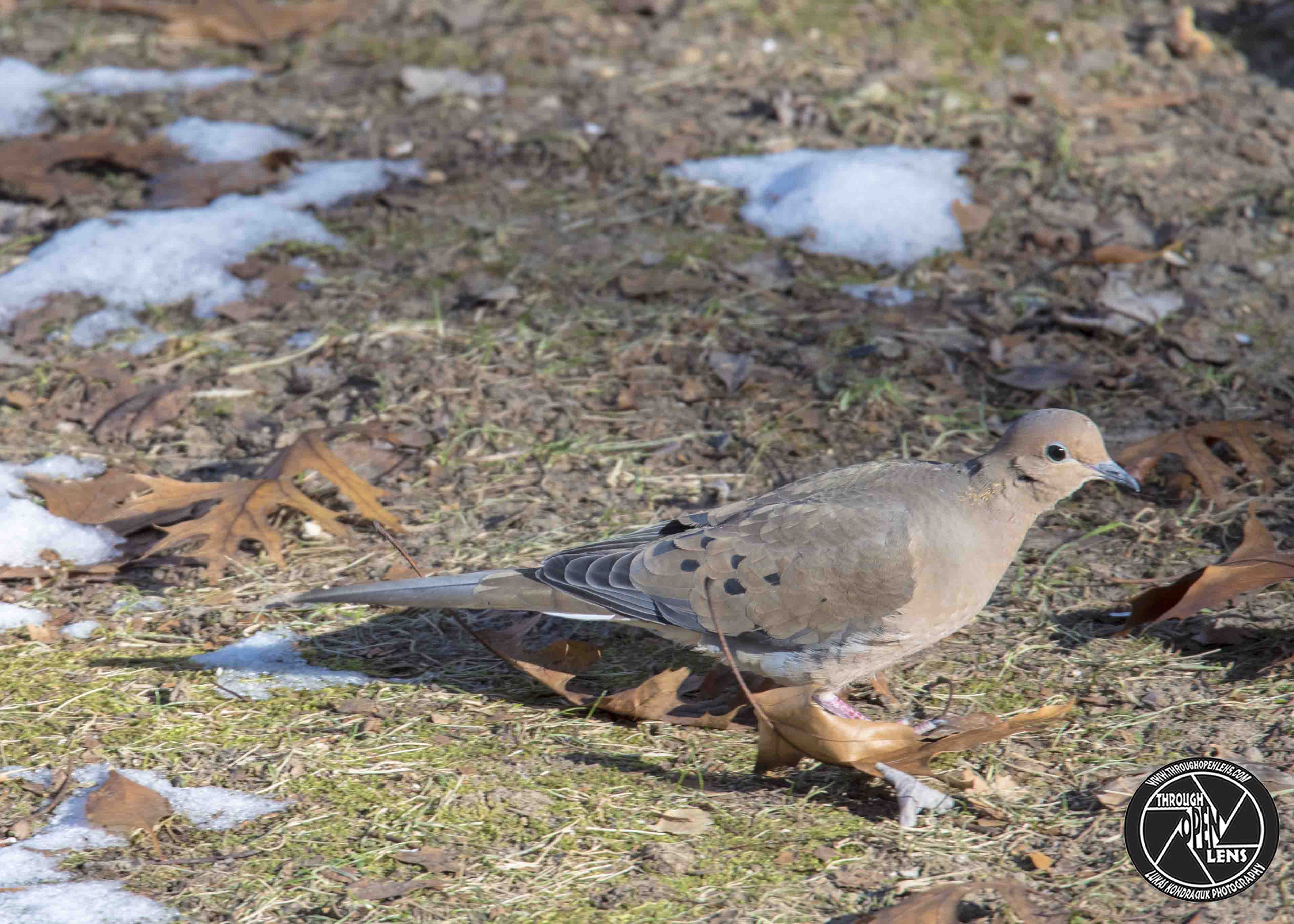
Out For A Run!

F/8.0, 1/250, ISO 250.

Mourning Dove

Why did the picture go to jail?

Because it was framed.

Interesting Fact:  Perhaps one reason why Mourning Doves survive in the desert: they can drink brackish spring water (up to almost half the salinity of sea water) without becoming dehydrated the way humans would. ( https://www.allaboutbirds.org/guide/Mourning_Dove )

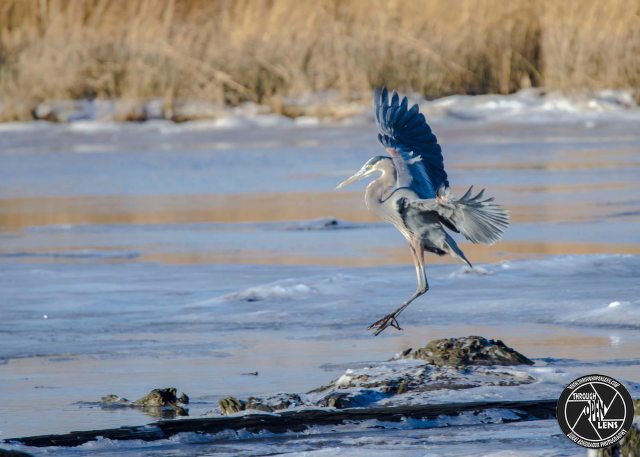
GERONIMO!

F/ 6.3, 1/1000, ISO 640.

Great Blue Heron

A magician was performing on cruise ship and each night while performing his pet parrot keeps saying:

“its up his sleeve”

” its in his pocket”.

“its in his shoe”.

“in his pants”.

Etc. and the magician was loosing his patience. one night while performing his tricks the ships boilers blew and the ship sank, the lucky magician was able to grab onto a ships table and float on the sea for a few days. the parrot in the mean time seemed non plussed and was looking quizzically at the magician for a few days whilst drifting. On the 4th day the parrots looks at his master and says:

“I give up… what did you do with the ship?”

Interesting Fact: Great Blue Herons have specialized feathers on their chest that continually grow and fray. The herons comb this “powder down” with a fringed claw on their middle toes, using the down like a washcloth to remove fish slime and other oils from their feathers as they preen. Applying the powder to their underparts protects their feathers against the slime and oils of swamps. ( https://www.allaboutbirds.org/guide/Great_Blue_Heron/lifehistory )