Mouth Full!

F/7.1, 1/160, ISO 320.

American Robin

Why are vampires so easy to fool?

Because they are suckers.

Interesting Fact: An American Robin can produce three successful broods in one year. On average, though, only 40 percent of nests successfully produce young. Only 25 percent of those fledged young survive to November. From that point on, about half of the robins alive in any year will make it to the next. Despite the fact that a lucky robin can live to be 14 years old, the entire population turns over on average every six years. ( https://www.allaboutbirds.org/guide/American_Robin/lifehistory )

I May Look Calm, But In My Head I’ve Killed You 3 Times.

F/10.0, 1/400, ISO 200.

Osprey

What do lawyers wear to court?

Lawsuits!

Interesting Fact: The Osprey readily builds its nest on manmade structures, such as telephone poles, channel markers, duck blinds, and nest platforms designed especially for it. Such platforms have become an important tool in reestablishing Ospreys in areas where they had disappeared. In some areas nests are placed almost exclusively on artificial structures. ( https://www.allaboutbirds.org/guide/Osprey/lifehistory )

From Small Beginnings Come Great Things

F/5.6, 1/200, ISO 100.

Canada Goose Goslings

What do you get when you cross fish and an elephant?

Swimming trunks.

Interesting Fact: Young often remain with their parents for their entire first year, especially in the larger subspecies. As summer wanes birds become more social; they may gather in large numbers at food sources; where food is limited and patchy, may compete with displays and fights.  ( https://www.allaboutbirds.org/guide/Canada_Goose/lifehistory )

When In Doubt Chill Out!

F/8.0, 1/250, ISO 250.

Great Blue Heron

Why was strawberry sad?

Because her mom was in a jam.

Interesting Fact: Great Blue Herons nest mainly in trees, but will also nest on the ground, on bushes, in mangroves, and on structures such as duck blinds, channel markers, or artificial nest platforms. Males arrive at the colony and settle on nest sites; from there, they court passing females. Colonies can consist of 500 or more individual nests, with multiple nests per tree built 100 or more feet off the ground. ( https://throughopenlens.com/tag/great-blue-heron/ )

PAUSE For A Moment And REFLECT

F/9.0, 1/320, ISO 320.

Red breasted Merganser 

What did E.T.’s mother say to him when he got home?

Where on Earth have you been?

Interesting Fact: The female creates a depression on the ground that she covers with dead grasses, forming a shallow bowl. She plucks down feathers from her breast to help insulate the nest. ( https://www.allaboutbirds.org/guide/Red-breasted_Merganser/lifehistory )


Oops, Wrong Tern!

F/7.1, 1/800, ISO 200.

Common Tern

What did the stamp say to the envelope?

Stick with me and we will go places!

Interesting Fact:  The incubating adult Common Tern flies off its nest to defecate 5-50 m (16-160 ft) away. It deposits its feces indiscriminately in nearby water or on the territories of other terns. ( https://www.allaboutbirds.org/guide/Common_Tern/lifehistory )

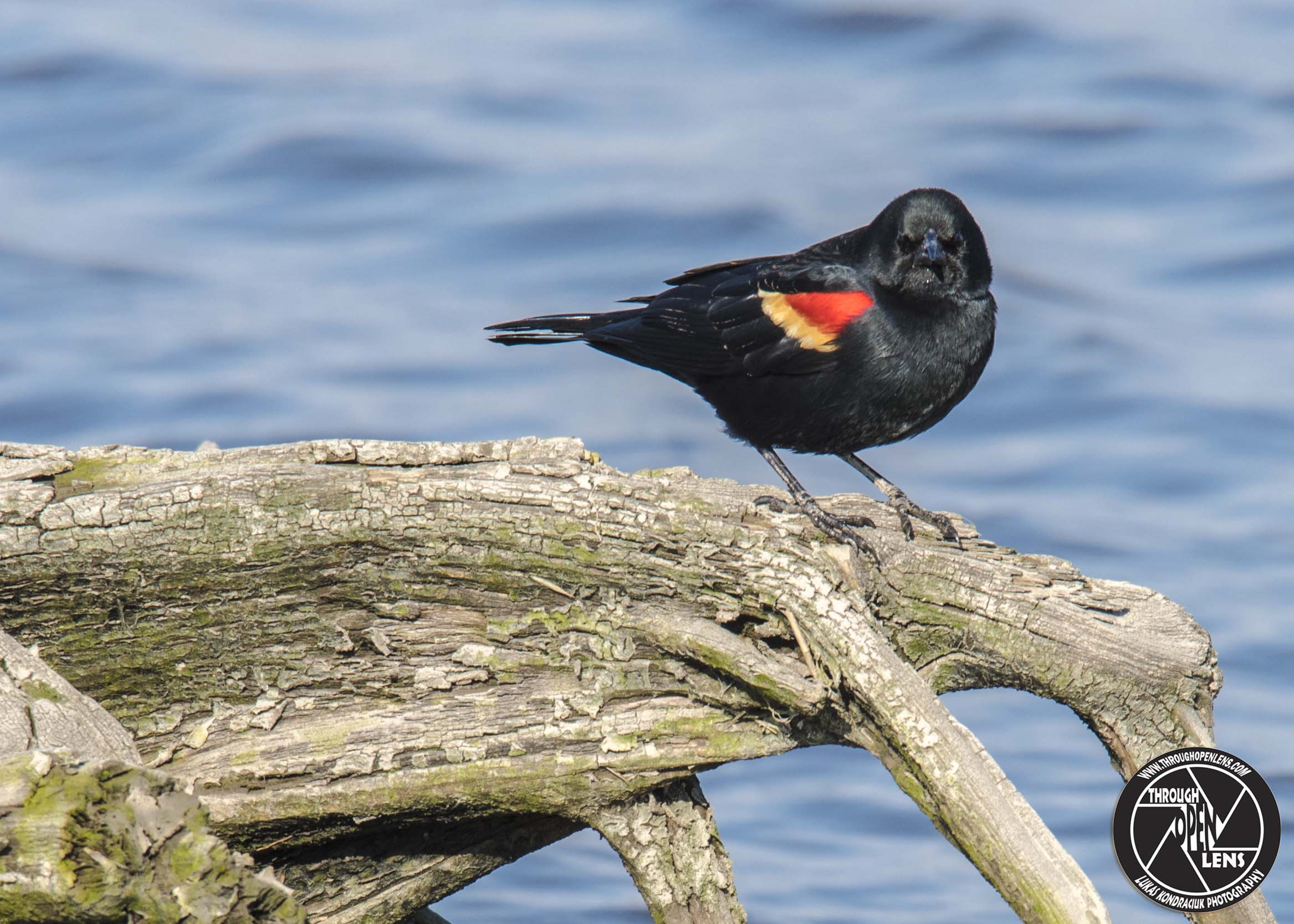
I Don’t Need Anger Management I Need People To Stop Pissing Me Off.

F/9.0, 1/320, ISO 320.

Red-winged Blackbird 

What did the ghost eat at his birthday party?

I scream

Interesting Fact: Male Red-winged Blackbirds spend much of the breeding season sitting on a high perch over their territories and singing their hearts out. Females tend to slink through reeds and grasses collecting food or nest material. Both males and females defend nests from intruders and predators. ( https://www.allaboutbirds.org/guide/Red-winged_Blackbird/lifehistory )

Always Be Yourself… Unless You Can Be A Duck… Then Always Be A Duck.

F/8.0, 1/250, ISO 200. 

Red-breasted Merganser 

Two men meet on opposite sides of a river.

One shouts to the other, “I need you to help me get to the other side!”

The other guy replies, “You’re on the other side!”

Interesting Fact: Red-breasted Mergansers are among the fastest flying ducks, clocking speeds of up to 81 miles per hour.  ( https://www.allaboutbirds.org/guide/Red-breasted_Merganser/lifehistory )


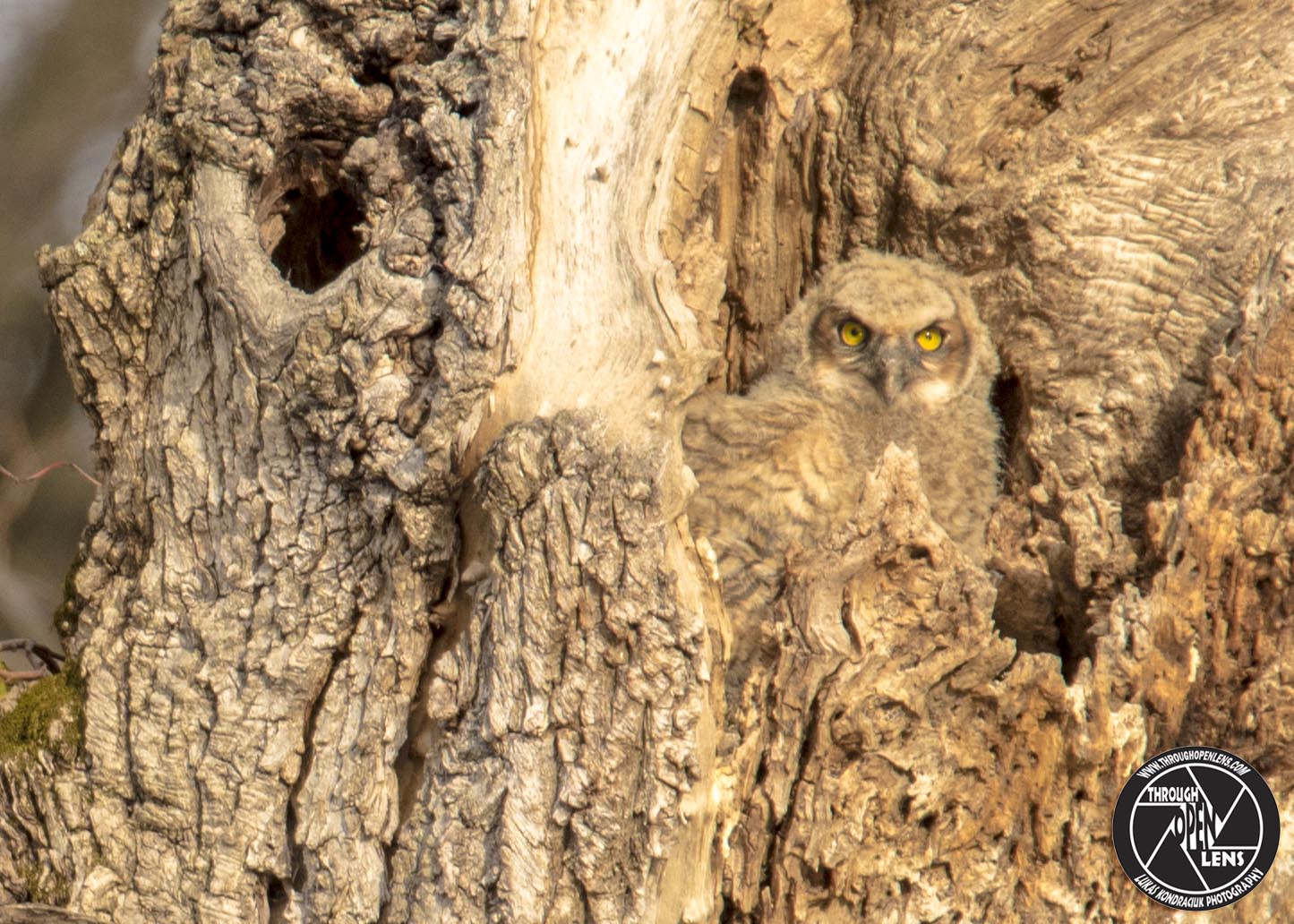
Be OWLsome!

F/8.0, 1/200, ISO 250.

Great Horned Owl 

What do you call an owl that can perform magic tricks

Hoo-dini

Interesting Fact: If you hear an agitated group of cawing American Crows, they may be mobbing a Great Horned Owl. Crows may gather from near and far and harass the owl for hours. The crows have good reason, because the Great Horned Owl is their most dangerous predator. ( https://www.allaboutbirds.org/guide/Great_Horned_Owl/ )

And It Was All Yellow!

F/7.1, 1/200, ISO 250.

Ruby-crowned Kinglet 

Why did the boy take a ladder to school?

It was a high school.

Interesting Fact: Ruby-Crowned Kinglets make their nests in trees, occasionally as high up as 100 feet. Females choose a nest site near the tree trunk or suspended from small twigs and branchlets. Because of the nest site’s height and often remote location, not much is known about kinglet nesting habits. Their nest sites, chosen by the females, are protected and often hidden by overhanging foliage. ( https://www.allaboutbirds.org/guide/Ruby-crowned_Kinglet/lifehistory )