HELLO From The Other Side!

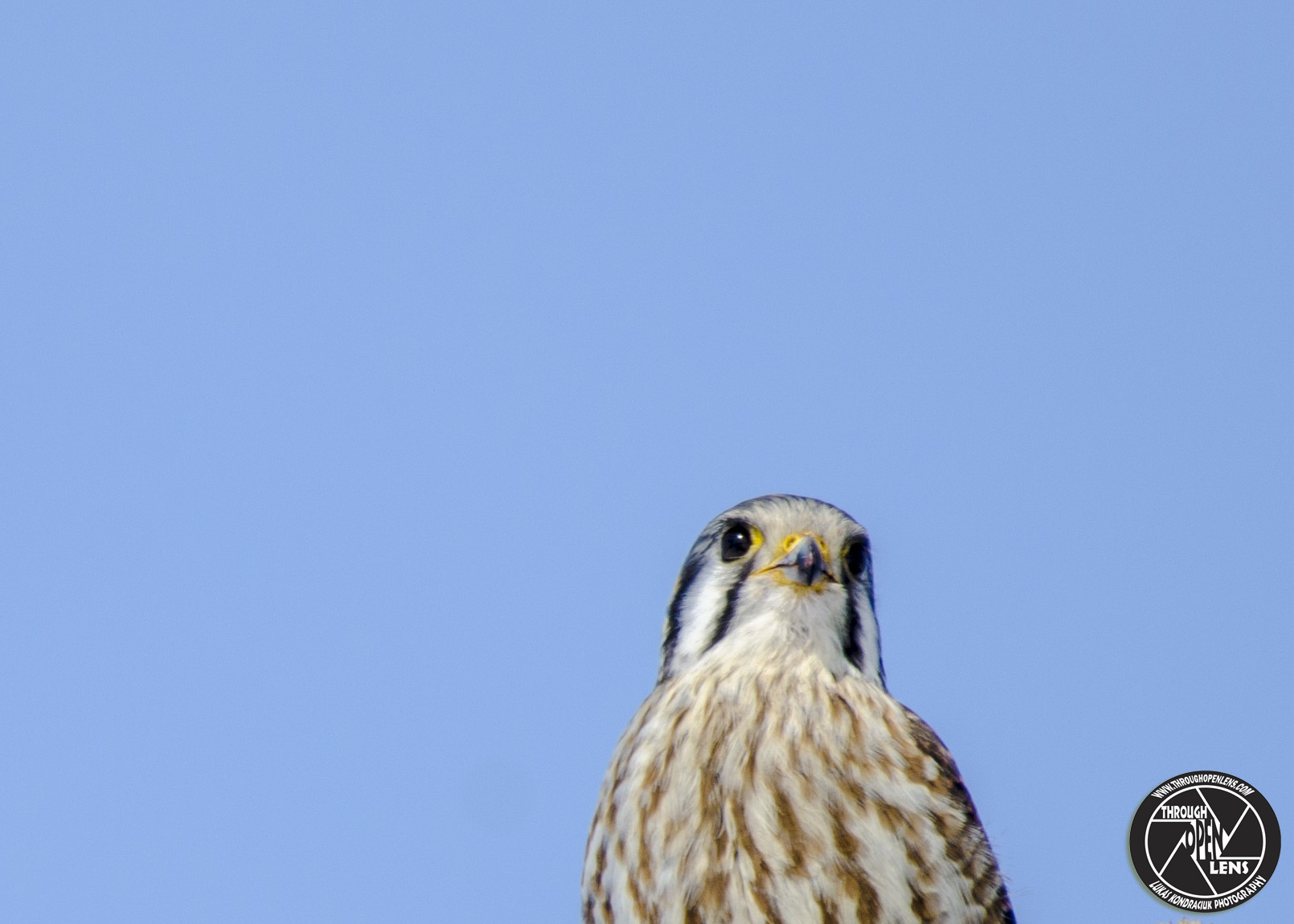
F/6.3, 1/640, ISO 200.

American Kestrel

What did the painter say to her boyfriend?

“I love you with all my art!”

Interesting Fact: It can be tough being one of the smallest birds of prey. Despite their fierce lifestyle, American Kestrels end up as prey for larger birds such as Northern Goshawks, Red-tailed Hawks, Barn Owls, American Crows, and Sharp-shinned and Cooper’s Hawks, as well as rat snakes, corn snakes, and even fire ants. ( https://www.allaboutbirds.org/guide/American_Kestrel )

I Dont Give A DUCK!

F/5.6, 1/1600, ISO 400.

Common Merganser ( Female )

Tom and Bob are talking:

Tom: “I managed to lose my rifle when I was in the army.”

Bob: “And…”

Tom: “I had to pay $1000 to cover the loss. I’m starting to understand why a Navy captain always goes down with his ship. ”

Interesting Fact: Often when one bird dives in a large group, the others follow the leader and disappear. They can stay under for up to 2 minutes, but they normally dive for less than 30 seconds. ( https://www.allaboutbirds.org/guide/Common_Merganser/lifehistory )

How You Like My Tuxedo!

dark-eyed-junco-2

F/8.0, 1/200, ISO 320.

Dark-eyed Junco

Caller: Dials in 911 Hello officer, I broke my arm in 3 places!

Officer: Then stop going to those places.

Interesting Fact: When foraging, Dark-eyed Juncos typically hop (rather than walk) on the ground, pecking or scratching at the leaf litter, or flit very low in underbrush gleaning food from twigs and leaves. They sometimes fly up from the ground to catch insects from tree trunks. In flight, they flap continuously and pump their tails so the white outer tail feathers flash; flight is very agile as the bird maneuvers through its tangled environs. ( https://www.allaboutbirds.org/guide/Dark-eyed_Junco/lifehistory )

Head Banging Is My Stress Reduction!

F/6.3, 1/800, ISO 800.

Yellow-Bellied Sapsucker

Why did the police arrest the turkey?

They suspected it of fowl play!

Interesting Fact: Yellow-bellied Sapsuckers have been found drilling sapwells in more than 1,000 species of trees and woody plants, though they have a strong preference for birches and maples. ( https://www.allaboutbirds.org/guide/Yellow-bellied_Sapsucker )

Don’t Forget To Duck!

F/6.3, 1/400, ISO 400.

Hooded Merganser

What did the calculator say to the math student?

You can count on me.

Interesting Fact: On the bird family tree, Hooded Mergansers (genus Lophodytes) lie between goldeneyes (Bucephala) and the other North American mergansers (Mergus). They share many courtship behaviors and calls with both of those groups. ( https://www.allaboutbirds.org/guide/Hooded_Merganser/lifehistory )

OWL Get You!

F/6.3, 1/250, ISO 1600.

Short Eared Owl

When does a Owl go “mooooo”?

When it is learning a new language!

Interesting Fact: As suggested by their wide global distribution, Short-eared Owls can travel long distances over vast expanses of ocean. Witnesses have reported seeing these owls descending on ships hundreds of miles from land.  ( https://www.allaboutbirds.org/guide/short-eared_owl/lifehistory )

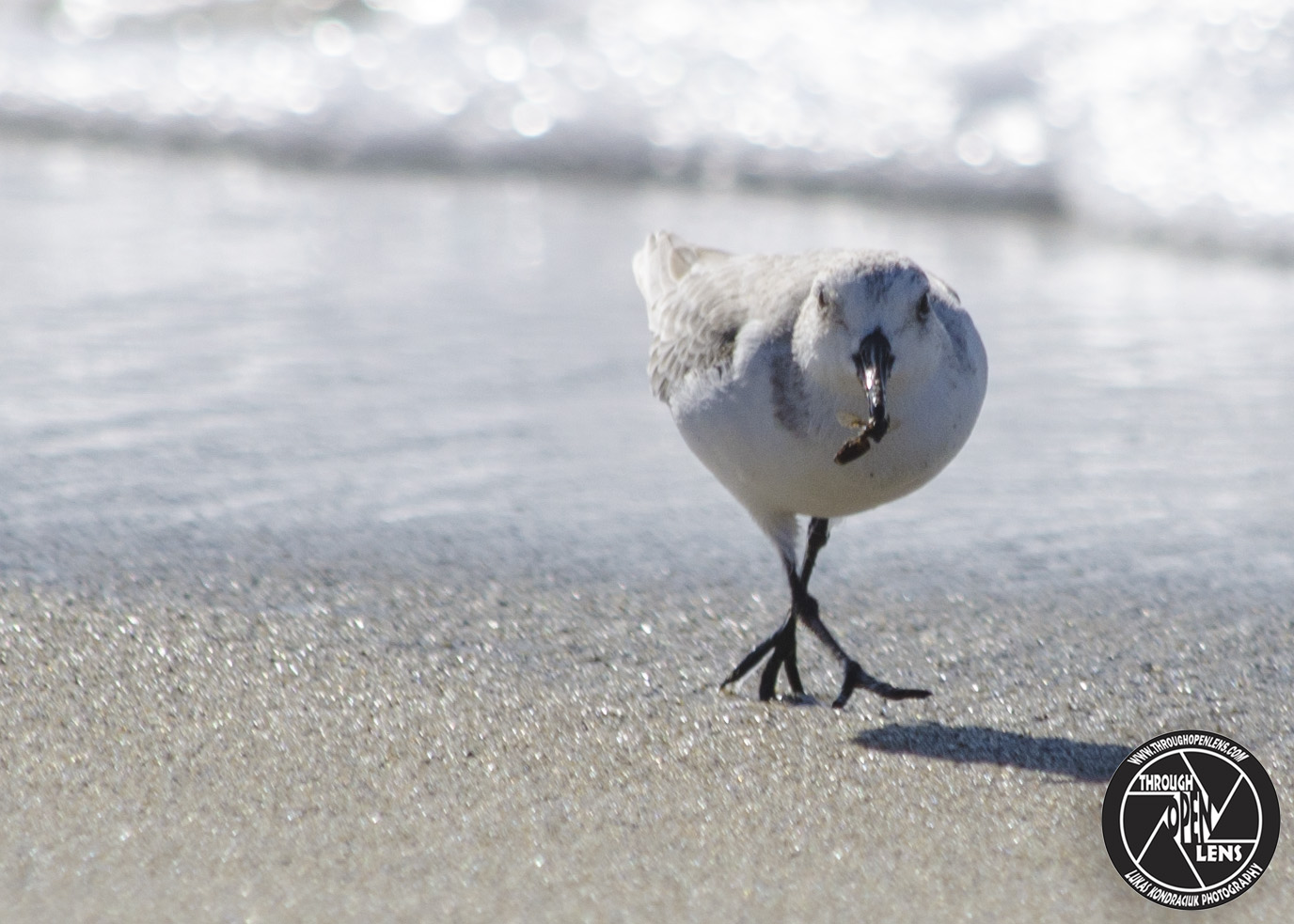
I Will Eat This!

sanderling-eating

F/8.0, 1/1000, ISO 200.

Sanderling

Bobby: “I am on my sea food diet right now”

Joey:  “How does it work?”

Bobby: “Whenever I see food I eat it!”

Interesting Fact: Long-distance migrant. Some Sanderlings travel as few as 1,800 miles to coastal New England, while others fly more than 6,000 miles to temperate South America. Even individuals that winter on the same beach can take different migration routes and may end up on different breeding grounds. ( https://www.allaboutbirds.org/guide/Sanderling/lifehistory )

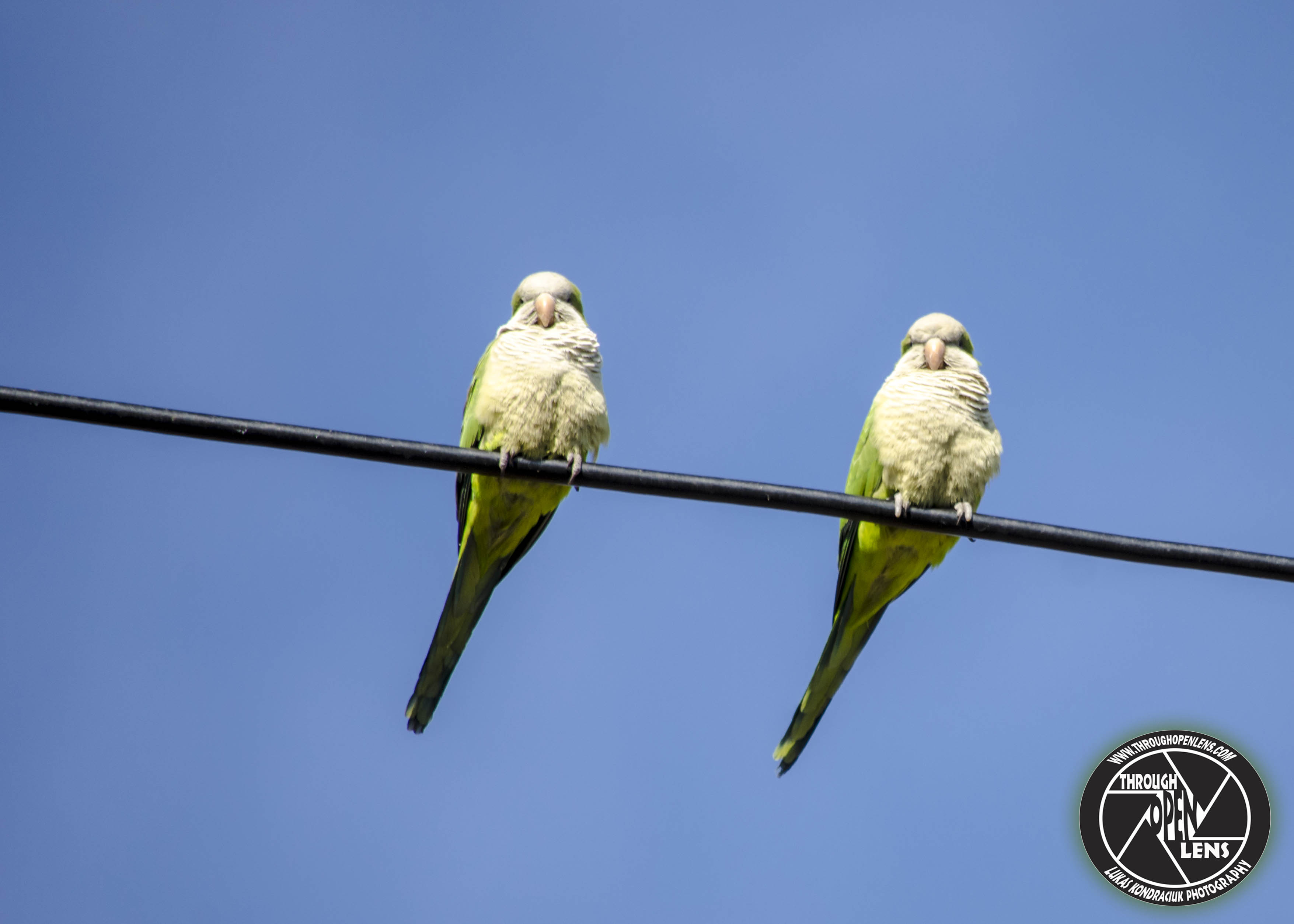
“So What’s So Great About Being OnLine?! “

monk-parakeets-online

F/6.3, 1/640, ISO 200.

Monk Parakeets

What is a parrot’s favorite game?

Hide and Speak!

Interesting Fact: In their native Argentina, Monk Parakeets sometimes adopt old nests of other species. Some ornithologists have suggested that this behavior may have been the first step, evolutionarily speaking, to transitioning from nesting in tree cavities to constructing stick nests. ( https://www.allaboutbirds.org/guide/Monk_Parakeet/lifehistory )

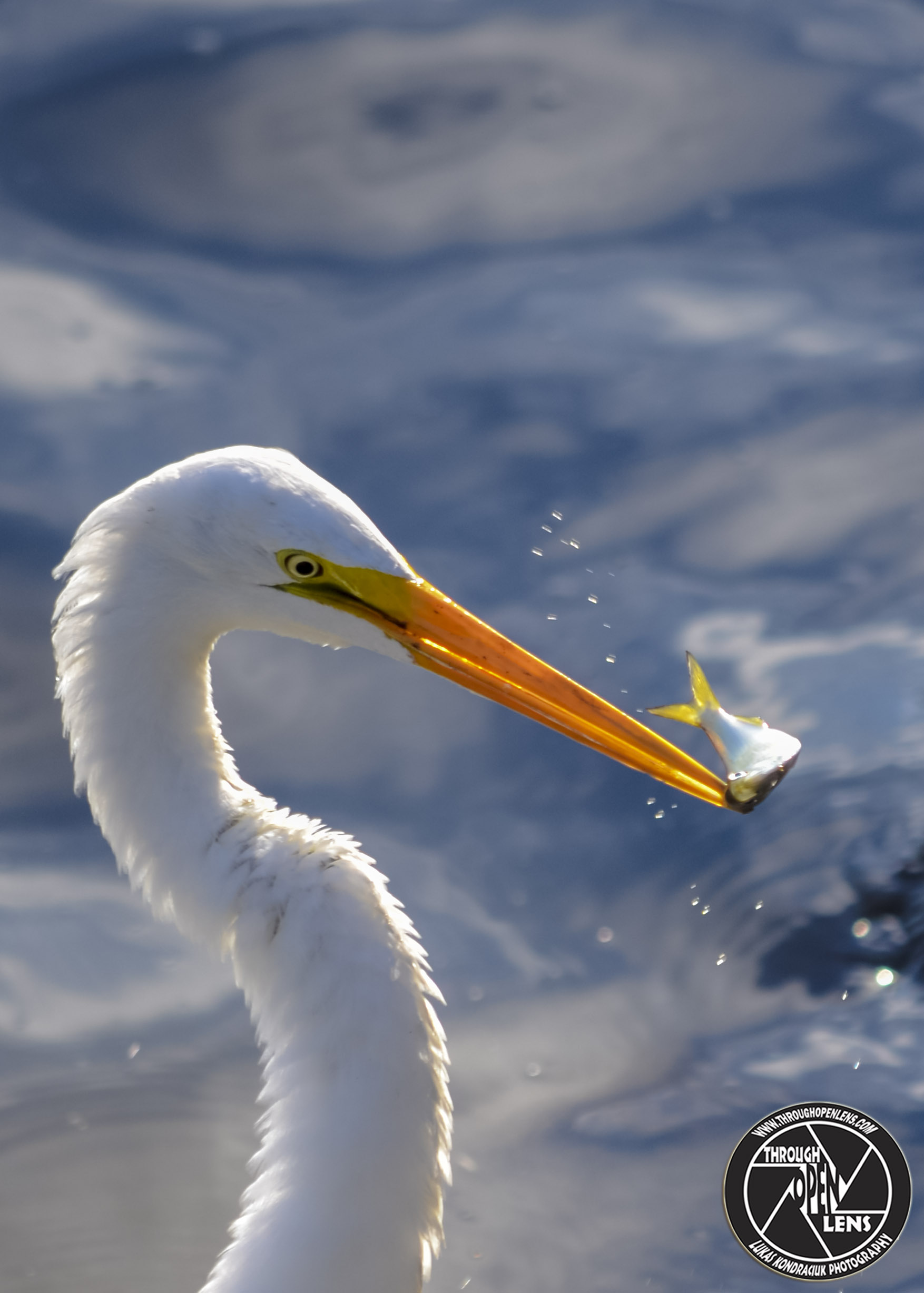
Catch Me If You Can!

F/5.6, 1/500, ISO 200.

Great Egret

What do you call a man with a rubber toe?

Roberto.

Interesting Fact: Though it mainly hunts while wading, the Great Egret occasionally swims to capture prey or hovers (somewhat laboriously) over the water and dips for fish. ( https://www.allaboutbirds.org/guide/Great_Egret

Do We Have A Problem Here!

F/6.3, 1/640, ISO800.

American Black Duck

What says “Quick, Quick”?

A duck with the hiccups.

Interesting Fact: If a mother is killed or separated from her brood, another Black Duck with ducklings of her own, regardless of their age, will quickly adopt the orphans. ( http://identify.whatbird.com/obj/392/_/American_Black_Duck.aspx )