I Claim This Rock!

F/5.6, 1/250, ISO 800.

Muskrat

Why did the cookie go to the hospital?

He felt crummy!

Interesting Fact: Muskrats are most active at night or near dawn and dusk. They feed on cattails and other aquatic vegetation. They do not store food for the winter, but sometimes eat the insides of their push-ups. While they may appear to steal food beavers have stored, more seemingly cooperative partnerships with beavers exist, as featured in the BBC David Attenborough wildlife documentary The Life of Mammals.[22][23] Plant materials compose about 95% of their diets, but they also eat small animals, such as freshwater mussels, frogs, crayfish, fish, and small turtles.[5][6] Muskrats follow trails they make in swamps and ponds. When the water freezes, they continue to follow their trails under the ice. ( https://en.wikipedia.org/wiki/Muskrat#Behavior )

Mine! Mine! Mine! Mine! Mine! Mine!

ring-billed-gulls

F/5.6, 1/320, ISO 400.

Ring-billed Gull             

What do you call a man with seagull on his head?

Cliff

Interesting Fact: Migrating Ring-billed Gulls apparently use a built-in compass to navigate. When tested at only two days of age, chicks showed a preference for magnetic bearings that would take them in the appropriate direction for their fall migration. The gulls also rely on landmarks and high-altitude winds to provide directional cues.  ( https://www.allaboutbirds.org/guide/Ring-billed_Gull/lifehistory )

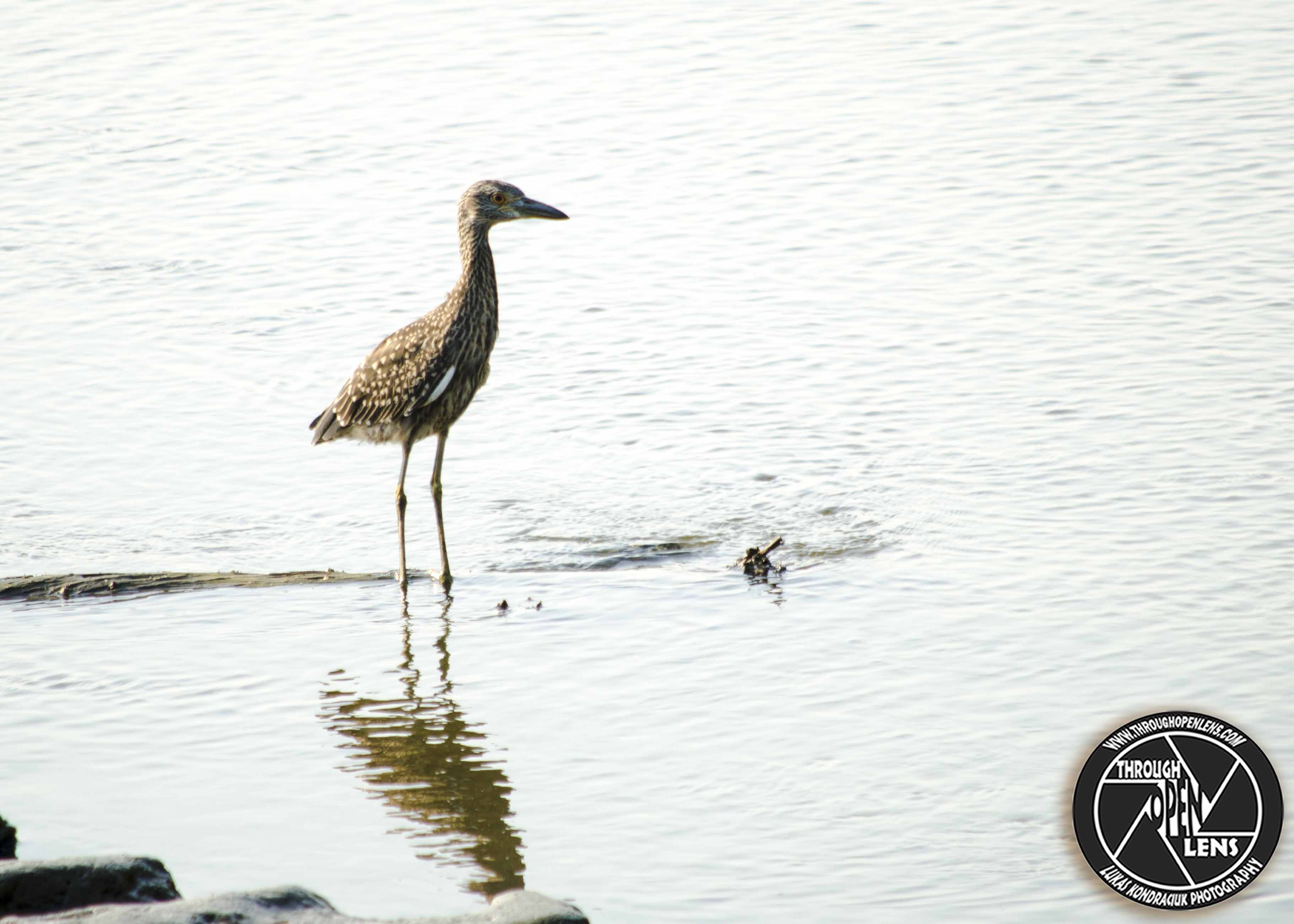
This Water Is Freezing!!!

F/5.6, 1/500, ISO 100.

Yellow-crowned Night-Heron ( Juvenile )

Why did the boy eat his homework?

Because his teacher said it was a piece of cake!

Interesting Fact: Yellow-crowned Night-Herons forage both during the day and at night—in coastal areas the tide can trump the time of day: most foraging occurs from 3 hours before high tide to 3 hours after. ( https://www.allaboutbirds.org/guide/Yellow-crowned_Night-Heron/lifehistory )


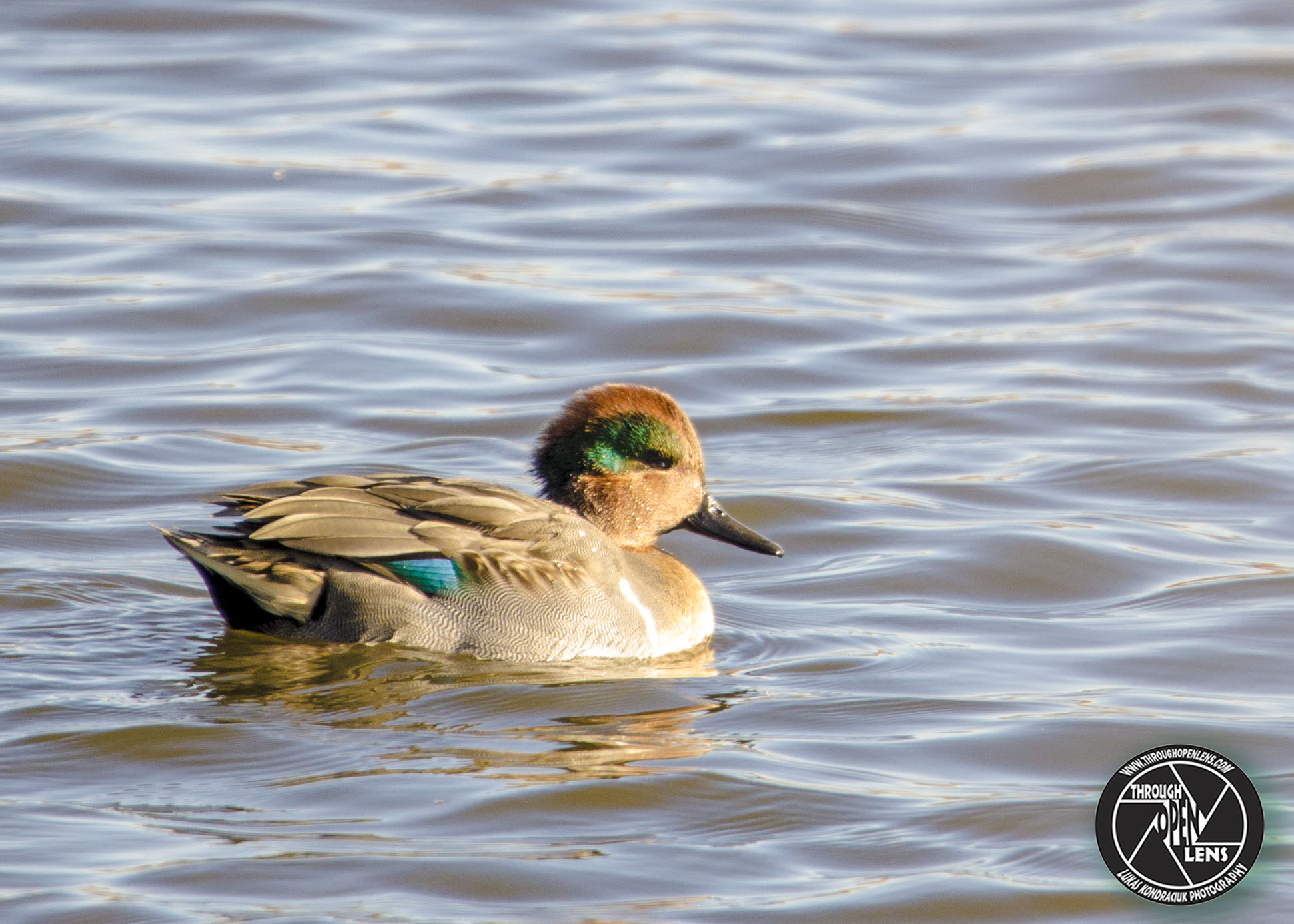
Be Like A Duck And QUACK!

F/6.3, 1/400, ISO 400.

Green-Winged Teal

How do you make a tissue dance?

Put a little boogie in it.

Interesting Fact: The Aleutian Islands of Alaska support their own race of Green-winged Teal, Anas crecca nimia. Unlike other Green-winged Teal populations, this race doesn’t migrate. In winter the birds move from summering sites on ponds and lakes to the islands’ beaches, where they forage in tide pools and on shallow-water reefs. ( https://www.allaboutbirds.org/guide/Green-winged_Teal/lifehistory )

Your Worries Will Float Away

gadwall

F/6.3,1/250, ISO 400.

Gadwall

Why are bad school grades like a shipwreck in the Arctic Ocean?

They’re both below C level!

Interesting Fact: Gadwall have increased in numbers since the 1980s, partly because of conservation of wetlands and adjacent uplands in their breeding habitat through the Conservation Reserve Program and the North American Waterfowl Management Plan. Their habit of nesting on islands within marshes gives them some protection from predators. ( https://www.allaboutbirds.org/guide/Gadwall/lifehistory )

Flap Your Wings Like Bird!

F/6.3, 1/500, ISO 1000.

Golden-crowned Kinglet

Two fish are in a tank.

One turns to the other and says, “Hey, do you know how to drive this thing?”

Interesting Fact: Although it used to nest almost exclusively in boreal spruce-fir forests, the Golden-crowned Kinglet has been expanding its breeding range southward into conifer stands of the Midwest and Appalachians. ( https://www.allaboutbirds.org/guide/Golden-crowned_Kinglet/lifehistory )

Haven’t You Heard That The Bird Is The Word ?!

F/5.6, 1/125, ISO 125.

Anna’s Hummingbird

What did the summer say to the spring?

Help! I’m going to fall.

Interesting Fact: Hummingbirds are very smart and they can remember every flower they have been to, and how long it will take a flower to refill. ( http://www.worldofhummingbirds.com/facts.php )

When you are with the right person, every day is Valentine’s Day!

Happy Valentines Day

F/5.6, 1/1600, ISO 400.

Mute Swan

What’s the best part about Valentines Day?

The day after when all the chocolate goes on sale.

Interesting Fact:  The Mute Swan is reported to mate for life. However, changing of mates does occur infrequently, and swans will remate if their partner dies. If a male loses his mate and pairs with a young female, she joins him on his territory. If he mates with an older female, they go to hers. If a female loses her mate, she remates quickly and usually chooses a younger male.  ( https://www.allaboutbirds.org/guide/Mute_Swan/lifehistory )

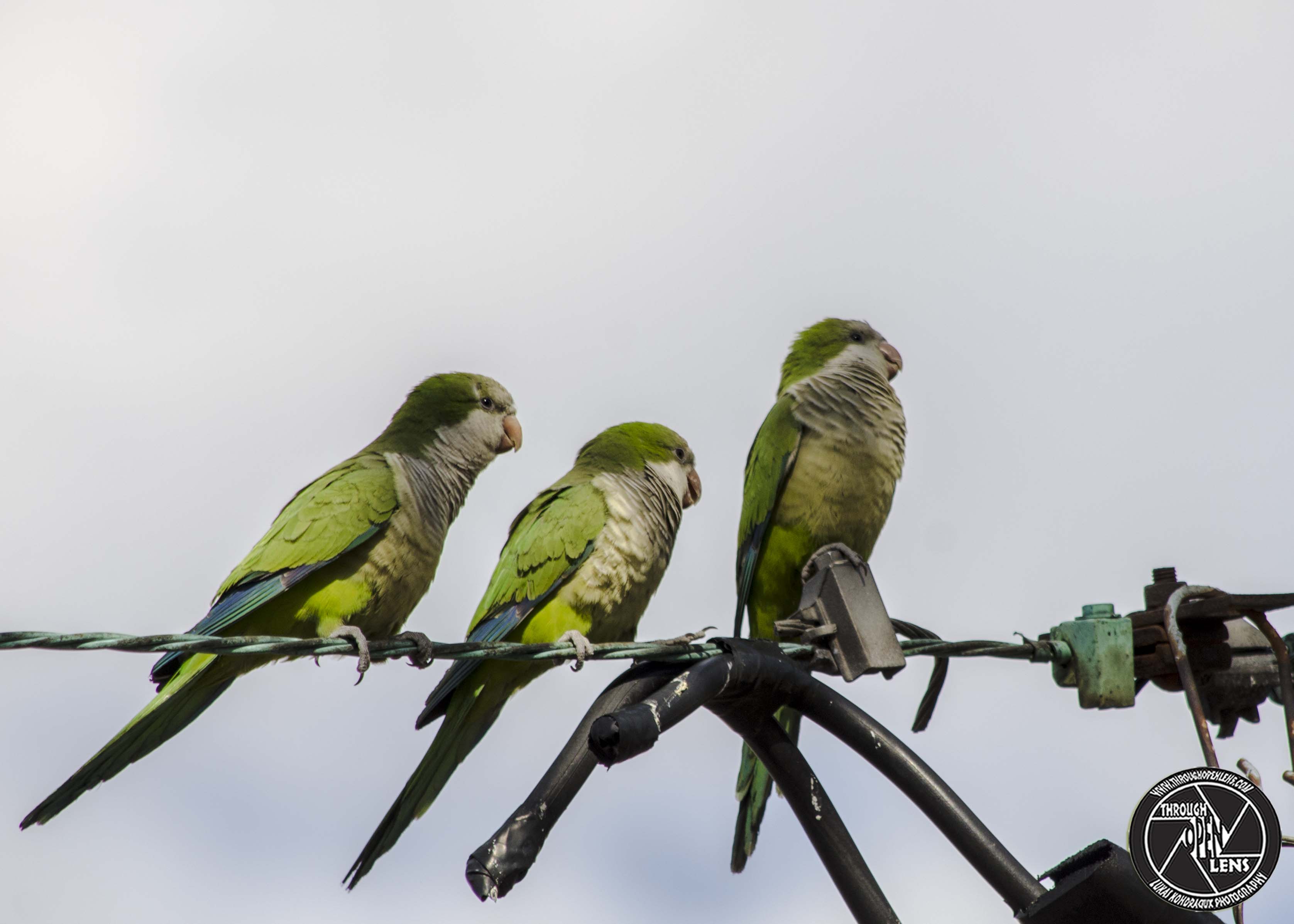
We Are Online Now.

F/7.1, 1/800, ISO 200.

Monk Parakeets

Where does a bee keep his stinger?

In his honey!

Interesting Fact: Monk Parakeets spend a lot of time preening each other. These long-lived birds form socially monogamous pairs, and courtship involves a pair preening each other and grasping each other by the beak while shaking their heads.  ( https://www.allaboutbirds.org/guide/Monk_Parakeet/lifehistory )

Ehh, What’s Up Duck?

F/5.6, 1/500, ISO 200.

Mallard 

Why did the duck cross the road?

Because there was a quack in the sidewalk. 

Interesting Fact:  Ducks have webbed feet, which they use for paddling beneath the water. Their feet have no nerves or blood vessels, which mean that they won’t feel chill from swimming in icy water. ( https://americanexpedition.us/mallard-duck-information-facts-photos-and-artwork )