Today’s Forecast Calling For A 90% Chance Of Swamp-Ass.

F/6.3, 1/160, ISO 800.

Great Egret

Why did the lady quit her job at the orange juice factory?

She couldn’t concentrate.

Interesting Fact: Males choose the display areas, where nests are later constructed. The nest itself is up to 100 feet off the ground, often over water, usually in or near the top of a shrub or tree such as a redwood, tamarisk, live oak, eastern redcedar, yaupon holly, wax myrtle, mangrove, Australian pine, buttonwood, Brazilian pepper, black willow, or privet. Great Egrets occasionally nest on the ground or on artificial platforms. ( https://www.allaboutbirds.org/guide/Great_Egret/lifehistory )
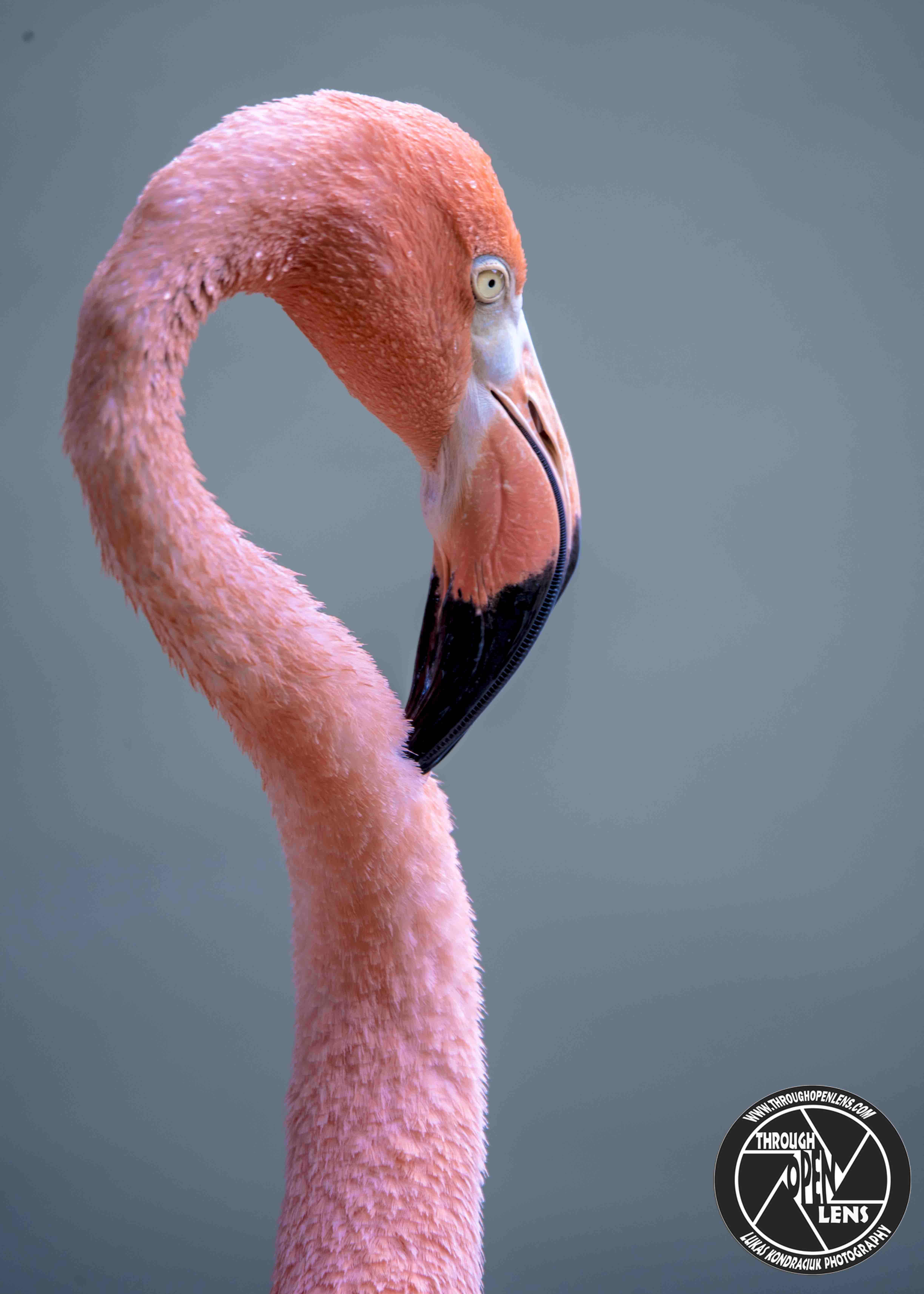
So Much On My Mind It’s A Wonder My Neck Doesn’t Snap.

F/6.3, 1/50, ISO 200.

American Flamingo 

What did one hat say to the other?

You stay here, I’ll go on a head.

Interesting Fact: The American flamingo has adapted to its shallow-water environment in several ways. It has evolved long legs and large webbed feet to wade and stir up the bottom of the water bed to bring up their food source to then be retrieved. To feed, it has evolved a specialized beak which is hooked downward and features marginal lamellae on the upper mandible, and inner and outer lamellae on both the upper and lower mandibles. These are adapted for filtering out differently sized food from water.[16] Depending on the food source in their area, diets depend on the exact morphology of their beaks on what can and cannot be strained out of them. It submerges its head under water to retrieve its food, and may have its head under water for long times, which requires it to hold its breath. Factors which affect the habitat choice of American flamingos are environmental temperatures, water depth, food source, accessibility of an area, and the presence of vegetation beds in feeding areas. If available food items do not meet the needs of the flamingos or the temperature is not appropriate to their requirements, they move to a better feeding or more temperate area. ( https://en.wikipedia.org/wiki/American_flamingo )

That’s Not A Wild Goose Chase. That’s Bingo.

F/7.1, 1/200, ISO 400.

Domestic Geese in Wild

Which two letters in the alphabet are always jealous?

NV.

Interesting Fact: In Europe, northern Africa, and western Asia, the original domesticated geese are derived from the greylag goose Anser anser. In eastern Asia, the original domesticated geese are derived from the swan goose Anser cygnoides; these are commonly known as Chinese geese. Both have been widely introduced in more recent times, and modern flocks in both areas (and elsewhere, such as Australia and North America) may consist of either species, and/or hybrids between them. Chinese geese may be readily distinguished from European geese by the large knob at the base of the bill, though hybrids may exhibit every degree of variation between them. ( https://en.m.wikipedia.org/wiki/Domestic_goose )

Next Time I Am Wearing Green!

F/6.3, 1/ 160, ISO 320.

Chipping Sparrow

How do farmers party?

They turnip the beets.

Interesting Fact: The early naturalists had a gift for description you just don’t see anymore. In 1929, Edward Forbush called the Chipping Sparrow “the little brown-capped pensioner of the dooryard and lawn, that comes about farmhouse doors to glean crumbs shaken from the tablecloth by thrifty housewives.” ( https://www.allaboutbirds.org/guide/Chipping_Sparrow/lifehistory )

Relax, We’re All Crazy It’s Not A Competition!

F/10.0, 1/400, ISO 250.

Song Sparrow

Where do polar bears vote?

The North Poll.

Interesting Fact: The Song Sparrow is found throughout most of North America, but the birds of different areas can look surprisingly different. Song Sparrows of the Desert Southwest are pale, while those in the Pacific Northwest are dark and heavily streaked. Song Sparrows of Alaska’s Aleutian Islands chain are even darker, and they’re huge: one-third longer than the eastern birds, and weighing twice as much.  ( https://www.allaboutbirds.org/guide/Song_Sparrow/lifehistory )


We Are Not Short, We Are Just More Down To Earth Than Other Birds.

F/5.6, 1/500, ISO 320.

Least Sandpiper

A termite walks into a bar and says, “Where is the bar tender?”

Interesting Fact: The Least Sandpiper is the smallest shorebird in the world, weighing in at about 1 ounce and measuring 5-6 inches long. Males are slightly smaller than females. ( https://www.allaboutbirds.org/guide/Least_Sandpiper/lifehistory )

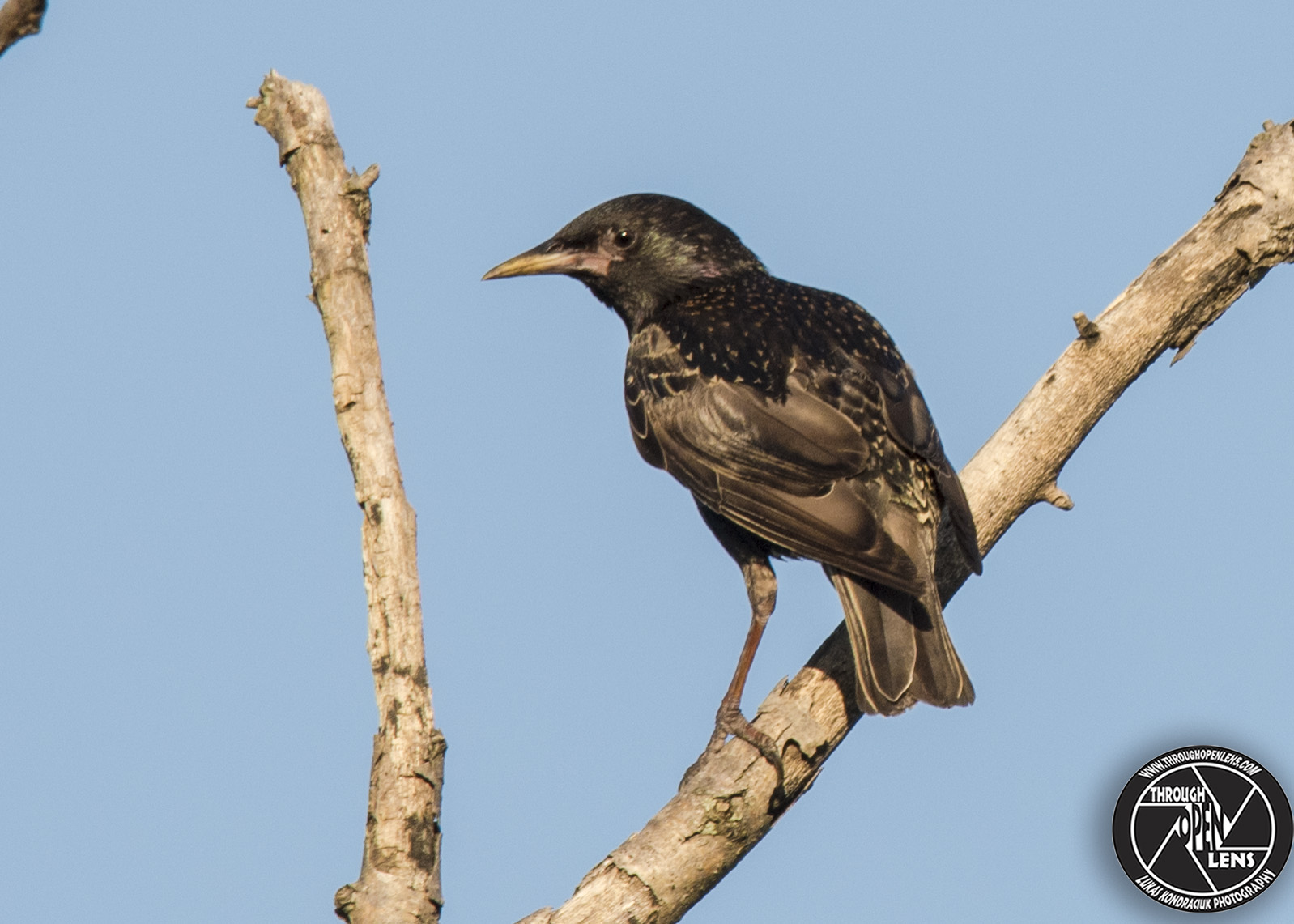
A Simple Hello Could Lead To Million Things

F/11.0, 1/500, ISO 250.

European Starling

What’s the difference between a guitar and a fish?

You can’t tuna fish.

Interesting Fact: Starlings turn from spotted and white to glossy and dark each year without shedding their feathers. The new feathers they grow in fall have bold white tips – that’s what gives them their spots. By spring, these tips have worn away, and the rest of the feather is dark and iridescent brown. It’s an unusual changing act that scientists term “wear molt.” ( https://www.allaboutbirds.org/guide/European_Starling/lifehistory )

The Call Of The Wild

F/13.0, 1/640, ISO 200.

Eastern Phoebe

What happens if you eat yeast and shoe polish?

Every morning you’ll rise and shine!

Interesting Fact: In 1804, the Eastern Phoebe became the first banded bird in North America. John James Audubon attached silvered thread to an Eastern Phoebe’s leg to track its return in successive years. ( https://www.allaboutbirds.org/guide/Eastern_Phoebe/lifehistory )

Don’t worry, I’m not gonna do what you all think I’m gonna do, which is, you know, FLIP OUT!

F/9.0, 1/320, ISO 320.

Greater Antillean Grackle

What do you call a broke Santa?jerry

It’s Saint-NICKEL-LESS

Interesting Fact: The Greater Antillean grackle (Quiscalus niger) is a grackle found throughout the Greater Antilles as well as smaller, nearby islands. Like all Quiscalus grackles, it is a rather large, gregarious bird.[2] It lives largely in heavily settled areas. It is also known as the ‘kling-kling’. ( https://en.wikipedia.org/wiki/Greater_Antillean_grackle )

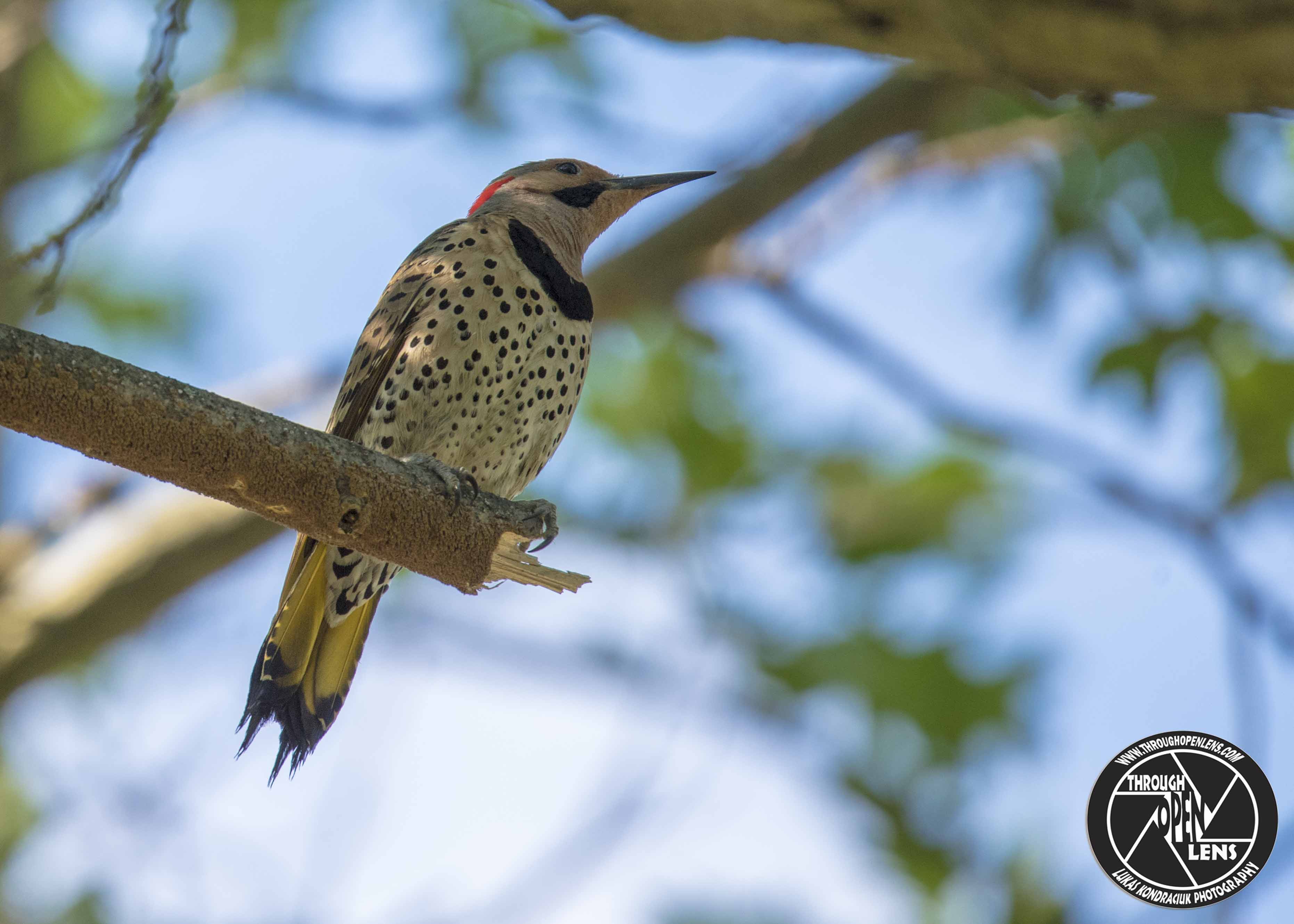
I Have Been Thinking To Buy A Drill.

F/8.0, 1/250, ISO 500.

Northern Flicker 

What is a mattress’ favorite season?

Spring.

Interesting Fact: Northern Flickers usually excavate nest holes in dead or diseased tree trunks or large branches. In northern North America look for nests in trembling aspens, which are susceptible to a heartrot that makes for easy excavation. Unlike many woodpeckers, flickers often reuse cavities that they or another species excavated in a previous year. ( https://www.allaboutbirds.org/guide/Northern_Flicker/lifehistory )