Do You Even LIFT BRO?l

F/10.0, 1/400, ISO 320.

Mount San Jacinto State Park 

What is a pretzel’s favorite dance?

The twist.

Interesting Facts: The Palm Springs Aerial Tramway in Palm Springs, California, is the largest rotating aerial tramway in the world. It was opened in September 1963 as a way of getting from the floor of the Coachella Valley to near the top of San Jacinto Peak and was constructed in rugged Chino Canyon. Before its construction, the only way to the top of the mountain was to hike hours from Idyllwild. The rotating cars were added in 2000. ( Palm Springs Aerial Tramway – Wikipedia)
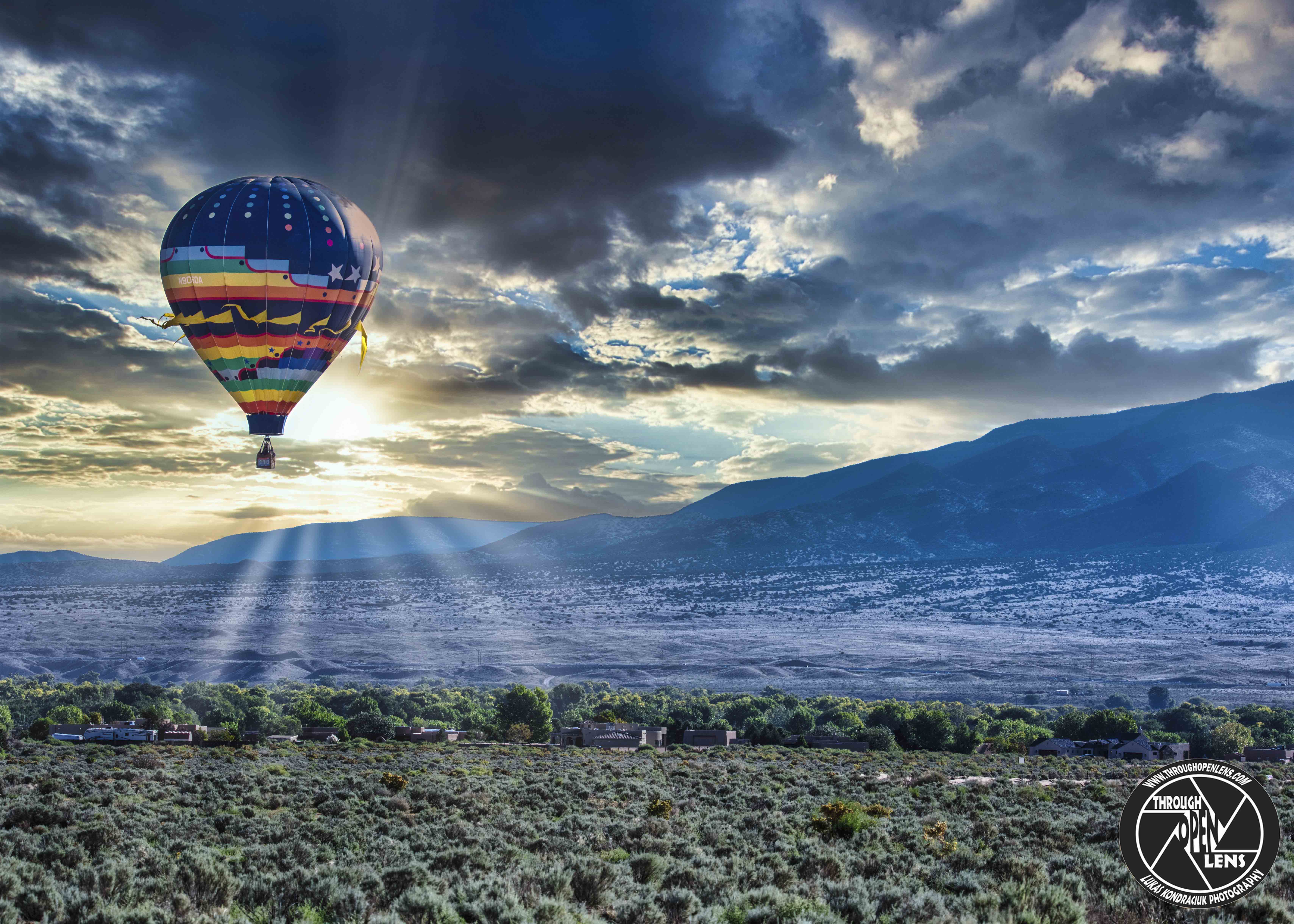
A Good Mood Is Like A Balloon, One Little Prick Is All It Takes To Ruin It.

F/11.0, 1/500, ISO 250, Photoshop.

Rio Rancho, New Mexico. 

Did you hear the rumor about butter?

Well, I’m not going to spread it!

Interesting Fact: The great majority of Rio Rancho was originally part of the Town of Alameda Grant, which was founded by Spanish settlers in 1710. By the early 20th century, much of the land grant had been sold to land investment companies. Amrep Corporation purchased 55,000 acres (22,000 ha) in 1961 and turned the land into a housing development called “Rio Rancho Estates”, with the first families moving in the early 1960s. Amrep contracted with Ezio Valentini, one of the original developers of Cape Coral, Florida, to design and implement a unique marketing plan to conduct land-sales, dinner-party program in northern states to open offices in 14 states. The population grew ten-fold between 1970 and 1980 and the City of Rio Rancho was incorporated in 1981. The opening of a large Intel Corporation plant in 1981 had a major economic impact on the city. ( Rio Rancho, New Mexico – Wikipedia )


Happy New Year! Here’s To Having A Fresh Start At Binge Eating, Boozing, And Slacking Off!

F/5.0, 1/60, ISO 800, Photoshop. 

What Does it Mean If You Were Born In September?

That your parents started the new year with a BANG!

Interesting Fact: During the Middle Ages in Western Europe, while the Julian calendar was still in use, authorities moved New Year’s Day, depending upon locale, to one of several other days, including March 1, March 25, Easter, September 1, and December 25. Beginning in 1582, the adoptions of the Gregorian calendar has meant that many national or local dates in the Western World and beyond have changed to using one fixed date for New Year’s Day, January 1. ( New Year – Wikipedia )

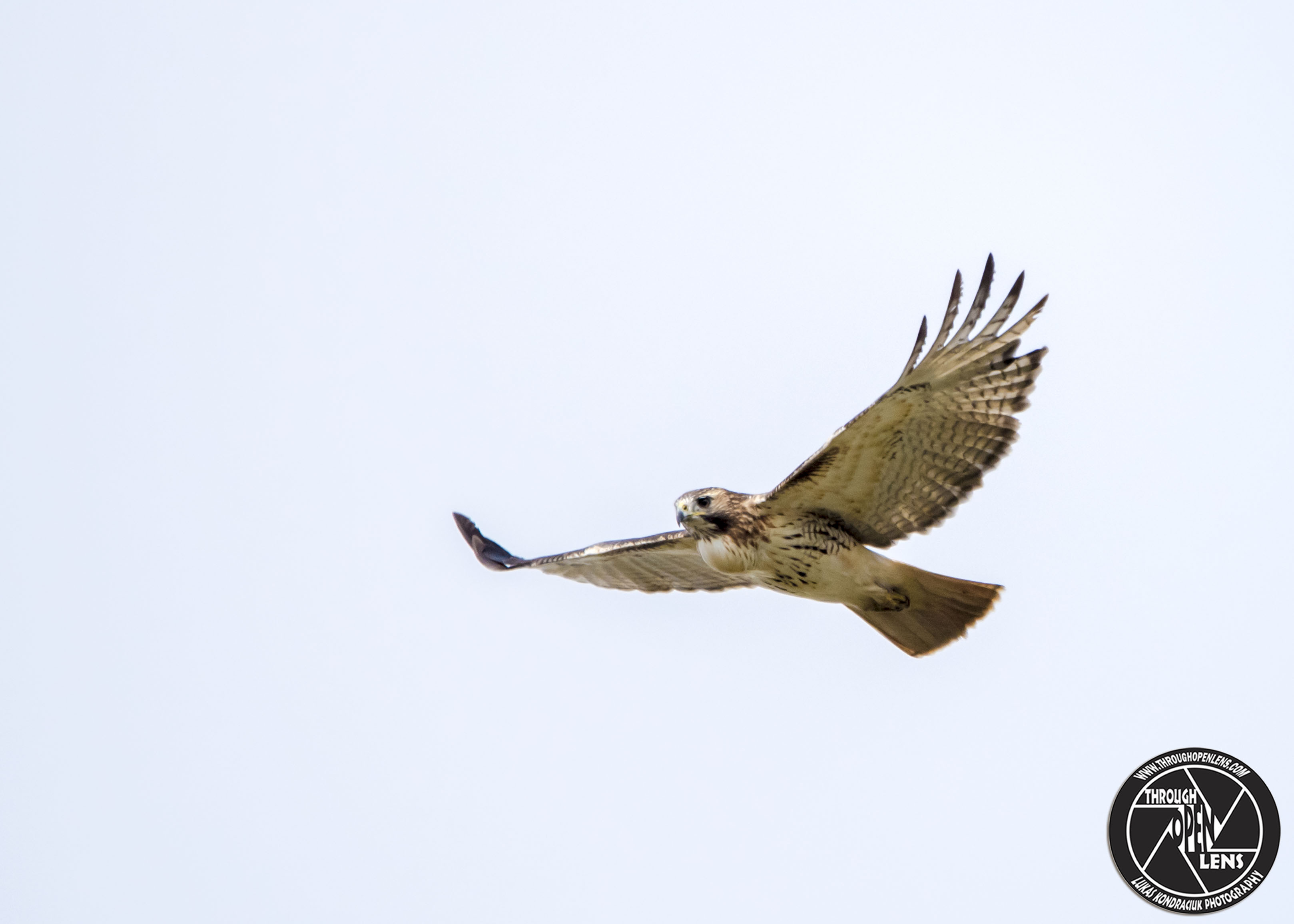
I’m So High!

F/6.3, 1/2500, ISO 320.

Red-tailed Hawk

One day a man came home from work to find his wife crying hysterically in the kitchen.

“What’s wrong, dearest?” asked the confused husband.

“Oh darling,” sobbed the wife,

“I was cleaning little Jen’s room when I found whips, handcuffs and chains under her bed, along with a very erotic porn magazine! What ever are we going to do?”

“Well,” replied the man, “I guess a spanking is out of the question?”

Interesting Fact: The oldest known wild Red-tailed Hawk was at least 30 years, 8 months old when it was found in Michigan in 2011, the same state where it had been banded in 1981. ( https://www.allaboutbirds.org/guide/Red-tailed_Hawk/overview )

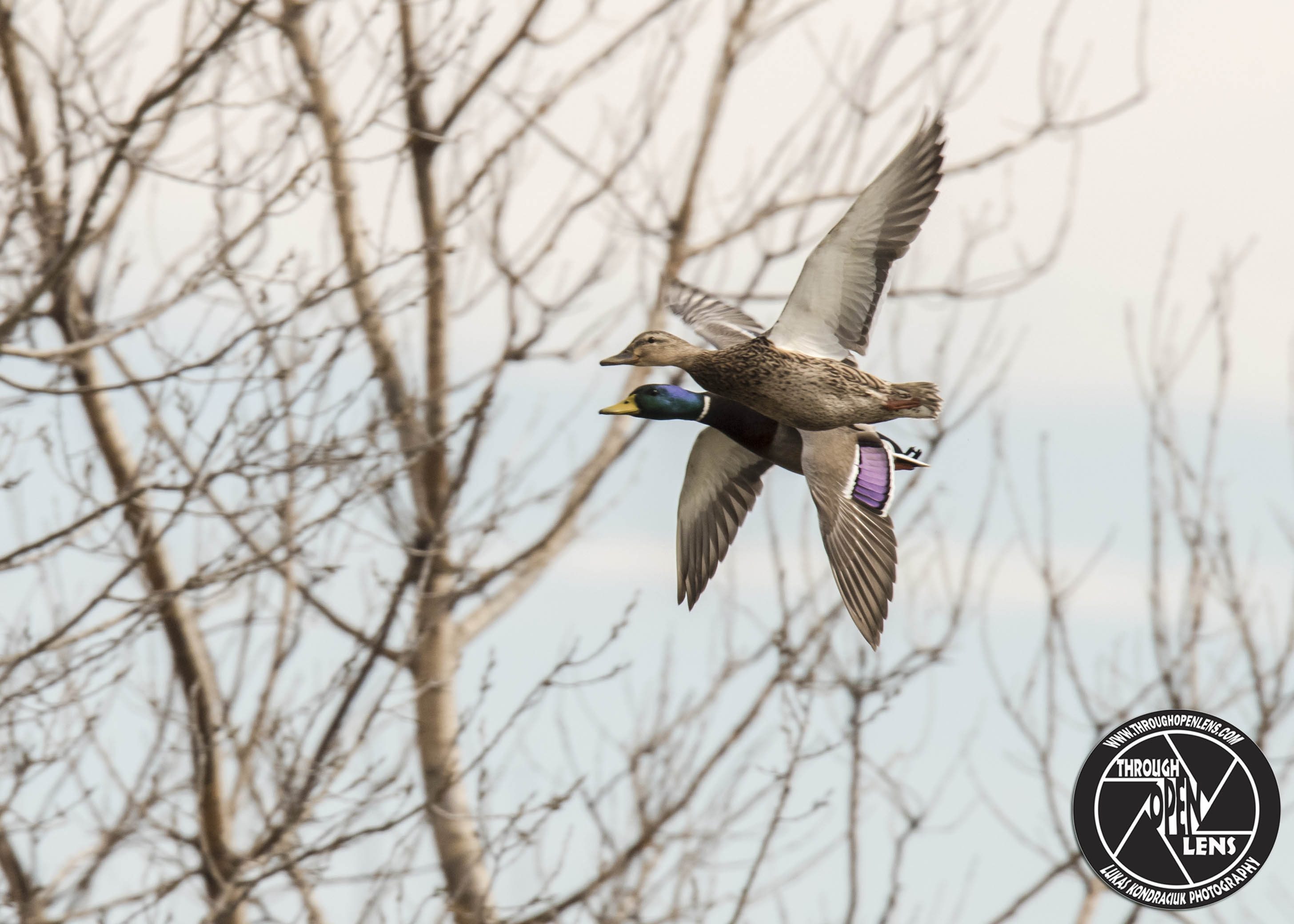
Together We Fly!

F/13.0, 1/640, ISO 400.

Mallard

As a scarecrow, people say I’m outstanding in my field.

But hay, it’s in my jeans.

Interesting Fact: Mallards, like other ducks, shed all their flight feathers at the end of the breeding season and are flightless for 3–4 weeks. They are secretive during this vulnerable time, and their body feathers molt into a concealing “eclipse” plumage that can make them hard to identify. ( https://www.allaboutbirds.org/guide/Mallard )

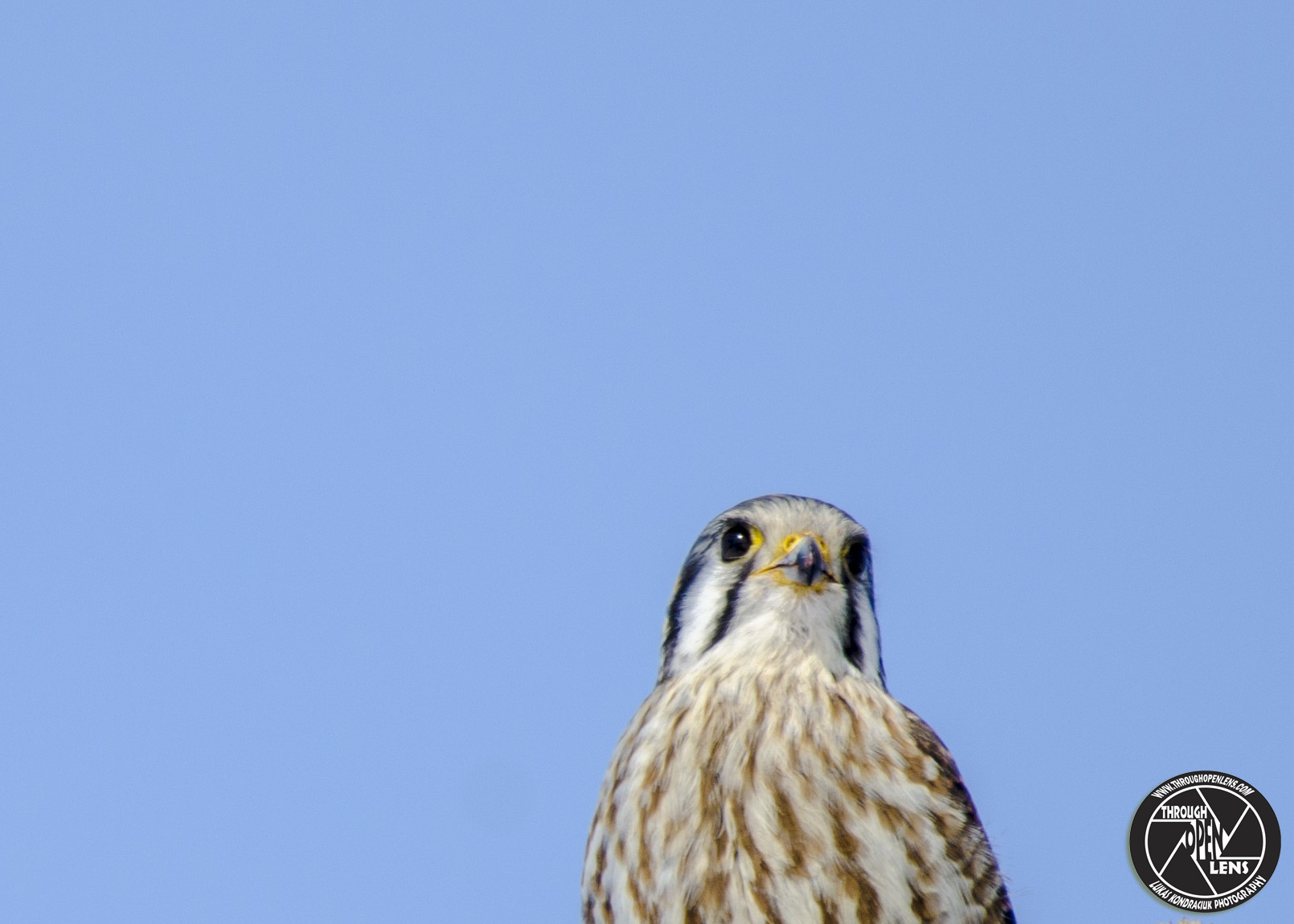
HELLO From The Other Side!

F/6.3, 1/640, ISO 200.

American Kestrel

What did the painter say to her boyfriend?

“I love you with all my art!”

Interesting Fact: It can be tough being one of the smallest birds of prey. Despite their fierce lifestyle, American Kestrels end up as prey for larger birds such as Northern Goshawks, Red-tailed Hawks, Barn Owls, American Crows, and Sharp-shinned and Cooper’s Hawks, as well as rat snakes, corn snakes, and even fire ants. ( https://www.allaboutbirds.org/guide/American_Kestrel )

I’m So Fly!

F/11.0, 1/500, ISO 320.

Northern Harrier

A camel meets an elephant.

The elephant asks jokingly: “Why do you have two breasts on your back?”

The camel replies: “With a face like yours, I’d just shut up.”

Interesting Fact: Northern Harriers are the most owl-like of hawks (though they’re not related to owls). They rely on hearing as well as vision to capture prey. The disk-shaped face looks and functions much like an owl’s, with stiff facial feathers helping to direct sound to the ears. ( https://www.allaboutbirds.org/guide/Northern_Harrier

OWL Get You!

F/6.3, 1/250, ISO 1600.

Short Eared Owl

When does a Owl go “mooooo”?

When it is learning a new language!

Interesting Fact: As suggested by their wide global distribution, Short-eared Owls can travel long distances over vast expanses of ocean. Witnesses have reported seeing these owls descending on ships hundreds of miles from land.  ( https://www.allaboutbirds.org/guide/short-eared_owl/lifehistory )

Adventure Is Just Outside Your Window

F/5.6, 1/125, ISO250.

What did the oak tree say when autumn came around?

Leaf me alone.

Interesting Fact: The word autumn comes from the ancient Etruscan root autu- and has within it connotations of the passing of the year.[11] It was borrowed by the neighbouring Romans, and became the Latin word autumnus.[12] After the Roman era, the word continued to be used as the Old French word autompne (automne in modern French) or autumpne in Middle English,[13] and was later normalised to the original Latin. In the Medieval period, there are rare examples of its use as early as the 12th century, but by the 16th century, it was in common use. ( https://en.wikipedia.org/wiki/Autumn

Wish You Were Here, With A Beer!

F/7.1, 1/200, ISO 100.

Punta Cana Domincan Republic Beach 

What did the beach says as the tide came in?

Long time no sea

Interesting Fact: Punta Cana features a tropical wet and dry climate under the Köppen climate classification. The weather is fairly consistent all year, with an average temperature of 26 °C (79 °F). The hot and humid season lasts from May to October, and during the day temperatures might reach 35 °C (95 °F). From November to March, temperatures during the evening are around 20 °C (68 °F). Very little rain falls around the area, primarily because of the mostly flat landscape, a combination of savanna and mountains.  ( https://en.wikipedia.org/wiki/Punta_Cana