I Had Food Last Night And I Forgot The Rest!

F/6.3, 1/800, ISO 160.

Greylag goose

Why did the nurse go to art school?

To learn how to draw blood!

Interesting Fact: Greylag geese tend to pair bond in long-term monogamous relationships.[20] Most such pairs are probably life-long partnerships, though 5 to 8% of the pairs divorce and re-mate.[20] Birds in heterosexual pairs may engage in promiscuous behavior, despite the opposition of their mates. ( https://en.m.wikipedia.org/wiki/Greylag_goose# )


Hey Everybody Come And See How Good I Look!

F/6.3, 1/100, ISO 500.

Wild Turkey 

What exam do young witches have to pass?

A spell-ing test!

Interesting Fact: Wild Turkeys get around mostly by walking, though they can also run and fly—when threatened, females tend to fly while males tend to run. At sundown turkeys fly into the lower limbs of trees and move upward from limb to limb to a high roost spot. ( https://www.allaboutbirds.org/guide/Wild_Turkey/lifehistory )

Sky Is Not The Limit It’s Just The Beginning!

F/11.0, 1/500, ISO 200.

Brown pelican

What’s the difference between roast beef and pea soup?

Anyone can roast beef, but nobody can pee soup!

Interesting Fact: Pelicans usually forage during the day, but may feed at night during a full moon. Before swallowing their prey they drain the water from their pouches, while gulls or terns often try to steal fish right out of their beaks. ( https://www.allaboutbirds.org/guide/Brown_Pelican/lifehistory )


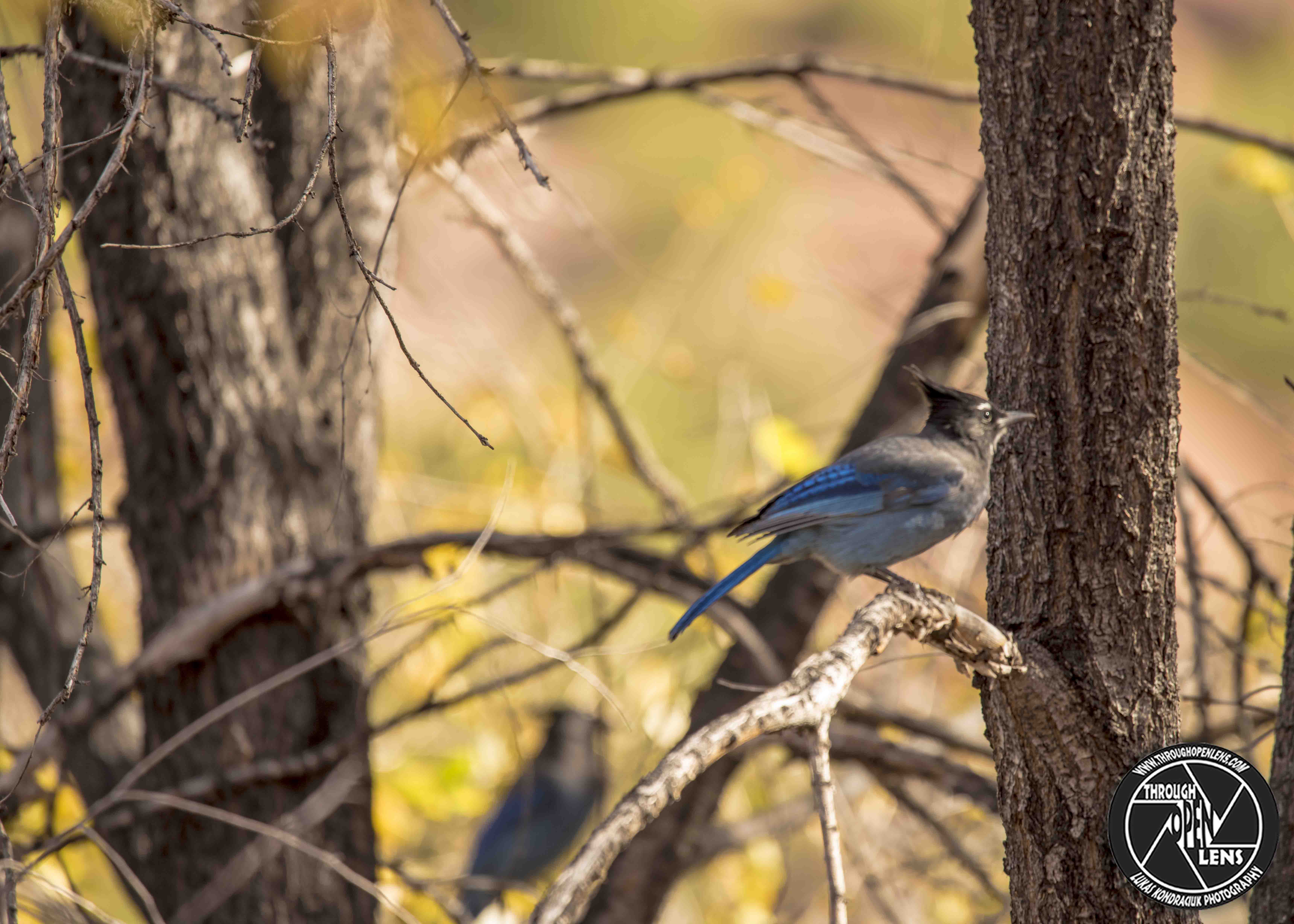
Only Half Blue, Whats Up With You!

F/7.1, 1/200, ISO 250.

Steller’s Jay

Do you want to hear a joke backwards?

Yes…

Very good, START LAUGHING!

Interesting Fact: An excellent mimic with a large repertoire, the Steller’s Jay can imitate birds, squirrels, cats, dogs, chickens, and some mechanical objects. ( https://www.allaboutbirds.org/guide/Stellers_Jay/lifehistory )

Touchdown!

F/11.0, 1/500, ISO 400.

Ring-billed Gull 

What should you do if you’re afraid of elevators?

Take steps to avoid them.

Interesting Fact: Ring-billed Gulls are strong, graceful flyers. They can race along at more than 40 miles per hour, and they’re adept at snatching food from the air. ( https://www.allaboutbirds.org/guide/Ring-billed_Gull/lifehistory )

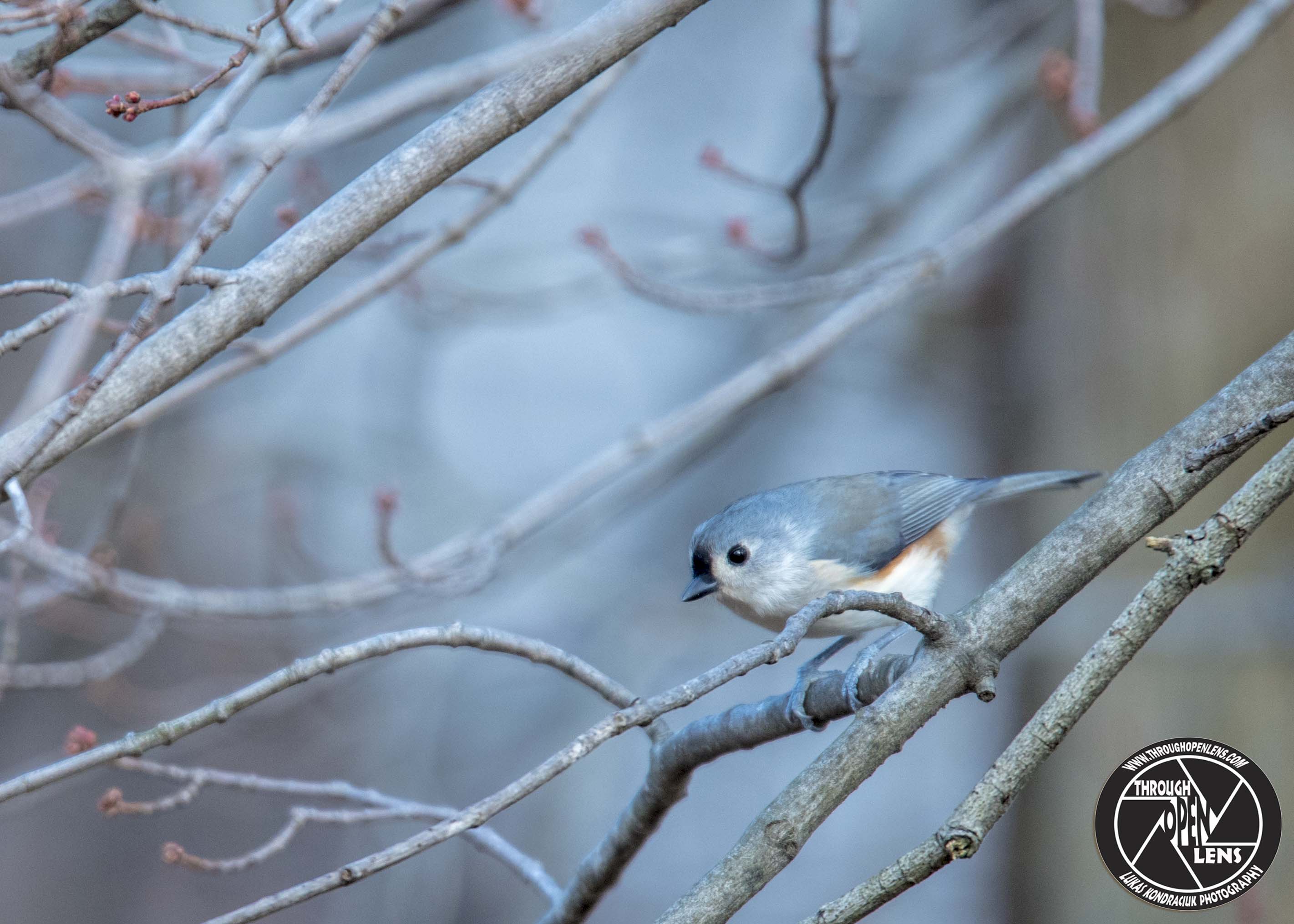
Get Ready, Set, Goooooooo!!!!!

F/7.1, 1/160, ISO 500.

Tufted Titmouse 

Why did the artist bring a pencil and paper to a duel?

He wanted to draw his weapon.

Interesting Fact: Tufted Titmice flit from branch to branch of the forest canopy looking for food, often in the company of other species including nuthatches, chickadees, kinglets, and woodpeckers. When they find large seeds, such as the sunflower seeds they take from bird feeders, titmice typically hold the seed with their feet and hammer it open with their beaks. ( https://www.allaboutbirds.org/guide/Tufted_Titmouse/lifehistory )


A Little Mud Never Hurt Anyone!

F/8.0, 1/250, ISO 320.

Green-Winged Teal

Why shouldn’t you let Elsa hold your balloon?

Because she will let it go, let it gooooooooo

Interesting Fact: Green-winged Teal eat mainly aquatic invertebrates and seeds. They feed in shallow water, near shorelines, on mudflats, and in agricultural fields, taking advantage of whatever foods are most abundant. Migrating and wintering birds may feed at night or during the day. On the water they dabble along the surface where they pluck or strain seeds and invertebrates, and dip their head and neck or tip up to reach submerged food. ( https://www.allaboutbirds.org/guide/Green-winged_Teal/lifehistory )


Cause I’m A Wanderer!

F/7.1, 1/200, ISO 400. 

White-breasted Nuthatch

What was the murderer’s last request to the priest as he sat in the electric chair?

Will you hold my hand?

Interesting Fact: White-breasted Nuthatches forage up, down, and sideways over tree trunks and around large branches. They often (though not always) start high in trees and move down them head first, pausing to crane their necks up and back, toward the horizontal, for a look around. They probe into bark crevices or chip away at wood to find food. ( https://www.allaboutbirds.org/guide/White-breasted_Nuthatch/lifehistory )


Quack Head!

F/6.3, 1/1000, ISO 400.

Bufflehead

Why did the scientist take out his doorbell?

He wanted to win the no-bell prize.

Interesting Fact: The oldest Bufflehead on record was at least 18 years and 8 months old. It was caught and re-released by a bird bander in New York in 1975. ( https://www.allaboutbirds.org/guide/Bufflehead/lifehistory )

.

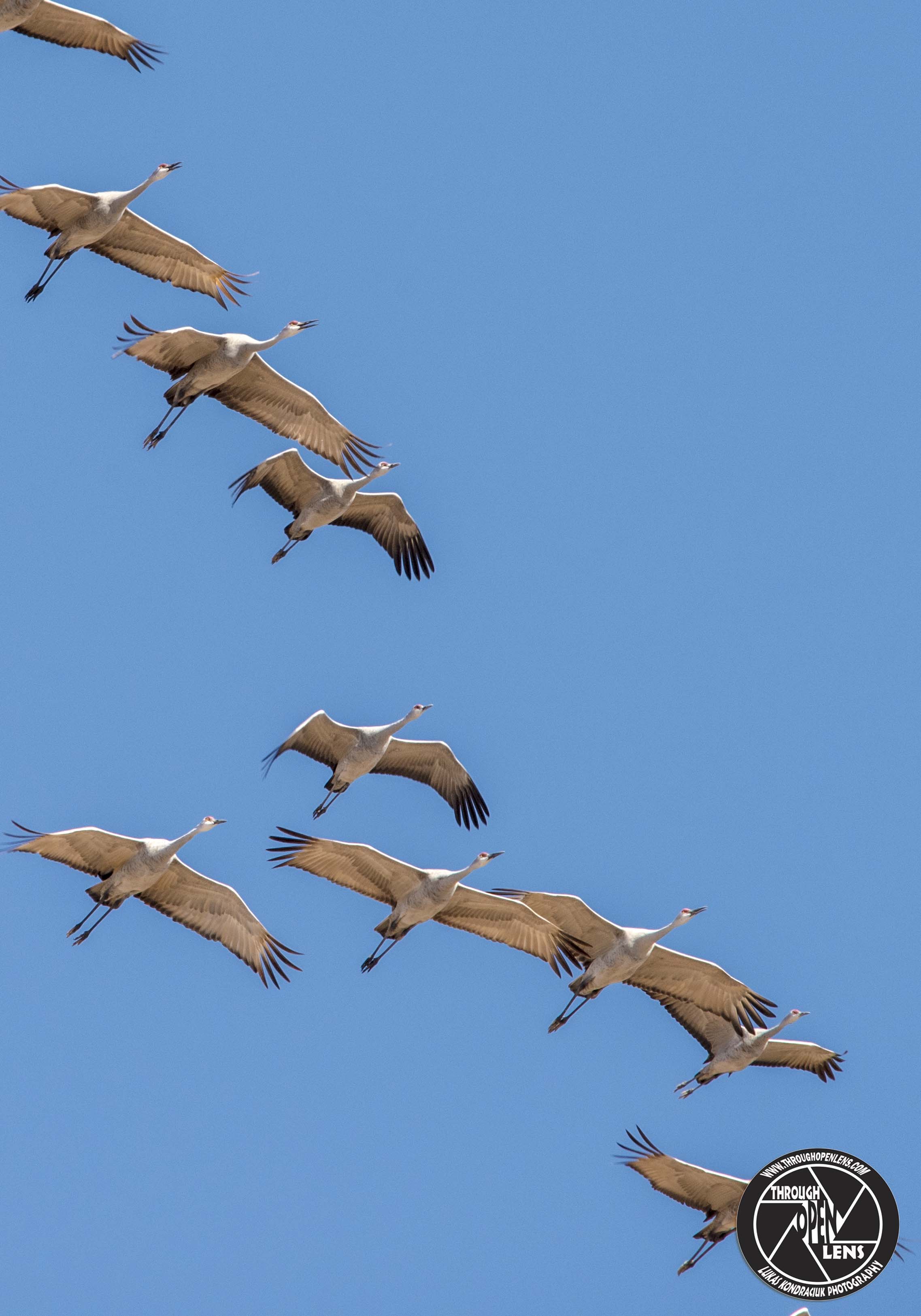
Let’s Get Into Formation!

F/10.0, 1/400 ISO 320.

Sandhill Cranes 

Did you hear the one about the roof?

Never mind, it’s over your head.

Interesting Fact: Sandhill Cranes mate for life, choosing their partners based on dancing displays. Displaying birds stretch their wings, pump their heads, bow, and leap into the air. Although each female usually lays two eggs, only one nestling typically survives to fledge. Mated pairs and their juvenile offspring stay together all through the winter, until the 9- to 10-month-old juveniles finally separate from their parents the following spring. ( https://www.allaboutbirds.org/guide/Sandhill_Crane/lifehistory )