Kick Your Feet Back Its The Weekend!

F/9.0, 1/320, ISO 200.

Hispaniolan slider

Why do you measure snakes in inches?

Because they don’t have any feet.

Interesting Fact: Whether this creature is found in the wild or in captivity, it has been known to urinate when picked up. This is considered a sign of distress. It also may bite or scratch, but has not been known to cause any severe harm. If found in the wild, the turtle may be more likely to do any one of these. ( https://en.wikipedia.org/wiki/Hispaniolan_slider )


Never Bend Your Head. Always Hold It High. Look The World Straight In The Eye.

F/10.0, 1/400, ISO 320.

Curve-billed Thrasher

A wife says, “Hey! Look at that funny guy whose been drinking a lot.”

The husband responds, “Who is he?”

The wife answers, “Well, five years ago, he was my boyfriend and I denied him for marriage.”

The husband says, “Oh my God! He’s still celebrating his freedom!”

Interesting Fact: The Curve-billed Thrasher that lives in the Sonoran Desert of Arizona and northwestern Mexico looks different than the form that lives in the Chihuahuan Desert of Texas and central Mexico, and they may be separate species. The Texas and eastern bird has a lighter breast, more contrasting spots, pale wingbars, and white tail corners. The more western form has a grayer breast with less obvious spots, inconspicuous wingbars, and smaller, more grayish tail corners. ( https://www.allaboutbirds.org/guide/Curve-billed_Thrasher/lifehistory )

TAIL Me What You Think?

F/8.0, 1/250, ISO 200.

Great-tailed Grackle

Why did Frosty the snowman want a divorce?

Because he thought his wife was a flake

Interesting Fact: In winter, enormous flocks of both male and female Great-tailed Grackles gather in “roost trees.” These winter roosts can contain thousands of individuals, with flocks of up to half a million occurring in sugarcane fields in Texas’s Rio Grande Valley. (  https://www.allaboutbirds.org/guide/Great-tailed_Grackle/overview  )

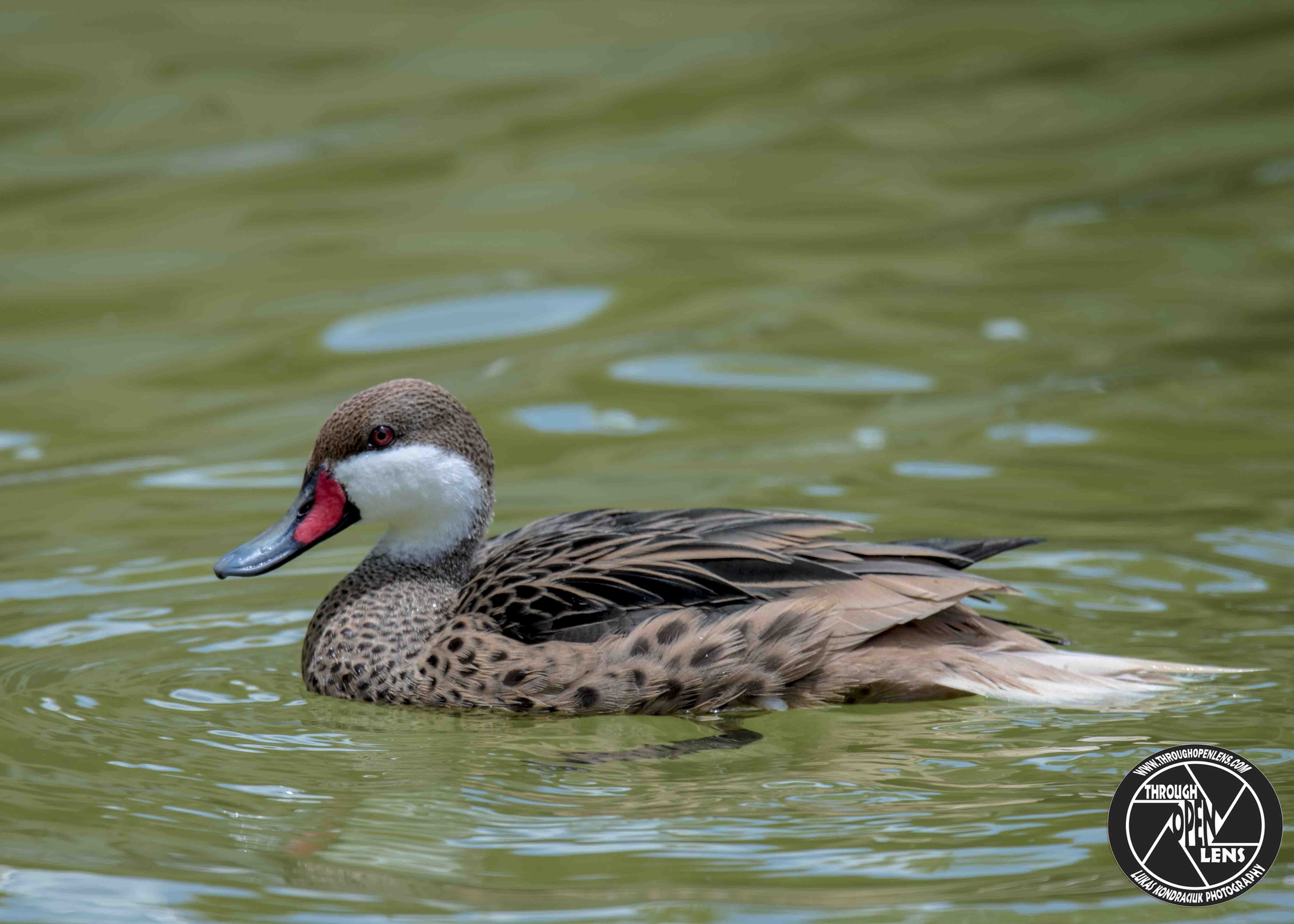
Quack, Damn You!

F/7.1, 1/200, ISO 160.

White-Cheeked Pintail 

Did you hear the one about the airplane?

Oh, never mind, it’s probably over your head.

Joke provided by:  Russell Smith ecstaticeclectica.com

Interesting Fact: The White-cheeked Pintail was first described in 1758 by Carolus Linnaeus, Swedish botanist, physician and zoologist. ( http://identify.whatbird.com/obj/1029/overview/White-cheeked_Pintail.aspx )


I Think I’m In Love. No Wait, I Was Just Hungry.

F/11.0,1/500, ISO 800.

Bananaquit

What do you call a laughing motorcycle?

“Yamahahaha”

Interesting Fact: The bananaquit has a slender, curved bill, adapted to taking nectar from flowers. It sometimes pierces flowers from the side, taking the nectar without pollinating the plant.[18] It also feeds on sweet juices by puncturing fruit with its beak, and will eat small insects on occasion. While feeding, the bananaquit must always perch as it cannot hover like a hummingbird. ( https://en.wikipedia.org/wiki/Bananaquit )

Do What Makes You Happy!

F/9.0, 1/320, ISO 1250.

Hispaniolan Amazon Parrots

Why do cows wear bells?

Because their horns don’t work!

Interesting Fact: The sharply declining population of Hispaniolan amazons are found in a small area of Haiti, Dominican Republic and a few offshore islands. It has been introduced to Puerto Rico.  ( https://en.wikipedia.org/wiki/Hispaniolan_amazon )

NO Double Dipping!

F/9.0, 1/320, ISO 200.

American Flamingos

What’s the difference between a piano, tuna fish, and a tub of glue?

You can tune a piano but you can’t piano a tuna.

What about the tub of glue?

I knew you’d get stuck on that.

Interesting Fact: Like other flamingo species, American flamingos will migrate short distances to ensure that they get enough food or because their current habitat has been disturbed in some way. One habitat disturbance that has been observed to cause flamingos to leave their feeding grounds is elevated water levels.  ( https://en.wikipedia.org/wiki/American_flamingo )


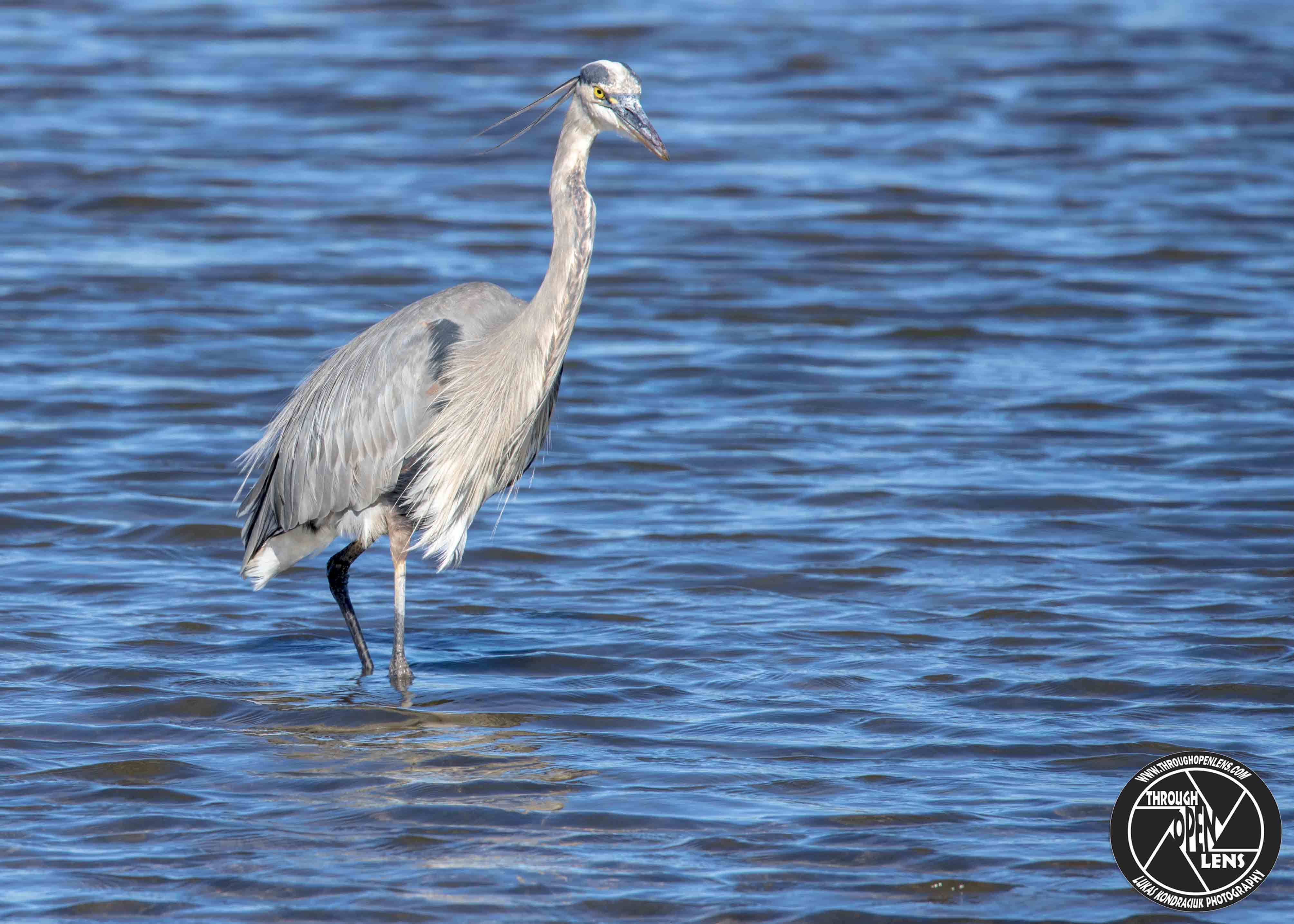
I Enjoy Long Romantic Walks On The Beach

F/10.0, 1/400, ISO 250.

Great Blue Heron 

Why did the fish blush?

Because it saw the ocean’s bottom.

Interesting Fact: Great Blue Herons forage, usually alone, across much of the U.S. This largest of the North American herons wades slowly or stands stock still, peering into the water for prey. In flight the Great Blue Heron folds it neck into an “S” shape and trails its long legs behind, dangling them as it prepares to land or when courting. ( https://www.allaboutbirds.org/guide/Great_Blue_Heron/lifehistory )


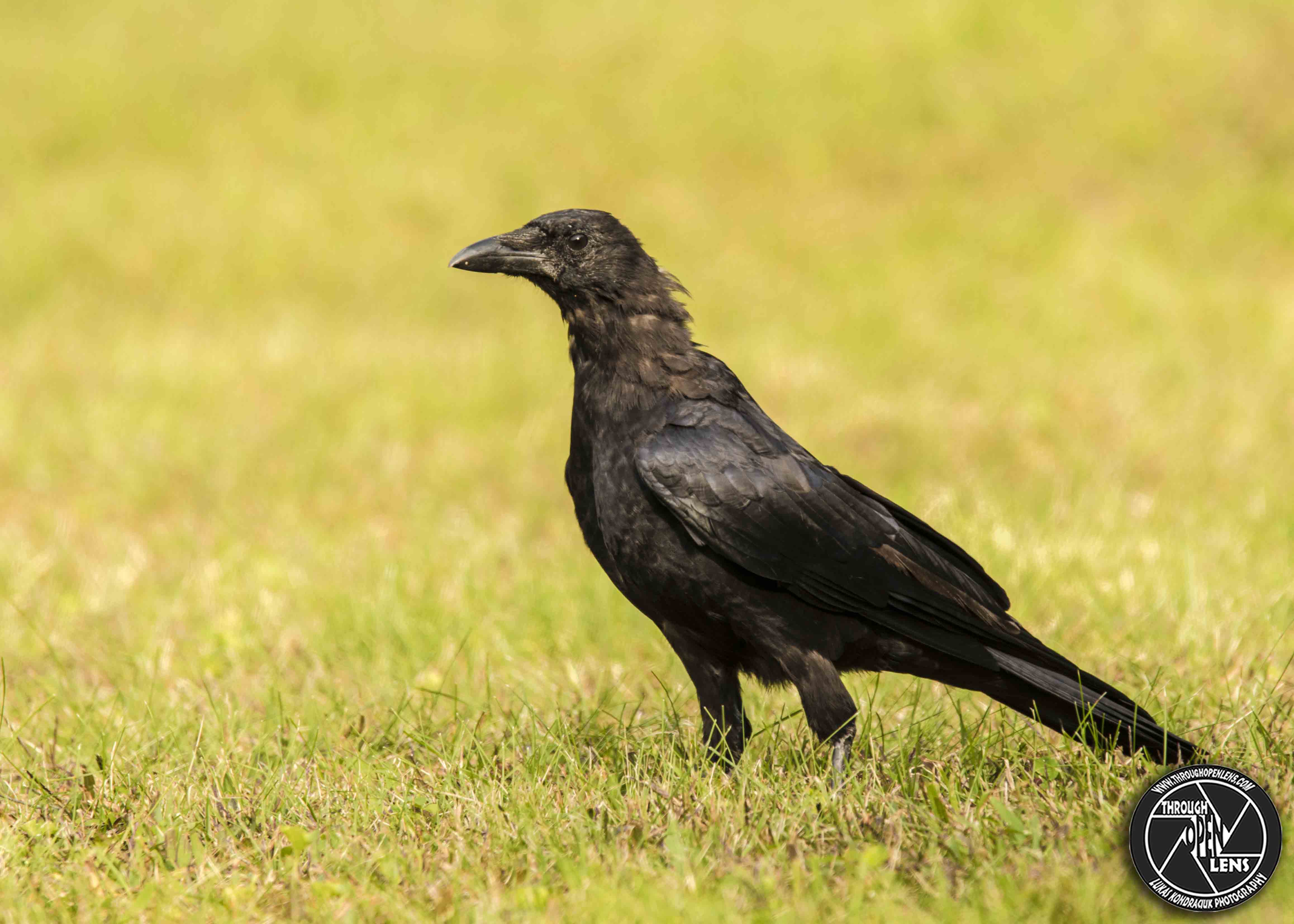
Everyone Is Annoyed With My Singing

F/8.0, 1/250, ISO 250.

American Crow

What did the crow use to break into a car?

A Crowbar.

Interesting Fact: American Crows congregate in large numbers in winter to sleep in communal roosts. These roosts can be of a few hundred up to two million crows. Some roosts have been forming in the same general area for well over 100 years. In the last few decades some of these roosts have moved into urban areas where the noise and mess cause conflicts with people. ( https://www.allaboutbirds.org/guide/American_Crow/lifehistory )

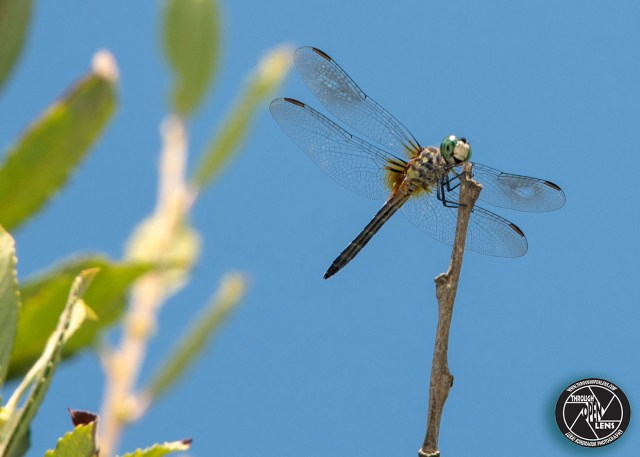
Oh I’m Sorry. Did I Just Roll My Eyes Out loud?!

F/10.0, 1/250, ISO 125.

Dragonfly

What does a baby computer call its dad?

Data

Interesting Fact: Dragonflies are powerful and agile fliers, capable of migrating across oceans, moving in any direction, and changing direction suddenly. In flight, the adult dragonfly can propel itself in six directions: upward, downward, forward, back, to left and to right.[47] They have four different styles of flight:[48] A number of flying modes are used that include counter-stroking, with forewings beating 180° out of phase with the hindwings, is used for hovering and slow flight. This style is efficient and generates a large amount of lift; phased-stroking, with the hindwings beating 90° ahead of the forewings, is used for fast flight. This style creates more thrust, but less lift than counter-stroking; synchronised-stroking, with forewings and hindwings beating together, is used when changing direction rapidly, as it maximises thrust; and gliding, with the wings held out, is used in three situations: free gliding, for a few seconds in between bursts of powered flight; gliding in the updraft at the crest of a hill, effectively hovering by falling at the same speed as the updraft; and in certain dragonflies such as darters, when “in cop” with a male, the female sometimes simply glides while the male pulls the pair along by beating his wings. ( https://en.wikipedia.org/wiki/Dragonfly#Flight )