Headbanger!

F/6.3, 1/100, ISO 320.

Pileated Woodpecker

Two men visit a prostitute.

The first man goes into the bedroom. He comes out ten minutes later and says, “Heck. My wife is better than that.”

The second man goes in. He comes out ten minutes later and says, “You know? Your wife IS better.”

Interesting Fact: The Pileated Woodpecker prefers large trees for nesting. In young forests, it will use any large trees remaining from before the forest was cut. Because these trees are larger than the rest of the forest, they present a lightning hazard to the nesting birds. ( https://www.allaboutbirds.org/guide/Pileated_Woodpecker  )
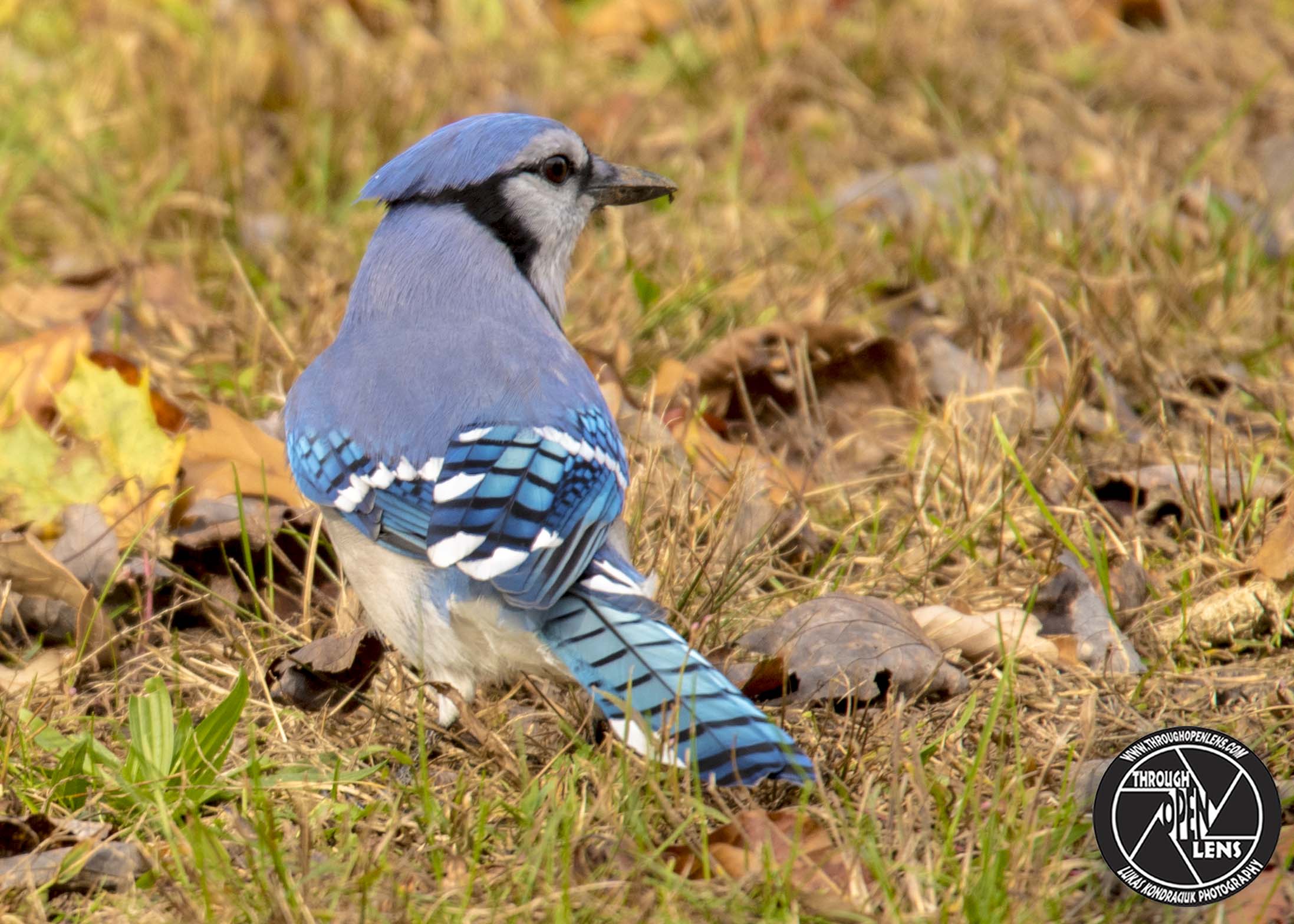
Bluetiful!

F/8.0, 1/250, ISO 400.

Blue Jay

Where do cows go for entertainment?

The mooooo-vies!

Interesting Fact:  The Blue Jay frequently mimics the calls of hawks, especially the Red-shouldered Hawk. These calls may provide information to other jays that a hawk is around, or may be used to deceive other species into believing a hawk is present. (  https://www.allaboutbirds.org/guide/Blue_Jay/lifehistory )

Do You Think I Give A Quack!

F/10.0, 1/400, ISO 160.

Wood Duck

Why couldn’t the leopard play hide and seek?

Because he was always spotted.

Interesting Fact: Natural cavities for nesting are scarce, and the Wood Duck readily uses nest boxes provided for it. If nest boxes are placed too close together, many females lay eggs in the nests of other females. ( https://www.allaboutbirds.org/guide/Wood_Duck )

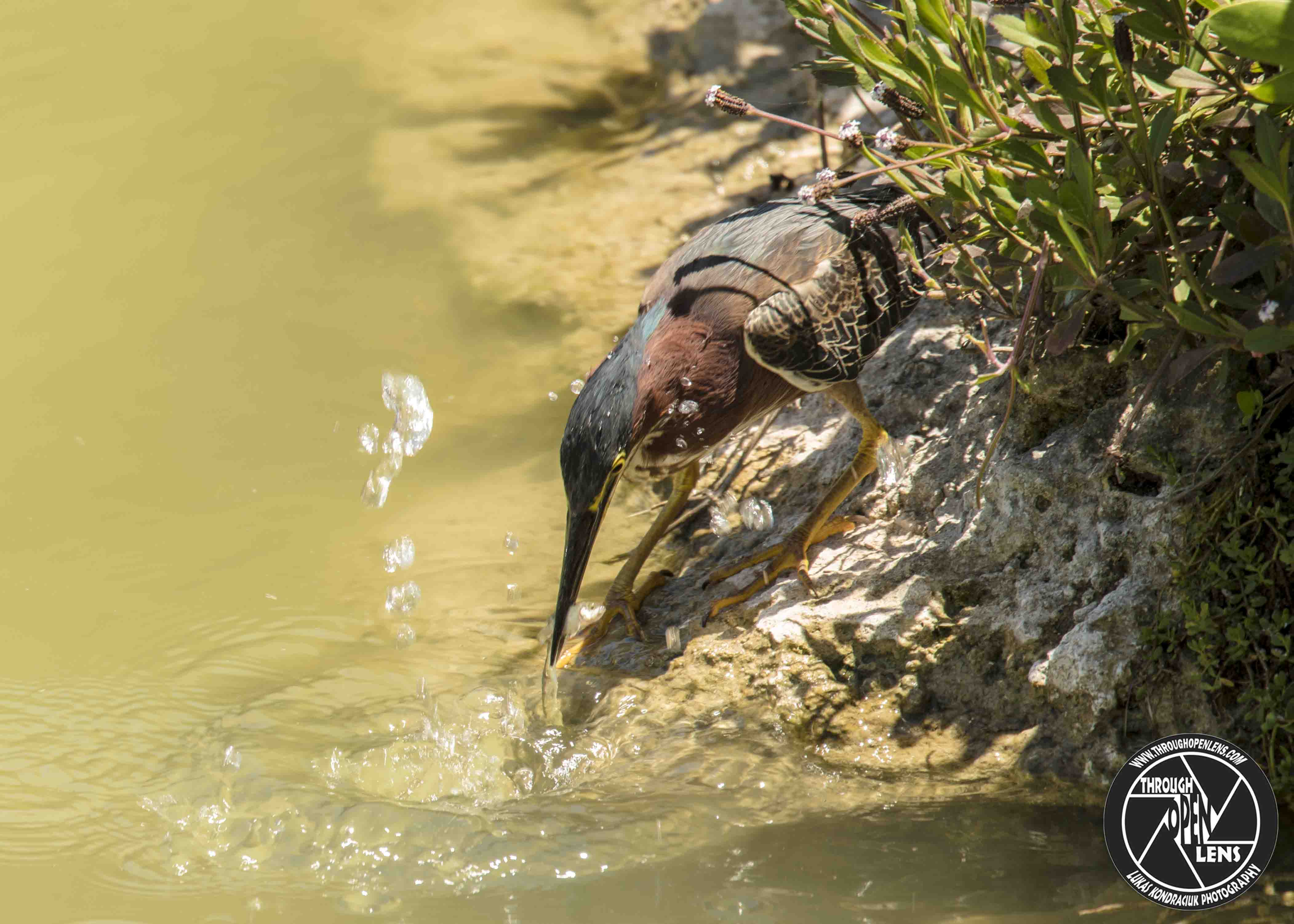
Fish Tremble When They Hear My Name!

F/8.0, 1/200, ISO 160.

Green Heron

When do zombies go to sleep?

When they are dead tired.

Interesting Fact:  Green Herons eat mainly small fish such as minnows, sunfish, catfish, pickerel, carp, perch, gobies, shad, silverside, eels, and goldfish. They also feeds on insects, spiders, crustaceans, snails, amphibians, reptiles, and rodents. They hunt by standing still at the water’s edge, in vegetation, or by walking slowly in shallow water. When a fish approaches, the heron lunges and darts its head, grasping (or sometimes spearing) the fish with its heavy bill. ( https://www.allaboutbirds.org/guide/Green_Heron/lifehistory )

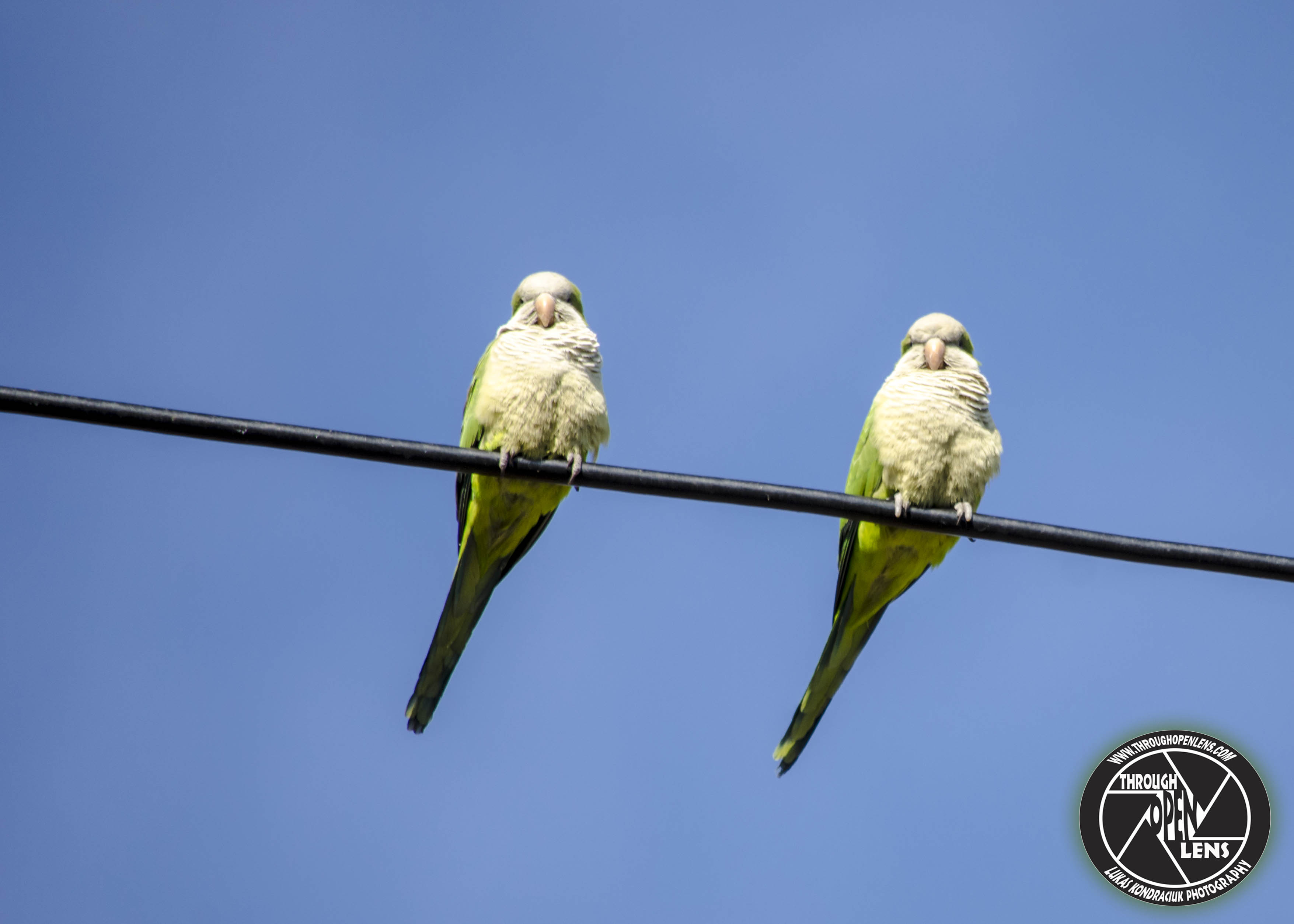
“So What’s So Great About Being OnLine?! “

monk-parakeets-online

F/6.3, 1/640, ISO 200.

Monk Parakeets

What is a parrot’s favorite game?

Hide and Speak!

Interesting Fact: In their native Argentina, Monk Parakeets sometimes adopt old nests of other species. Some ornithologists have suggested that this behavior may have been the first step, evolutionarily speaking, to transitioning from nesting in tree cavities to constructing stick nests. ( https://www.allaboutbirds.org/guide/Monk_Parakeet/lifehistory )

Swim Your Worries Away!

F/10.0, 1/400, ISO 400.

Northern Shoveler 

A jumper cable walks into a bar.

The bartender says, “I’ll serve you, but don’t start anything.”

Interesting Fact: Northern Shovelers don’t just occur in the Americas, they also breed across Europe and spend the winter throughout Europe, Africa, and India. ( https://www.allaboutbirds.org/guide/Northern_Shoveler )

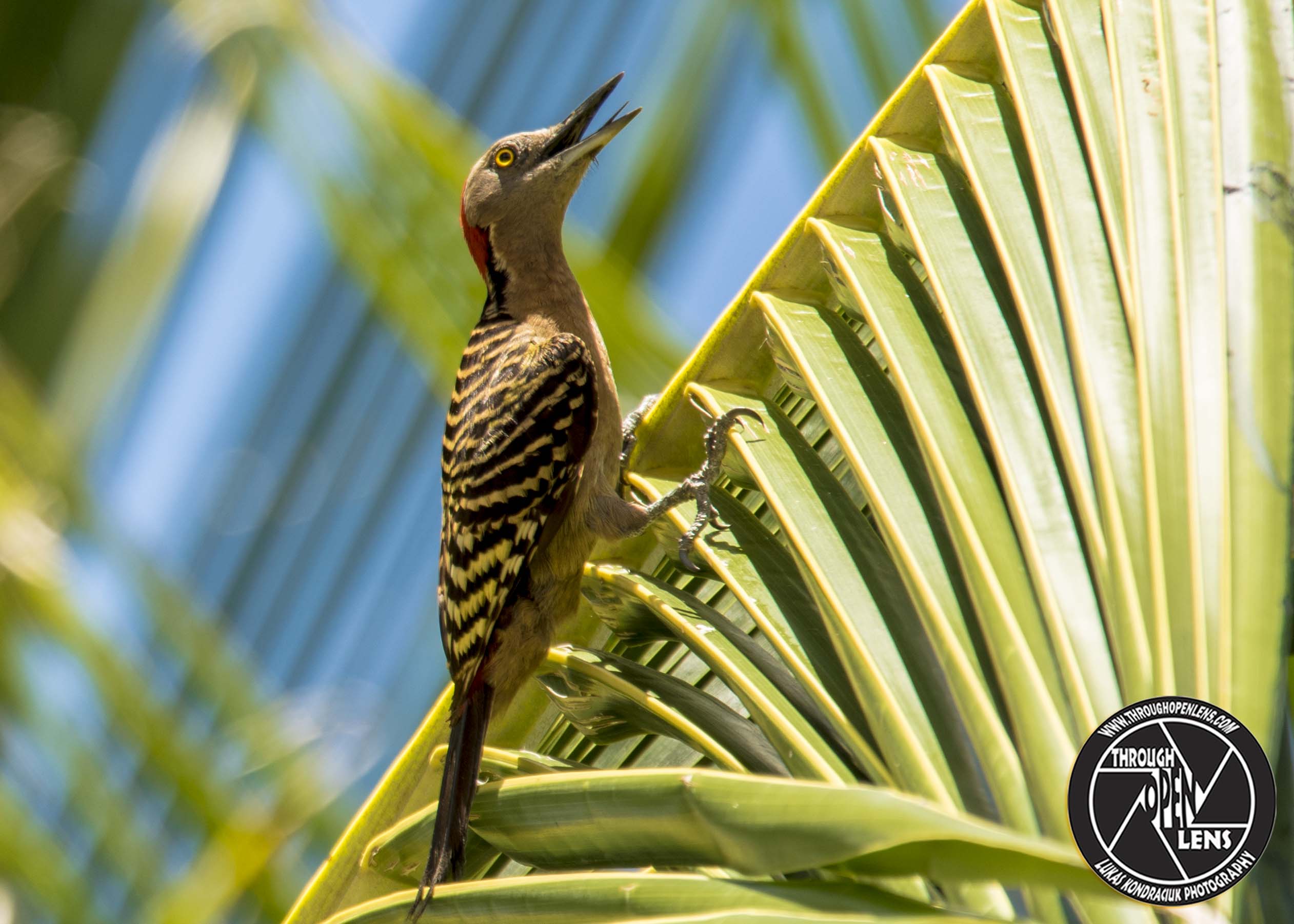
Things Are Looking Up!

F/7.1, 1/200, ISO 160.

Hispaniolan Woodpecker

What can you serve but never eat?

A volleyball.

Interesting Fact: This bird is endemic to Haiti and the Dominican Republic, its range extending from the coasts, over the deserts to the mountains in the centre of the island. It is mostly a woodland bird, found in both wet and dry, broadleaved and coniferous forests, but also occurs in mosaic forests, plantations, cactus scrub, mangrove areas, swamps, grassland, palm groves, wooded agricultural areas and urban parks. ( https://en.wikipedia.org/wiki/Hispaniolan_woodpecker )

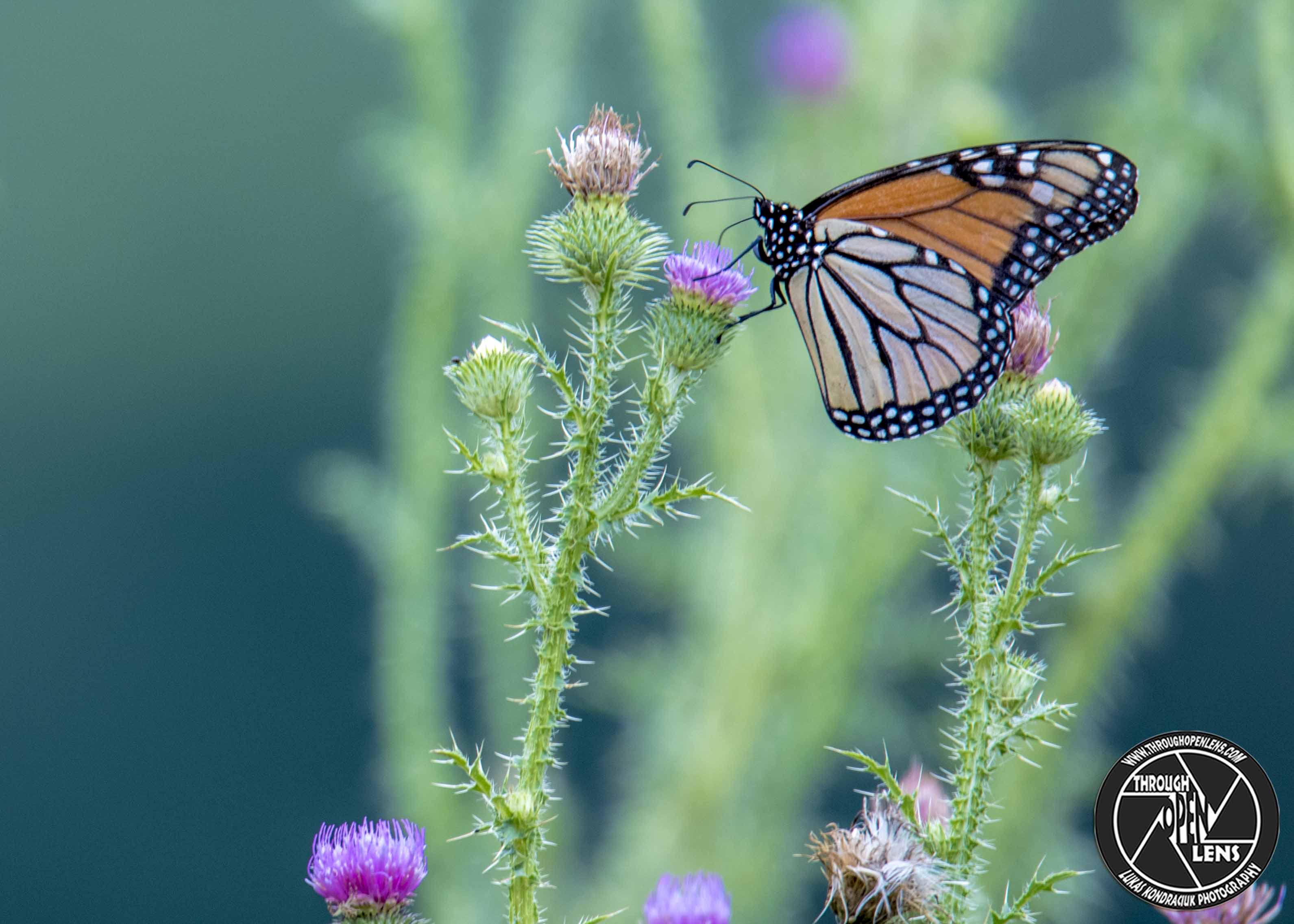
When Butterflies Fall In Love, Do They Feel Humans In Their Stomach?

F/6.3, 1/100, ISO 320.

Butterfly

What did the grape say when it was stepped on?

Nothing, it just let out a little wine.

Interesting Fact:  Butterflies are insects in the macrolepidopteranclade Rhopalocera from the orderLepidoptera, which also includes moths. Adult butterflies have large, often brightly coloured wings, and conspicuous, fluttering flight. The group comprises the large superfamilyPapilionoidea, which contains at least one former group, the skippers (formerly the superfamily “Hesperioidea”) and the most recent analyses suggest it also contains the moth-butterflies (formerly the superfamily “Hedyloidea”). Butterfly fossils date to the Paleocene, which was about 56 million years ago.  ( https://en.wikipedia.org/wiki/Butterfly )

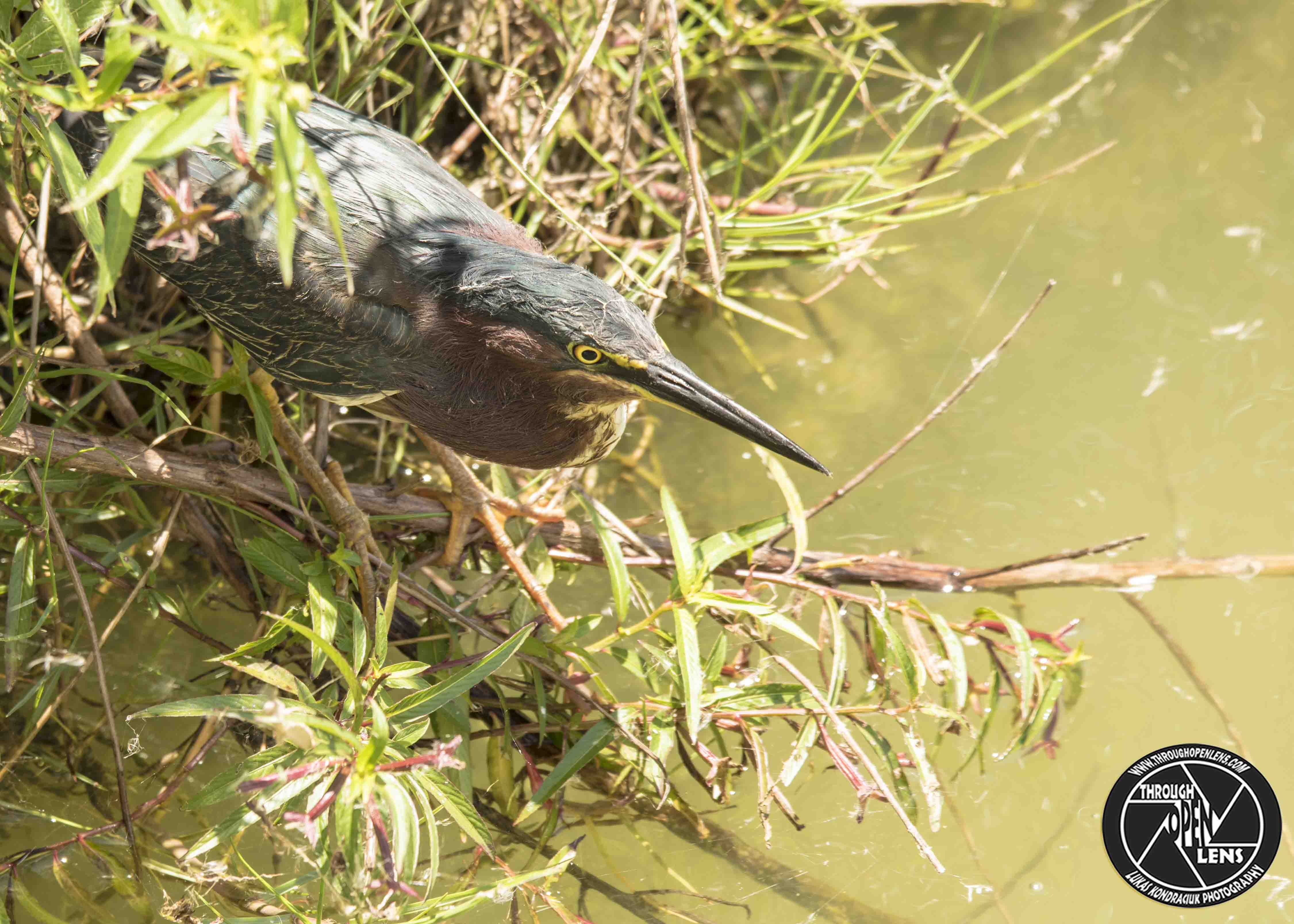
Shh… I’m Hiding From Negative People.

F/6.3, 1/160, ISO 160.

Green Heron

Why won’t sharks attack lawyers?

Professional courtesy!

Interesting Fact: Occasionally Green Herons hunt in deeper water by plunging on prey from above. They hunt at all times of the day and night in the shallows of swamps, creeks, marshes, ditches, ponds, and mangroves. They usually forage among thick vegetation in water that is less than 4 inches deep, avoiding the deeper and more open areas frequented by longer-legged herons. ( https://www.allaboutbirds.org/guide/Green_Heron/lifehistory )

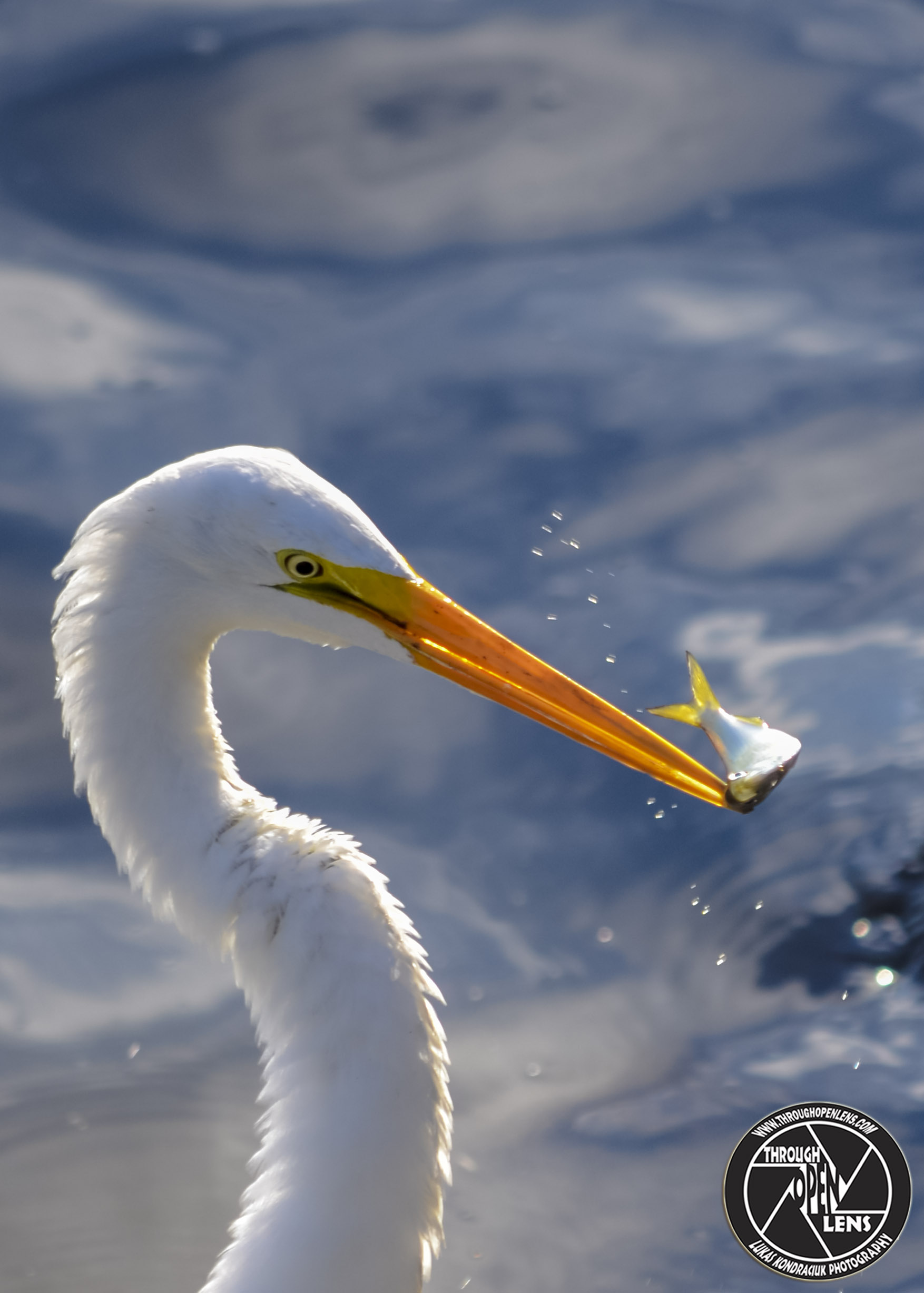
Catch Me If You Can!

F/5.6, 1/500, ISO 200.

Great Egret

What do you call a man with a rubber toe?

Roberto.

Interesting Fact: Though it mainly hunts while wading, the Great Egret occasionally swims to capture prey or hovers (somewhat laboriously) over the water and dips for fish. ( https://www.allaboutbirds.org/guide/Great_Egret