OWL Get You!

F/6.3, 1/250, ISO 1600.

Short Eared Owl

When does a Owl go “mooooo”?

When it is learning a new language!

Interesting Fact: As suggested by their wide global distribution, Short-eared Owls can travel long distances over vast expanses of ocean. Witnesses have reported seeing these owls descending on ships hundreds of miles from land.  ( https://www.allaboutbirds.org/guide/short-eared_owl/lifehistory )

I Will Eat This!

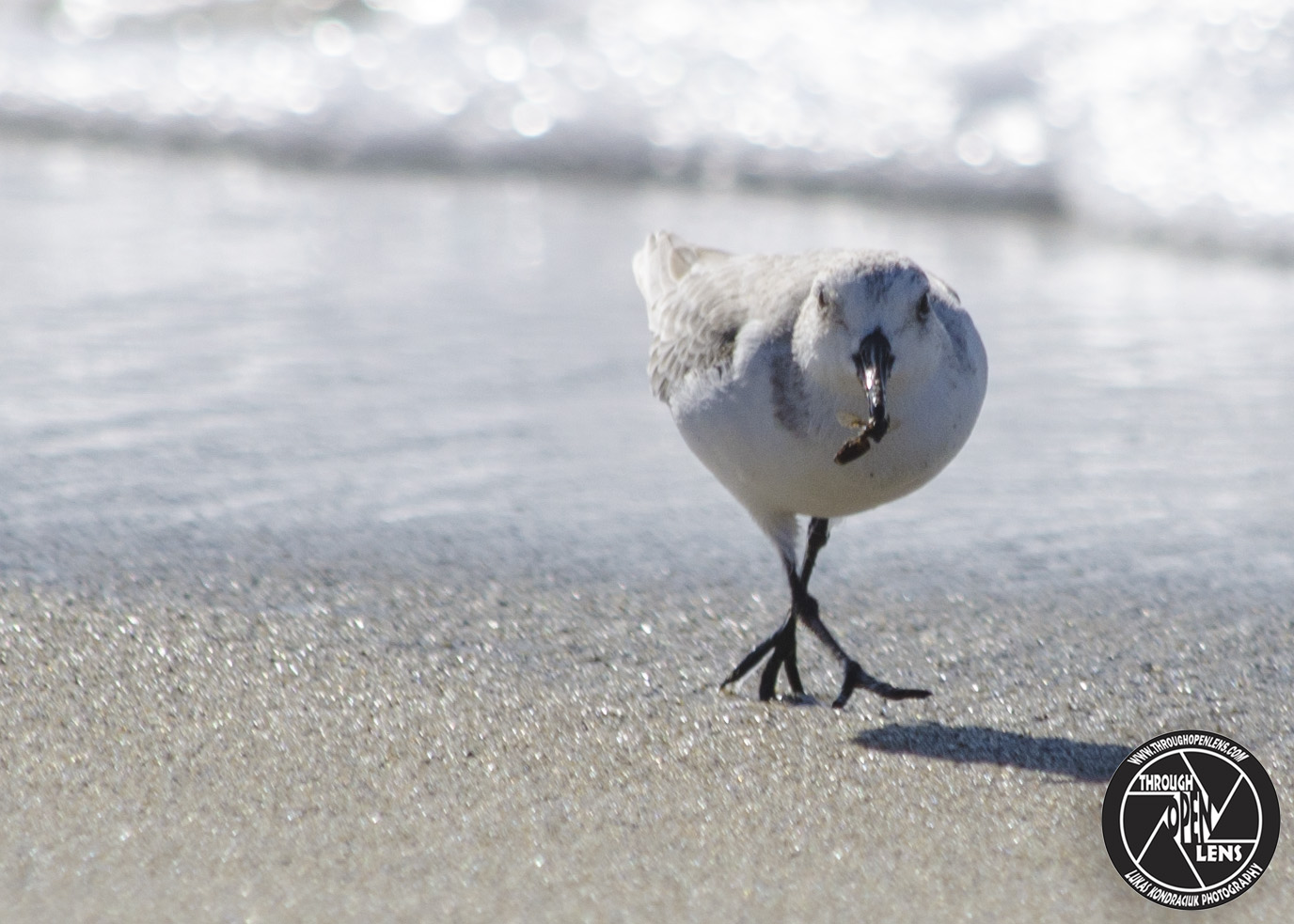
sanderling-eating

F/8.0, 1/1000, ISO 200.

Sanderling

Bobby: “I am on my sea food diet right now”

Joey:  “How does it work?”

Bobby: “Whenever I see food I eat it!”

Interesting Fact: Long-distance migrant. Some Sanderlings travel as few as 1,800 miles to coastal New England, while others fly more than 6,000 miles to temperate South America. Even individuals that winter on the same beach can take different migration routes and may end up on different breeding grounds. ( https://www.allaboutbirds.org/guide/Sanderling/lifehistory )

Ask Me Why I’m Angry?!

American Goldfinch

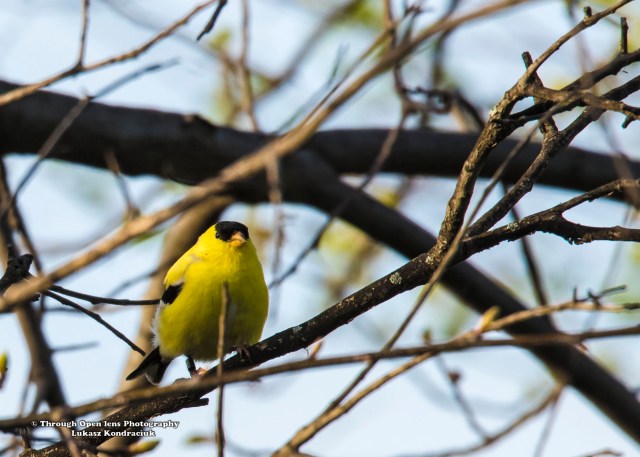
F/10.0, 1/400, ISO 400.

American Goldfinch

An angry wife was complaining about her husband spending all his free time in a bar, so one night he took her along with him. “What’ll you have?” he asked.

“Oh, I don’t know. The same as you I suppose,” she replied.

So, the husband ordered a couple of Jack Daniel’s and threw his down in one shot. His wife watched him, then took a sip from her glass and immediately spat it out.

“Yuck, that’s TERRIBLE!” she spluttered. “I don’t know how you can drink this stuff!”

“Well, there you go,” cried the husband. “And you think I’m out enjoying myself every night!”

Interesting Fact: American Goldfinches are the only finch that molts its body feathers twice a year, once in late winter and again in late summer. The brightening yellow of male goldfinches each spring is one welcome mark of approaching warm months. ( https://www.allaboutbirds.org/guide/American_Goldfinch/lifehistory )

Chill The Duck Out!

F/10.0, 1/400, ISO 250.

Ring-necked Duck

Why did the duck go to jail?

Because he got caught selling quack.

Interesting Fact: Ring-necked Ducks on their breeding grounds occasionally get attacked by the much larger Common Loon, the Red-necked Grebe, and even the much smaller Pied-billed Grebe. ( https://www.allaboutbirds.org/guide/Ring-necked_Duck/lifehistory )

What Was That?

F/13.0, 1/500, ISO 800.

Northern Cardinal ( Female )

Why couldn’t the leopard play hide and seek?

Because he was always spotted.

Interesting Fact: A week or two before the female starts building, she starts to visit possible nest sites with the male following along. The pair call back and forth and hold nesting material in their bills as they assess each site. Nests tend to be wedged into a fork of small branches in a sapling, shrub, or vine tangle, 1-15 feet high and hidden in dense foliage. They use many kinds of trees and shrubs, including dogwood, honeysuckle, hawthorn, grape, redcedar, spruce, pines, hemlock, rose bushes, blackberry brambles, elms, sugar maples, and box elders. ( https://www.allaboutbirds.org/guide/Northern_Cardinal/lifehistory )

You See Me Rollin!

F/7.1, 1/200. ISO 125.

Great Egret

What did the Buffalo say to his little boy when he dropped him off at school?

Bison.

Interesting Fact: The Great Egret walks with its neck extended and its wings held close to its body. In flight, it is graceful and buoyant, with its neck tucked back against its shoulders and its legs trailing behind. ( https://www.allaboutbirds.org/guide/Great_Egret/lifehistory )

You Can Stop Driving Me Crazy,I Can Walk From Here!

F/11.0, 1/500, ISO 200.

Snowy Egret

A little boy asked his father, “Daddy, how much does it cost to get married?”

And the father replied, “I don’t know, son, I’m still paying for it.”

Interesting Fact: During the breeding season, adult Snowy Egrets develop long, wispy feathers on their backs, necks, and heads. In 1886 these plumes were valued at $32 per ounce, which was twice the price of gold at the time. Plume-hunting for the fashion industry killed many Snowy Egrets and other birds until reforms were passed in the early twentieth century. The recovery of shorebird populations through the work of concerned citizens was an early triumph and helped give birth to the conservation movement. ( https://www.allaboutbirds.org/guide/Snowy_Egret )

Turtle Power!

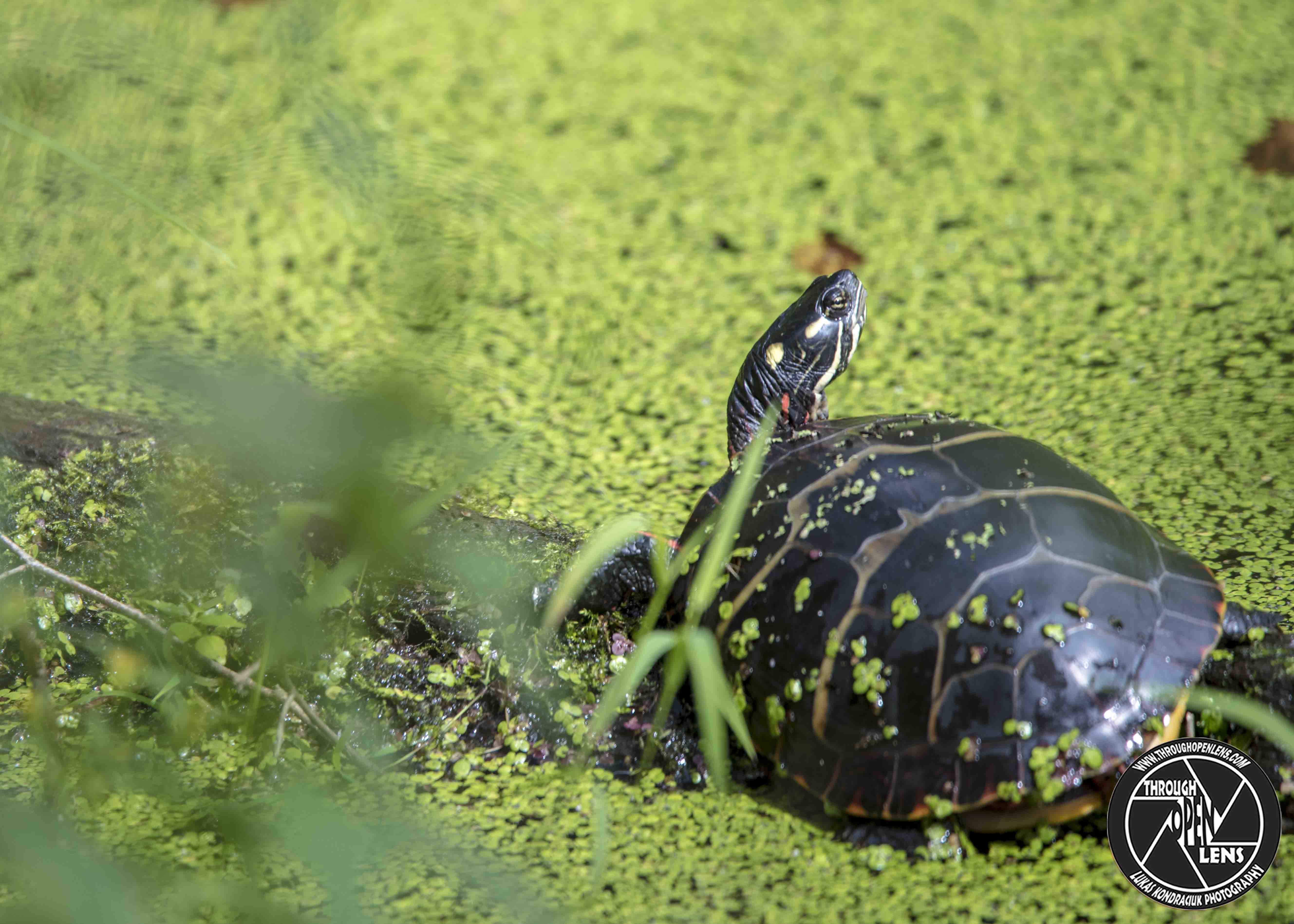
F/6.3, 1/125, ISO 200.

Red-Eared Slider Turtle 

What did one elevator say to the other?

I think I’m coming down with something!

Interesting Fact: Red-eared sliders are almost entirely aquatic, but as they are cold-blooded, they leave the water to sunbathe to regulate their temperature.  ( https://en.wikipedia.org/wiki/Red-eared_slider )

Keep Calm And Hop On!

F/8.0, 1/250, ISO 250.

Desert Cottontail Rabbit

What do rabbits say before they eat?

Lettuce pray.

Interesting Fact: Due to the variable temperature of living conditions, desert cottontails must be adequate thermoregulators to minimize water loss during the hotter seasons and require shaded areas of their environment to conduct evaporative water loss through thermal heat transfer. In open-desert areas, they can withstand for a short period with extremely high temperatures of around 45 Â°C and have a large evaporative water loss capacity of around 1.5% body mass/hour, though cottontails can withstand longer in an ideal environment with shaded areas. To cope with evaporative heat loss, they do panting and undergo changes in production of their basal metabolic rate in relation to the ambient temperature of the environment. Ears of desert cottontails make up 14% of their body size and may help with thermoregulation. ( https://en.wikipedia.org/wiki/Desert_cottontail )

Sing… The World Needs More Music!

F/8.0, 1/250, ISO 320.

Yellow Warbler Immature (Northern)

How do you make an egg laugh?

Tell it a yolk.

Interesting Fact: In addition to the migratory form of the Yellow Warbler that breeds in North America, several other resident forms can be found in Mexico, Central America, and the Caribbean. Males in these populations can have chestnut caps or even chestnut covering the entire head. ( https://www.allaboutbirds.org/guide/Yellow_Warbler/overview )