Sometimes I Pretend To Be Normal But It Gets Boring. So I Go Back To Being Me.

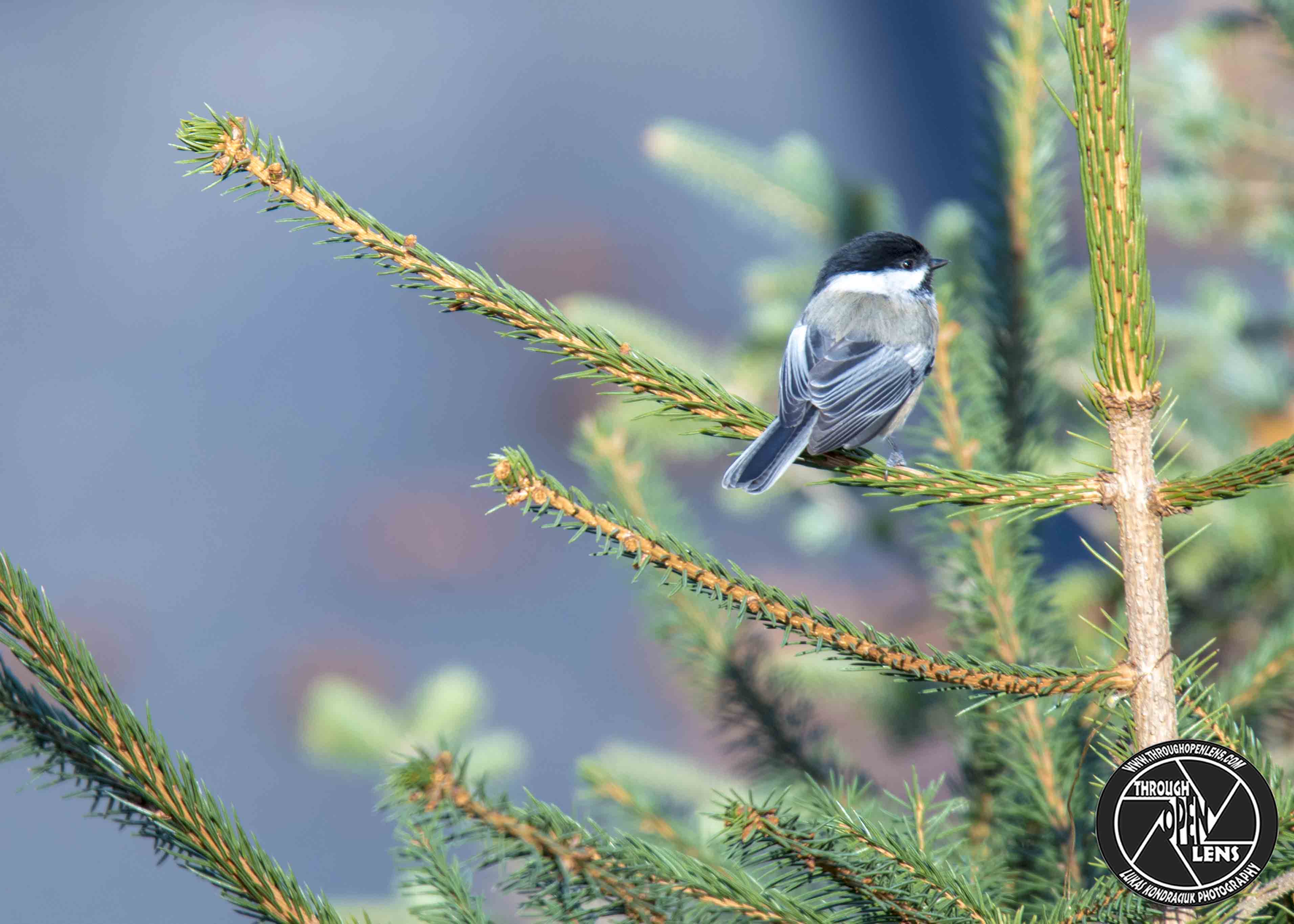
F/7.1, 1/200, ISO 250.

Black-capped Chickadee 

What’s the difference between a cat and a frog?

A Cat has nine lives but a Frog croaks every night!

Interesting Fact: Even when temperatures are far below zero, chickadees virtually always sleep in their own individual cavities. In rotten wood, they can excavate nesting and roosting holes entirely on their own. ( https://www.allaboutbirds.org/guide/Black-capped_Chickadee )

Don’t Give Me That Look!

F/9.0, 1/320, ISO 320.

Double-crested Cormorant

What did the sick chicken say?

Oh no! I have the people-pox!

Interesting Fact: From a distance, Double-crested Cormorants are dark birds with snaky necks, but up-close they’re quite colorful—with orange-yellow skin on their face and throat, striking aquamarine eyes that sparkle like jewels, and a mouth that is bright blue on the inside. ( https://www.allaboutbirds.org/guide/Double-crested_Cormorant/lifehistory )

I’m Feeling A Bit Puffy Today!

F/7.1, 1/200, ISO 250.

Blue Jay

Why did the girl bring lipstick and eye shadow to school?

She had a make-up exam!

Interesting Fact: The Blue Jay frequently mimics the calls of hawks, especially the Red-shouldered Hawk. These calls may provide information to other jays that a hawk is around, or may be used to deceive other species into believing a hawk is present. (  https://www.allaboutbirds.org/guide/Blue_Jay/lifehistory )

Come At Me Bro!

F/9.0,  1/320, ISO 320.

Cooper’s Hawk

What did the tree say to spring?

What a re-leaf.

Interesting Fact: Dashing through vegetation to catch birds is a dangerous lifestyle. In a study of more than 300 Cooper’s Hawk skeletons, 23 percent showed old, healed-over fractures in the bones of the chest, especially of the furcula, or wishbone. ( https://www.allaboutbirds.org/guide/Coopers_Hawk )

Blue Me!

F/6.3, 1/160, ISO 400.

Eastern Bluebird

Doctor is talking to a patient.

Doctor:  “Do you do sports?”

Patient:  “Does sex count?”

Doctor:  “Yes.”

Patient:  “Then no.”

Interesting Fact: Eastern Bluebirds typically have more than one successful brood per year. Young produced in early nests usually leave their parents in summer, but young from later nests frequently stay with their parents over the winter.  ( https://www.allaboutbirds.org/guide/Eastern_Bluebird/lifehistory )

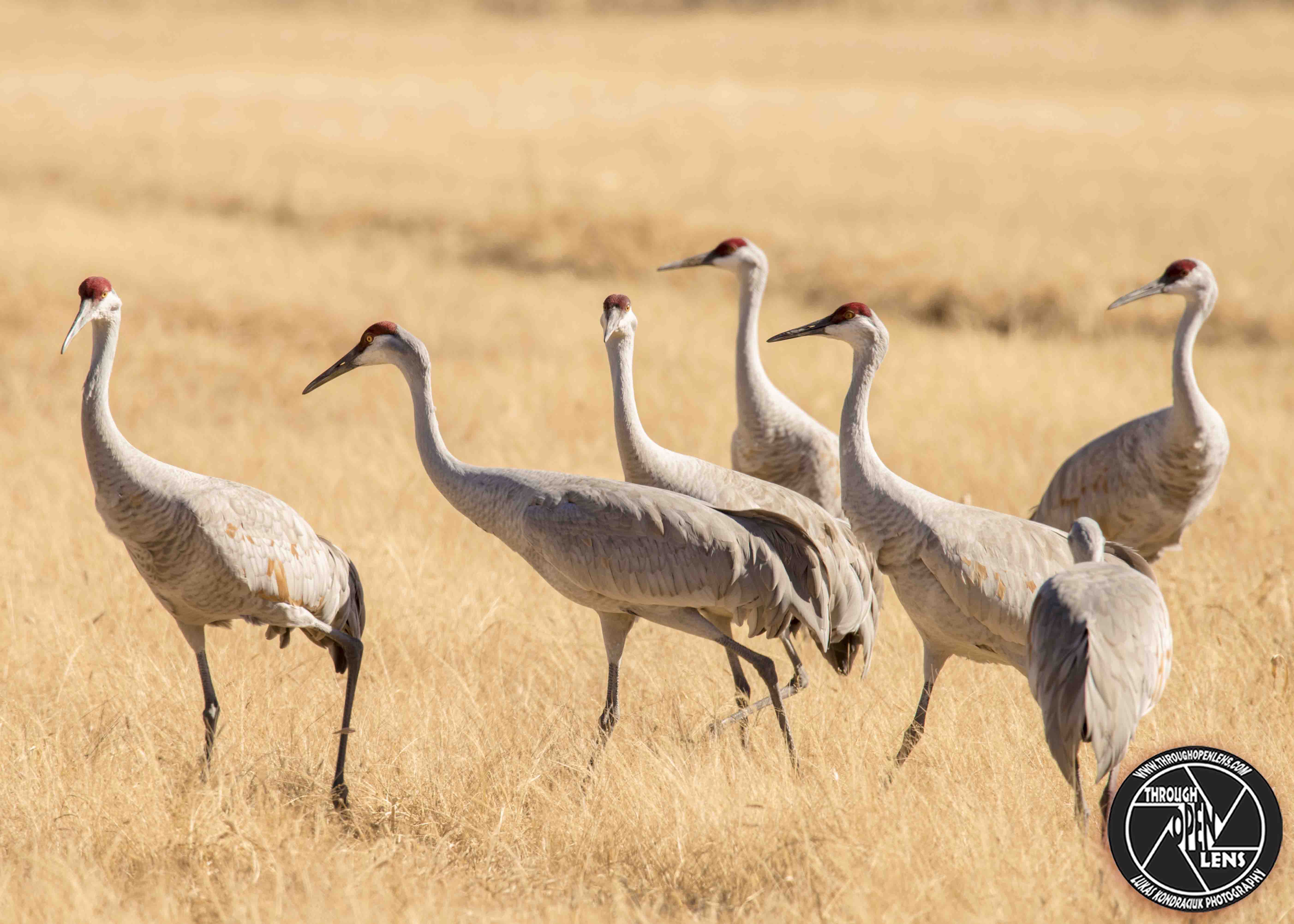
Crane Operators

F/9.0, 1/320, ISO 160.

Sandhill Crane

What bird can lift the most?

A crane.

Interesting Fact:  The Sandhill Crane’s call is a loud, rolling, trumpeting sound whose unique tone is a product of anatomy: Sandhill Cranes have long tracheas (windpipes) that coil into the sternum and help the sound develop a lower pitch and harmonics that add richness. (  https://www.allaboutbirds.org/guide/Sandhill_Crane/lifehistory )

OWL Get You!

F/6.3, 1/250, ISO 1600.

Short Eared Owl

When does a Owl go “mooooo”?

When it is learning a new language!

Interesting Fact: As suggested by their wide global distribution, Short-eared Owls can travel long distances over vast expanses of ocean. Witnesses have reported seeing these owls descending on ships hundreds of miles from land.  ( https://www.allaboutbirds.org/guide/short-eared_owl/lifehistory )

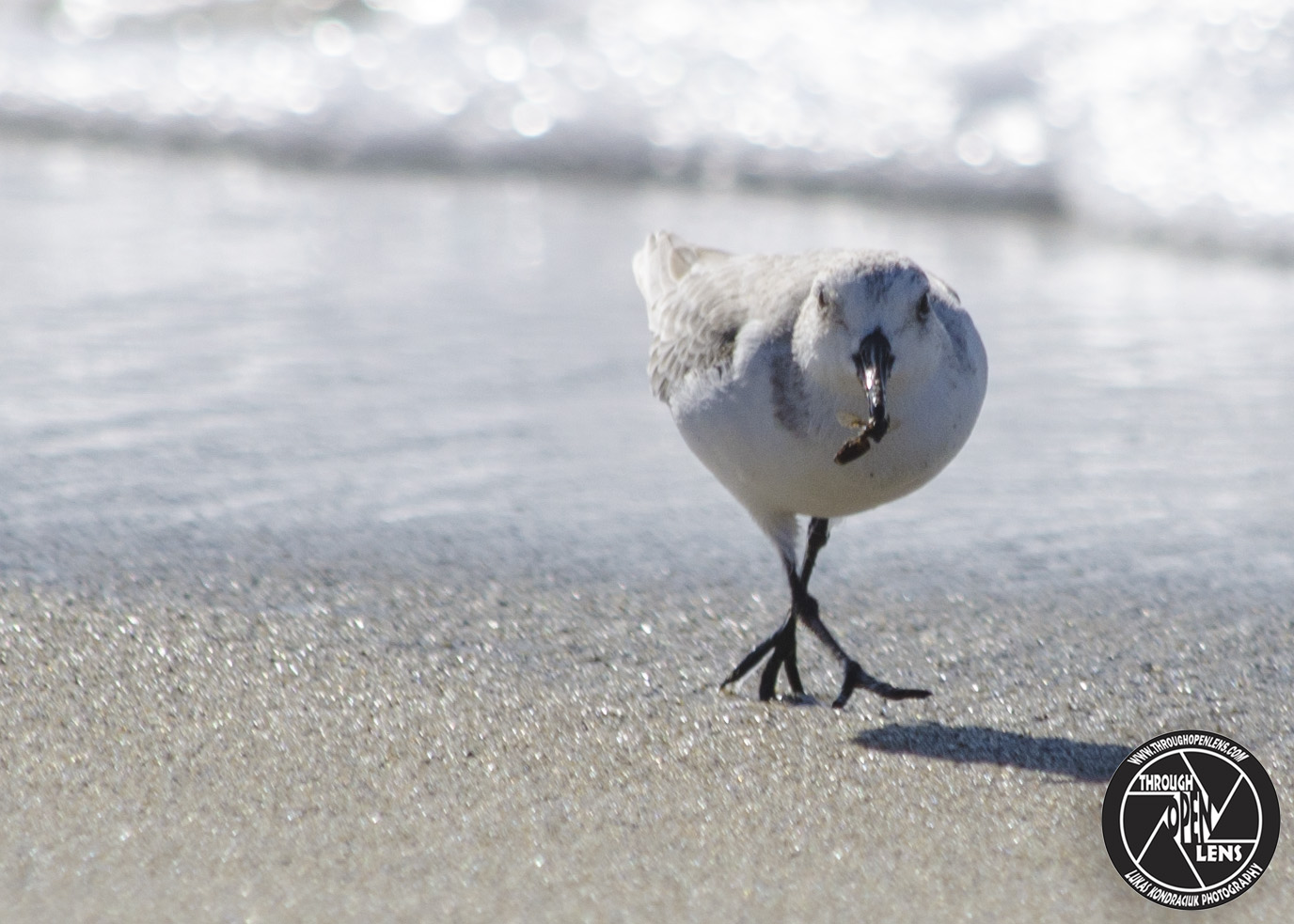
I Will Eat This!

sanderling-eating

F/8.0, 1/1000, ISO 200.

Sanderling

Bobby: “I am on my sea food diet right now”

Joey:  “How does it work?”

Bobby: “Whenever I see food I eat it!”

Interesting Fact: Long-distance migrant. Some Sanderlings travel as few as 1,800 miles to coastal New England, while others fly more than 6,000 miles to temperate South America. Even individuals that winter on the same beach can take different migration routes and may end up on different breeding grounds. ( https://www.allaboutbirds.org/guide/Sanderling/lifehistory )

Chill The Duck Out!

F/10.0, 1/400, ISO 250.

Ring-necked Duck

Why did the duck go to jail?

Because he got caught selling quack.

Interesting Fact: Ring-necked Ducks on their breeding grounds occasionally get attacked by the much larger Common Loon, the Red-necked Grebe, and even the much smaller Pied-billed Grebe. ( https://www.allaboutbirds.org/guide/Ring-necked_Duck/lifehistory )

What Was That?

F/13.0, 1/500, ISO 800.

Northern Cardinal ( Female )

Why couldn’t the leopard play hide and seek?

Because he was always spotted.

Interesting Fact: A week or two before the female starts building, she starts to visit possible nest sites with the male following along. The pair call back and forth and hold nesting material in their bills as they assess each site. Nests tend to be wedged into a fork of small branches in a sapling, shrub, or vine tangle, 1-15 feet high and hidden in dense foliage. They use many kinds of trees and shrubs, including dogwood, honeysuckle, hawthorn, grape, redcedar, spruce, pines, hemlock, rose bushes, blackberry brambles, elms, sugar maples, and box elders. ( https://www.allaboutbirds.org/guide/Northern_Cardinal/lifehistory )