I Have A Bone To Pick With You!

F/5.0, 1/60, ISO 320.

Happy Halloween!

What does a skeleton orders at a restaurant?

Spare ribs!!!

Interesting Fact: Today’s Halloween customs are thought to have been influenced by folk customs and beliefs from the Celtic-speaking countries, some of which are believed to have pagan roots.[35][36]Jack Santino, a folklorist, writes that “there was throughout Ireland an uneasy truce existing between customs and beliefs associated with Christianity and those associated with religions that were Irish before Christianity arrived”.[37] Historian Nicholas Rogers, exploring the origins of Halloween, notes that while “some folklorists have detected its origins in the Roman feast of Pomona, the goddess of fruits and seeds, or in the festival of the dead called Parentalia, it is more typically linked to the Celtic festival of Samhain, which comes from the Old Irish for “summer’s end”. (  https://en.wikipedia.org/wiki/Halloween#History )

Why Fit In When You Were Born To Stand Out.

F/4.5, 1/30, ISO 640.

PDN PhotoPlus International Conference + Expo (“PhotoPlus“)

What do you call a bee trying to make up its mind?

A maybe

Interesting Fact: PDN PhotoPlus International Conference + Expo (“PhotoPlus”) is an annual event held at the Jacob K. Javits Convention Center in New York. Designed for professional and advanced amateur photographers, Photoplus displays recent advances in photography through a variety of exhibitions as well as photography and digital design seminars. ( https://en.wikipedia.org/wiki/Photoplus )

Nooo, Go Away You Are Bothering Me!

Tree Swallow

F/5,6, 1/400, ISO 125.

Tree Swallow

How do you make a water bed more bouncy?

Use spring water.

Interesting Fact: The Tree Swallow—which is most often seen in open, treeless areas—gets its name from its habit of nesting in tree cavities. They also take readily to nest boxes.  ( http://www.allaboutbirds.org/guide/tree_swallow/lifehistory )

Duuun-Dunn-Dunn-Duh-Duh-Duh-Nuh-Nuh-Nuh-Nuuh!!!

F/5.6, 1/500, ISO 250.

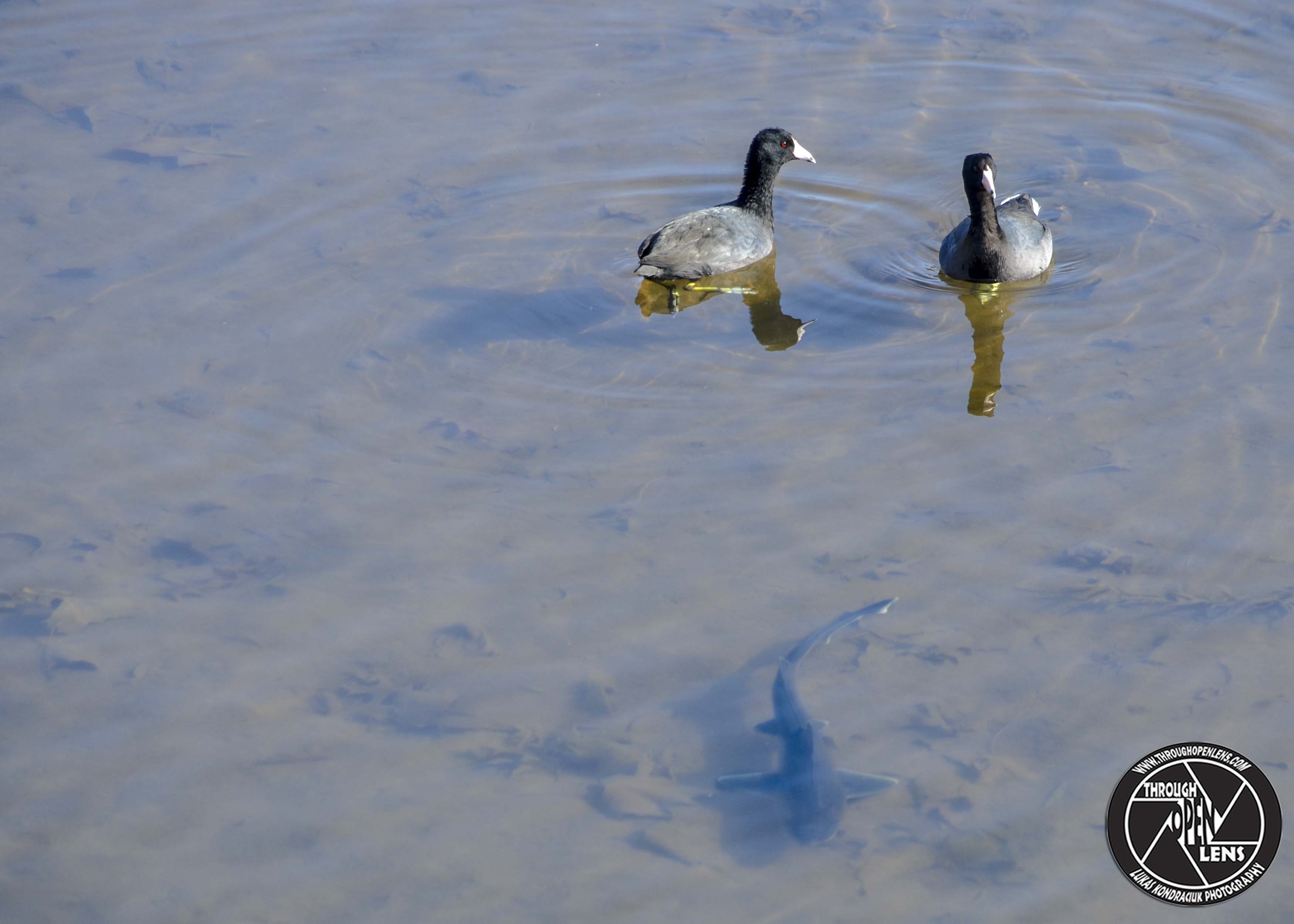
Shark Week 

American Coot

Spiny Dogfish Shark

Why do sharks make terrible lawyers?

They’re too nice!

Interesting Fact: Although it swims like a duck, the American Coot does not have webbed feet like a duck. Instead, each one of the coot’s long toes has broad lobes of skin that help it kick through the water. The broad lobes fold back each time the bird lifts its foot, so it doesn’t impede walking on dry land, though it supports the bird’s weight on mucky ground. ( https://www.allaboutbirds.org/guide/American_Coot )

Into The Woods We Go!

F/6.3, 1/13, ISO 1600.

Groundhog (Woodchuck )

What’s the Great White Sharks favorite candy?

The Jaw-Breaker!

Interesting Fact: Groundhogs prepare for hibernation by putting on weight.  Then they live off the stored fat until they come out of hibernation. ( https://www.kidsplayandcreate.com/fun-groundhog-facts-and-groundhog-day-facts-for-kids/ ) 

I Fear Sharks So Much That I Just Sharted!

F/6.3, 1/640, ISO 7200.

Pied-Billed Grebe

Why do sharks make terrible lawyers?

They’re too nice!

Interesting Fact: Pied-billed Grebe chicks typically leave the nest the first day after hatching and spend much of their first week riding around on a parent’s back. They usually spend most of their first 3 weeks on or near the nest platform. ( https://www.allaboutbirds.org/guide/Pied-Billed_Grebe )

In A World Full Of Fish Be A Shark

Shark Week 

F/5.6, 1/500, ISO 360.

Spiny Dogfish Shark

What did the seal with the broken arm say to the shark?

Do not consume if seal is broken.

Interesting Fact: This shark is known to hunt in packs that can range up into the thousands. They are aggressive hunters and have a sizable diet that can range from squid, fish, crab, jellyfish, sea cucumber, shrimp and other invertebrates. ( https://en.m.wikipedia.org/wiki/Spiny_dogfish )

Is That A Shark!

F/6.3, 1/160, ISO 160.

Green Heron 

What is a sharks favorite sci-fi show?  

Shark Trek 

Interesting Fact:  Each breeding season, Green Herons pair up with one mate apiece, performing courtship displays that include stretching their necks, snapping their bills, flying with exaggerated flaps, and calling loudly.  ( https://www.allaboutbirds.org/guide/Green_Heron/lifehistory )

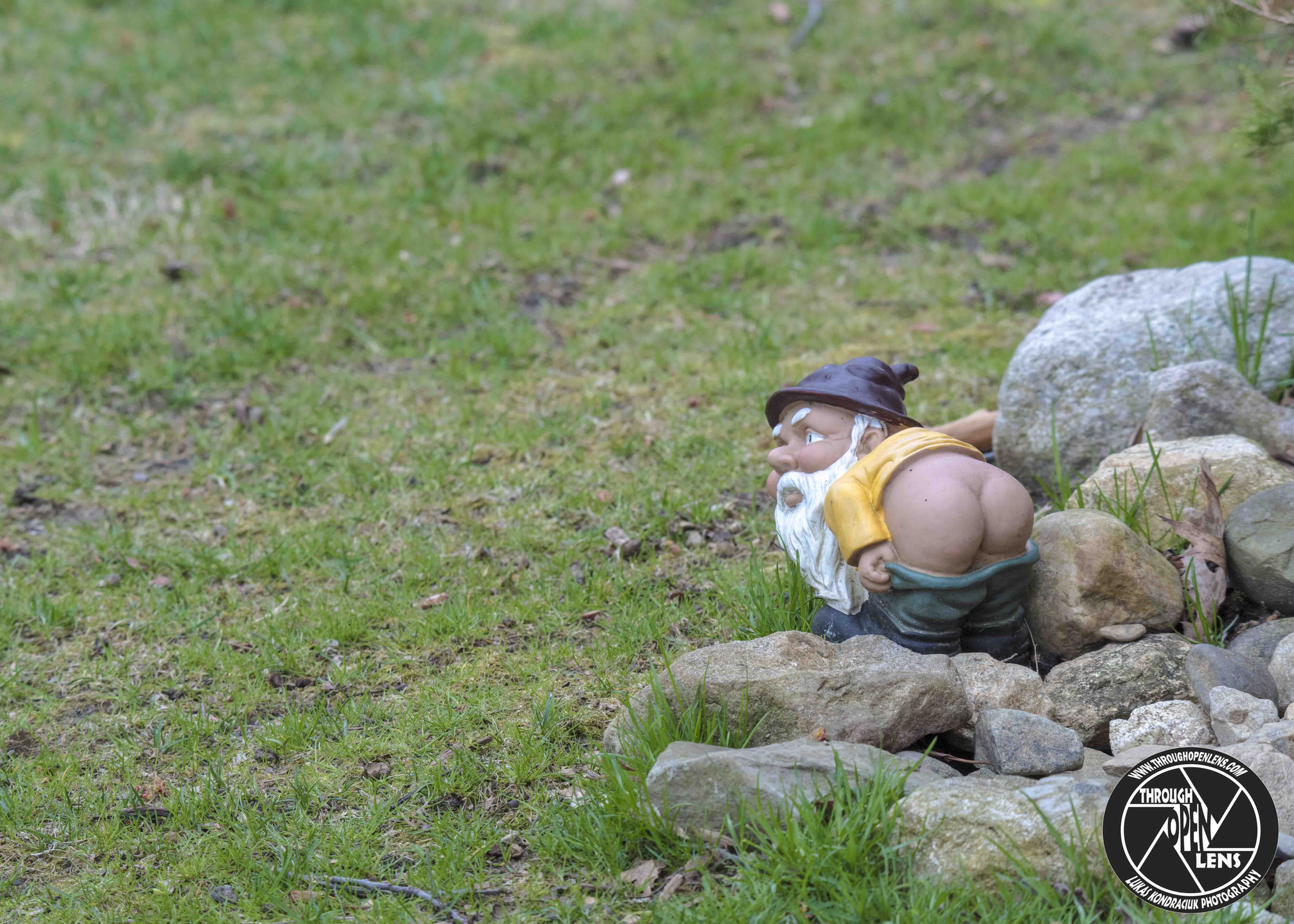
Goodmooning!

F/7.1, 1/200, ISO 640.

Garden Gnome

One time a man was driving on the road when he got stopped by a gnome with red clothes.

The gnome said” I’m a red gnome and I want a strawberry”. The man gave him a strawberry and went on his business.

Later he got stopped by a gnome with yellow clothes.

The gnome said:” I’m a yellow gnome and I want a banana”. The man, slightly annoyed, gave him a banana and continued to drive.

He then got stopped by a gnome with blue clothes.

The man, now pissed, said to him:” Let me guess, you’re a blue gnome and you want a blueberry”

The blue gnome then said:” sir, please step out of the car”

Interesting Fact: In ancient Rome, small stone statues depicting the Greco-Roman fertility god Priapus, also the protector of floors, were frequently placed in Roman gardens.[1][2][3] Gnomes as magical creatures were first described during the Renaissance period by Swiss alchemist Paracelsus as “diminutive figures two spans in height who did not like to mix with humans”.[4] During this period, stone “grotesques“, which were typically garishly painted, 1-metre-tall (3.3 ft) figurines, were commonly placed in the gardens of the wealthy.[5] Among the figures depicted were gobbi (Italian for hunchbacks). In particular, Jacques Callot produced 21 versions of gobbi, which he engraved and printed in 1616.  ( https://en.wikipedia.org/wiki/Garden_gnome#History )

Why You All Up In My Business!

osprey

F/5.6, 1/500, ISO200.

Osprey

What does the man in the moon do when his hair gets too long?

Eclipse it!

Interesting Fact: Ospreys hunt by diving to the water’s surface from some 30 to 100 feet (9 to 30 meters) up. They have gripping pads on their feet to help them pluck fish from the water with their curved claws and carry them for great distances. In flight, ospreys will orient the fish headfirst to ease wind resistance. ( https://www.nationalgeographic.com/animals/birds/o/osprey/ )