Make A Splash!

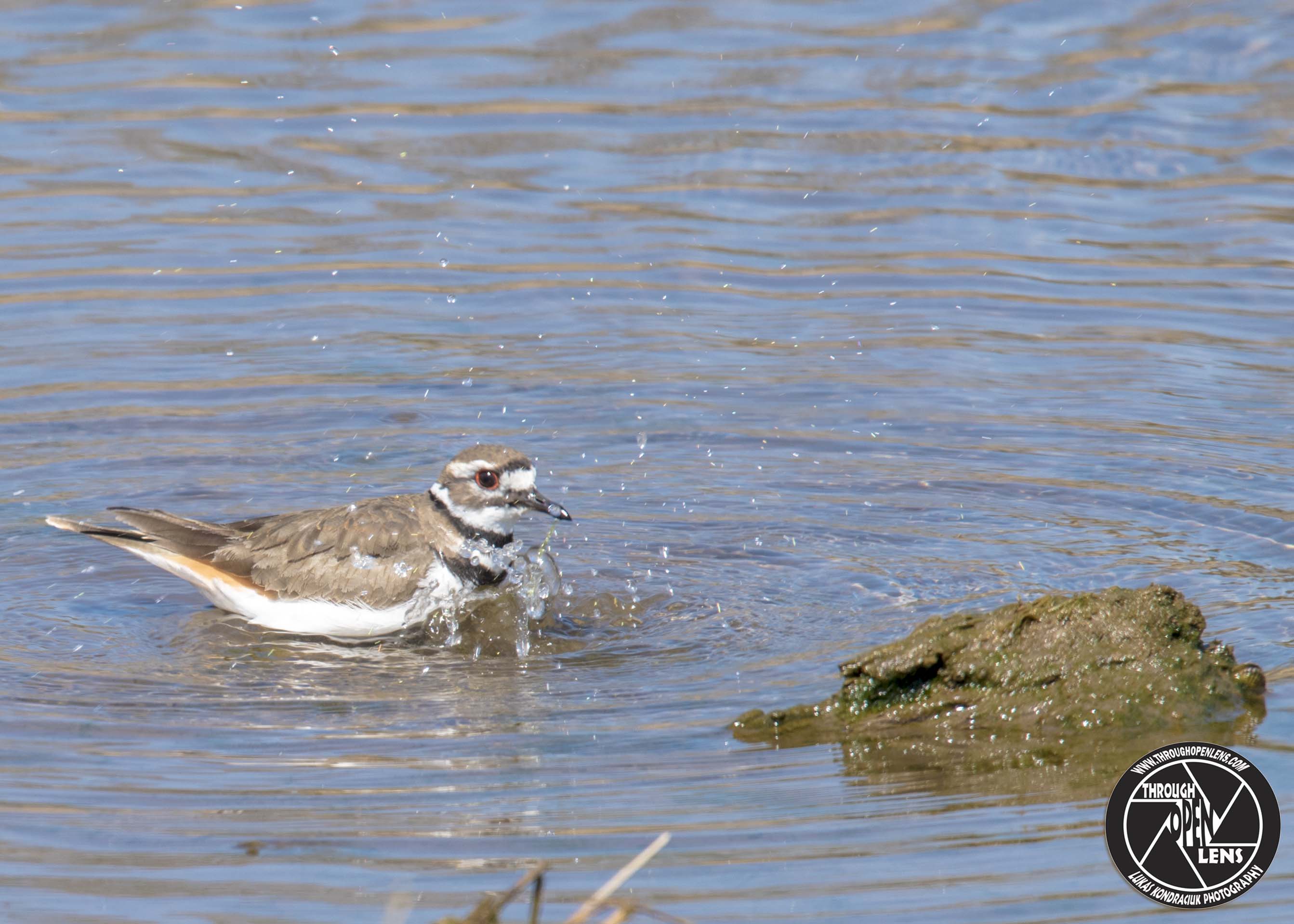
F/9.0, 1/320, ISO 200.

Killdeer

How does a man take a bubble bath?

He eats beans for dinner.

Interesting Fact: Often seen in dry, flat landscapes, running and halting on the ground in search of insects and earthworms. Although the Killdeer is common around human habitation it is often shy, at first running away rather than flying. ( https://www.allaboutbirds.org/guide/Killdeer/lifehistory )

Hey, these are my nuts!

F/5.6, 1/160, ISO 800.

Eastern Chipmunk

Why did the skeleton burp?

Because it didn’t have the guts to fart.

Interesting Fact: A chipmunk’s cheeks can expand to three times the size of its head and they have pouches in their cheeks where they hold their food until they get back to store it in their burrows ( http://www.pets4homes.co.uk/pet-advice/fun-interesting-facts-about-chipmunks.html )


Drink Water Suprise Your Liver!!

F/8.0, 1/250, ISO 200.

Wood Duck

Want to hear a pizza joke…. nah, it’s too cheesy.

What about a construction joke? Oh never mind, I’m still working on that one.

Interesting Fact:  Courting males swim before a female with wings and tail elevated, sometimes tilting the head backwards for a few seconds. Males may also perform ritualized drinking, preening, and shaking movements. Both members of a pair may preen each other. (  https://www.allaboutbirds.org/guide/Wood_Duck/lifehistory  )

Find A Balance In Life

F/6.3, 1/640, ISO 200.

American Coot

Why did the picture go to jail?

Because it was framed.

Interesting Fact: American Coots in the winter can be found in rafts of mixed waterfowl and in groups numbering up to several thousand individuals.  ( https://www.allaboutbirds.org/guide/American_Coot/lifehistory )


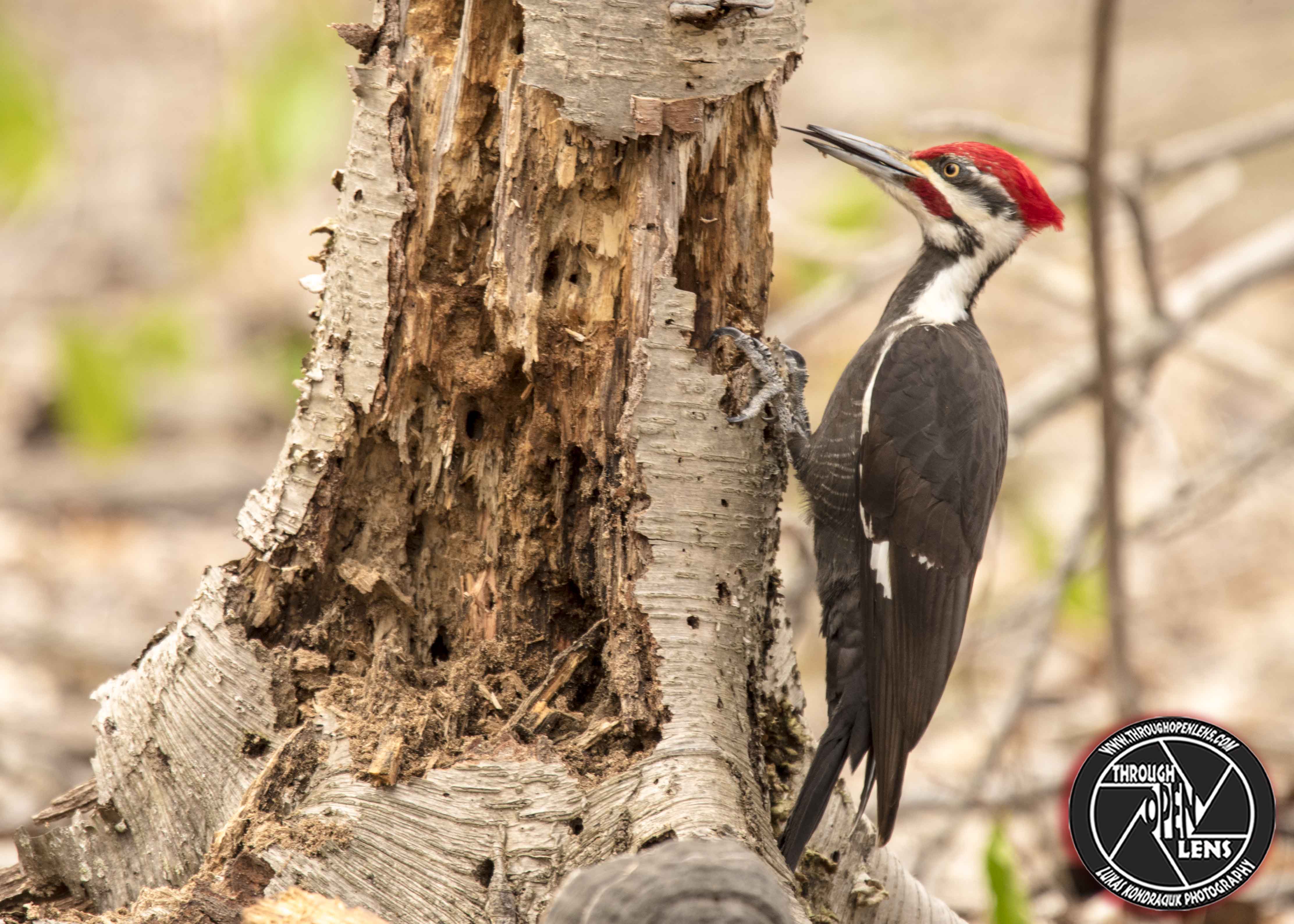
This Tree Taste Really Weird To Me?!

F/6.3, 1/160, ISO 320.

Pileated Woodpecker

Why did the belt go to jail?

Because it held up a pair of pants!

Interesting Fact: The Pileated Woodpecker digs characteristically rectangular holes in trees to find ants. These excavations can be so broad and deep that they can cause small trees to break in half. ( https://www.allaboutbirds.org/guide/Pileated_Woodpecker/lifehistory )

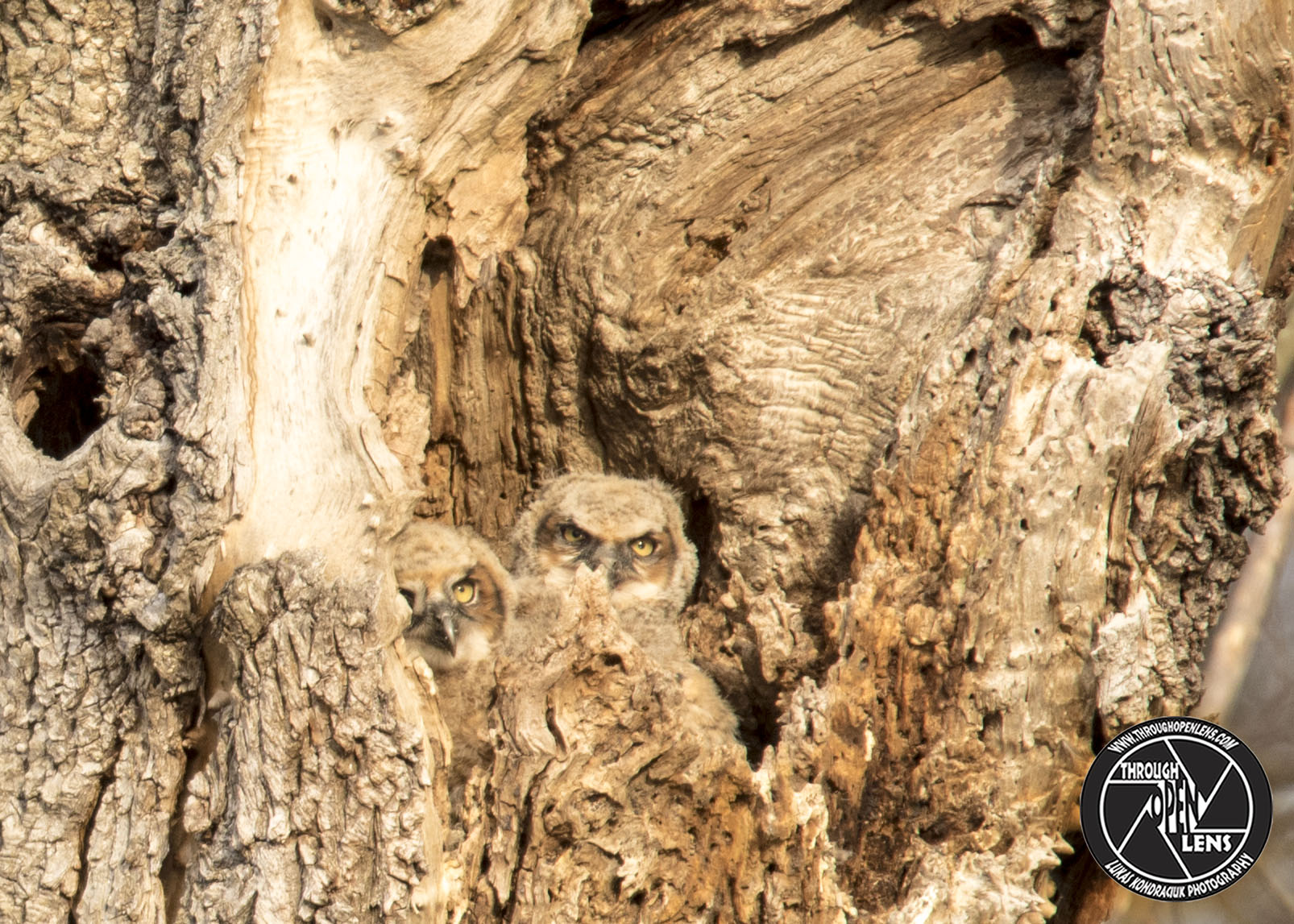
OWL We Need Is Love!

F/8.0, 1/200, ISO 320.

Great Horned Owlets

 Why did the owl, owl?

Because the woodpecker would peck ‘er!

Interesting Fact: Great Horned Owls typically nest in trees such as cottonwood, juniper, beech, pine, and others. They usually adopt a nest that was built by another species, but they also use cavities in live trees, dead snags, deserted buildings, cliff ledges, and human-made platforms. In the Yukon they nest in white spruces with “witches’ brooms,” which are clumps of dense foliage caused by a fungus. They occasionally nest on the ground. Pairs may roost together near the future nest site for several months before laying eggs.  ( https://www.allaboutbirds.org/guide/Great_Horned_Owl/lifehistory )

There Is No “We” In Food, So Get Away From Me.

F/9.0, 1/320, ISO 320.

Palm Warbler

What did the janitor say when he jumped out of the closet?

“SUPPLIES!”

Interesting Fact: Despite its tropical sounding name, the Palm Warbler lives farther north than most other warblers. It breeds far to the north in Canada, and winters primarily in the southern United States and northern Caribbean. ( https://www.allaboutbirds.org/guide/Palm_Warbler/lifehistory )

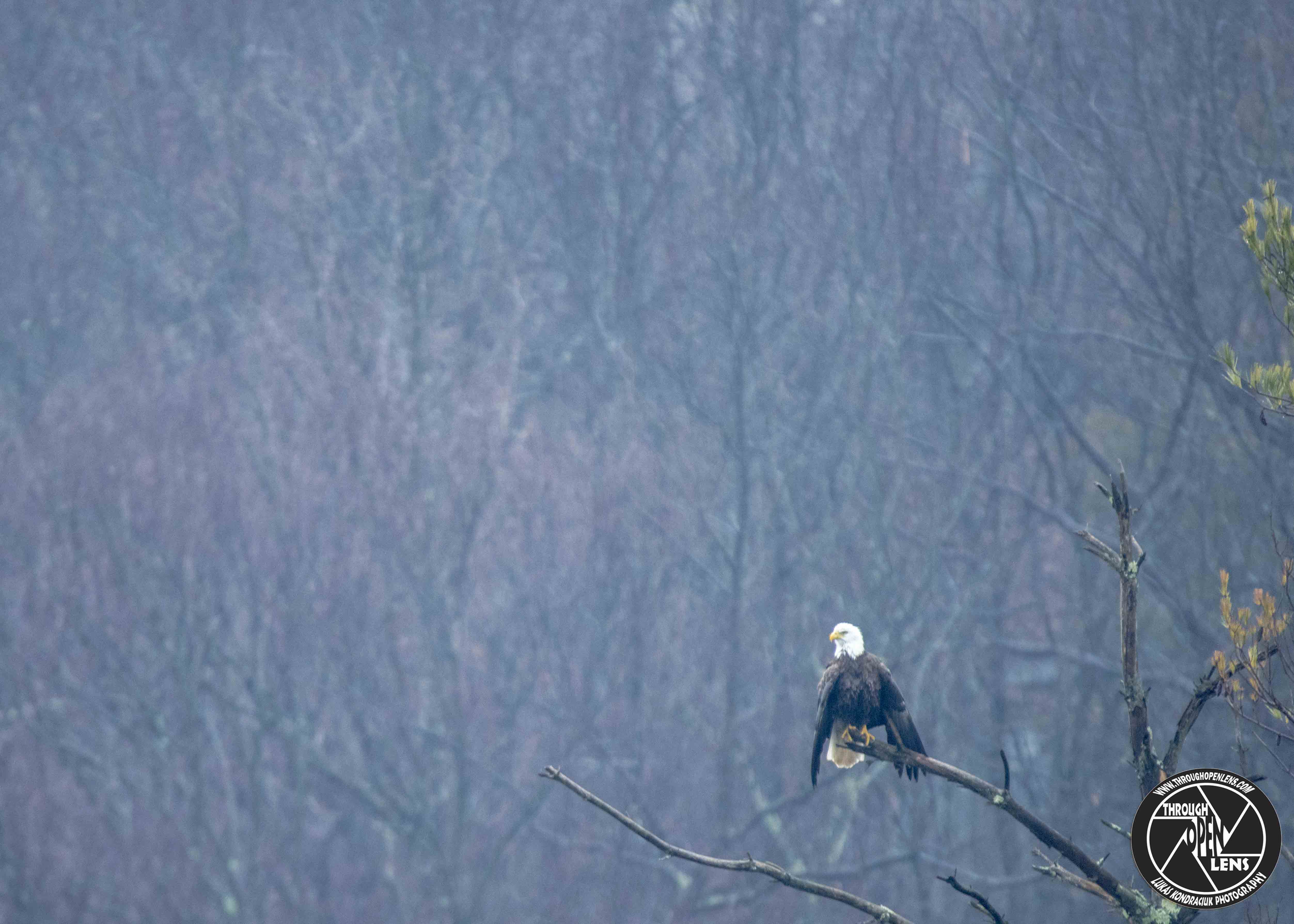
It’s Much Easier Sitting Down In The Chair..

F/6.3, 1/60, ISO 1250.

Bald Eagle

What is the difference between a good lawyer and a great lawyer?

A good lawyer knows the law and a great lawyer knows the judge!

Interesting Fact: Bald Eagles are powerful fliers—soaring, gliding, and flapping over long distances. In one of several spectacular courtship displays, a male and female fly high into the sky, lock talons, and cartwheel downward together, breaking off at the last instant to avoid crashing to earth. ( https://www.allaboutbirds.org/guide/Bald_Eagle/lifehistory )

Don’t Forget To Duck!

F/14.0, 1/800, ISO 640.

Northern Shoveler 

To whom do fish go to borrow money?

The loan shark!

Interesting Fact: They are fairly social ducks, occurring in groups with shovelers and other dabbling ducks, especially during the winter. During the breeding season, they are less tolerant of other shovelers encroaching on their territory. Defensive males often chase intruders on the water and in the air. ( https://www.allaboutbirds.org/guide/Northern_Shoveler/lifehistory )


In My Defense, I Was Left Unsupervised.

F/9.0, 1/320, ISO 640.

American Goldfinch

A unit in sex education was about to begin, and each student had to bring in a permission slip in order to take it.

Little Tommy handed in his slip and explained to the teacher, “My mom says I can take the course as long as there’s no homework.”

Interesting Fact: Goldfinches move south in winter following a pattern that seems to coincide with regions where the minimum January temperature is no colder than 0 degrees Fahrenheit on average. ( https://www.allaboutbirds.org/guide/American_Goldfinch )