I Rule The SKY!

F/6.3, 1/640, ISO 100.

Red-tailed Hawk

Why did the witches’ team lose the baseball game?

Their bats flew away.

Interesting Fact: Red-tailed Hawks typically put their nests in the crowns of tall trees where they have a commanding view of the landscape. They may also nest on a cliff ledge or on artificial structures such as window ledges and billboard platforms. ( https://www.allaboutbirds.org/guide/Red-tailed_Hawk/lifehistory )

Shhhh… I’m Hiding From Stupid People!

F/5.6, 1/500, ISO 200.

Great Egret 

Why did the boy take a ladder to school?

It was a high school.

Interesting Fact: The male builds a nest platform from long sticks and twigs before pairing up with a female, and then both members of the pair may collaborate to complete the nest, though the male sometimes finishes it himself. The nest is up to 3 feet across and 1 foot deep. It is lined with pliable plant material that dries to form a cup structure. They don’t typically reuse nests from year to year. ( https://www.allaboutbirds.org/guide/Great_Egret/lifehistory )

Ain’t No Thang Like A Duck Wing!

F/8.0, 1/250, ISO 200.

American Black Duck

Why did the Skeleton go to the movies by himself?

He had no body to go with him.

Interesting Fact:  Pleistocene fossils of American Black Ducks, at least 11,000 years old, have been unearthed in Florida and Georgia. ( https://www.allaboutbirds.org/guide/American_Black_Duck/lifehistory  )

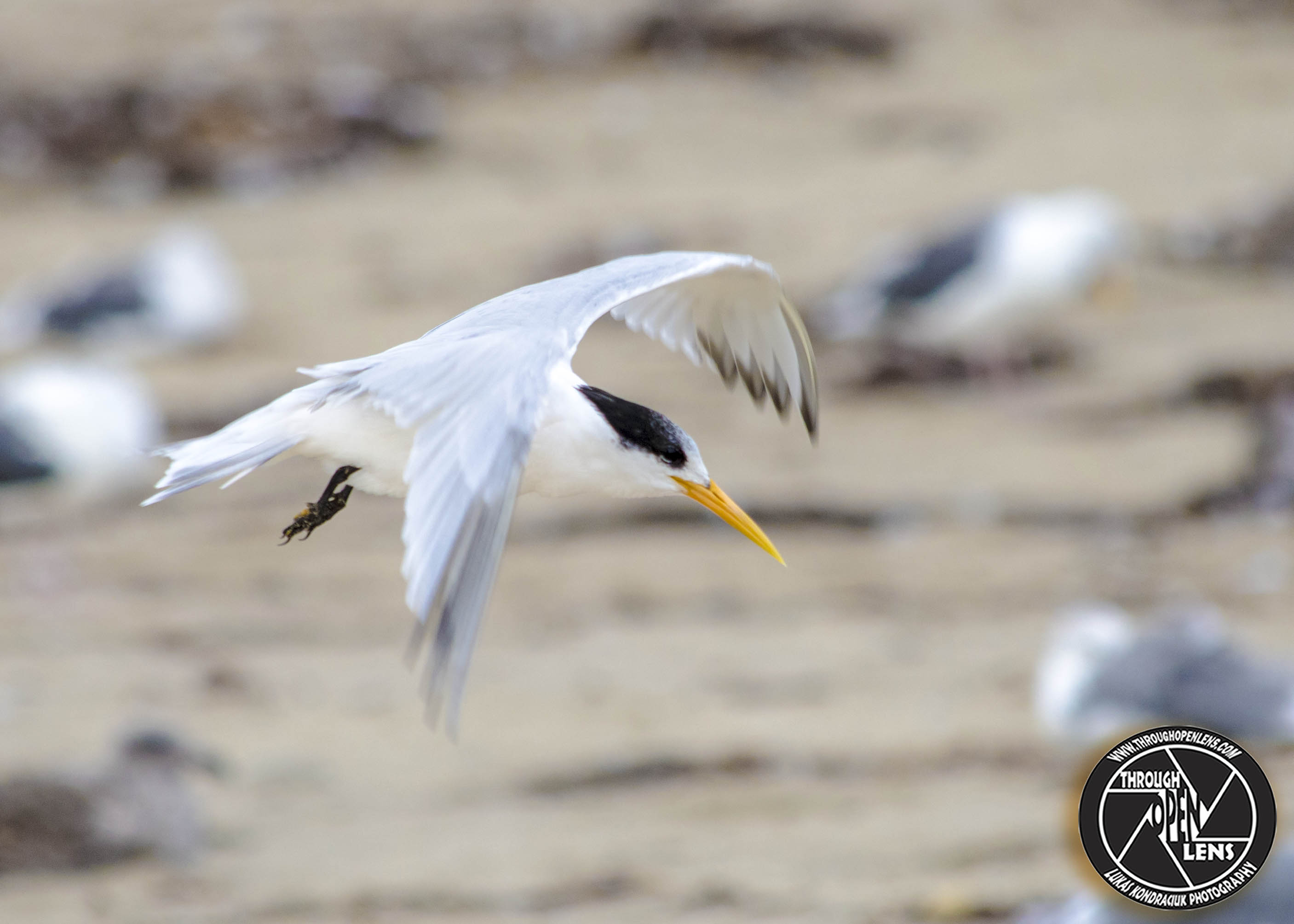
INCOMING!!!

F/5.6, 1/500, ISO 200.

Elegant Tern

What happened when a faucet, a tomato and lettuce were in a race?

The lettuce was ahead, the faucet was running and the tomato was trying to ketchup.

Interesting Fact: Approximately 90-97% of all Elegant Terns nest in one colony on Isla Rasa in the Gulf of California, Mexico. ( https://www.allaboutbirds.org/guide/Elegant_Tern/lifehistory )

Quit Staring AT Me!

F/6.3, 1/80, ISO 500.

Common Gallinule

What do u call a police officer that works in bed?

A undercover cop.

Interesting Fact: Males and females construct a wide bowl of grasses and sedges. Males tend to collect most of the nesting material while females arrange and anchor it to emergent vegetation near the water’s edge. Common Gallinule nests are around 10–12 inches wide.  ( https://www.allaboutbirds.org/guide/Common_Gallinule/lifehistory )

You Like My Legs?

F/7.1, 1/200, ISO 250.

Greater Yellowlegs

A bear walks into a bar. He says, “I’ll have a gin… … … … … … … and tonic.”

The bartender says, “Sure, but what about the big pause?”

The bear says, “I was born with them.”

Interesting Fact: A common, tall, long-legged shorebird of freshwater ponds and tidal marshes, the Greater Yellowlegs frequently announces its presence by its piercing alarm calls. ( https://www.allaboutbirds.org/guide/Greater_Yellowlegs/lifehistory )

Born To Stand Out Not To Fit In!

F/9.0, 1/320, ISO 200.

American Flamingo

What’s the opposite of a flamingo?

A flamin-stop.

Interesting Fact: At the beginning of the nesting season, they perform mass courtship displays, where hundreds move together in a coordinated walk. ( http://identify.whatbird.com/obj/940/overview/American_Flamingo.aspx )

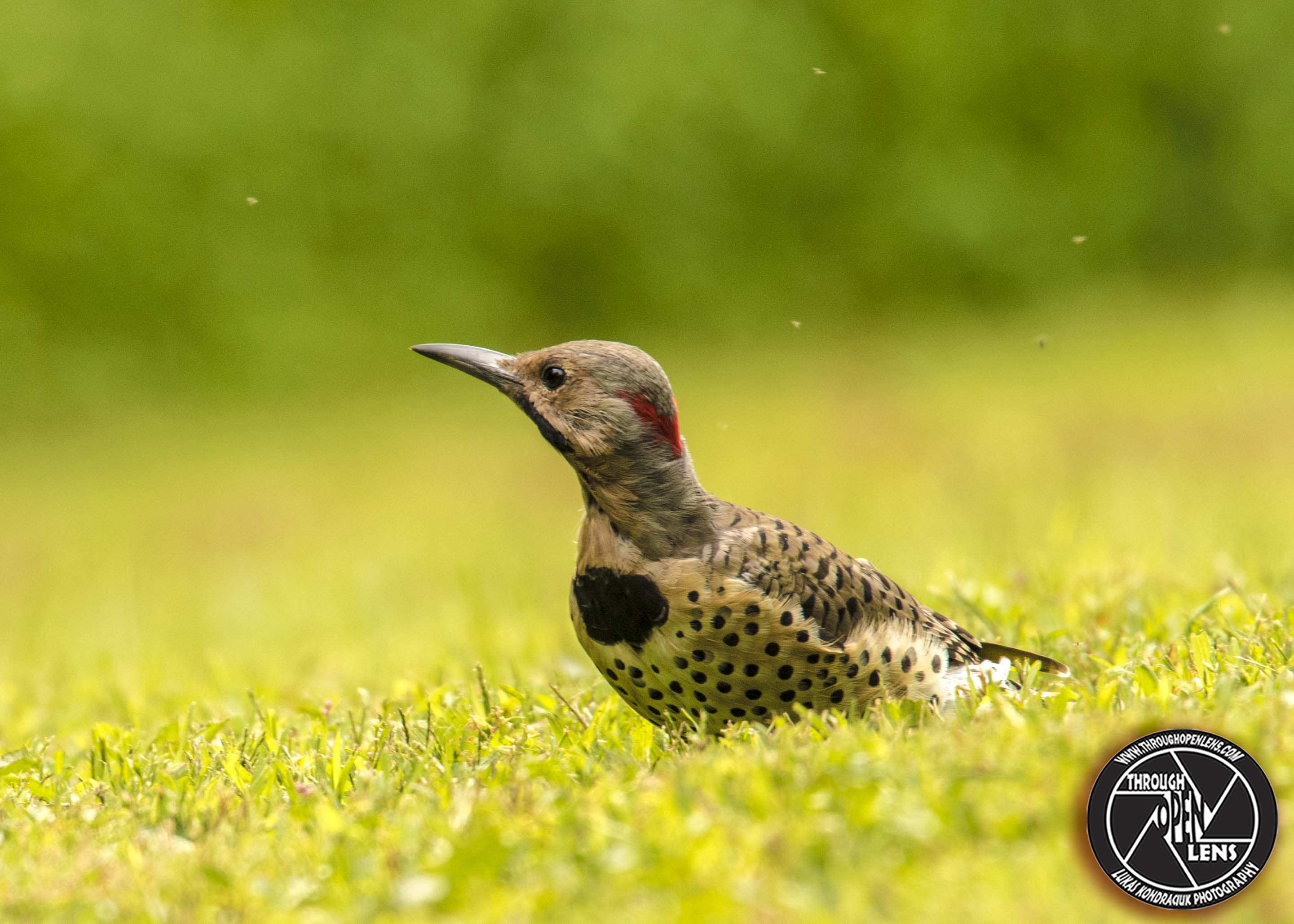
This Is My Good Side

F/8.0, 1/200, ISO 400.

Northern Flicker

Why is it so hot in a stadium after a football game?

Because all the fans have left.

Interesting Fact: The Northern Flicker is one of the few North American woodpeckers that is strongly migratory. Flickers in the northern parts of their range move south for the winter, although a few individuals often stay rather far north. ( https://www.allaboutbirds.org/guide/Northern_Flicker/lifehistory )


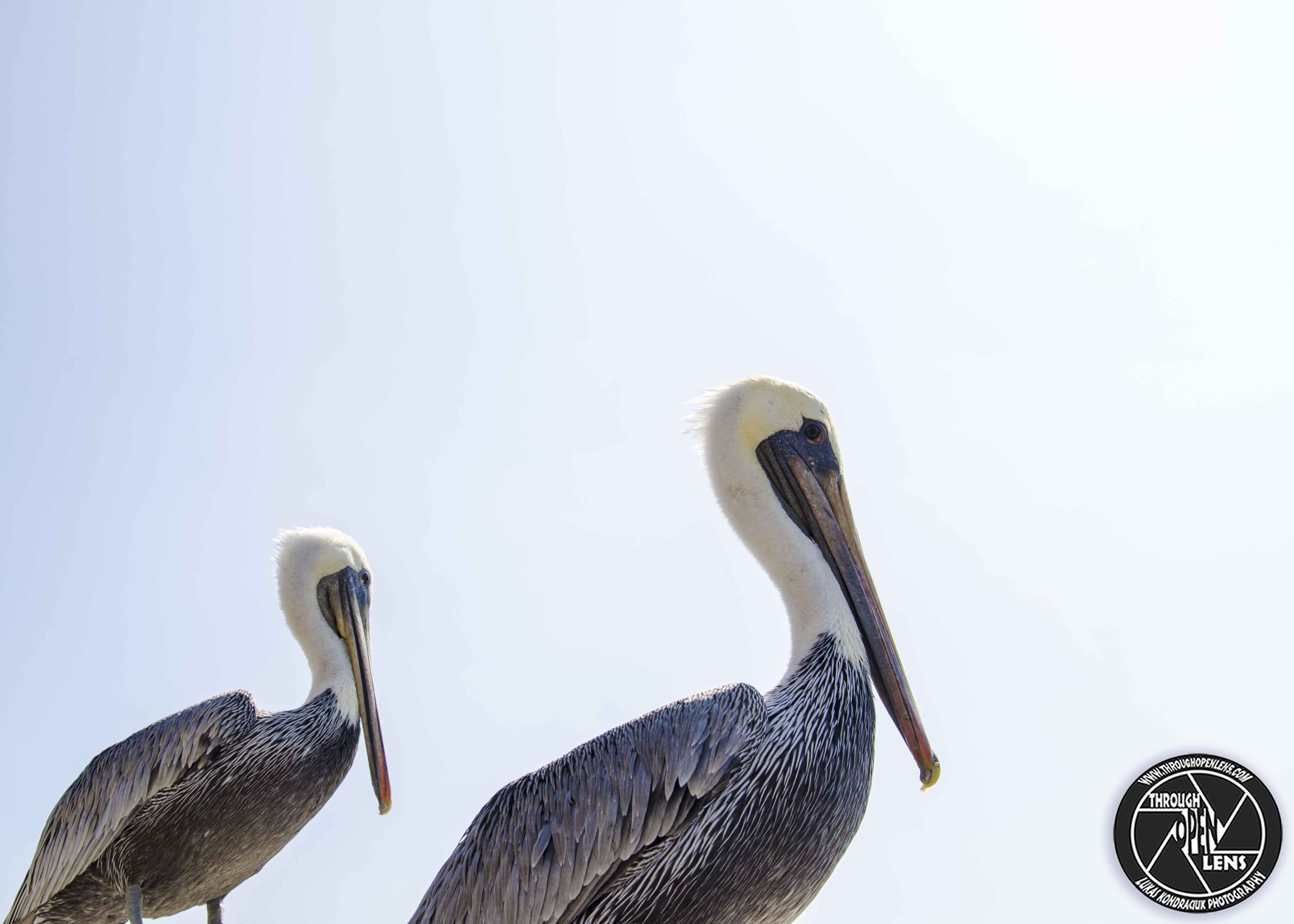
Strike A Pose

F/9.0, 1/320, ISO 100.

Brown Pelicans

I bought some shoes from a drug dealer.

I don’t know what he laced them with, but I’ve been tripping all day.

Interesting Fact: The closely related Peruvian Pelican lives along the Pacific Coast of South America from southern Ecuador to Chile. It’s a little larger than a Brown Pelican, with fine white streaking on its underparts and a blue pouch in the breeding season. These two species are the only pelicans that plunge-dive for their food. ( https://www.allaboutbirds.org/guide/Brown_Pelican/lifehistory )

I’m On A Seafood Diet. I See Food, I Eat It.

F/10.0, 1/400, ISO 160.

Red-tailed Hawk

What did one elevator say to the other elevator?

I think I’m coming down with something!

Interesting Fact: Mammals make up the bulk of most Red-tailed Hawk meals. Frequent victims include voles, mice, wood rats, rabbits, snowshoe hares, jackrabbits, and ground squirrels. The hawks also eat birds, including pheasants, bobwhite, starlings, and blackbirds; as well as snakes and carrion. Individual prey items can weigh anywhere from less than an ounce to more than 5 pounds. ( https://www.allaboutbirds.org/guide/Red-tailed_Hawk/lifehistory  )