Don’t Look Back You’re Not Going That Way

F/5.6, 1/500, ISO 220.

Least Sandpiper

Browsing in a pet shop, a man sees a beautiful parrot with a red
string tied to its left leg and a green string tied to its right
leg, and asks the store owner about the different colored strings.
“This is a highly-trained parrot,” the owner explains. “If you
pull the red string, he’ll speak French.  If you pull the green
string, he’ll speak Spanish.”
The customer asks, “What happens if I pull both strings?”
“I’ll fall off my perch, dummy!” screeches the parrot.

Interesting Fact: Eastern populations probably fly nonstop over the ocean from the Gulf of St. Lawrence and New England to wintering grounds in northeastern South America, a distance of about 1,800 to 2,500 miles. ( https://www.allaboutbirds.org/guide/Least_Sandpiper/lifehistory )
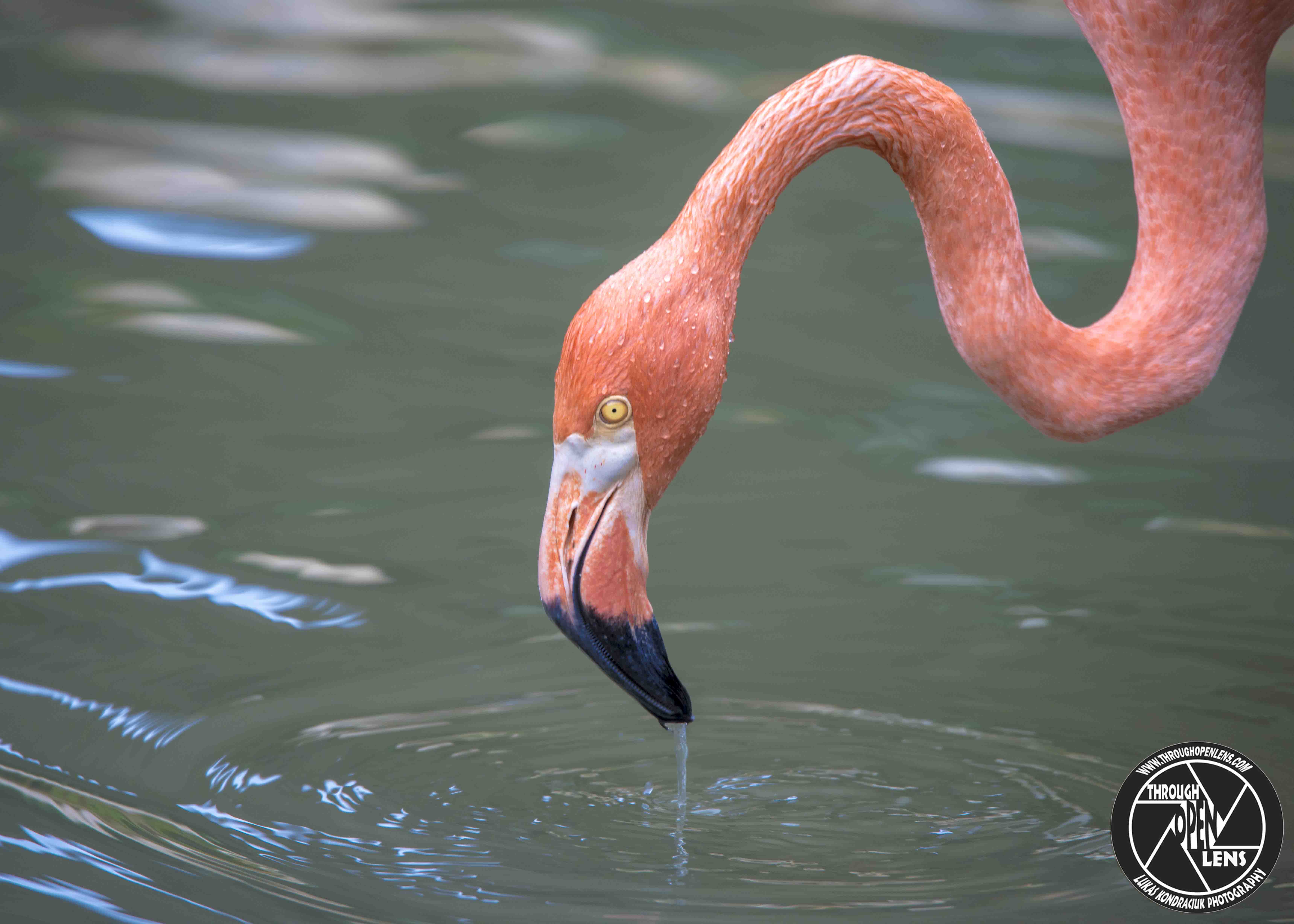
 

I Don’t Have A Drinking Problem, I Drink, I Get Drunk, I Pass Out, No Problem!

F/7.1, 1/200, ISO 320.

American Flamingo 

Why did the baseball player bring a rope to the game?

He wanted to tie the score

Interesting Fact: American flamingos are saltwater birds that ingest food with a high salt content and mostly drink salt water (with an osmolarity of usually 1000), hyperosmotic to the bodies cells . Also, though not commonly, they can drink fresh water at near-boiling temperatures from geysers. From their high-salt diet, they would lose more water and have a greater salt uptake. One way in which they osmoregulate is through the use of a salt gland, which is found in their beaks.[17] This salt gland helps excrete excess salt from the body through the nasal openings in the flamingo’s beaks. When these birds consume salt, the osmolarity increases in the blood plasma through the gut. This causes water to move out of the cells, increasing extracellular fluids. Both these changes, in turn, activate the salt glands of the bird,[18] but before any activity occurs in the salt glands, the kidney has to reabsorb the ingested sodium from the small intestine. As seen in other saltwater birds, the fluid that is excreted has been seen to have an osmolarity greater than that of the salt water, but this varies with salt consumption and body size. ( https://en.wikipedia.org/wiki/American_flamingo )

You Make Me Happy When Skies Are Grey

F/ 6.3, 1/125, ISO 500.

Yellow Warblers

How do birds fly?

They just wing it!

Interesting Fact: The nests of the Yellow Warbler are frequently parasitized by the Brown-headed Cowbird. The warbler often builds a new nest directly on top of the parasitized one, sometimes resulting in nests with up to six tiers. ( https://www.allaboutbirds.org/guide/Yellow_Warbler/lifehistory )

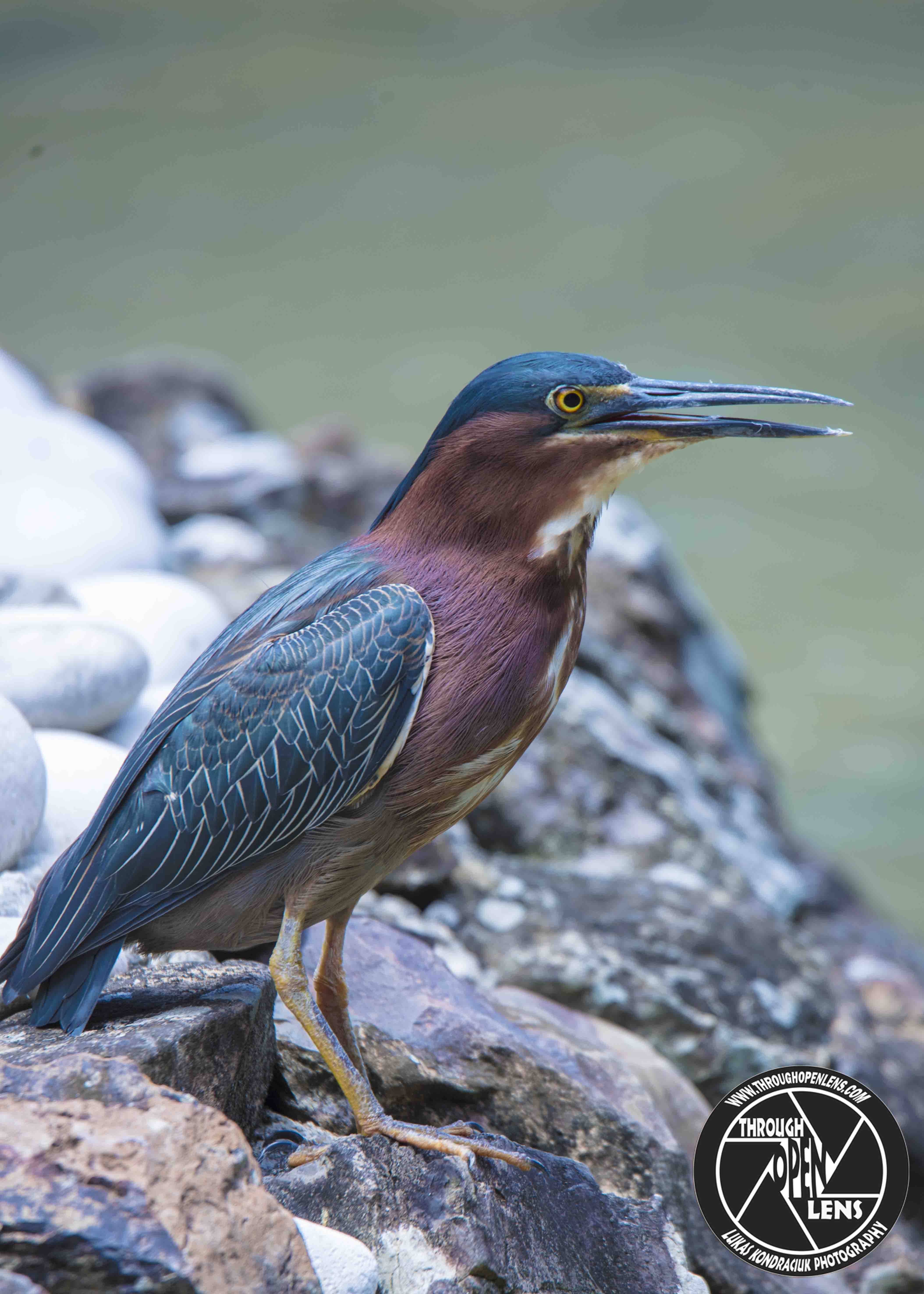
Do You Understand The Words That Are Coming Out Of My Mouth?!

F/6.3, 1/160, ISO 200.

Green Heron

What does a teddy bear say when you offer it a sandwich?

“No thanks, I’m stuffed”

Interesting Fact: Green Herons are common and widespread, but they can be hard to see at first. Whereas larger herons tend to stand prominently in open parts of wetlands, Green Herons tend to be at the edges, in shallow water, or concealed in vegetation. Visit a wetland and carefully scan the banks looking for a small, hunch-backed bird with a long, straight bill staring intently at the water. ( https://www.allaboutbirds.org/guide/Green_Heron )

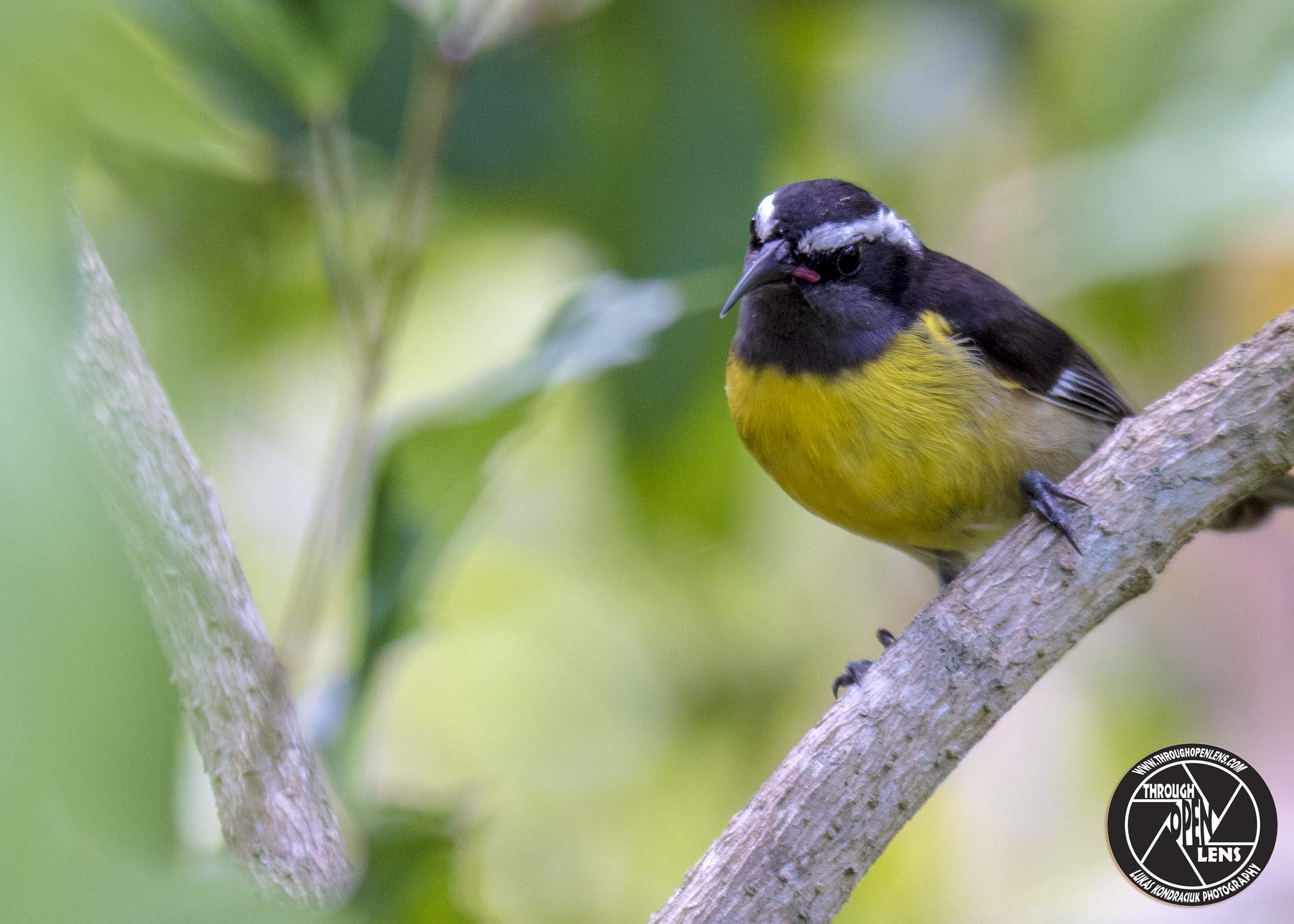
Hey Autocorrect! Quit Tampering With My Curse Words, You Mother Forklift!

F/5.6, 1/100, ISO 640.

Bananaquit

Why did the fly fall off the toilet?

It got pissed off.

Interesting Fact: The bananaquit is known for its ability to adjust remarkably to human environments. It often visits gardens and may become very tame. Its nickname, the sugar bird, comes from its affinity for bowls or bird feeders stocked with granular sugar, a common method of attracting these birds.[19] The bananaquit builds a spherical lined nest with a side entrance hole, laying up to three eggs, which are incubated solely by the female.[4] It may also build its nest in human-made objects, such as lampshades and garden trellises. The birds breed all year regardless of season and build new nests throughout the year. ( https://en.wikipedia.org/wiki/Bananaquit )


A Wise Duck Once Told Me “QUACK” And He Meant It!

F/7.1, 1/200, ISO 125.

White-cheeked pintail

Why did the student wear eye-glasses in math class?

It improved DiVision!

Interesting Fact: White-cheeked Pintail: Large, heavily spotted dark and light brown duck with striking white cheek patches, blue bill with bright red base, buff pointed tail. Legs and feet are blue-gray. Feeds on aquatic plants, small invertebrates. Swift direct flight with strong rapid wing beats. AKA Bahama Duck. ( https://identify.whatbird.com/obj/1029/overview/White-cheeked_Pintail.aspx )

Sing… The World Needs Your Music In It.

F/9.0, 1/320, ISO 320.

Eastern Wood-Pewee

Why can’t you write with a broken pencil?

Because it’s pointless.

Interesting Fact: The Eastern Wood-Pewee’s lichen-covered nest is so inconspicuous that it often looks like a knot on a branch. ( https://www.allaboutbirds.org/guide/Eastern_Wood-Pewee )


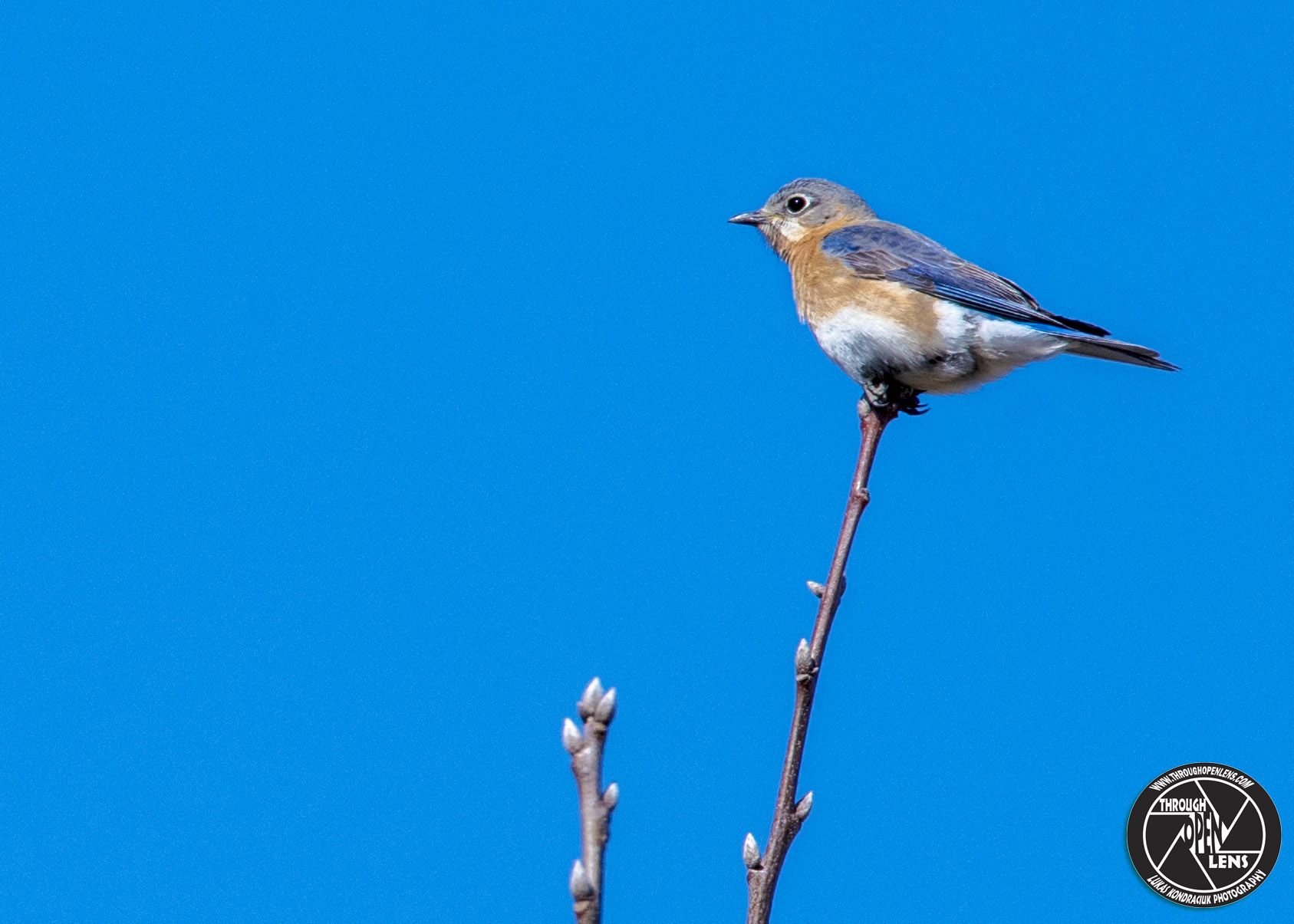
I See Sky Of Blue!

F/11.0, 1/500, ISO 320.

Eastern Bluebird 

Imagine you are in a water tank with a roof. There are no objects in the tank to help you escape. How do you get out?

Stop imagining.

Interesting Fact: Males vying over territories chase each other at high speed, sometimes grappling with their feet, pulling at feathers with their beaks, and hitting with their wings. The boxes and tree cavities where bluebirds nest are a hot commodity among birds that require holes for nesting, and male bluebirds will attack other species they deem a threat, including House Sparrows, European Starlings, Tree Swallows, Great Crested Flycatchers, Carolina Chickadees, and Brown-headed Nuthatches, as well as non-cavity nesters such as robins, Blue Jays, mockingbirds, and cowbirds. ( https://www.allaboutbirds.org/guide/Eastern_Bluebird/lifehistory )

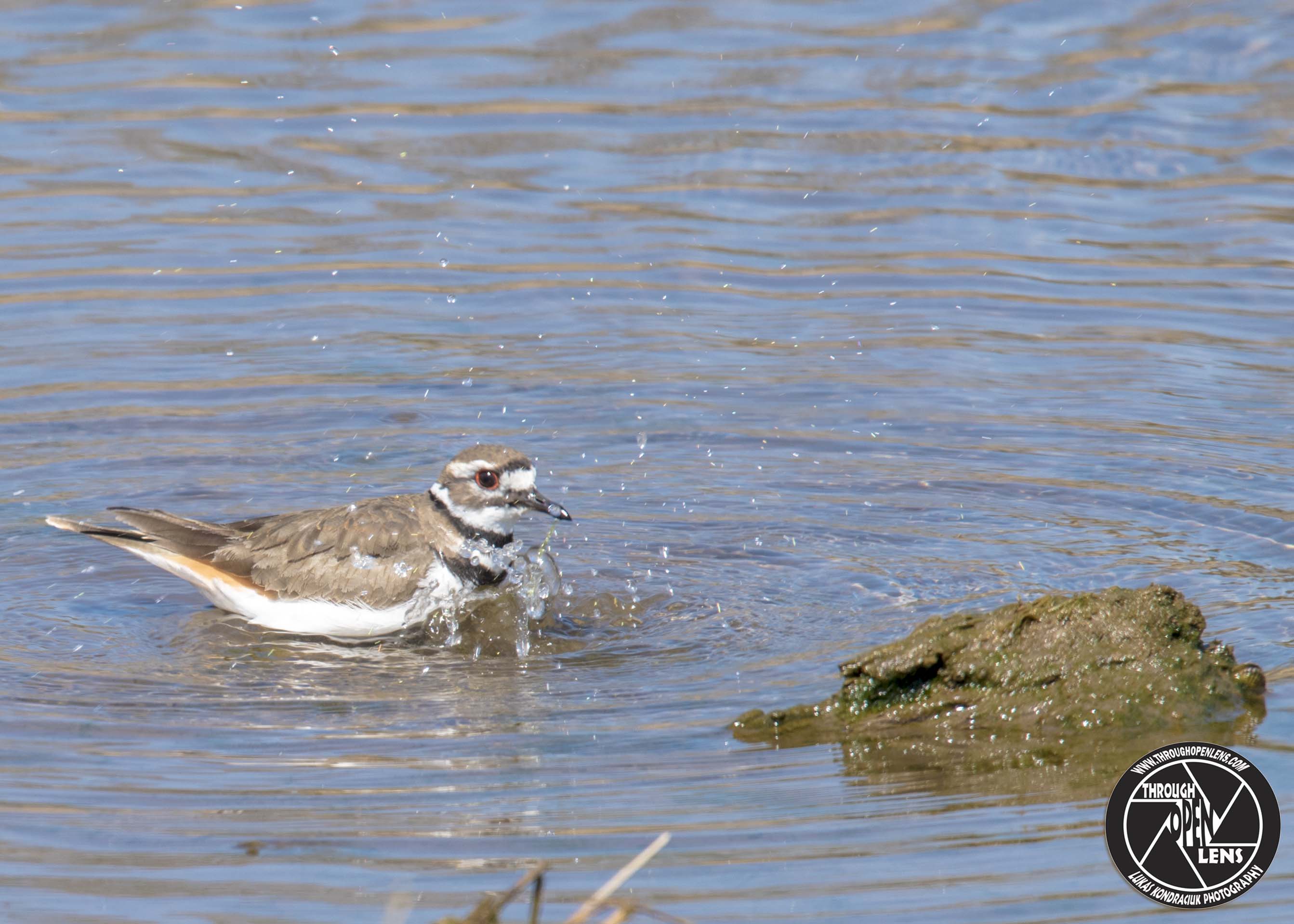
Make A Splash!

F/9.0, 1/320, ISO 200.

Killdeer

How does a man take a bubble bath?

He eats beans for dinner.

Interesting Fact: Often seen in dry, flat landscapes, running and halting on the ground in search of insects and earthworms. Although the Killdeer is common around human habitation it is often shy, at first running away rather than flying. ( https://www.allaboutbirds.org/guide/Killdeer/lifehistory )

Drink Water Suprise Your Liver!!

F/8.0, 1/250, ISO 200.

Wood Duck

Want to hear a pizza joke…. nah, it’s too cheesy.

What about a construction joke? Oh never mind, I’m still working on that one.

Interesting Fact:  Courting males swim before a female with wings and tail elevated, sometimes tilting the head backwards for a few seconds. Males may also perform ritualized drinking, preening, and shaking movements. Both members of a pair may preen each other. (  https://www.allaboutbirds.org/guide/Wood_Duck/lifehistory  )