I Might Look Like I’m Doing Nothing, But In My Head I’m Quite Busy.

F/7.1, 1/200, ISO 150.

Green Heron

Why did the dog sit in the shade?

Because he didn’t want to be a hot dog!

Interesting Fact:  The male begins building the nest before pairing up to breed, but afterward passes off most of the construction to his mate. As the male gathers long, thin sticks, the female shapes them into a nest 8–12 inches across, with a shallow depression averaging less than 2 inches deep. The nest varies from solid to flimsy, and has no lining. ( https://www.allaboutbirds.org/guide/Green_Heron/lifehistory )

 

Chillin Like A Villain

F/11.0, 1/500, ISO 320.

Red-winged Blackbird ( Adult Female  )

What does a crying ghost say?

Boo-Hoo

Interesting Fact:  Females build the nests by winding stringy plant material around several close, upright stems and weaving in a platform of coarse, wet vegetation. Around and over this she adds more wet leaves and decayed wood, plastering the inside with mud to make a cup. ( https://www.allaboutbirds.org/guide/Red-winged_Blackbird/lifehistory )

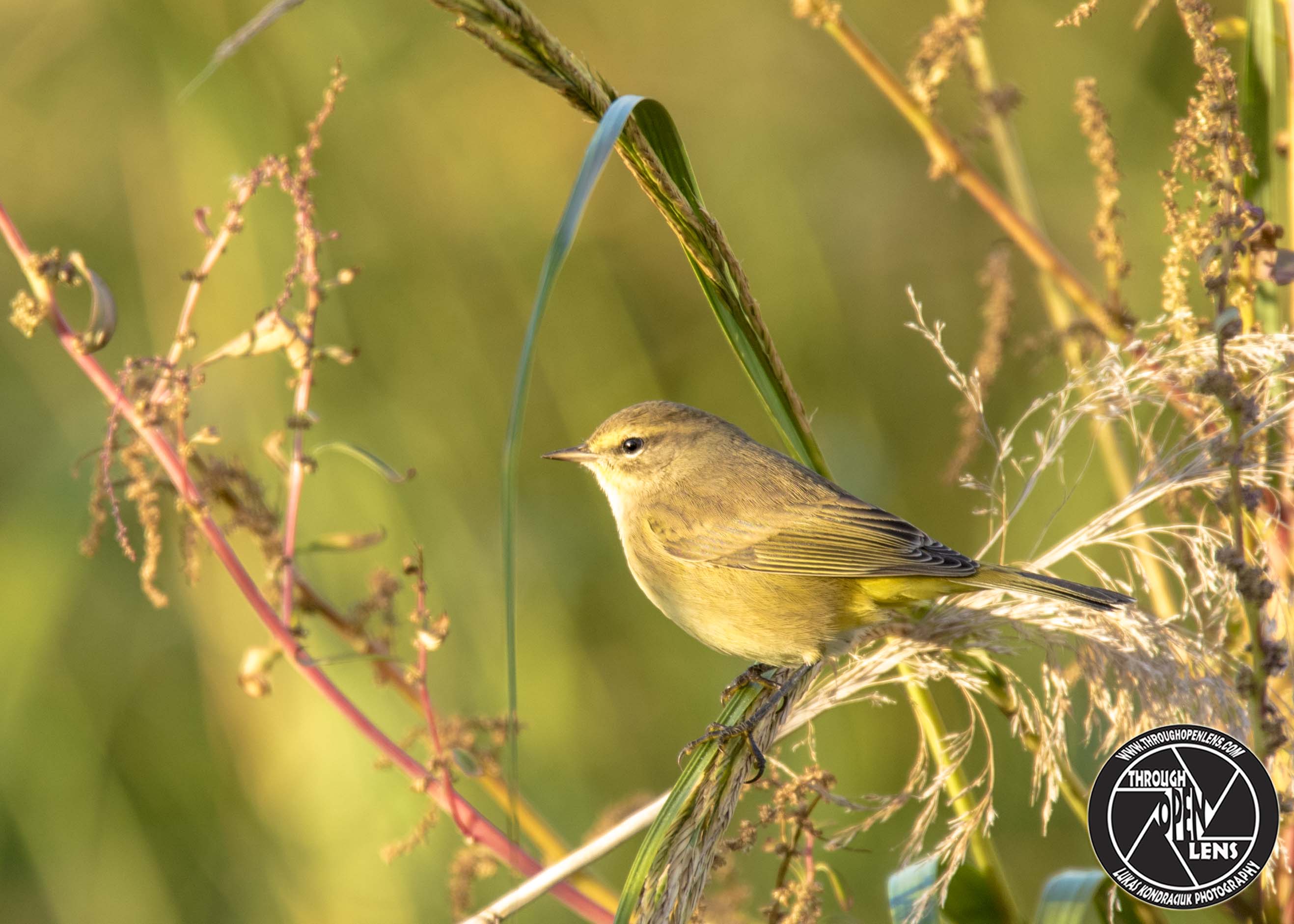
When You’re Thinking That I’m Thinking Of You, I’m Thinking You’re Thinking Of Me.

F/7.1, 1/200, ISO 320.

Yellow-Rumped Warbler

An invisible man marries an invisible woman.

The kids were nothing to look at either.

Interesting Fact: Females build the nest, sometimes using material the male carries to her. The nest is a cup of twigs, pine needles, grasses, and rootlets. She may also use moose, horse, and deer hair, moss, and lichens. She lines this cup with fine hair and feathers, sometimes woven into the nest in such a way that they curl up and over the eggs. The nest takes about 10 days to build. It’s 3-4 inches across and about 2 inches tall when finished. ( https://www.allaboutbirds.org/guide/Yellow-rumped_Warbler/lifehistory )

Ain’t No Thang Like A Duck Wing!

F/8.0, 1/250, ISO 200.

American Black Duck

Why did the Skeleton go to the movies by himself?

He had no body to go with him.

Interesting Fact:  Pleistocene fossils of American Black Ducks, at least 11,000 years old, have been unearthed in Florida and Georgia. ( https://www.allaboutbirds.org/guide/American_Black_Duck/lifehistory  )

Don’t Act Like You’re Not Impressed

F/11.0, 1/500, ISO 400.

Boston Terriers

What did the dog say to the hot dog bun?

“Are you pure bred?”

Interesting Fact: Judge weighed over 27.5 pounds (12.5 kg). The offspring interbred with one or more French Bulldogs, providing the foundation for the Boston Terrier. Bred down in size from fighting dogs of the Bull and Terrier types, the Boston Terrier originally weighed up to 44 pounds (20 kg) (Olde Boston Bulldogge).[2] The breed was first shown in Boston in 1870. By 1889 the breed had become sufficiently popular in Boston that fanciers formed the American Bull Terrier Club, the breed’s nickname, “roundheads”. Shortly after, at the suggestion of James Watson (a noted writer and authority), the club changed its name to the Boston Terrier Club and in 1893 it was admitted to membership in the American Kennel Club, thus making it the first US breed to be recognized.[8] It is one of a small number of breeds to have originated in the United States. The Boston Terrier was the first non-sporting dog bred in the US. ( https://en.m.wikipedia.org/wiki/Boston_Terrier )

I May Look Like I’m Having Deep Thoughts, But Really I Need To Fart.

F/13.0, 1/640, ISO 400.

Semipalmated Sandpiper

Why do scuba divers fall backwards into the water?

Because if they fell forwards they’d still be in the boat.

Interesting Fact:  Semipalmated Sandpipers from eastern populations probably undertake nonstop transoceanic flights of 3,000 – 4,000 km (1,900 – 2,500 mi) from New England and southern Canada to South America, powered by extensive fat reserves. ( https://www.allaboutbirds.org/guide/Semipalmated_Sandpiper/lifehistory )


Gone Fishing!

F/11.0, 1/500, ISO 125.

Osprey

What did the fish say when he posted bail?

“I’m off the hook!”

Interesting Fact:  The Osprey is the only hawk on the continent that eats almost exclusively live fish. In North America, more than 80 species of live fresh- and saltwater fish account for 99 percent of the Osprey’s diet. Captured fish usually measure about 6–13 inches in length and weigh one-third to two-thirds of a pound. The largest catch on record weighed about 2.5 pounds.  (  https://www.allaboutbirds.org/guide/Osprey/lifehistory )

Up In The Air

F/13.0, 1/640, ISO 320.

Blue-gray Gnatcatcher

Why is the barn so noisy?

Because the cows have horns.

Interesting Fact: Occasionally, significant numbers of Blue-gray Gnatcatchers “overshoot” on their spring migrations and end up much further north than usual. They may be carried past their target by strong southwest winds in warm regions, and by strong northerly winds on the west side of high pressure systems. Most probably make their way back south before nesting.  ( https://www.allaboutbirds.org/guide/Blue-gray_Gnatcatcher/lifehistory )

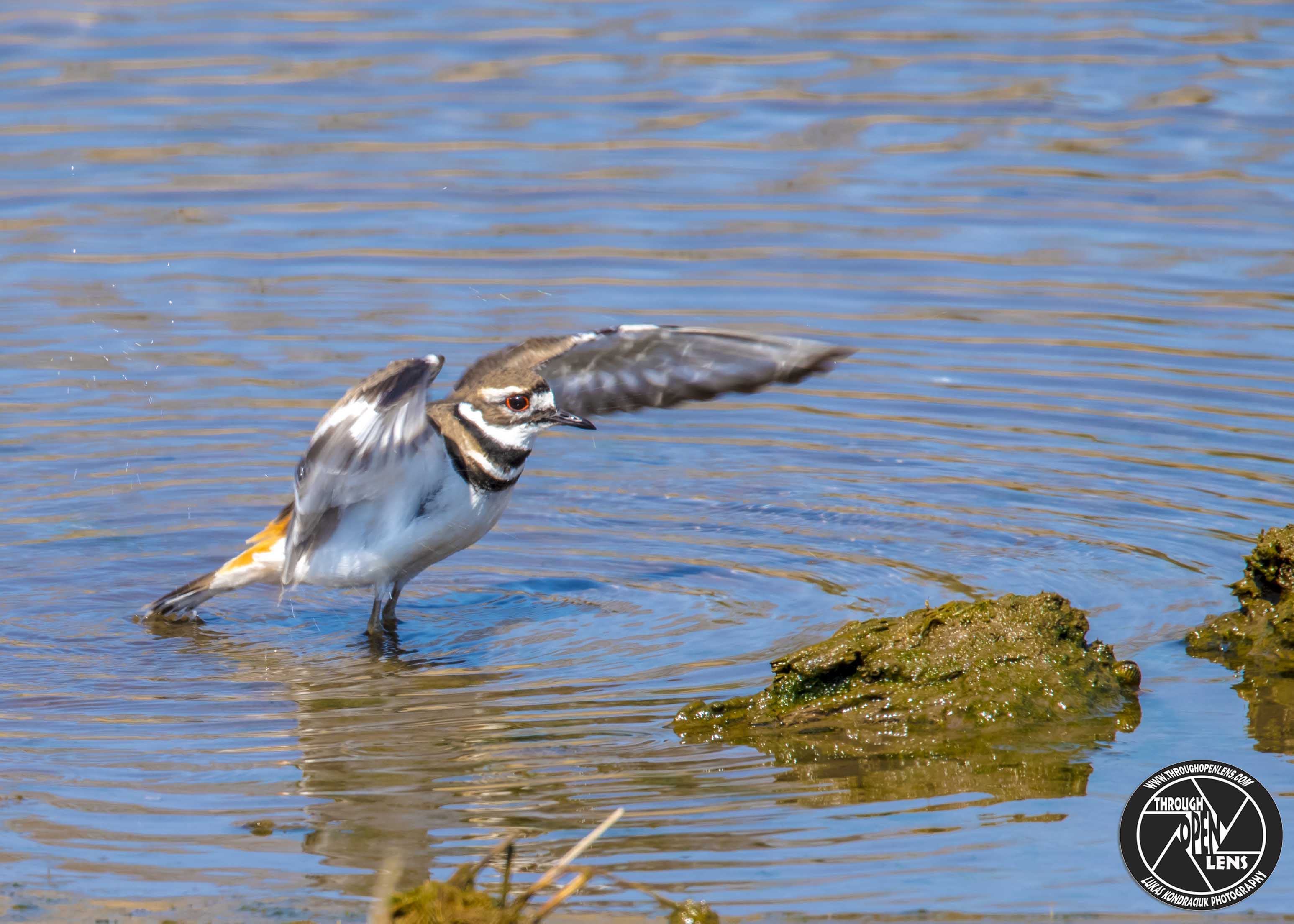
Do We Have A Problem, Come At Me Rock!

F/9.0, 1/320, ISO 200.

Killdeer

What kind of rock can fly?

A rock-et!

Interesting Fact: Killdeer get their name from the shrill, wailing kill-deer call they give so often. Eighteenth-century naturalists also noticed how noisy Killdeer are, giving them names such as the Chattering Plover and the Noisy Plover. ( https://www.allaboutbirds.org/guide/Killdeer/lifehistory )


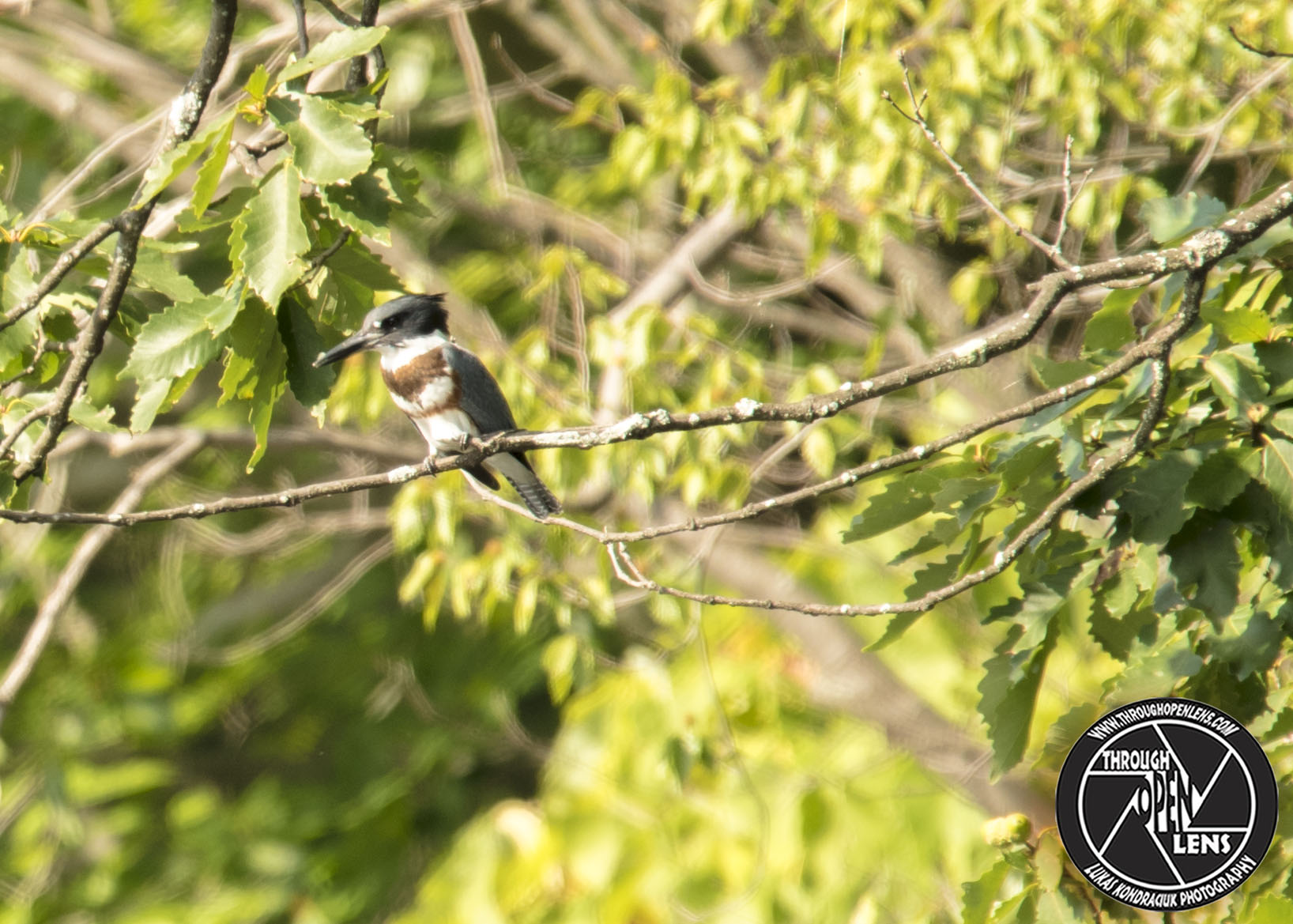
They Don’t Call Me King For Nothing

F/7.1, 1/200, ISO 200.

Belted Kingfisher

What is a baby’s motto?

If at first you don’t succeed cry cry again!

Interesting Fact: The breeding distribution of the Belted Kingfisher is limited in some areas by the availability of suitable nesting sites. Human activity, such as road building and digging gravel pits, has created banks where kingfishers can nest and allowed the expansion of the breeding range. ( https://www.allaboutbirds.org/guide/Belted_Kingfisher/lifehistory )