Swim Your Worries Away!

F/10.0, 1/400, ISO 400.

Northern Shoveler 

A jumper cable walks into a bar.

The bartender says, “I’ll serve you, but don’t start anything.”

Interesting Fact: Northern Shovelers don’t just occur in the Americas, they also breed across Europe and spend the winter throughout Europe, Africa, and India. ( https://www.allaboutbirds.org/guide/Northern_Shoveler )

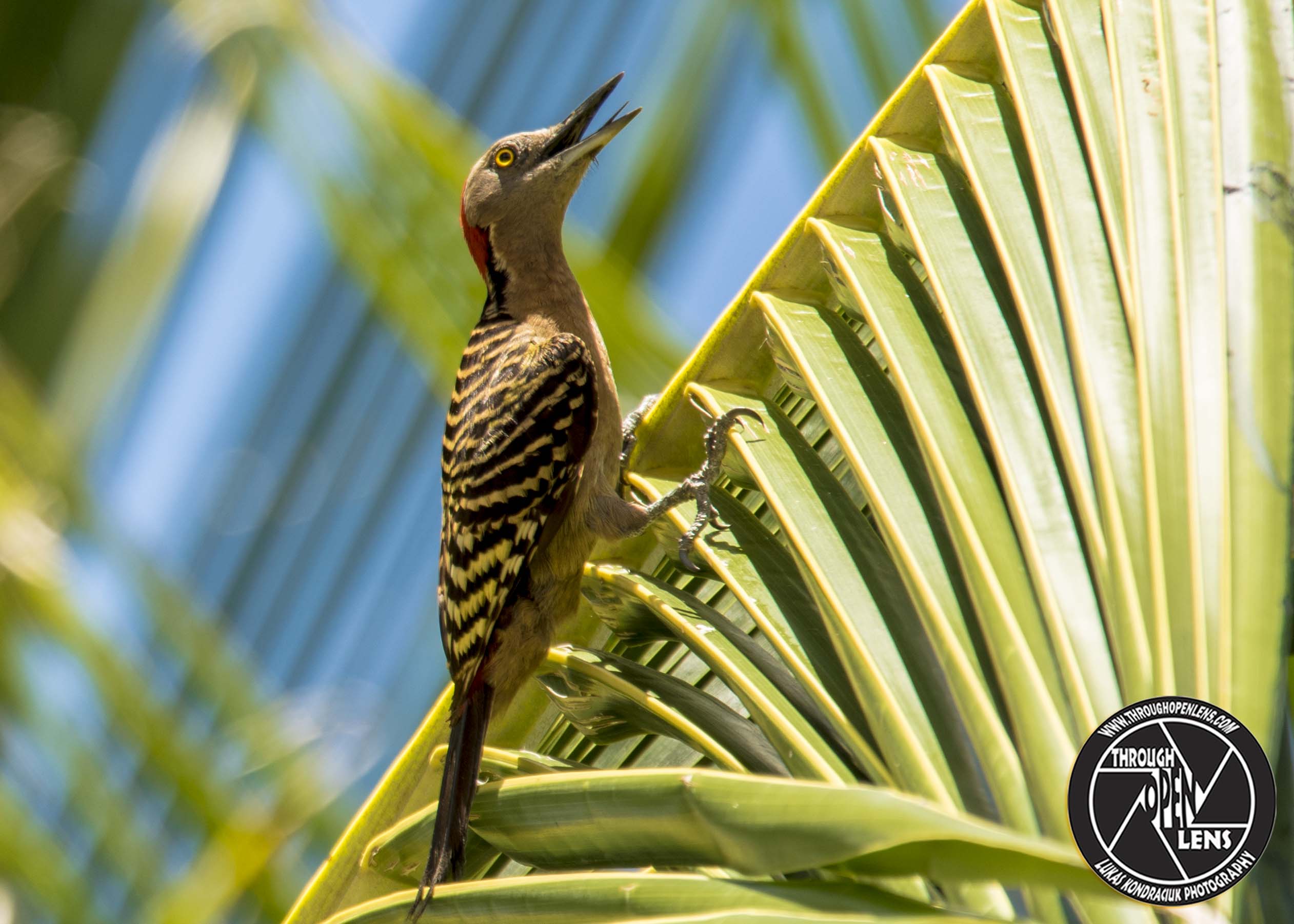
Things Are Looking Up!

F/7.1, 1/200, ISO 160.

Hispaniolan Woodpecker

What can you serve but never eat?

A volleyball.

Interesting Fact: This bird is endemic to Haiti and the Dominican Republic, its range extending from the coasts, over the deserts to the mountains in the centre of the island. It is mostly a woodland bird, found in both wet and dry, broadleaved and coniferous forests, but also occurs in mosaic forests, plantations, cactus scrub, mangrove areas, swamps, grassland, palm groves, wooded agricultural areas and urban parks. ( https://en.wikipedia.org/wiki/Hispaniolan_woodpecker )

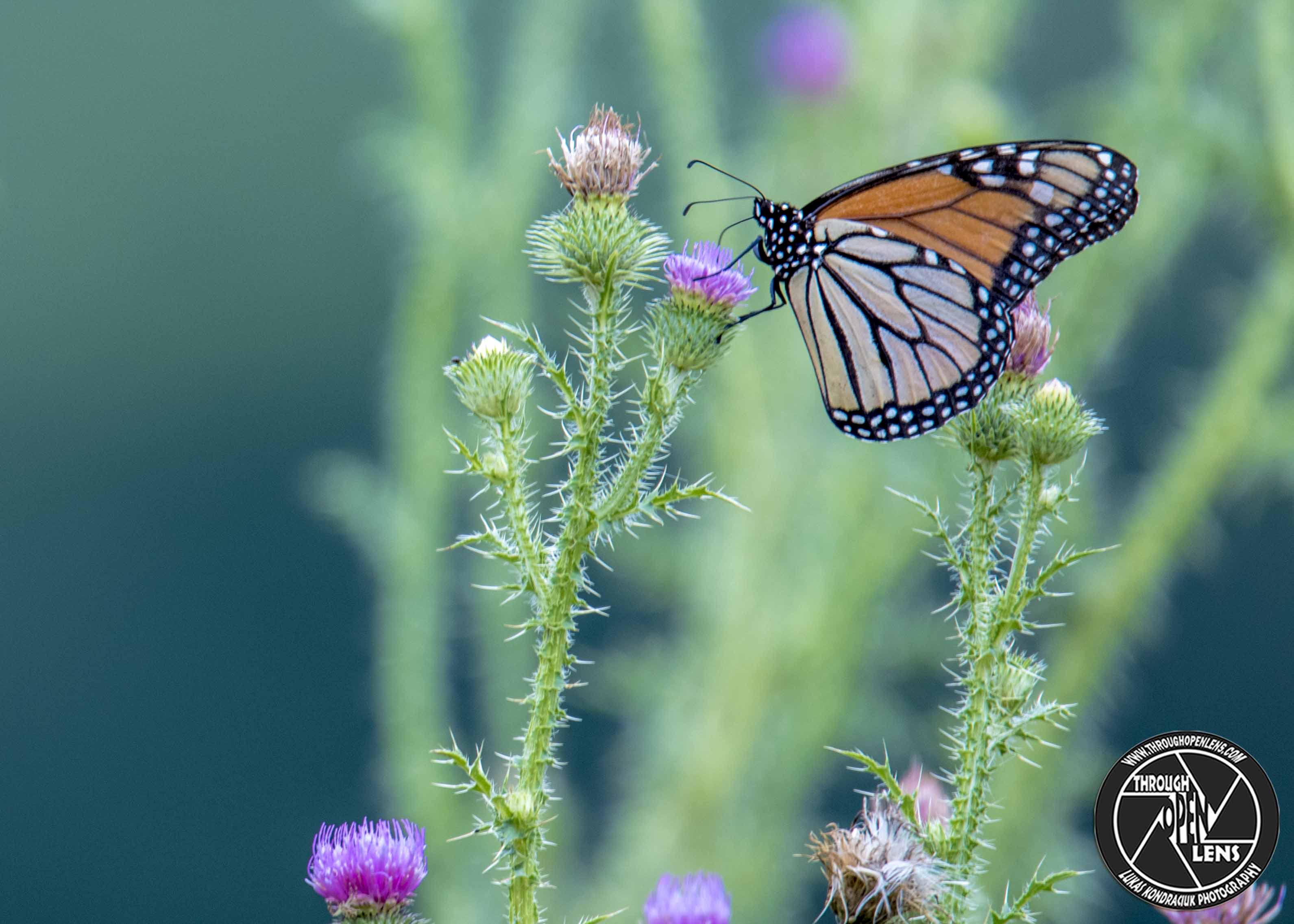
When Butterflies Fall In Love, Do They Feel Humans In Their Stomach?

F/6.3, 1/100, ISO 320.

Butterfly

What did the grape say when it was stepped on?

Nothing, it just let out a little wine.

Interesting Fact:  Butterflies are insects in the macrolepidopteranclade Rhopalocera from the orderLepidoptera, which also includes moths. Adult butterflies have large, often brightly coloured wings, and conspicuous, fluttering flight. The group comprises the large superfamilyPapilionoidea, which contains at least one former group, the skippers (formerly the superfamily “Hesperioidea”) and the most recent analyses suggest it also contains the moth-butterflies (formerly the superfamily “Hedyloidea”). Butterfly fossils date to the Paleocene, which was about 56 million years ago.  ( https://en.wikipedia.org/wiki/Butterfly )

I Don’t Like Green Eggs And Ham! I Do Not Like Them, Sam I Am!

F/10.0, 1/400, ISO 250.

Mute Swans

How do you organize an outer space party?

You planet.

Interesting Fact: The Mute Swan is reported to mate for life. However, changing of mates does occur infrequently, and swans will remate if their partner dies. If a male loses his mate and pairs with a young female, she joins him on his territory. If he mates with an older female, they go to hers. If a female loses her mate, she remates quickly and usually chooses a younger male.  ( https://www.allaboutbirds.org/guide/Mute_Swan/lifehistory )

Wazzaap!

F/6.3, 1/145, ISO640.

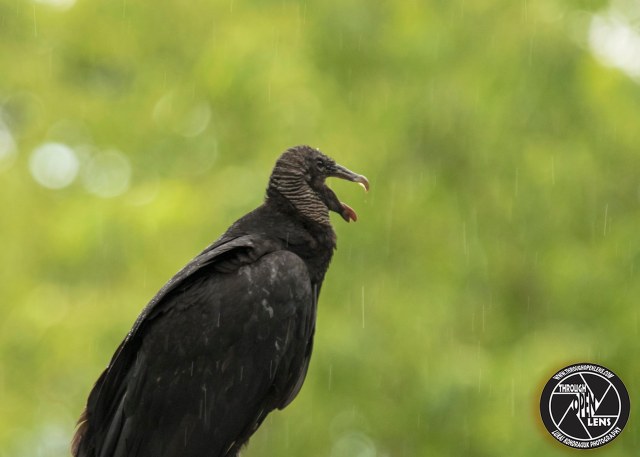
Turkey Vulture ( Juvenile )

Why are hairdressers never late for work?

Because they know all the short cuts!

Interesting Fact: Outside of the breeding season, Turkey Vultures form roosts of dozens to a hundred individuals. When Turkey Vultures court, pairs perform a “follow flight” display where one bird leads the other through twisting, turning, and flapping flights for a minute or so, repeated over periods as long as 3 hours. Migrating flocks can number in the thousands. At carcasses, several Turkey Vultures may gather but typically only one feeds at a time, chasing the others off and making them wait their turn. Despite their size, Turkey Vultures are often driven off by smaller Black Vultures, Crested Caracaras, Zone-tailed Hawks, and other species. ( https://www.allaboutbirds.org/guide/Turkey_Vulture/lifehistory )

Just Act Weird It Keeps The Creeps Away!

F/11.0, 1/500, ISO 200.

Snowy Egret

Why did the scarecrow win an award?

Because he was outstanding in his field.

Interesting Fact: Adult Snowy Egrets have greenish-yellow feet for most of the year, but at the height of the breeding season their feet take on a much richer, orange-yellow hue. The bare skin on their face also changes color, from yellow to reddish. ( https://www.allaboutbirds.org/guide/Snowy_Egret )

I Am On A Seafood Diet. I See Food, And I Eat It.

F/ 6.3, 1/80, ISO 640.

Turkey Vulture

Two vultures are in a field, eating a dead clown.

One vulture says to the other, “Does this taste funny to you?”

Interesting Fact:  Turkey Vultures nest in rock crevices, caves, ledges, thickets, mammal burrows and hollow logs, fallen trees, abandoned hawk or heron nests, and abandoned buildings. These nest sites are typically much cooler (by 13°F or more) than surroundings, and isolated from human traffic or disturbance. While they often feed near humans, Turkey Vultures prefer to nest far away from civilization. ( https://www.allaboutbirds.org/guide/Turkey_Vulture/lifehistory )
PhotoBomb!

F/13.0, 1/400, ISO 500.

Black Scoter 

Why did the belt go to jail?

Because it held up a pair of pants!

Interesting Fact:  The Black Scoter is among the most vocal of waterfowl. Groups of Black Scoters often can be located by the constant mellow, plaintive whistling sound of the males.  ( https://www.allaboutbirds.org/guide/Black_Scoter )

I Swear, I Am One Cocktail Away From Telling Everyone What I Really Think!

F/8.0, 1/250, ISO 160.

Least Sandpiper

A Sandwich walks into a bar.

The bartender says “Sorry, we don’t serve food here”

Interesting Fact: Researchers studying Least Sandpipers discovered a new feeding mechanism. While probing damp mud with their bills, the sandpipers use the surface tension of the water to transport prey quickly from their bill tips to their mouths. ( https://www.allaboutbirds.org/guide/Least_Sandpiper/ )

Chill The Fox Out!

F/6.3, 1/40, ISO 500.

Red Fox

Why did the man lose his job at the orange juice factory?

He couldn’t concentrate!

Interesting Fact: In winter, foxes meet to mate. The vixen (female) typically gives birth to a litter of 2 to 12 pups. At birth, red foxes are actually brown or gray. A new red coat usually grows in by the end of the first month, but some red foxes are golden, reddish-brown, silver, or even black. Both parents care for their young through the summer before they are able to strike out on their own in the fall. ( https://www.nationalgeographic.com/animals/mammals/r/red-fox/ )