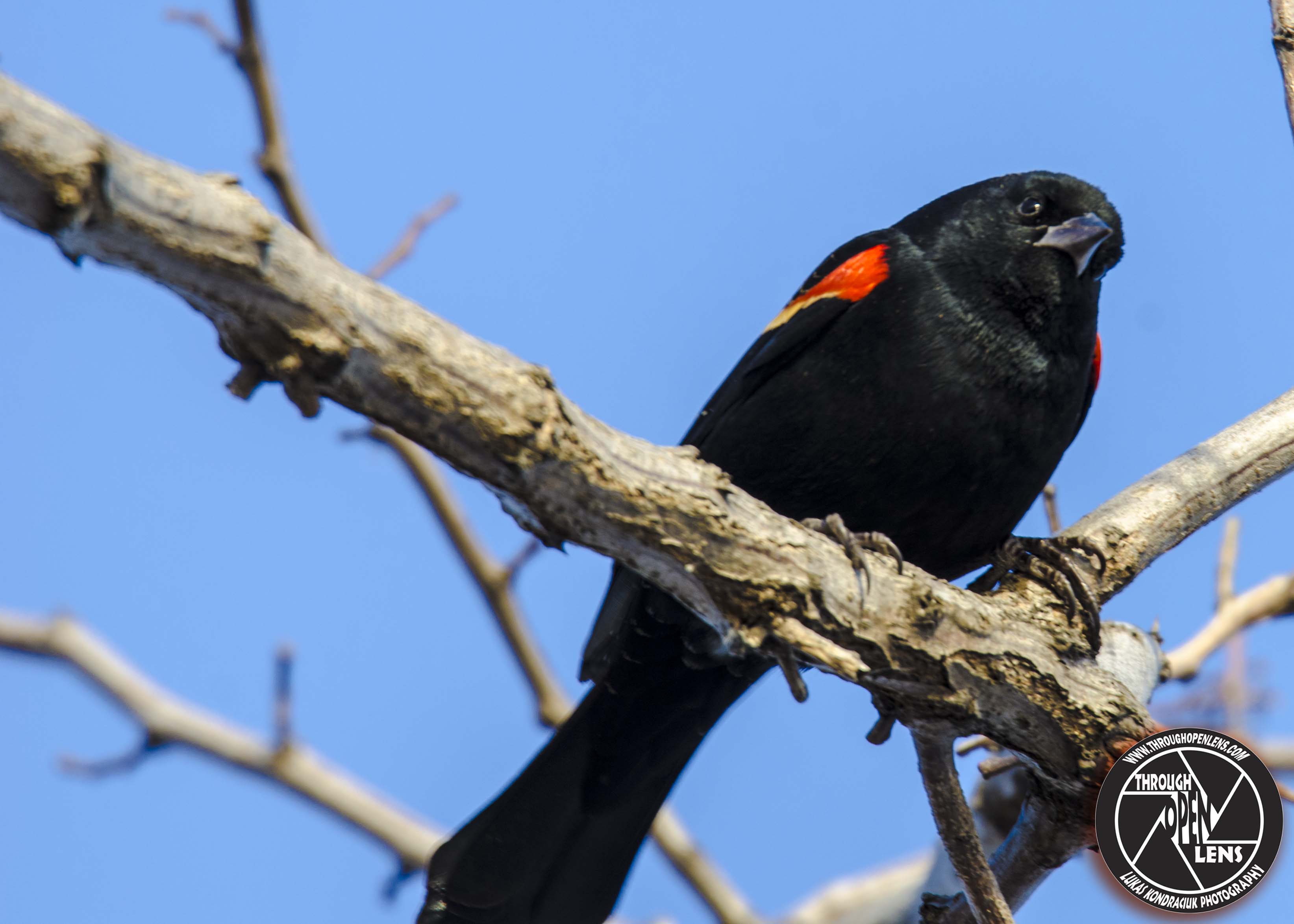
Sometimes What You Looking For Comes When You’re Not Looking At All.

red-winged-blackbird

F/8.0, 1/125, ISO 180.

Red-winged Blackbird

Why can’t you tell an egg a joke?

Because it will crack up

Interesting Fact: Male Red-winged Blackbirds fiercely defend their territories during the breeding season, spending more than a quarter of daylight hours in territory defense. He chases other males out of the territory and attacks nest predators, sometimes going after much larger animals, including horses and people. ( https://www.allaboutbirds.org/guide/Red-winged_Blackbird/lifehistory )
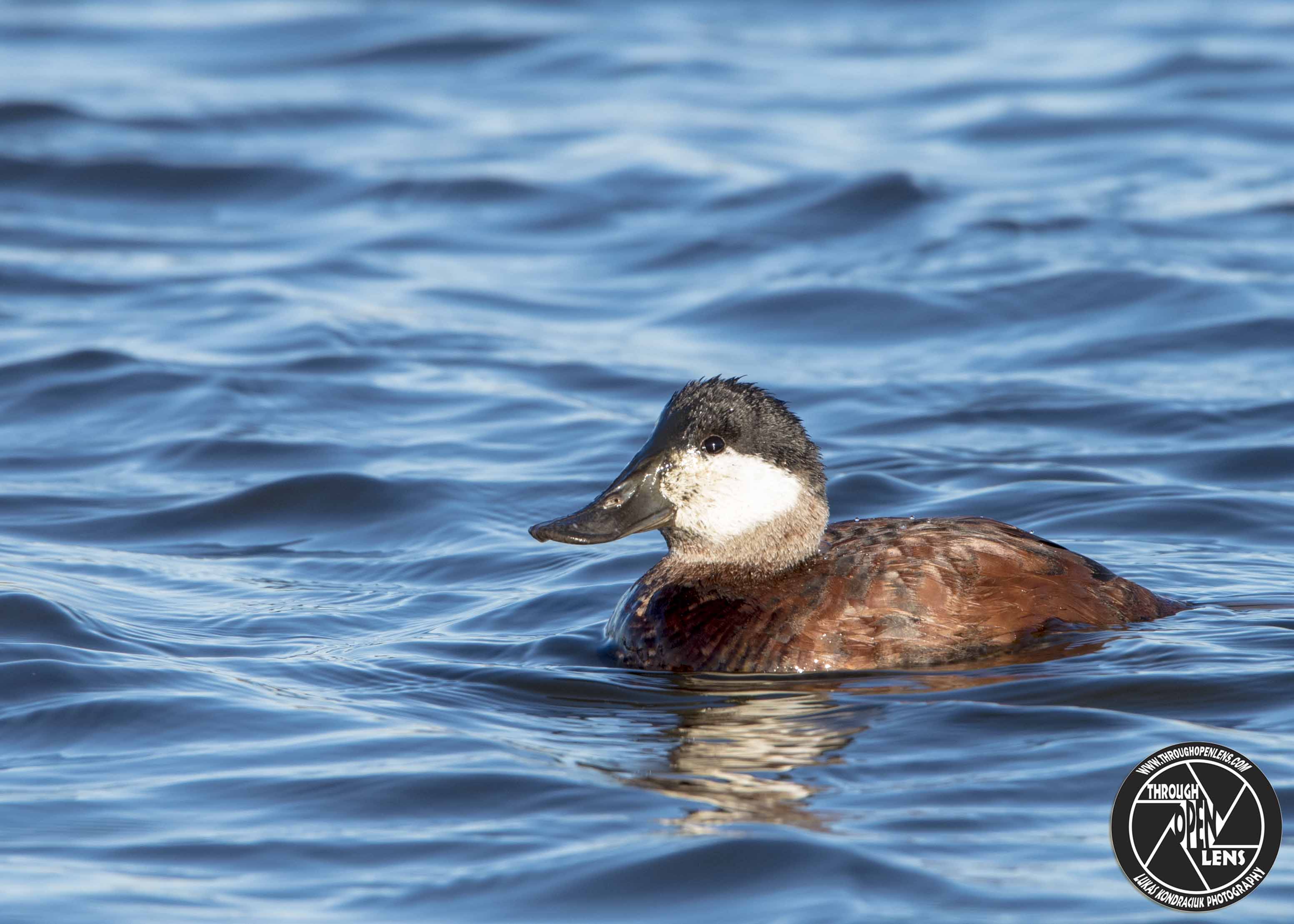
People Say Nothing Is Impossible, But I Do Nothing Every Day.

F/10.0, 1/400, ISO 250.

Ruddy Duck 

Why are mountains so funny?

Because they are hill areas.

Interesting Fact: Most males pair up with one female each for the duration of the breeding season, but some take multiple mates. Their eggs are proportionally the largest of all waterfowl. The ducklings hatch well-developed and active, receiving minimal care from the mother and none from the father. Ducklings are preyed upon by Black-crowned Night-Herons, Ring-billed Gulls, California Gulls, mink, and raccoons. ( https://www.allaboutbirds.org/guide/Ruddy_Duck/lifehistory )


Fly Above The Negativity!

F/6.3, 1/1000, ISO 500.

Great Blue Heron 

Why was Frosty told to leave the grocery store?

Because he was caught picking his nose in the produce isle.

Interesting Fact: Despite their impressive size, Great Blue Herons weigh only 5 to 6 pounds thanks in part to their hollow bones—a feature all birds share.  ( https://www.allaboutbirds.org/guide/Great_Blue_Heron/overview )


Time Is Just Flying By

F/6.3, 1/500, ISO 250.

Northern Pintail Duck 

A man walks into an army surplus store and asks if they have any camouflage jackets.

“Yes, we do,” replies the assistant. “But we can’t find any of them.”

Interesting Fact: The female makes several scrapes in the ground before she starts building the nest, ultimately choosing the last scrape made. She slowly adds grasses and down to the depression while laying eggs to form a shallow bowl approximately 7–10 inches wide and 2–4 inches deep. ( https://www.allaboutbirds.org/guide/Northern_Pintail/lifehistory )


Well…This Is Hawkward

red-tailed-hawk-hawkward

F/13.0, 1/640, ISO 320.

Red-tailed Hawk 

Where do animals go when their tails fall off?

The retail store!

Interesting Fact: The Red-tailed Hawk has a thrilling, raspy scream that sounds exactly like a raptor should sound. At least, that’s what Hollywood directors seem to think. Whenever a hawk or eagle appears onscreen, no matter what species, the shrill cry on the soundtrack is almost always a Red-tailed Hawk. ( https://www.allaboutbirds.org/guide/Red-tailed_Hawk/lifehistory )


Get My Good Side! Ew

F/7.1, 1/200, ISO 250.

Blue Jay

What did one wall say to the other wall?

Meet ya’ at the corner!

Interesting Facts: This common, large songbird is familiar to many people, with its perky crest; blue, white, gray, and black plumage; and noisy calls. Blue Jays are known for their intelligence and complex social systems, and have tight family bonds. They often mate for life, remaining with their social mate throughout the year. ( https://www.allaboutbirds.org/guide/Blue_Jay/lifehistory )

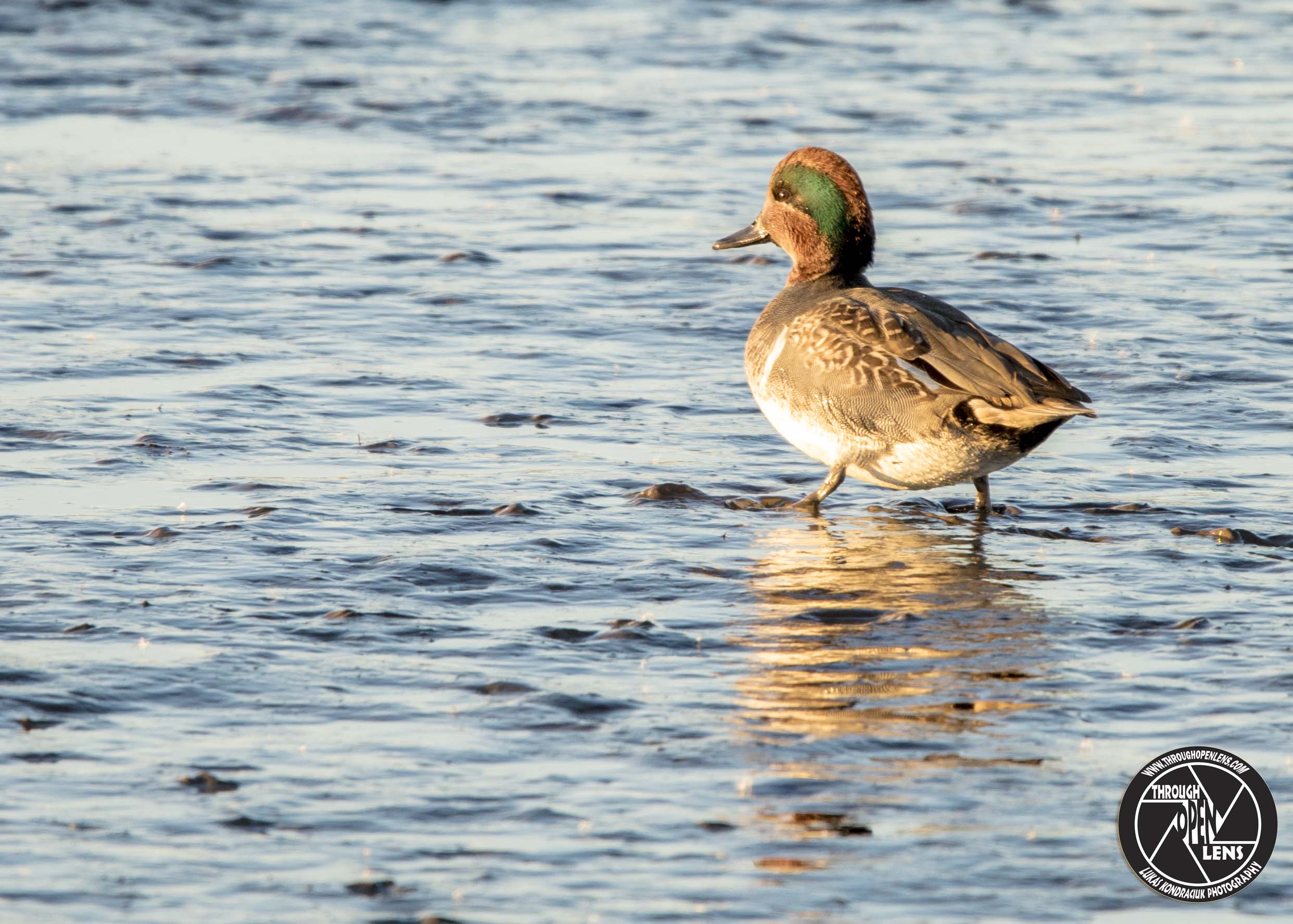
I Walk On Water. What’s Your Superpower!

F/7.1, 1/200, ISO 320.

Green-Winged Teal

Why do writers always feel cold?

Because they have lots of drafts in their office.

Interesting Facts: Green-winged Teal are fast, agile, buoyant flyers. They can take off straight from the water without running across the surface. Though they are dabbling ducks that usually tip up to feed, they occasionally dive for food and to avoid predators. In winter Green-winged Teal gather in roosting flocks of up to 50,000 birds. ( https://www.allaboutbirds.org/guide/Green-winged_Teal/lifehistory )


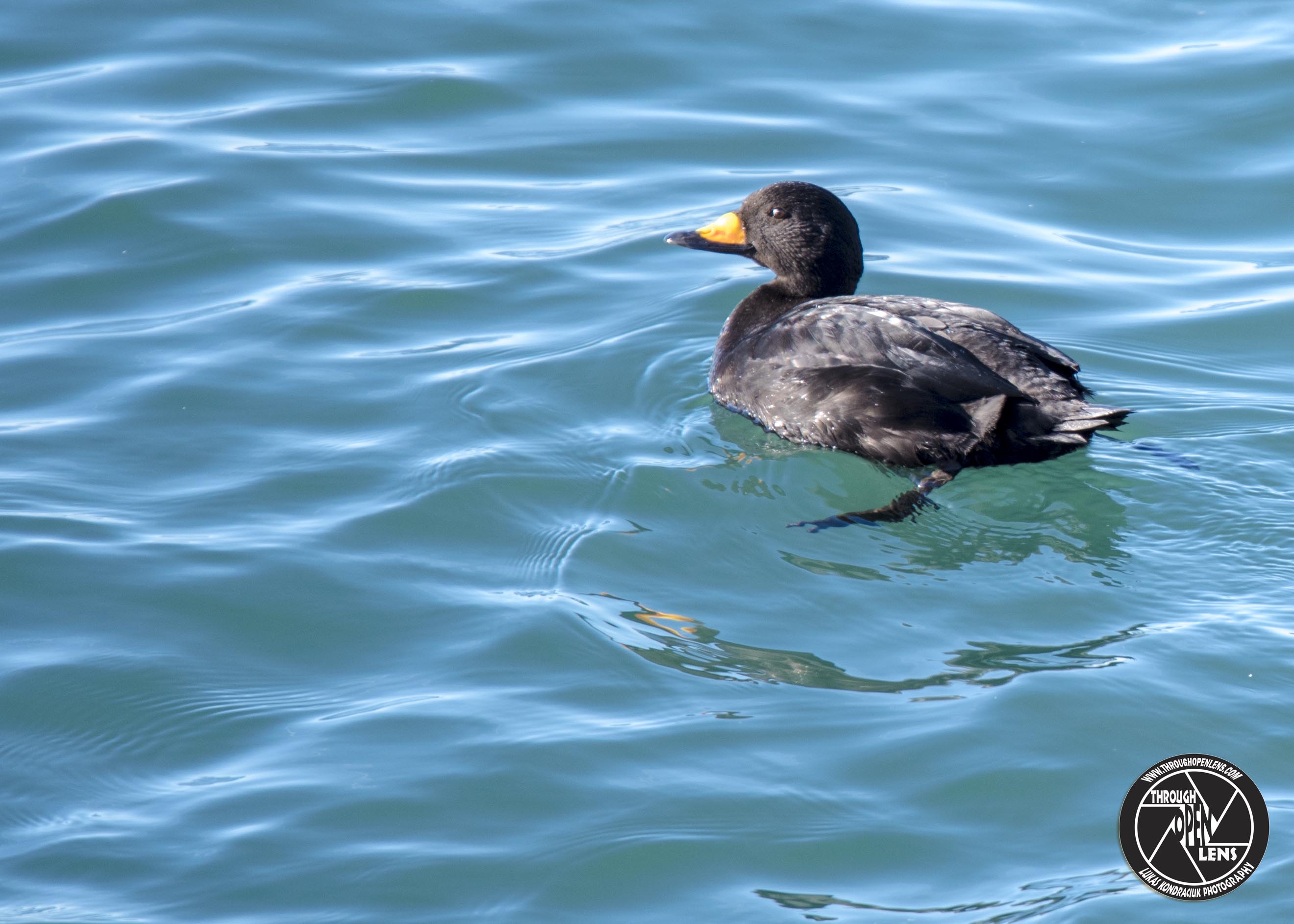
Be Like A Duck. Remain Calm On The Surface And Paddle Like Hell Underneath.

F/7.1, 1/200, ISO 200.

Black Scoter

What did the blanket say when it fell off the bed?

Oh sheet.

Interesting Facts: This species dives for crustaceans and molluscs while migrating or wintering on the sea-coasts, and feeds on insects and their larvae, especially caddisflies, fish eggs and, more rarely, vegetation such as duck weed while nesting on freshwater. It forms large flocks on suitable coastal waters in winter quarters. These are tightly packed, and the birds tend to take off together; in the breeding season they are less social. It has been suggested that in coastal waters this species prefers sheltered embayments, and possibly waters that include some mixed depths. ( https://en.wikipedia.org/wiki/Black_scoter )


All Good Things Are Wild And Free

white-tailed-deer-buck

F/6.3, 1/100, ISO 200.

White-Tailed Deer

What is the difference between beer nuts and deer nuts?

Beer nuts cost a buck twenty-five. Deer nuts are under a buck!

Interesting Fact: The male white tailed deer, buck, normally weighs about 130-300 pounds. The female, doe, weighs about 90-200 pounds. The average height is 3 feet. ( http://www.brighthub.com/environment/science-environmental/articles/48142.aspx )


I Used To Think I Was Indecisive, But Now I’m Not Too Sure.

F/8.0, 1/250, ISO 250.

Loggerhead Shrike

At a local coffee bar, a young woman was expounding on her idea of the perfect mate to some of her friends. “The man I marry must be a shining light amongst company. He must be musical. Tell jokes. Sing. And stay home at night!” An old granny overheard and spoke up, “Honey, if that’s all you want, get a TV!”

Interesting Fact: The upper cutting edge (tomium) of the Loggerhead Shrike’s hooked bill features a pair of built-in pointy projections, aptly named “tomial teeth.” Like a falcon, the shrike tackles vertebrate prey with a precise attack to the nape, probably using these tomial “teeth” to paralyze the animal with a jab to the spinal cord. ( https://www.allaboutbirds.org/guide/Loggerhead_Shrike )