Welcome To The Jungle We Got Fun And Games!

F/7.1, 1/160, ISO 250.

Tricolored Heron

What is a mattress favorite season?

Spring.

Interesting Fact: Tricolored Herons gracefully walk through wetlands as other herons do, but they also run after fish with sharp turns and stops, balancing with their wings. They tend to forage alone or at the edge of flocks of wading birds. ( https://www.allaboutbirds.org/guide/Tricolored_Heron/lifehistory )

Let’s Get Soaking Wet!

F/5.6, 1/500, ISO320.

American Robin

What did the bartender say after a book walked into the bar?

“Please, no stories!”

Interesting Fact: Robins eat a lot of fruit in fall and winter. When they eat honeysuckle berries exclusively, they sometimes become intoxicated. ( https://www.allaboutbirds.org/guide/American_Robin )

Caution Chicks At Play! 

F/5.6, 1/1000, ISO 200.

Wild Turkeys Chicks

What did the mama turkey say to her naughty son?

If your papa could see you now, he’d turn over in his gravy!

Interesting Fact: Male Wild Turkeys provide no parental care. Newly hatched chicks follow the female, who feeds them for a few days until they learn to find food on their own. As the chicks grow, they band into groups composed of several hens and their broods. Winter groups sometimes exceed 200 turkeys. ( https://www.allaboutbirds.org/guide/Wild_Turkey/lifehistory )

Sometimes I Get Road Rage From Standing In Lines.

F/10.0, 1/400, ISO 125.

Semipalmated Sandpipers

Why do ghosts ride in elevators?

It keeps their spirits up.

Interesting Fact: Semipalmated Sandpiper: Breeds in lower Arctic regions from western Alaska to Labrador. Migrates through central North America to the Atlantic coast to reach its wintering grounds, which extend from the extreme southern U.S. to the Caribbean Islands and South America. Preferred habitats include shorelines and mudflats. ( http://identify.whatbird.com/obj/427/overview/Semipalmated_Sandpiper.aspx )


I Enjoy Long Romantic Walks On The Beach

F/10.0, 1/400, ISO 250.

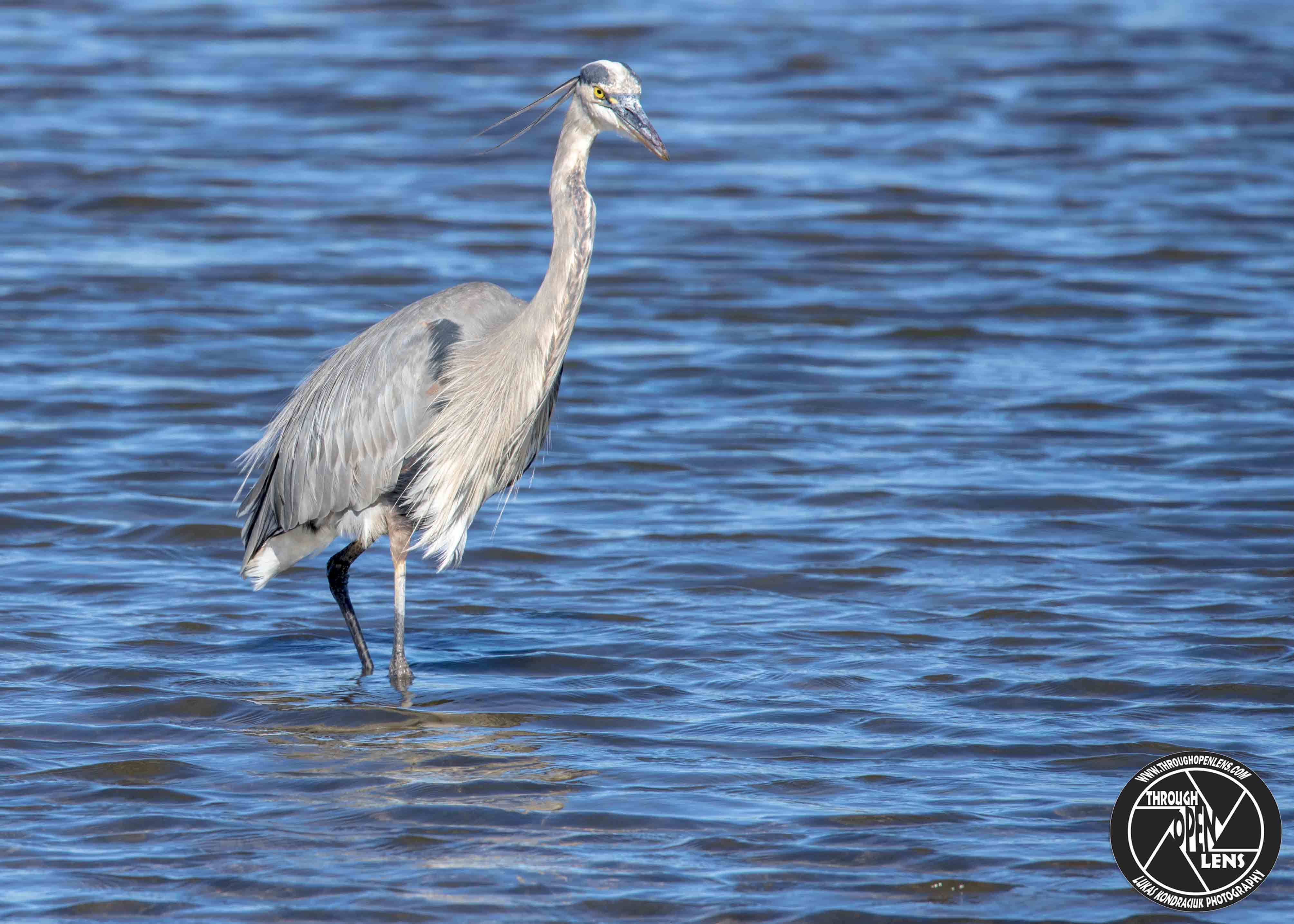
Great Blue Heron 

Why did the fish blush?

Because it saw the ocean’s bottom.

Interesting Fact: Great Blue Herons forage, usually alone, across much of the U.S. This largest of the North American herons wades slowly or stands stock still, peering into the water for prey. In flight the Great Blue Heron folds it neck into an “S” shape and trails its long legs behind, dangling them as it prepares to land or when courting. ( https://www.allaboutbirds.org/guide/Great_Blue_Heron/lifehistory )


Be Yourself Everyone Is Already Taken!

F/7.1, 1/200, ISO 320.

Killdeer

Why do golfers wear two pairs of pants?

In case they get a hole in one!

Interesting Fact: Killdeer lay their eggs into an empty nest but add other materials later on. Some of these items they pick up as they are leaving and toss over their shoulder into the nest. In one nest in Oklahoma, people found more than 1,500 pebbles had accumulated this way. ( https://www.allaboutbirds.org/guide/Killdeer/lifehistory )


We Are Not Talking If You Are Wondering!

F/6.3, 1/640, ISO 200.

Greater Yellowlegs

What’s invisible and smells like carrots?

Bunny Farts!

Interesting Fact: The Greater Yellowlegs walks with a distinctive high-stepping gait across wetlands when foraging, occasionally dashing forward in pursuit of a prey item. Compared to other shorebirds, the Greater Yellowlegs is often rather solitary.  ( https://www.allaboutbirds.org/guide/Greater_Yellowlegs/lifehistory )

Motorboating Is My Thing!

F/11.0, 1/500, ISO 250.

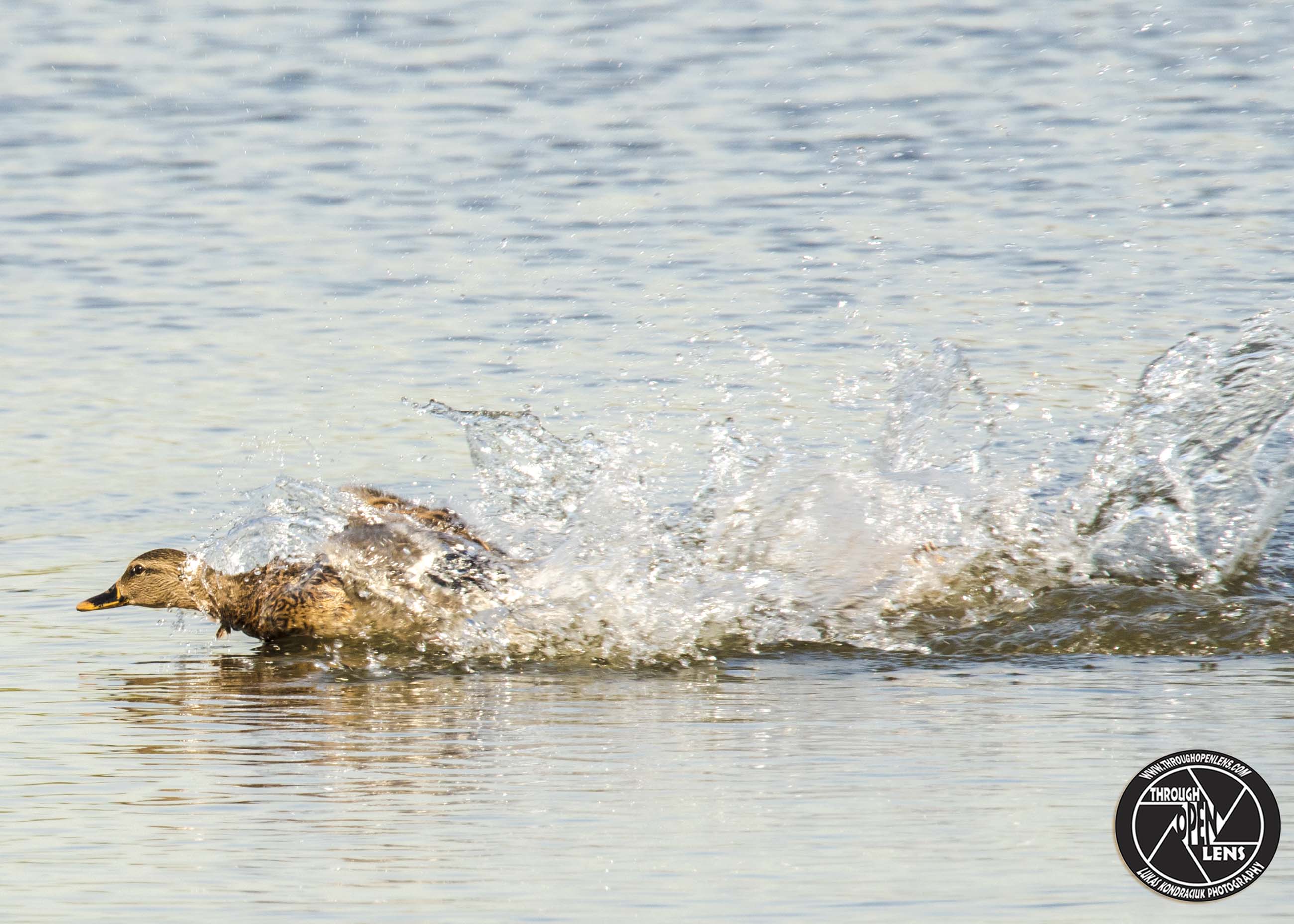
Mallard Female

Which day of the week do chickens hate most?

Fry-day!

Interesting Fact: The female forms a shallow depression or bowl on the ground in moist earth. She does not carry material to the nest but rather pulls vegetation she can reach toward her while sitting on nest. During egg-laying phase, she lines the nest with grasses, leaves, and twigs from nearby. She also pulls tall vegetation over to conceal herself and her nest. ( https://www.allaboutbirds.org/guide/Mallard/lifehistory )

I May Look Like I’m Having Deep Thoughts, But Really I Need To Fart.

F/13.0, 1/640, ISO 400.

Semipalmated Sandpiper

Why do scuba divers fall backwards into the water?

Because if they fell forwards they’d still be in the boat.

Interesting Fact:  Semipalmated Sandpipers from eastern populations probably undertake nonstop transoceanic flights of 3,000 – 4,000 km (1,900 – 2,500 mi) from New England and southern Canada to South America, powered by extensive fat reserves. ( https://www.allaboutbirds.org/guide/Semipalmated_Sandpiper/lifehistory )


Let The Sea Set You Free.

F/13.0, 1/640, ISO 400.

Common Terns

Why was the math textbook so sad?

He had a lot of problems!

Interesting Fact: The Common Tern is sometimes called the sea swallow. A group of common terns are collectively known as a “committee” of terns. ( http://identify.whatbird.com/mwg/_/0/identify.whatbird.com/obj/465/overview/Common_Tern.aspx )