Keep On Duckin!

F/6.3, 1/640, ISO 200.

Hooded Mergansers

How do you get a frog off the back window of your car?

Use the rear defrogger.

Interesting Fact: Hooded Mergansers are usually in pairs or small groups of up to 40 birds. They court in groups of one or more females and several males. The males raise their crests, expanding the white patch, often while shaking their heads. Their most elaborate display is head-throwing, in which they jerk their heads backwards to touch their backs, with crests raised, while giving a froglike croak. Females court by bobbing their heads and giving a hoarse gack.  ( https://www.allaboutbirds.org/guide/Hooded_Merganser/lifehistory )

Well…This Is Hawkward

red-tailed-hawk-hawkward

F/13.0, 1/640, ISO 320.

Red-tailed Hawk 

Where do animals go when their tails fall off?

The retail store!

Interesting Fact: The Red-tailed Hawk has a thrilling, raspy scream that sounds exactly like a raptor should sound. At least, that’s what Hollywood directors seem to think. Whenever a hawk or eagle appears onscreen, no matter what species, the shrill cry on the soundtrack is almost always a Red-tailed Hawk. ( https://www.allaboutbirds.org/guide/Red-tailed_Hawk/lifehistory )


I’m Chillin’

F/7.1, 1/1600, ISO 640.

Mute Swan ice

Why are ghosts bad liars?

Because you can see right through them!

Interesting Fact: Before or during landing at a breeding site they’ll slap the water with their feet to announce their arrival and alert potential intruders. If another swan approaches members of the pair raise their wings and tuck their neck in a “busking” display to warn them off. Territorial defenses sometimes escalate to fights between males that can end with the dominant bird pushing its rival underwater. ( https://www.allaboutbirds.org/guide/Mute_Swan/lifehistory )


Get My Good Side! Ew

F/7.1, 1/200, ISO 250.

Blue Jay

What did one wall say to the other wall?

Meet ya’ at the corner!

Interesting Facts: This common, large songbird is familiar to many people, with its perky crest; blue, white, gray, and black plumage; and noisy calls. Blue Jays are known for their intelligence and complex social systems, and have tight family bonds. They often mate for life, remaining with their social mate throughout the year. ( https://www.allaboutbirds.org/guide/Blue_Jay/lifehistory )

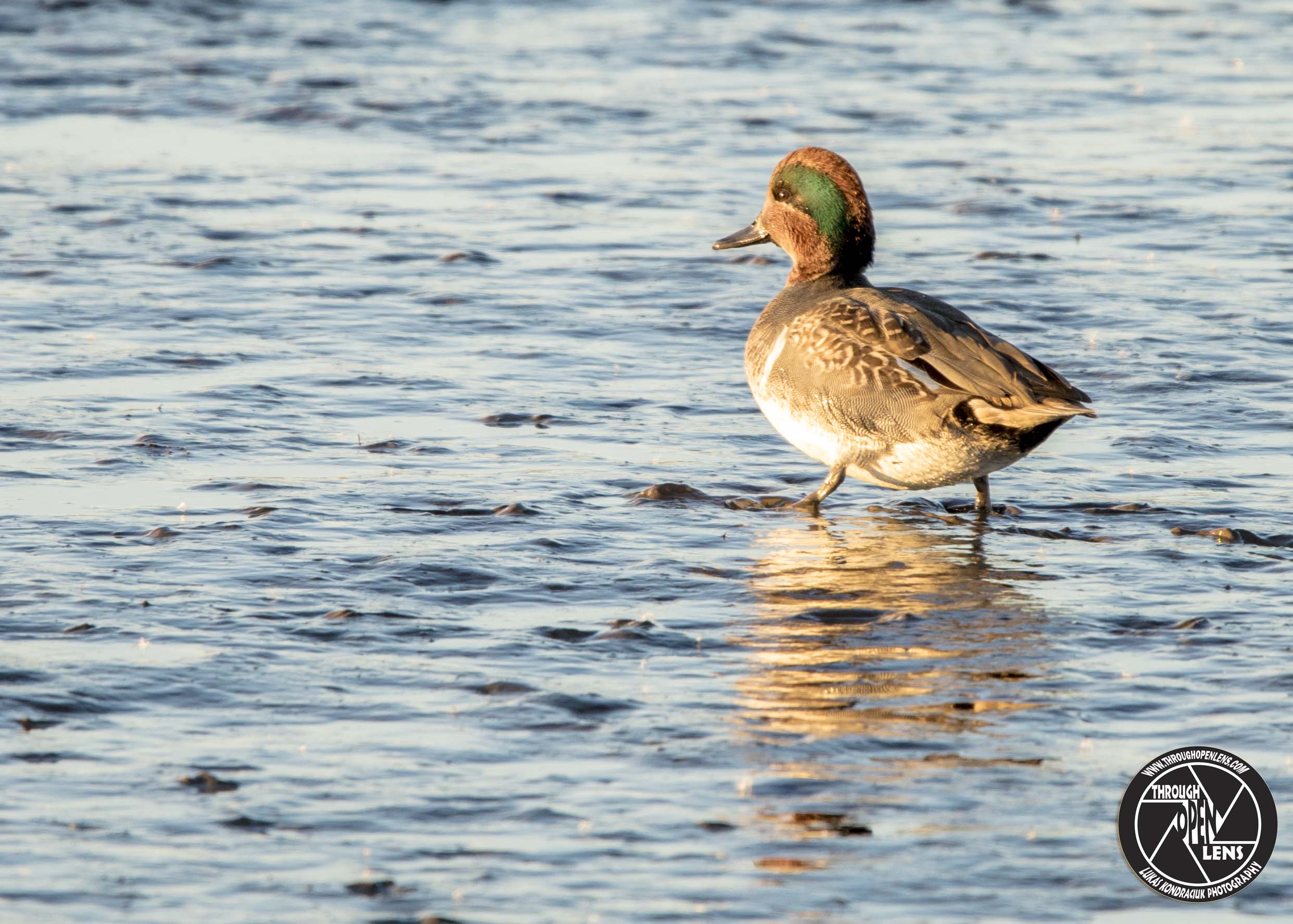
I Walk On Water. What’s Your Superpower!

F/7.1, 1/200, ISO 320.

Green-Winged Teal

Why do writers always feel cold?

Because they have lots of drafts in their office.

Interesting Facts: Green-winged Teal are fast, agile, buoyant flyers. They can take off straight from the water without running across the surface. Though they are dabbling ducks that usually tip up to feed, they occasionally dive for food and to avoid predators. In winter Green-winged Teal gather in roosting flocks of up to 50,000 birds. ( https://www.allaboutbirds.org/guide/Green-winged_Teal/lifehistory )


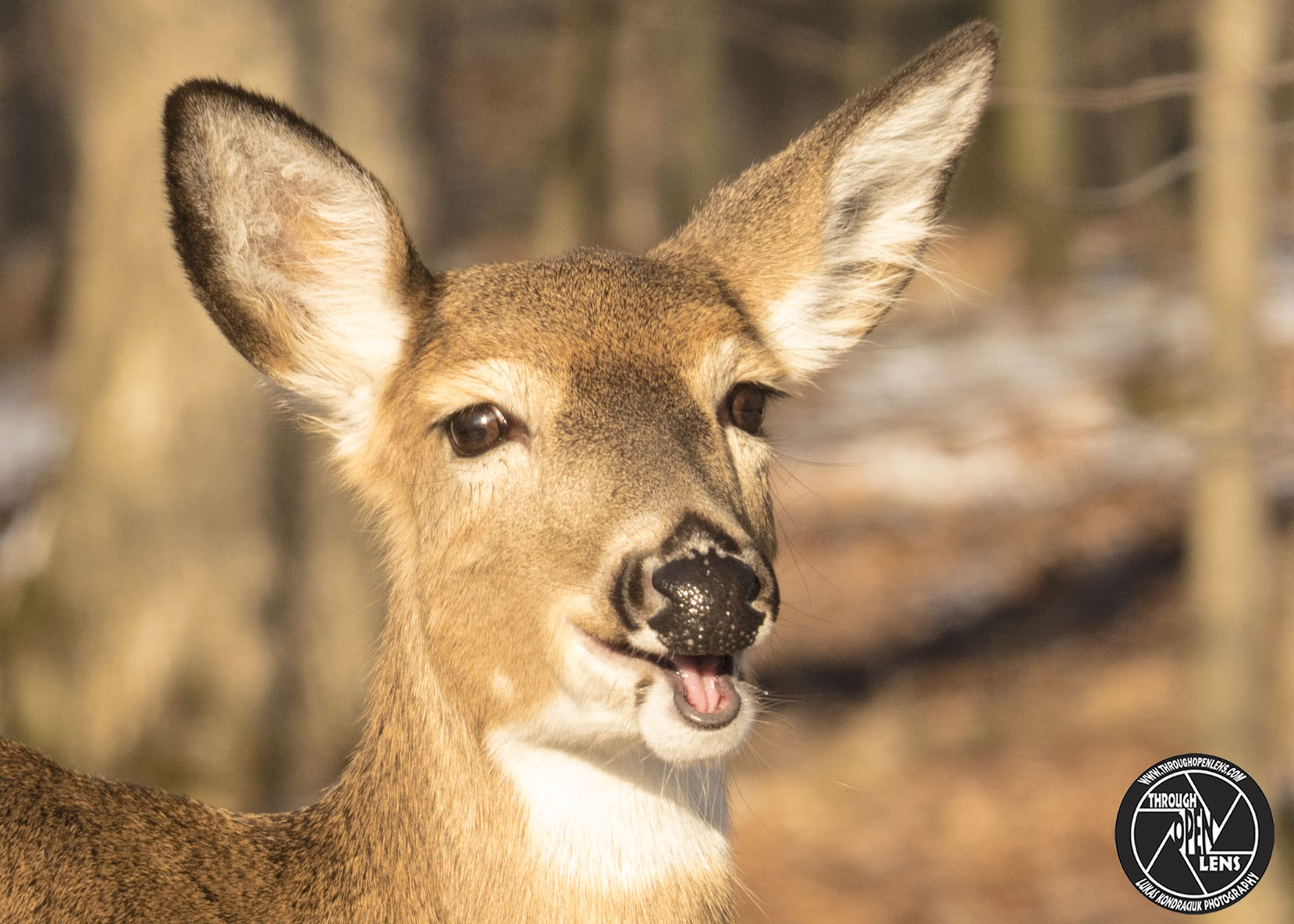
All Good Things Are Wild And Free

white-tailed-deer-buck

F/6.3, 1/100, ISO 200.

White-Tailed Deer

What is the difference between beer nuts and deer nuts?

Beer nuts cost a buck twenty-five. Deer nuts are under a buck!

Interesting Fact: The male white tailed deer, buck, normally weighs about 130-300 pounds. The female, doe, weighs about 90-200 pounds. The average height is 3 feet. ( http://www.brighthub.com/environment/science-environmental/articles/48142.aspx )


I Have A Date Tonight, With My Bed. We Are Totally Gonna Sleep Together.

F/8.0, 1/250, ISO 400.

Common Eider ( Female ) 

Where do vegetables go to get drunk?

The Salad Bar.

Interesting Fact: Eiders are colonial breeders. They nest on coastal islands in colonies ranging in size of less than 100 to upwards of 10,000-15,000 individuals.[13] Female eiders frequently exhibit a high degree of natal philopatry, where they return to breed on the same island where they were hatched. This can lead to a high degree of relatedness between individuals nesting on the same island, as well as the development of kin-based female social structures.[14] This relatedness has likely played a role in the evolution of co-operative breeding behaviours amongst eiders. Examples of these behaviours include laying eggs in the nests of related individuals[15] and crèching, where female eiders team up and share the work of rearing ducklings. ( https://en.wikipedia.org/wiki/Common_eider )


Hey Handsome!

F/9.0, 1/320, ISO 250.

White-Tailed Deer

Did you hear the joke about the butter?

I do not think I should tell you because you might spread it around…

Interesting Fact: Males compete for the opportunity of breeding females. Sparring among males determines a dominance hierarchy.[61] Bucks attempt to copulate with as many females as possible, losing physical condition, since they rarely eat or rest during the rut. The general geographical trend is for the rut to be shorter in duration at increased latitude. Many factors determine how intense the “rutting season” will be; air temperature is a major one. Any time the temperature rises above 40 °F (4 °C), the males do much less traveling looking for females, else they will be subject to overheating or dehydrating. Another factor for the strength in rutting activity is competition. If numerous males are in a particular area, then they compete more for the females. If fewer males or more females are present, then the selection process will not need to be as competitive. ( https://en.wikipedia.org/wiki/White-tailed_deer )

Dont Be Afraid to Stick Your Neck Out!

F/9.0, 1/320, ISO 320.

Ring-necked Duck

Why is it hard for a ghost to tell a lie?

Because you can see right through him.

Interesting Fact:  Ring-necked Ducks feed by diving underwater, rather than by tipping up as “dabbling” ducks do. When diving, they leap forward in an arc to plunge underwater, and they swim using only their feet for propulsion. ( https://www.allaboutbirds.org/guide/Ring-necked_Duck/lifehistory )

Kinda Classy Kinda Hood

F/6.3, 1/500, ISO 220.

Hooded Merganser ( Female )

When is a door sweet and tasty?

When it’s jammed!

Interesting Fact: Unlike dabbling ducks, Hooded Mergansers swim low in the water. Their legs are far back on their bodies, which helps in diving but makes them awkward on land. They take flight by running across the water, flying with fast wingbeats and never gliding until they are about to land (by skidding to a stop on the water). ( https://www.allaboutbirds.org/guide/Hooded_Merganser/lifehistory )