Psst… You Can’t See Me

atlantic-ghost-crabs

F/8.0, 1/500, ISO 100.

Atlantic Ghost Crab (Sand Crab)

Did you hear about the crab that went to the seafood disco?

He pulled a muscle

Interesting Fact: The strong hairy legs of this animal make it run very fast and achieve speeds of about 10 miles per hour. This makes this crab the fastest among all crustaceans. ( http://www.animalspot.net/ghost-crab-sand-crab.html )

He Went Thataway!

F/8.0, 1/250, ISO 320.

White-breasted Nuthatch

A wife complains to her husband: “Just look at that couple down the road, how lovely they are. He keeps holding her hand, kissing her, holding the door for her, why can’t you do the same?”

The husband: “Are you mad? I barely know the woman!”

Interesting Fact: White-breasted Nuthatches live in pairs year round and chase other nuthatches from their territory. Agitated birds fan their tails, flick their wings, or raise the feathers of the back. A bird backing down from a confrontation typically raises its bill and tail, and droops its wings. In winter White-breasted Nuthatches join groups of chickadees, titmice, and woodpeckers to forage.  ( https://www.allaboutbirds.org/guide/White-breasted_Nuthatch/lifehistory#behavior

Don’t Confuse Me With Twitter!

F/9.0, 1/320, ISO 400.

Blue Jay

What do you get when you cross and smurf and a cow?

Blue cheese!

Interesting Fact: The black bridle across the face, nape, and throat varies extensively and may help Blue Jays recognize one another. ( https://www.allaboutbirds.org/guide/Blue_Jay/lifehistory

When Nothing Goes Right… Go Left!

F/10.0, 1/400, ISO 250.

Sandhill Cranes

How do you make fruit punch?

Give them boxing gloves.

Interesting Fact: Sandhill Cranes are known for their dancing skills. Courting cranes stretch their wings, pump their heads, bow, and leap into the air in a graceful and energetic dance. ( Sandhill Crane Overview, All About Birds, Cornell Lab of Ornithology )


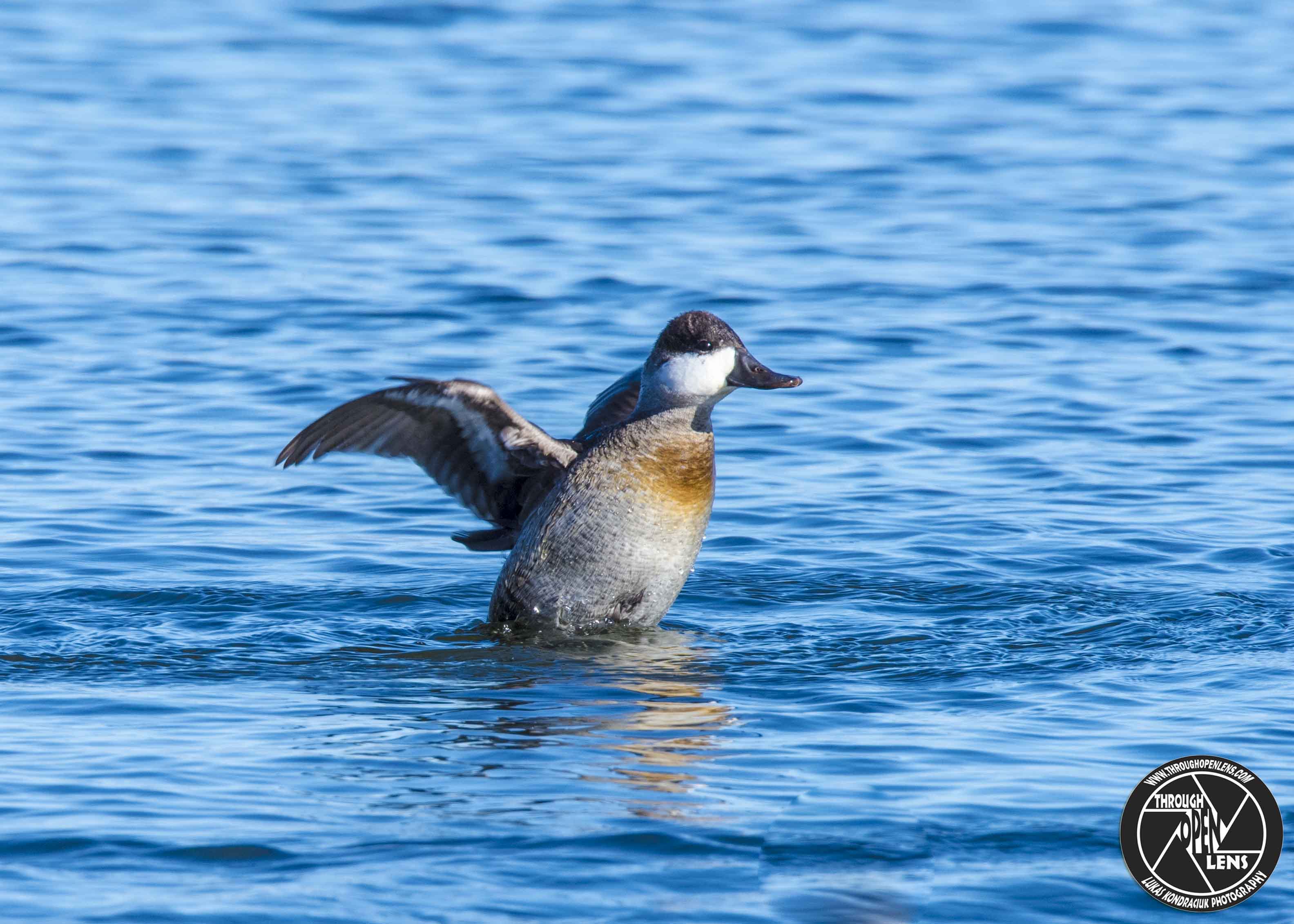
Like I Give A Duck!

F/11.0, 1/500, ISO 320.

Ruddy Duck 

Why do bees have sticky hair?

They use honey-combs.

Interesting Fact: Though Ruddy Ducks are native to the Americas, one population became established in England after captive ducks escaped in 1952. This population grew to about 3,500 individuals by 1992, and now appears to be expanding into the Netherlands, France, Belgium, and Spain. ( Ruddy Duck Overview, All About Birds, Cornell Lab of Ornithology )

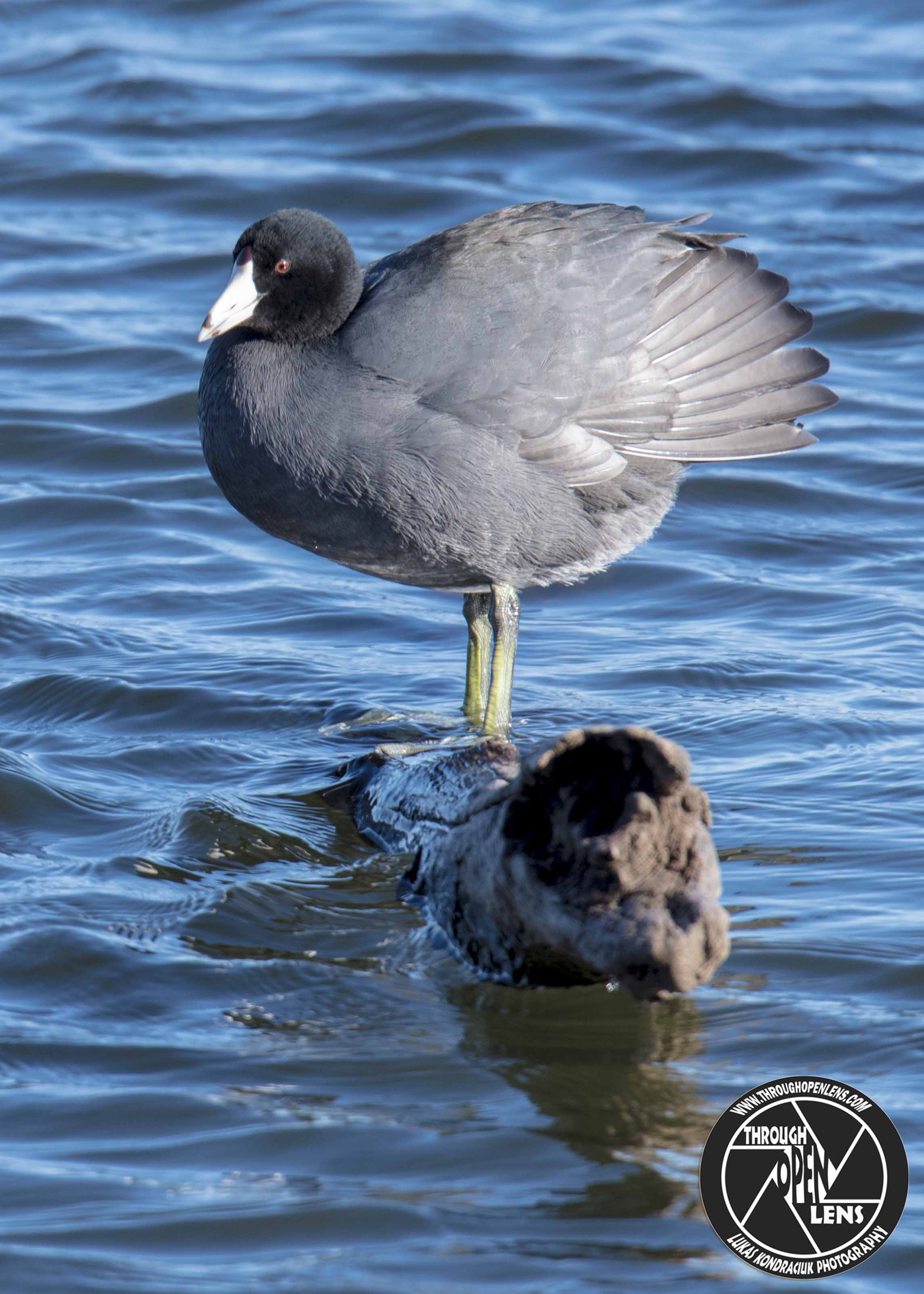
Stand Tall, Stand Proud. Know That You Are Unique And Magnificent. You Do Not Need The Approval Of Others.

F/9.0, 1/320, ISO 320.

American Coot 

How do you get a squirrel to like you?

Act like a nut.

Interesting Fact: The ecological impact of common animals, like this ubiquitous waterbird, can be impressive when you add it all up. One estimate from Back Bay, Virginia, suggested that the local coot population ate 216 tons (in dry weight) of vegetation per winter. ( American Coot Overview, All About Birds, Cornell Lab of Ornithology )


Swan Lake Ballet ( On Ice )

mute-swan-on-ice

F/8.0, 1/1000, ISO 640.

Mute Swan

A good looking woman walks into a bar wearing a tube top. She raises her hand to signal the bartender for a beer, revealing that she does not shave her

armpits.

Meanwhile, a sloppy drunk on the other side of the bar signals the bartender, “Buy that ballerina over there a drink on me.”

The bartender replies, “What makes you think she’s a ballerina?”

“Because,” answers the drunken man, “any chick that can lift her leg that high has GOT to be a ballerina.”

Interesting Fact: All of the Mute Swans in North America descended from swans imported from Europe from the mid 1800s through early 1900s to adorn large estates, city parks, and zoos. Escapees established breeding populations and are now established in the Northeast, Midatlantic, Great Lakes, and Pacific Northwest of the U.S. ( https://www.allaboutbirds.org/guide/Mute_Swan/lifehistory )

People That Take Advice From Duck Are Downright Loony

F/10.0, 1/400, ISO 800.

Common Loon ( Nonbreeding adult )

What computer sings the best?

A Dell.

Interesting Fact: Loons are agile swimmers, but they move pretty fast in the air, too. Migrating loons have been clocked flying at speeds more than 70 mph. ( https://www.allaboutbirds.org/guide/Common_Loon/lifehistory )

Snow Way You’ve Got To Be Flaking Me!

F/5.6, 1/1600, ISO 400.

Mute Swan

Why was the snowman sad?

Cause he had a meltdown.

Interesting Fact: Male Mute Swans select the nest site and may start several nests before the female accepts the location. Nest sites are safe from flooding yet offer easy access to water, with ample nesting materials and food nearby–often on a small peninsula, along a heavily vegetated shoreline, or on a small to medium-sized island.  ( https://www.allaboutbirds.org/guide/Mute_Swan/lifehistory )


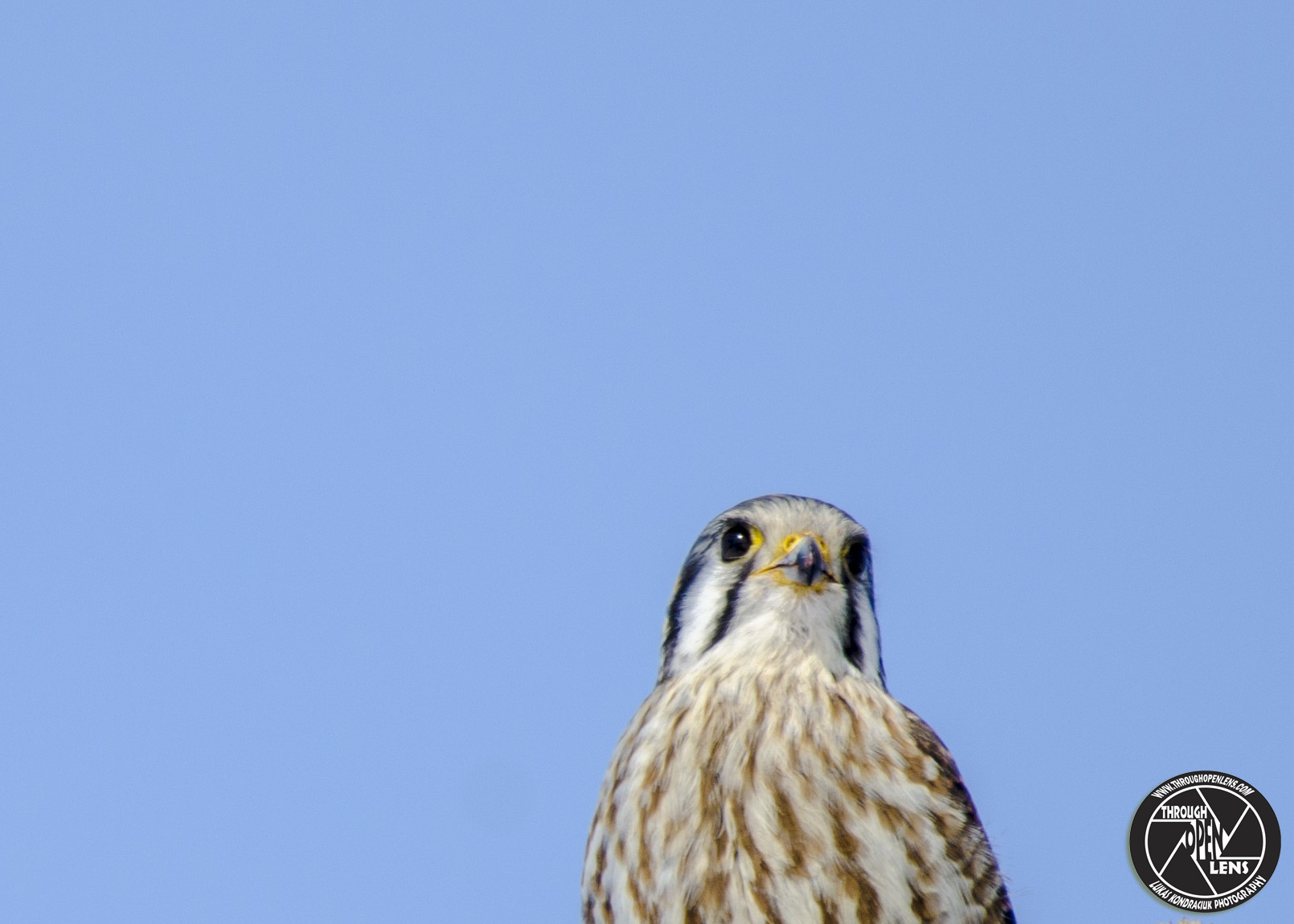
HELLO From The Other Side!

F/6.3, 1/640, ISO 200.

American Kestrel

What did the painter say to her boyfriend?

“I love you with all my art!”

Interesting Fact: It can be tough being one of the smallest birds of prey. Despite their fierce lifestyle, American Kestrels end up as prey for larger birds such as Northern Goshawks, Red-tailed Hawks, Barn Owls, American Crows, and Sharp-shinned and Cooper’s Hawks, as well as rat snakes, corn snakes, and even fire ants. ( https://www.allaboutbirds.org/guide/American_Kestrel )