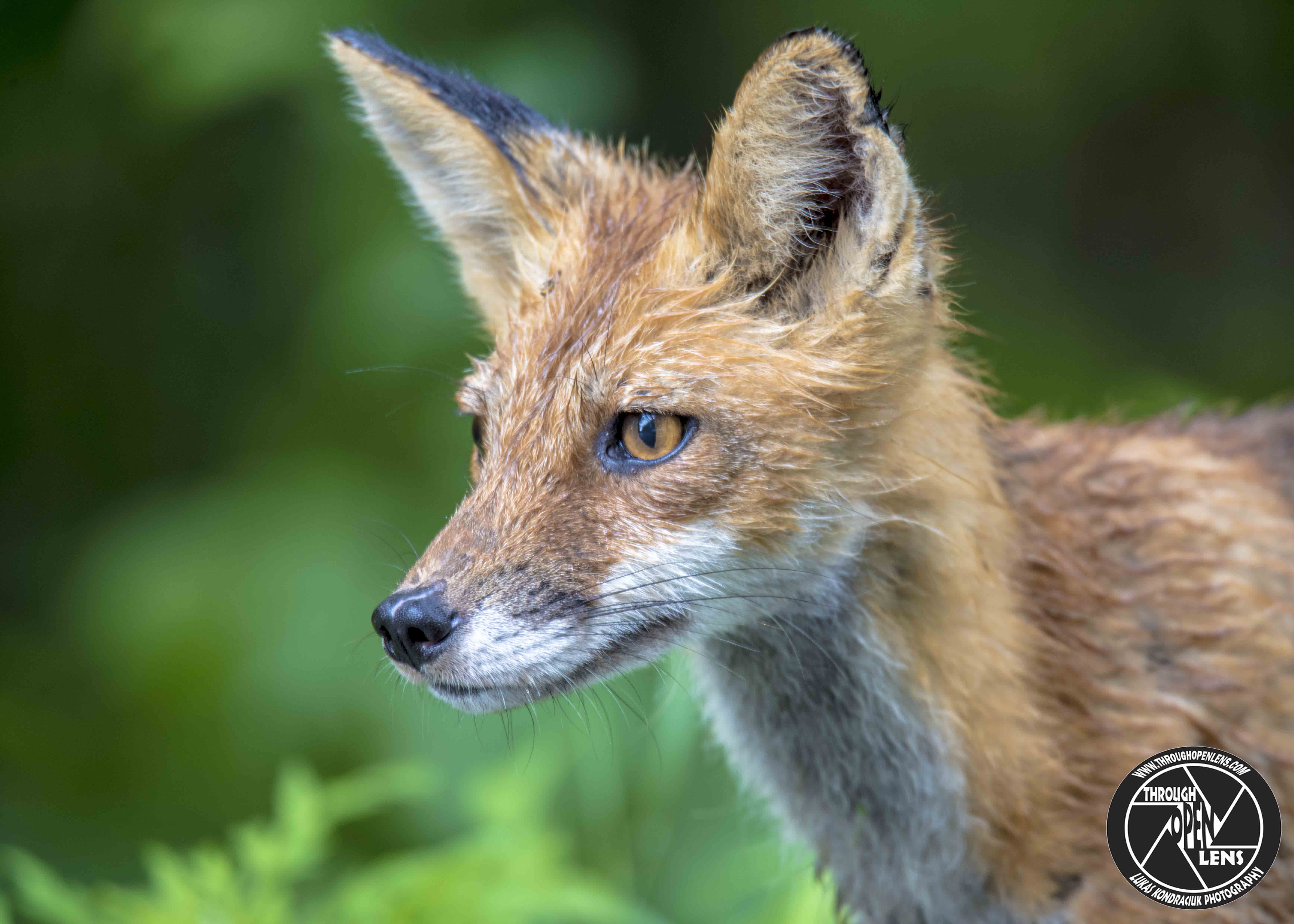
Zero FOX Given!

F/6.3, 1/15, ISO 400.

Red Fox 

What kind of music do Mummies listen to?

Wrap.

Interesting Fact: Red foxes either establish stable home ranges within particular areas or are itinerant with no fixed abode. They use their urine to mark their territories. A male fox raises one hind leg and his urine is sprayed forward in front of him, whereas a female fox squats down so that the urine is sprayed in the ground between the hind legs. Urine is also used to mark empty cache sites, used to store found food, as reminders not to waste time investigating them. The use of up to 12 different urination postures allows them to precisely control the position of the scent mark. ( https://en.wikipedia.org/wiki/Red_fox )

What The Hell Am I Looking At?!

F/6.3, 1/160, IOS 320.

Wild Turkey

Why do turkeys eat so little?

Because they are always stuffed!

Interesting Fact:They usually roost in flocks, but sometimes individually. Courting males gobble to attract females and warn competing males. They display for females by strutting with their tails fanned, wings lowered, while making nonvocal hums and chump sounds. Males breed with multiple mates and form all-male flocks outside of the breeding season, leaving the chick-rearing to the females, The chicks travel in a family group with their mother, often combining with other family groups to form large flocks of young turkeys accompanied by two or more adult females. ( https://www.allaboutbirds.org/guide/Wild_Turkey/lifehistory )

Buzz Off! I’m Looking For My Honey!

F/7.1, 1/200, ISO 320.

Bumblebee

What do basketball players do with donuts?

They dunk them.

Interesting Fact: Queen hibernates during the winter and starts laying eggs in the spring. She lays 8 to 12 eggs at a time. Young bumblebees emerge after 21 days. ( http://www.softschools.com/facts/animals/bumblebee_facts/582/ )

I’m Buggin’ Out!

F/6.3, 1/80, ISO 320.

Downy Woodpecker

What did the salad say to the fridge?

Shut the door, I’m dressing!

Interesting Fact: Both male and female excavate the nest hole, a job that takes 1 to 3 weeks. Entrance holes are round and 1-1.5 inches across. Cavities are 6-12 inches deep and widen toward the bottom to make room for eggs and the incubating bird. The cavity is lined only with wood chips. ( https://www.allaboutbirds.org/guide/Downy_Woodpecker/lifehistory )

Sometimes I Get Road Rage From Standing In Lines.

F/10.0, 1/400, ISO 125.

Semipalmated Sandpipers

Why do ghosts ride in elevators?

It keeps their spirits up.

Interesting Fact: Semipalmated Sandpiper: Breeds in lower Arctic regions from western Alaska to Labrador. Migrates through central North America to the Atlantic coast to reach its wintering grounds, which extend from the extreme southern U.S. to the Caribbean Islands and South America. Preferred habitats include shorelines and mudflats. ( http://identify.whatbird.com/obj/427/overview/Semipalmated_Sandpiper.aspx )


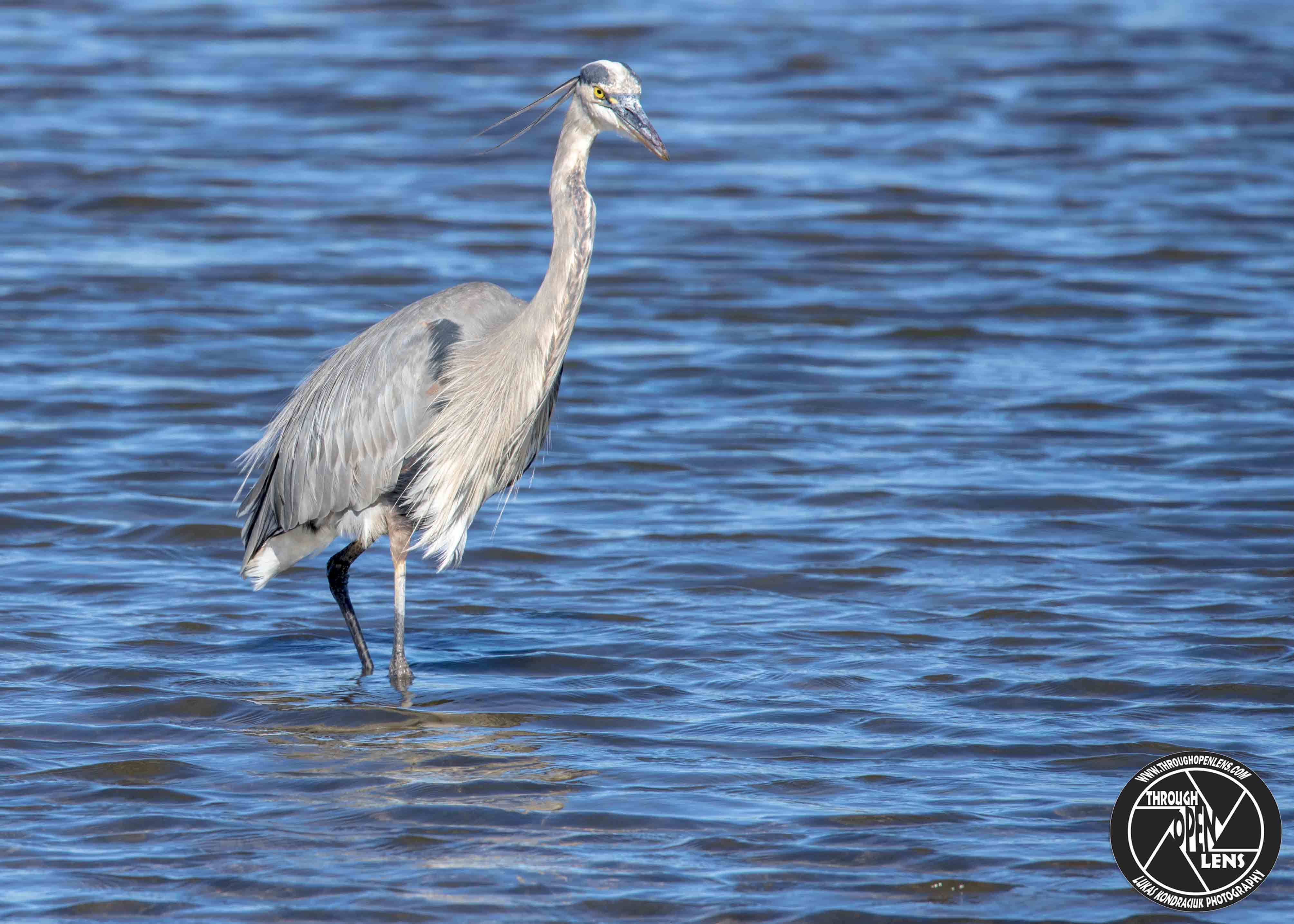
I Enjoy Long Romantic Walks On The Beach

F/10.0, 1/400, ISO 250.

Great Blue Heron 

Why did the fish blush?

Because it saw the ocean’s bottom.

Interesting Fact: Great Blue Herons forage, usually alone, across much of the U.S. This largest of the North American herons wades slowly or stands stock still, peering into the water for prey. In flight the Great Blue Heron folds it neck into an “S” shape and trails its long legs behind, dangling them as it prepares to land or when courting. ( https://www.allaboutbirds.org/guide/Great_Blue_Heron/lifehistory )


To Be Honest I’m Just Winging It!

F/6.3, 1/2000, ISO 320.

Red-tailed Hawk

What does a teddy bear say when you offer it a sandwich?

“No thanks, I’m stuffed”

Interesting Fact: Red-tailed Hawks mated pairs typically stay together until one of the pair dies. ( https://www.allaboutbirds.org/guide/Red-tailed_Hawk/lifehistory )

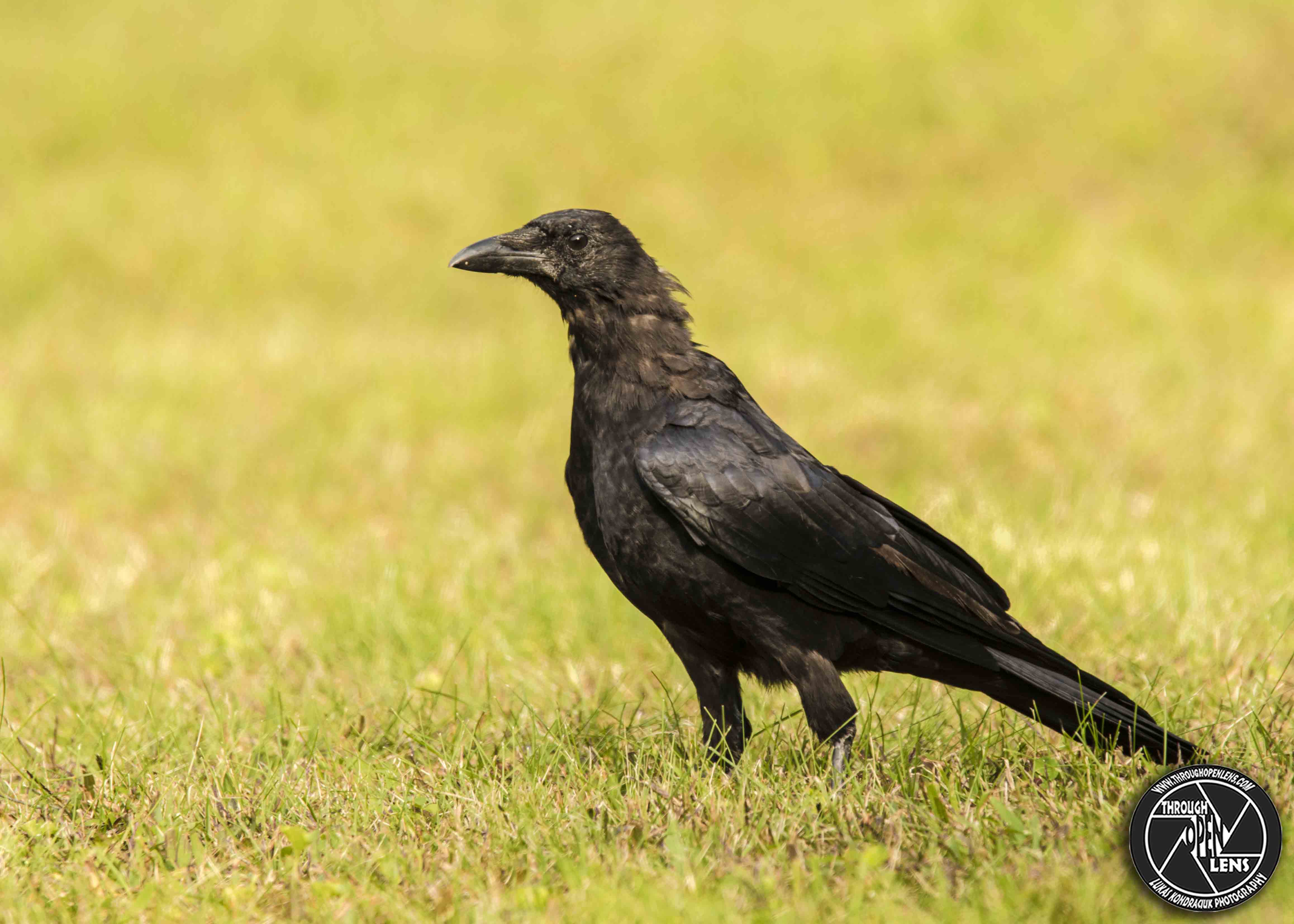
Everyone Is Annoyed With My Singing

F/8.0, 1/250, ISO 250.

American Crow

What did the crow use to break into a car?

A Crowbar.

Interesting Fact: American Crows congregate in large numbers in winter to sleep in communal roosts. These roosts can be of a few hundred up to two million crows. Some roosts have been forming in the same general area for well over 100 years. In the last few decades some of these roosts have moved into urban areas where the noise and mess cause conflicts with people. ( https://www.allaboutbirds.org/guide/American_Crow/lifehistory )

Oh I’m Sorry. Did I Just Roll My Eyes Out loud?!

F/10.0, 1/250, ISO 125.

Dragonfly

What does a baby computer call its dad?

Data

Interesting Fact: Dragonflies are powerful and agile fliers, capable of migrating across oceans, moving in any direction, and changing direction suddenly. In flight, the adult dragonfly can propel itself in six directions: upward, downward, forward, back, to left and to right.[47] They have four different styles of flight:[48] A number of flying modes are used that include counter-stroking, with forewings beating 180° out of phase with the hindwings, is used for hovering and slow flight. This style is efficient and generates a large amount of lift; phased-stroking, with the hindwings beating 90° ahead of the forewings, is used for fast flight. This style creates more thrust, but less lift than counter-stroking; synchronised-stroking, with forewings and hindwings beating together, is used when changing direction rapidly, as it maximises thrust; and gliding, with the wings held out, is used in three situations: free gliding, for a few seconds in between bursts of powered flight; gliding in the updraft at the crest of a hill, effectively hovering by falling at the same speed as the updraft; and in certain dragonflies such as darters, when “in cop” with a male, the female sometimes simply glides while the male pulls the pair along by beating his wings. ( https://en.wikipedia.org/wiki/Dragonfly#Flight )

I’ve Always Loved The Idea Of Not Being What People Expect Me To Be

F/ 6.3, 1/160, ISO 200.

Willow Flycatcher

A termite walks into a bar and asks

“Is the bar tender here?”

Interesting Fact: Flycatchers don’t learn their songs from their parents like many other birds. Instead flycatchers hatch knowing their songs. Scientists tested this by raising Willow Flycatchers in captivity while letting them listen to an Alder Flycatcher sing its free beer song. Despite hearing this song all day, Willow chicks grew up to sing their species’ own fitz-bew. ( https://www.allaboutbirds.org/guide/Willow_Flycatcher/lifehistory )