Have You Hugged A Tree Today?

F/8.0, 1/250, ISO 320.

Brown Creeper

How do you make a tissue dance?

Put a little boogie in it.

Interesting Fact: The Brown Creeper builds a hammock-like nest behind a loosened flap of bark on a dead or dying tree. It wasn’t until 1879 that naturalists discovered this unique nesting strategy. ( https://www.allaboutbirds.org/guide/Brown_Creeper/lifehistory )

You Can Stop Driving Me Crazy,I Can Walk From Here!

F/11.0, 1/500, ISO 200.

Snowy Egret

A little boy asked his father, “Daddy, how much does it cost to get married?”

And the father replied, “I don’t know, son, I’m still paying for it.”

Interesting Fact: During the breeding season, adult Snowy Egrets develop long, wispy feathers on their backs, necks, and heads. In 1886 these plumes were valued at $32 per ounce, which was twice the price of gold at the time. Plume-hunting for the fashion industry killed many Snowy Egrets and other birds until reforms were passed in the early twentieth century. The recovery of shorebird populations through the work of concerned citizens was an early triumph and helped give birth to the conservation movement. ( https://www.allaboutbirds.org/guide/Snowy_Egret )

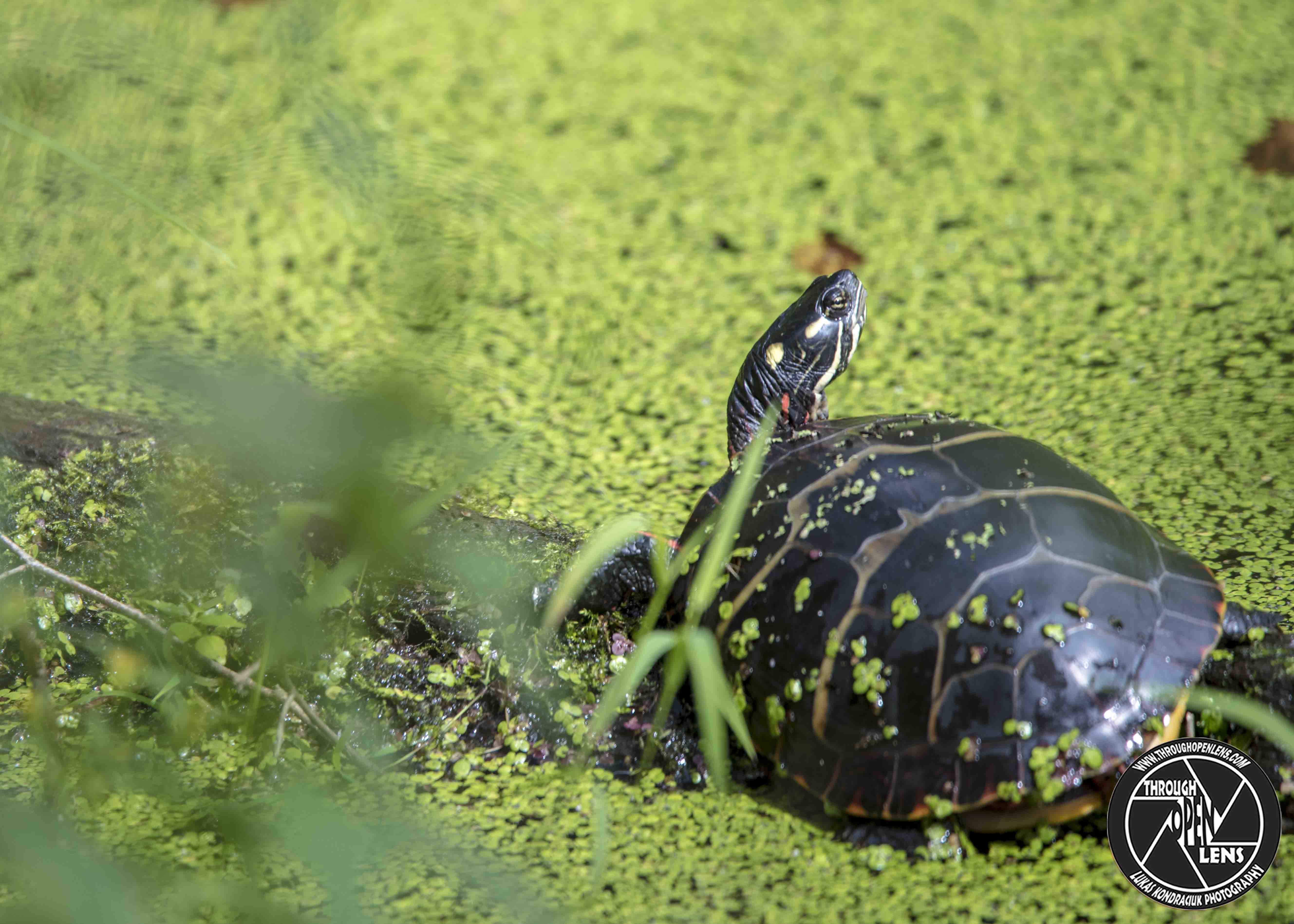
Turtle Power!

F/6.3, 1/125, ISO 200.

Red-Eared Slider Turtle 

What did one elevator say to the other?

I think I’m coming down with something!

Interesting Fact: Red-eared sliders are almost entirely aquatic, but as they are cold-blooded, they leave the water to sunbathe to regulate their temperature.  ( https://en.wikipedia.org/wiki/Red-eared_slider )

Keep Calm And Hop On!

F/8.0, 1/250, ISO 250.

Desert Cottontail Rabbit

What do rabbits say before they eat?

Lettuce pray.

Interesting Fact: Due to the variable temperature of living conditions, desert cottontails must be adequate thermoregulators to minimize water loss during the hotter seasons and require shaded areas of their environment to conduct evaporative water loss through thermal heat transfer. In open-desert areas, they can withstand for a short period with extremely high temperatures of around 45 °C and have a large evaporative water loss capacity of around 1.5% body mass/hour, though cottontails can withstand longer in an ideal environment with shaded areas. To cope with evaporative heat loss, they do panting and undergo changes in production of their basal metabolic rate in relation to the ambient temperature of the environment. Ears of desert cottontails make up 14% of their body size and may help with thermoregulation. ( https://en.wikipedia.org/wiki/Desert_cottontail )

Sing… The World Needs More Music!

F/8.0, 1/250, ISO 320.

Yellow Warbler Immature (Northern)

How do you make an egg laugh?

Tell it a yolk.

Interesting Fact: In addition to the migratory form of the Yellow Warbler that breeds in North America, several other resident forms can be found in Mexico, Central America, and the Caribbean. Males in these populations can have chestnut caps or even chestnut covering the entire head. ( https://www.allaboutbirds.org/guide/Yellow_Warbler/overview )

Headbanger!

F/6.3, 1/100, ISO 320.

Pileated Woodpecker

Two men visit a prostitute.

The first man goes into the bedroom. He comes out ten minutes later and says, “Heck. My wife is better than that.”

The second man goes in. He comes out ten minutes later and says, “You know? Your wife IS better.”

Interesting Fact: The Pileated Woodpecker prefers large trees for nesting. In young forests, it will use any large trees remaining from before the forest was cut. Because these trees are larger than the rest of the forest, they present a lightning hazard to the nesting birds. ( https://www.allaboutbirds.org/guide/Pileated_Woodpecker  )

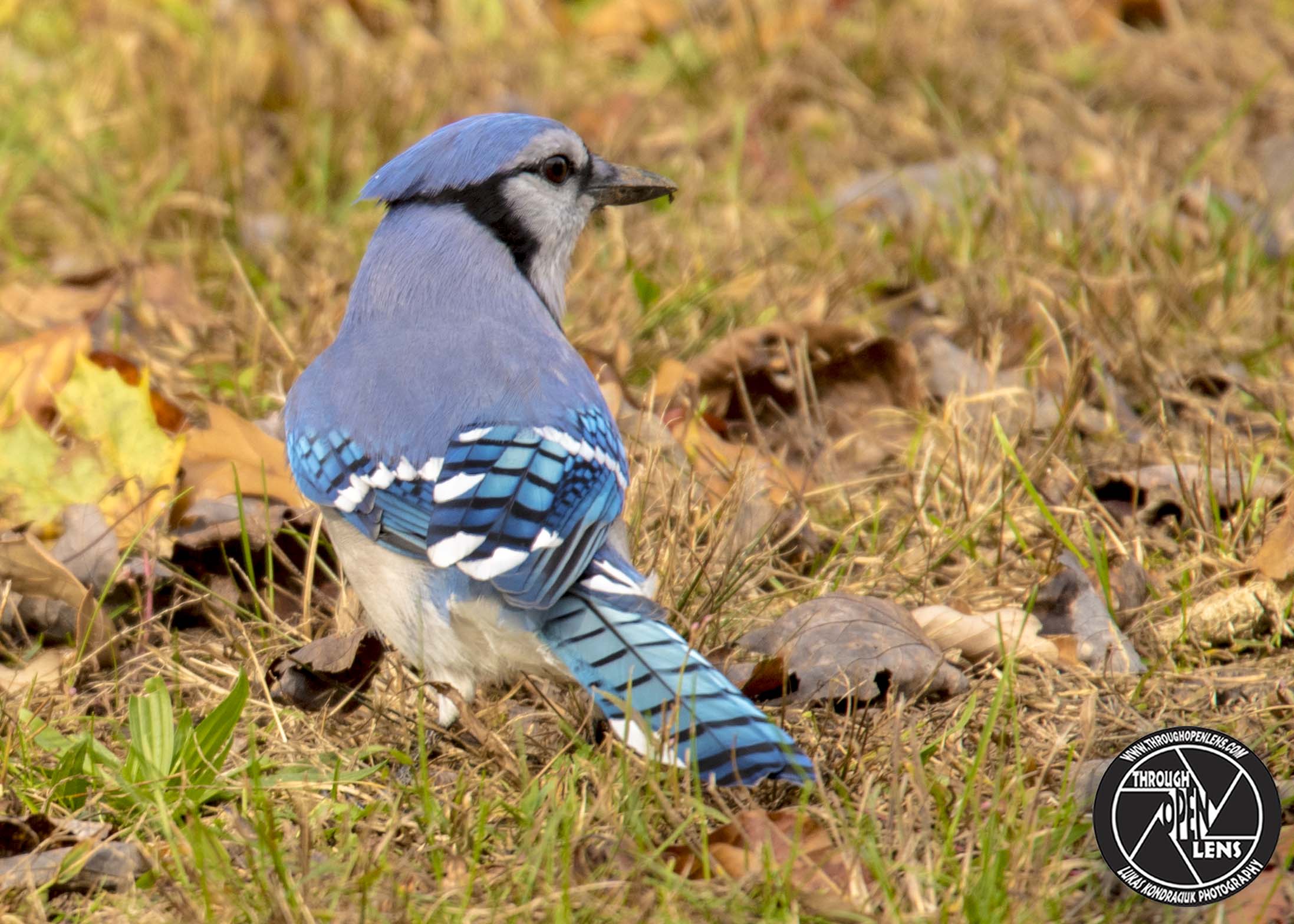
Bluetiful!

F/8.0, 1/250, ISO 400.

Blue Jay

Where do cows go for entertainment?

The mooooo-vies!

Interesting Fact:  The Blue Jay frequently mimics the calls of hawks, especially the Red-shouldered Hawk. These calls may provide information to other jays that a hawk is around, or may be used to deceive other species into believing a hawk is present. (  https://www.allaboutbirds.org/guide/Blue_Jay/lifehistory )

Do You Think I Give A Quack!

F/10.0, 1/400, ISO 160.

Wood Duck

Why couldn’t the leopard play hide and seek?

Because he was always spotted.

Interesting Fact: Natural cavities for nesting are scarce, and the Wood Duck readily uses nest boxes provided for it. If nest boxes are placed too close together, many females lay eggs in the nests of other females. ( https://www.allaboutbirds.org/guide/Wood_Duck )

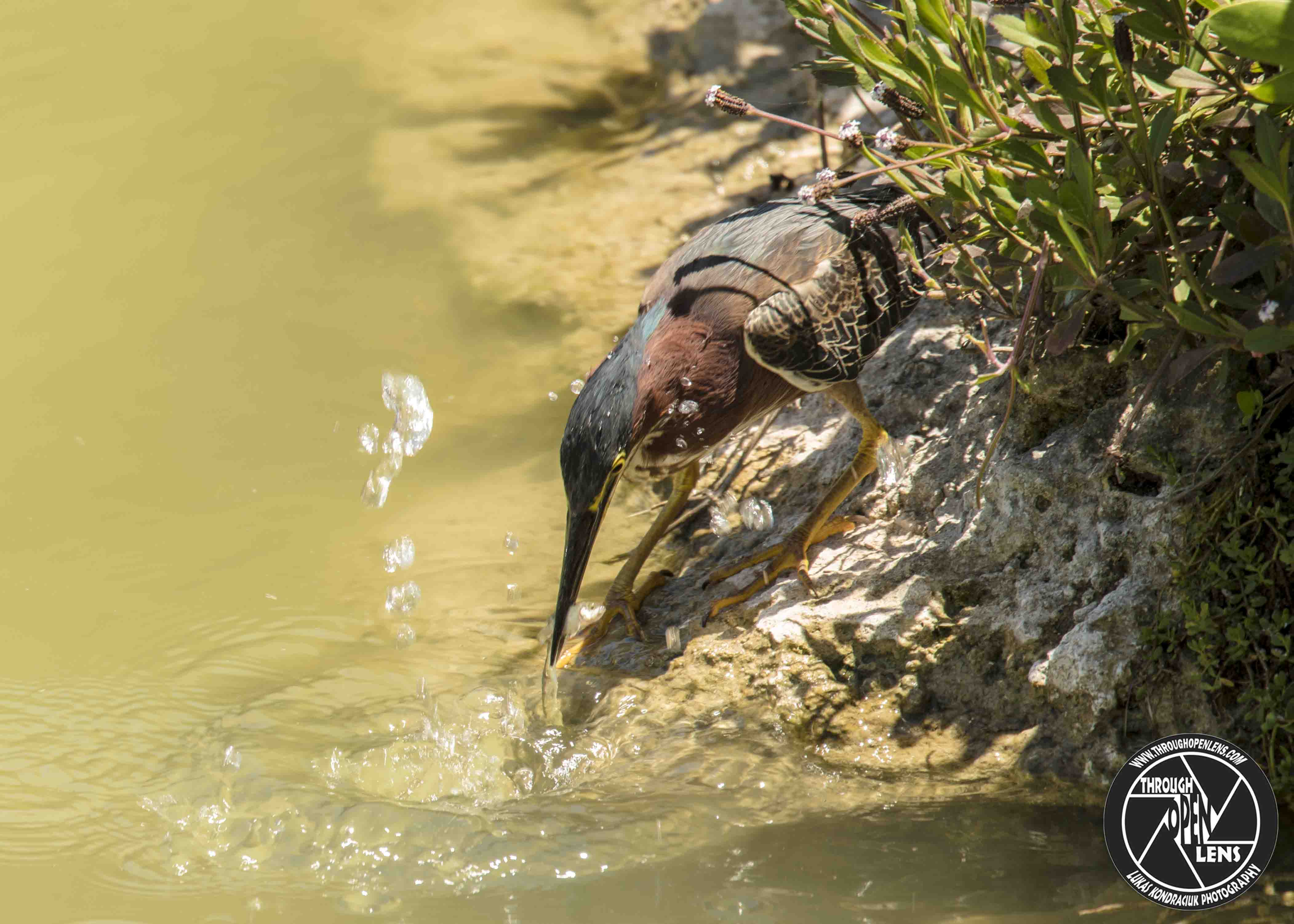
Fish Tremble When They Hear My Name!

F/8.0, 1/200, ISO 160.

Green Heron

When do zombies go to sleep?

When they are dead tired.

Interesting Fact:  Green Herons eat mainly small fish such as minnows, sunfish, catfish, pickerel, carp, perch, gobies, shad, silverside, eels, and goldfish. They also feeds on insects, spiders, crustaceans, snails, amphibians, reptiles, and rodents. They hunt by standing still at the water’s edge, in vegetation, or by walking slowly in shallow water. When a fish approaches, the heron lunges and darts its head, grasping (or sometimes spearing) the fish with its heavy bill. ( https://www.allaboutbirds.org/guide/Green_Heron/lifehistory )

Wish You Were Here, With A Beer!

F/7.1, 1/200, ISO 100.

Punta Cana Domincan Republic Beach 

What did the beach says as the tide came in?

Long time no sea

Interesting Fact: Punta Cana features a tropical wet and dry climate under the Köppen climate classification. The weather is fairly consistent all year, with an average temperature of 26 °C (79 °F). The hot and humid season lasts from May to October, and during the day temperatures might reach 35 °C (95 °F). From November to March, temperatures during the evening are around 20 °C (68 °F). Very little rain falls around the area, primarily because of the mostly flat landscape, a combination of savanna and mountains.  ( https://en.wikipedia.org/wiki/Punta_Cana