Yes, How Can I Help You?

F/11.0, 1/500, ISO 320.

Ruby-crowned Kinglet

What is the difference between a school teacher and a train?

The teacher says spit your gum out and the train says “chew chew chew”.

Interesting Fact: Ruby-crowned Kinglets seem nervous as they flit through the foliage, flicking their wings nearly constantly. Keeping an eye out for this habit can be a useful aid to identifying kinglets. ( https://www.allaboutbirds.org/guide/Ruby-crowned_Kinglet/lifehistory )

So Do You Think That Worm Will Come Out Soon?

F/7.1, 1/200, ISO 400.

Wild Turkeys

What’s the opposite of Dominoes?

Domi doesnt know.

Interesting Fact: They usually roost in flocks, but sometimes individually. Courting males gobble to attract females and warn competing males. They display for females by strutting with their tails fanned, wings lowered, while making nonvocal hums and chump sounds.  ( https://www.allaboutbirds.org/guide/Wild_Turkey/lifehistory )


I Think We’re Going To Need A Bigger Rock!

F/5.6, 1/500, ISO 200.

American Black Ducks ( Juveniles )

Why can’t you trust an atom?

Because they make up everything.

Interesting Fact:  Normally found in eastern North America, American Black Ducks occasionally show up on the West Coast, Europe, and even Asia. Some of these birds may be escaped pets, but others are known to be wild ducks: for instance, one female banded in New Brunswick, Canada, turned up later in France. ( https://www.allaboutbirds.org/guide/American_Black_Duck/lifehistory )


I Am Here For You!

F/9.0, 1/320, ISO 250.

American Goldfinch

What can you serve but never eat?

A volleyball.

Interesting Fact: Paired-up goldfinches make virtually identical flight calls; goldfinches may be able to distinguish members of various pairs by these calls. ( https://www.allaboutbirds.org/guide/American_Goldfinch )

Yes I Walked Away Mid-Conversation. You Were Boring Me To Death And My Survival Instincts Kicked In.

F/11.0, 1/500, ISO 400.

Great Blue Heron 

What happened when the lion ate the comedian?

He felt funny!

Interesting Fact: Great Blue Herons can hunt day and night thanks to a high percentage of rod-type photoreceptors in their eyes that improve their night vision. ( https://www.allaboutbirds.org/guide/Great_Blue_Heron )


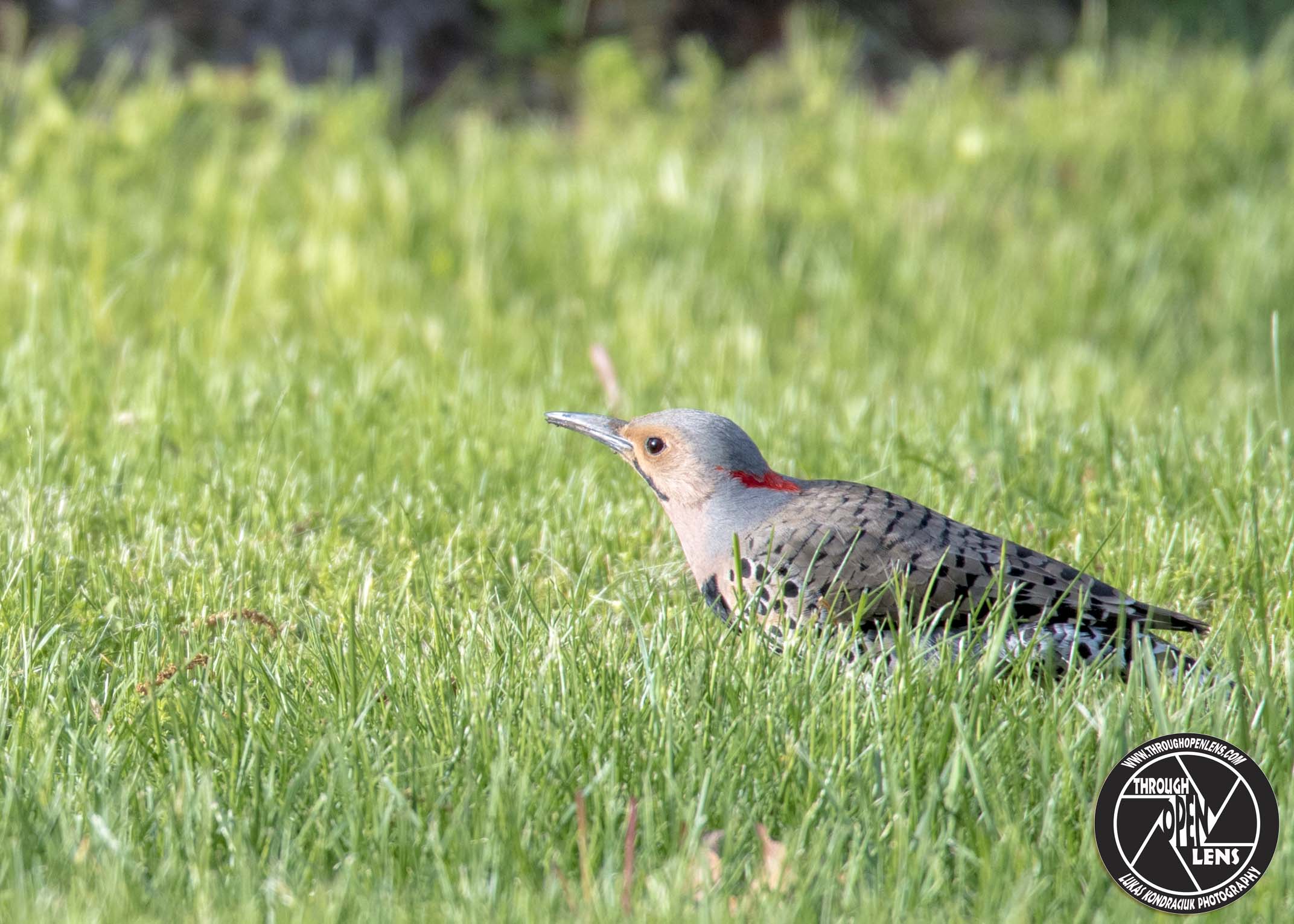
Shh… I’m Hiding From Negative People.

F/8.0, 1/250, ISO 320.

Northern Flicker 

What did the math text book say to the Shakespeare text book?

I’ve already got a lot of problems, and I don’t need any of your drama.

Interesting Fact: Although it can climb up the trunks of trees and hammer on wood like other woodpeckers, the Northern Flicker prefers to find food on the ground. Ants are its main food, and the flicker digs in the dirt to find them. It uses its long barbed tongue to lap up the ants. ( https://www.allaboutbirds.org/guide/Northern_Flicker/ )


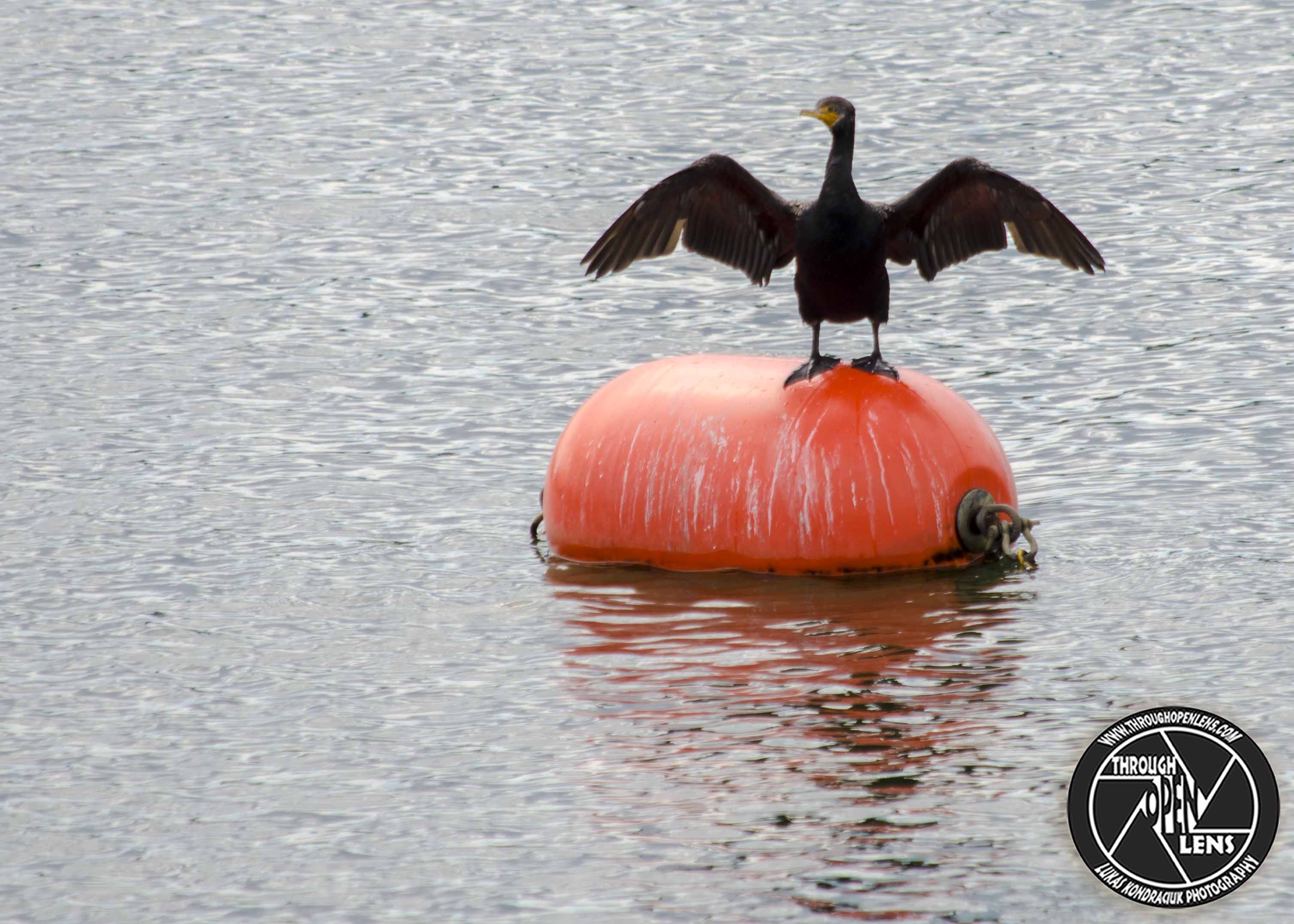
I Don’t Need Therapy, I Need A Hug!

F/9.0, 1/320, ISO 100.

Double-crested Cormorant

Tom had asked Fred to help him out with the deck after work, so Fred went straight over to Tom’s place. When they got to the door, Tom went straight to his wife, gave her a hug and told her how beautiful she was and how much he had missed her at work.
When it was time for dinner, he complimented his wife on her cooking, kissed her and told her how much he loved her. Once they were working on the deck, Fred told Tom that he was surprised that he fussed so much over his wife. Tom said that he’d started this about 6 months ago, it had revived their marriage and things couldn’t be better.
Fred thought he’d give it a go. When he got home, he gave his wife a massive hug, kissed her and told her that he loved her. His wife burst into tears. Fred was confused and asked why she was crying.
She said, “This is the worst day of my life. First, little Bobby fell off his bike and twisted his ankle. Then, the washing machine broke and flooded the basement. And now, you come home drunk!”

Interesting Fact: The double-crest of the Double-crested Cormorant is only visible on adults during breeding season. The crests are white in cormorants from Alaska, and black in other regions.  ( https://www.allaboutbirds.org/guide/Double-crested_Cormorant/lifehistory )

Ehh, What’s Up Doc?

F/6.3, 1/160, ISO 640.

Eastern Cottontail Rabbit

What did the rabbit give his girlfriend?

A 14 carrot ring!

Interesting Fact: There are several species of cottontail rabbit, but the eastern cottontail is the most common. This ubiquitous animal can be found from Canada to South America and, in the United States, from the East Coast to the Great Plains. Cottontails range from reddish brown to gray, but all feature the distinctive “cotton ball” tail for which they are named. ( http://www.nationalgeographic.com/animals/mammals/e/eastern-cottontail-rabbit/ )

First Major Obstacle And DONE!

F/6.3, 1/125, ISO 640.

Canada Goose ( Juvenile )

Why couldn’t the leopard play hide and seek?

Because he was always spotted.

Interesting Fact: The oldest known wild Canada Goose was a female, and at least 33 years, 3 months old when she was shot in Ontario in 2001. She had been banded in Ohio in 1969. ( https://www.allaboutbirds.org/guide/Canada_Goose/lifehistory )

Heeeey!

F/6.3, 1/125, ISO 500.

Blue Jay

What kind of shoes do ninjas wear?

Sneakers.

Interesting Fact:  They often mate for life, remaining with their social mate throughout the year. Only the female incubates; her mate provides all her food during incubation. For the first 8–12 days after the nestlings hatch, the female broods them and the male provides food for his mate and the nestlings. ( https://www.allaboutbirds.org/guide/Blue_Jay/lifehistory )