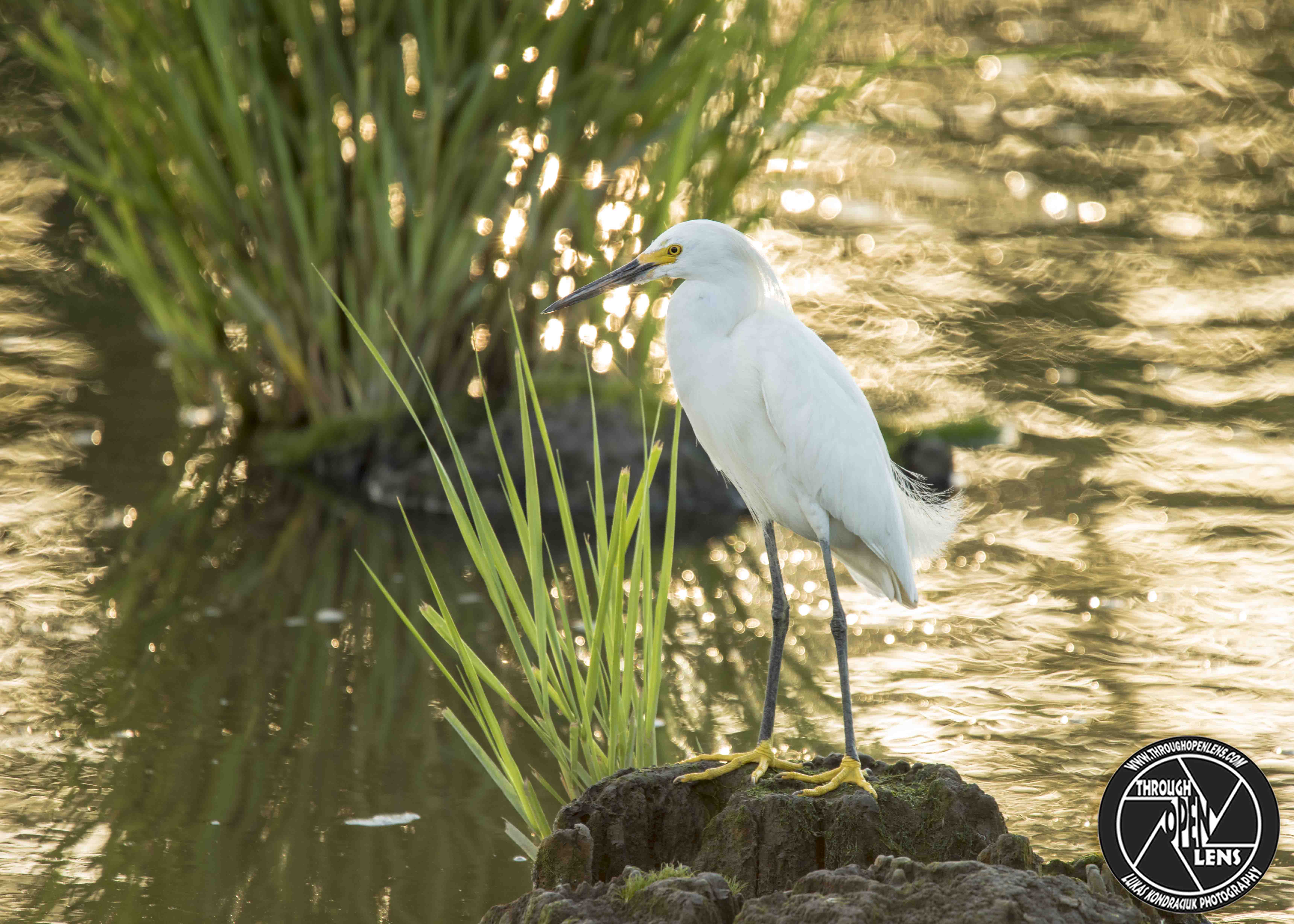
Leave A Little Sparkle Wherever You Go!

F/6.3, 1/160, ISO 250.

Snowy Egret

What does a pig put on its paper cut?

Oinkment!

Interesting Fact: The Snowy Egret eats mostly aquatic animals, including fish, frogs, worms, crustaceans, and insects. It often uses its bright yellow feet to paddle in the water or probe in the mud, rounding up prey before striking with its bill. Snowy Egrets feed while standing, walking, running, or hopping, and they may vibrate their bills, sway their heads, or flick their wings as part of prey gathering. They even forage while hovering. ( https://www.allaboutbirds.org/guide/Snowy_Egret/lifehistory )
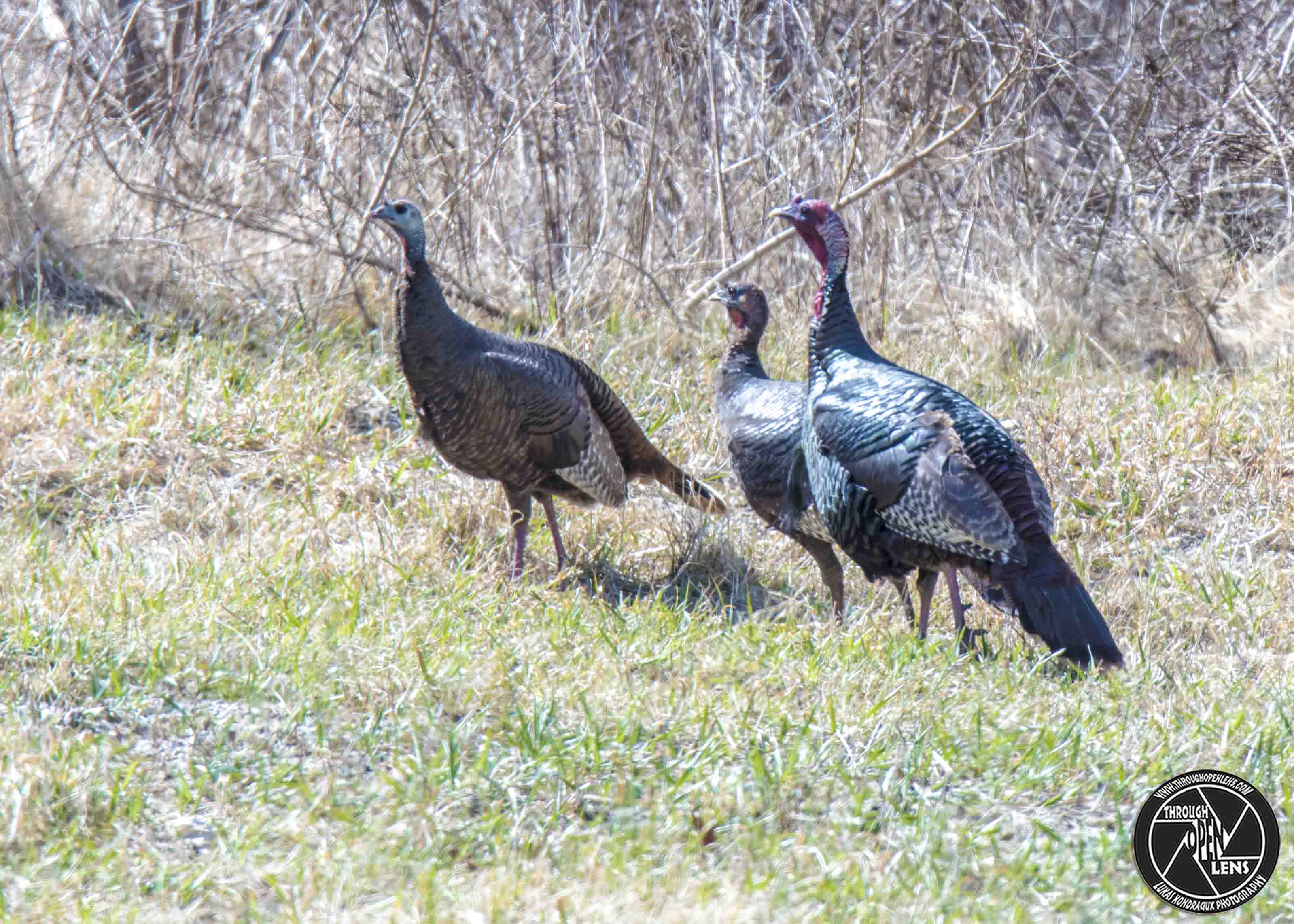
Wild Bunch!

F/9.0, 1/320, ISO 320.

Wild Turkeys

Why couldn’t the leopard play hide and seek?

Because he was always spotted.

Interesting Fact: The female scratches a shallow depression in the soil, about 1 inch deep, 8–11 inches wide, and 9–13 inches long. Wild Turkeys use only the dead leaves or other plant materials already present at the nest site. ( https://www.allaboutbirds.org/guide/Wild_Turkey/lifehistory )


We Are Online Now.

F/7.1, 1/800, ISO 200.

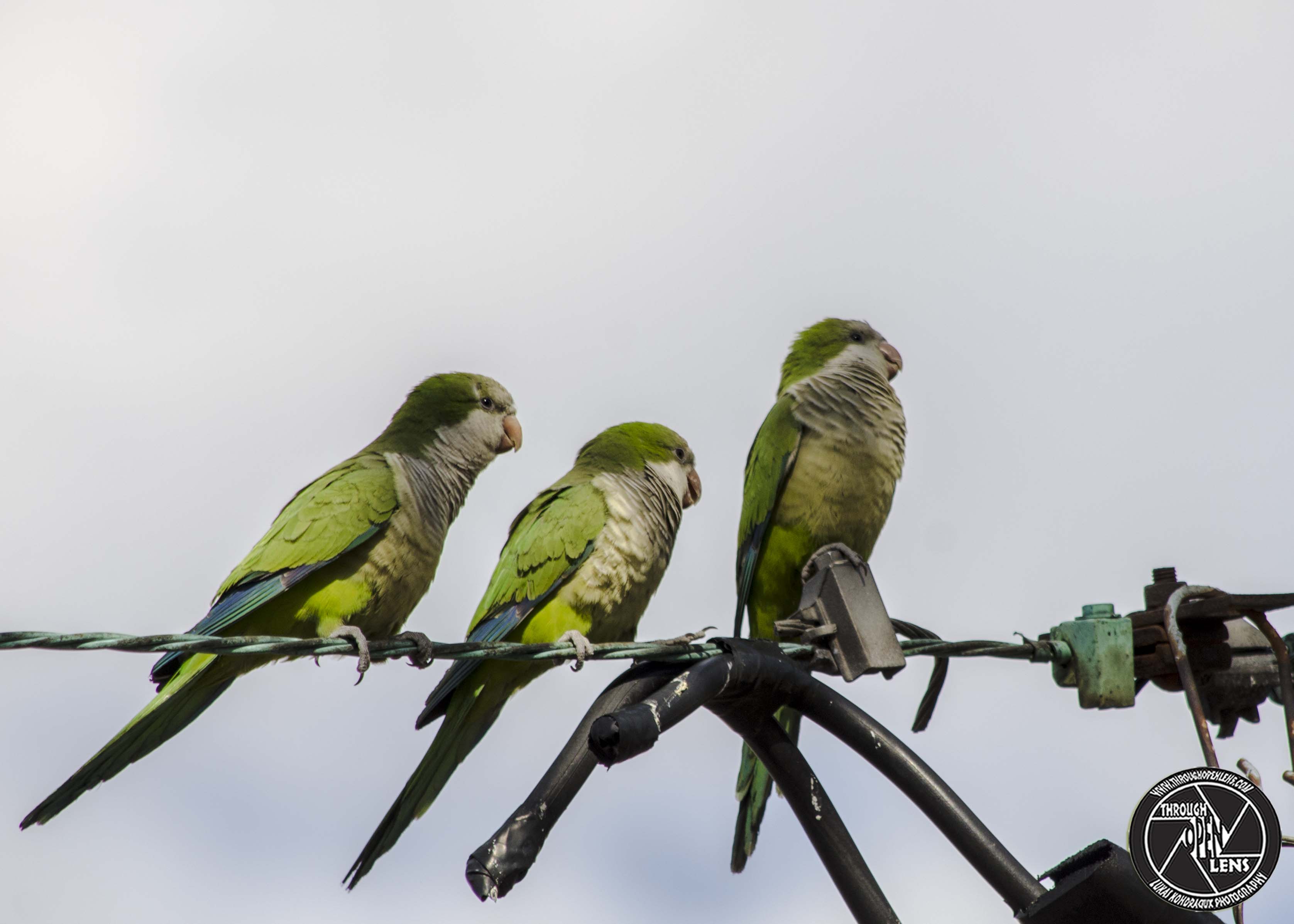
Monk Parakeets

Where does a bee keep his stinger?

In his honey!

Interesting Fact: Monk Parakeets spend a lot of time preening each other. These long-lived birds form socially monogamous pairs, and courtship involves a pair preening each other and grasping each other by the beak while shaking their heads.  ( https://www.allaboutbirds.org/guide/Monk_Parakeet/lifehistory )

Ehh, What’s Up Duck?

F/5.6, 1/500, ISO 200.

Mallard 

Why did the duck cross the road?

Because there was a quack in the sidewalk. 

Interesting Fact:  Ducks have webbed feet, which they use for paddling beneath the water. Their feet have no nerves or blood vessels, which mean that they won’t feel chill from swimming in icy water. ( https://americanexpedition.us/mallard-duck-information-facts-photos-and-artwork )

One Lucky Gal!

F/6.3, 1/250, ISO 500.

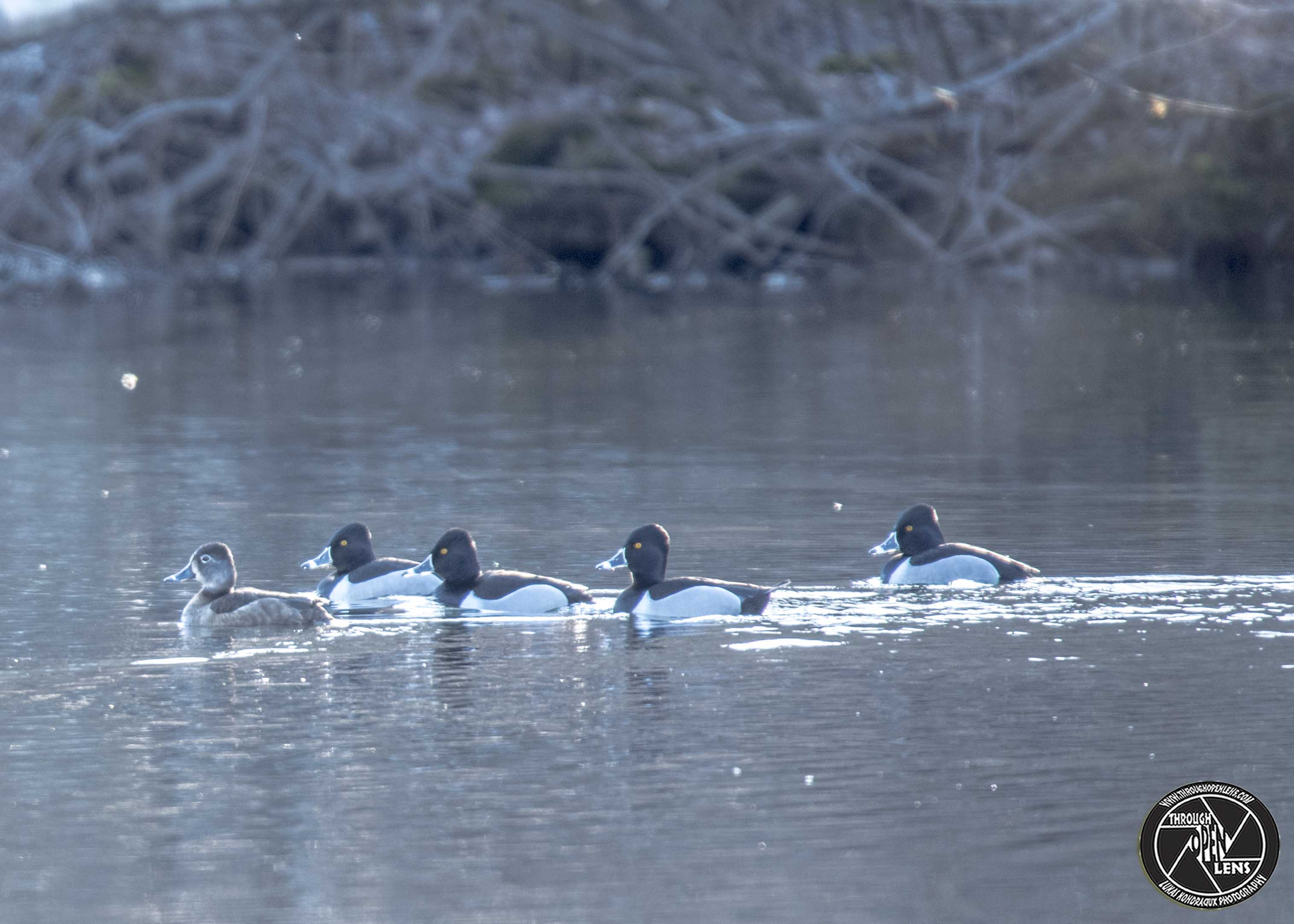
Ring-necked Duck

Why can’t you hear a pterodactyl in the bathroom?

Because it has a silent pee.

Interesting Fact: Ring-necked Ducks put their nests among dense sedges and other emergent plants in marshes. Pairs choose these sites by swimming at the vegetation edge or by making low circling flights over potential spots. They typically build their nests directly over the water or on floating vegetation; this helps protect the nests from land-based predators. ( https://www.allaboutbirds.org/guide/Ring-necked_Duck/lifehistory )

I’m Over Here!

F/13.0, 1/640, ISO 320.

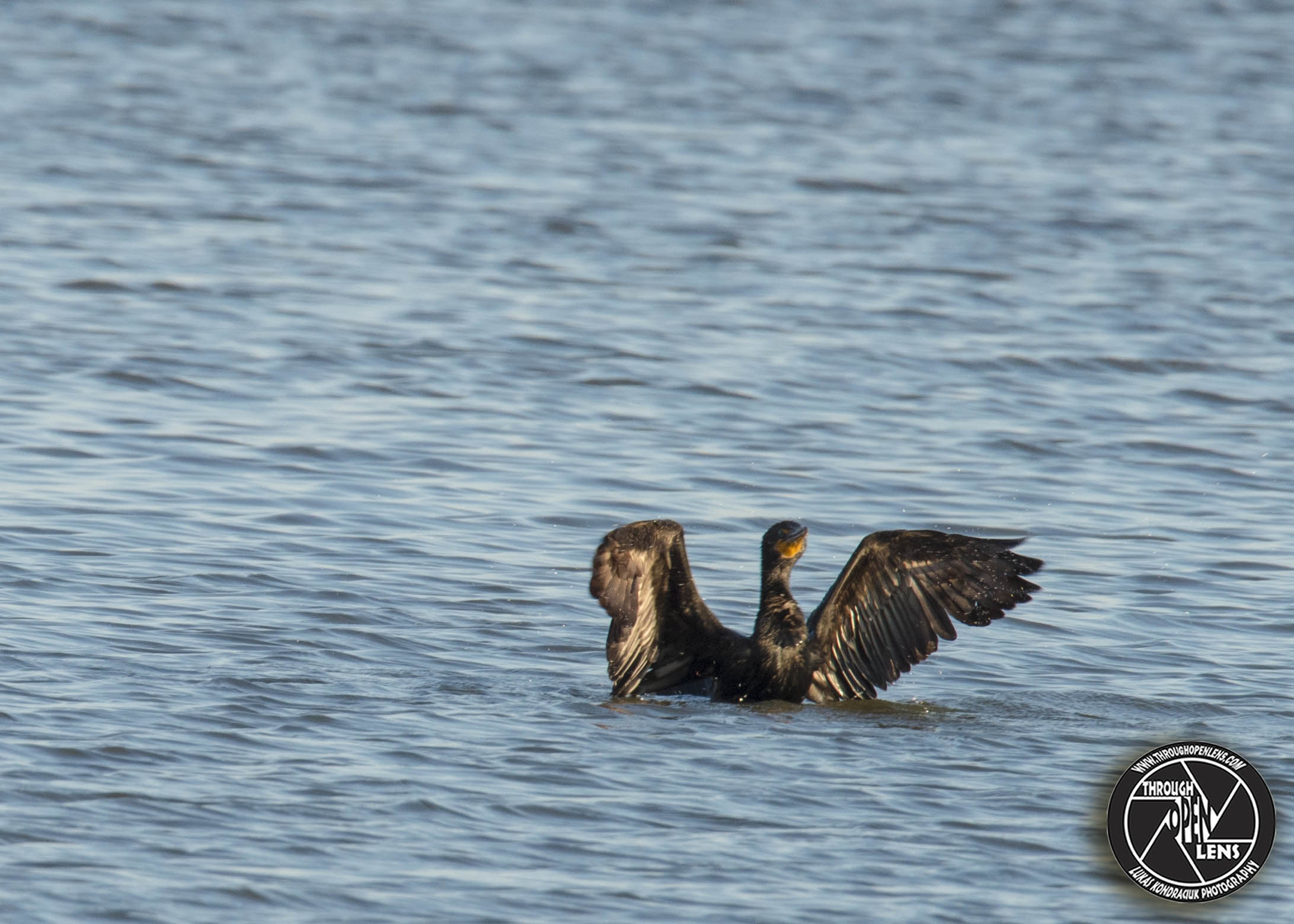
Double-crested Cormorant

Teacher called on a student in the classroom:

Teacher: Name two days of the week that start with “t”.

Student: Today and Tomorrow

Interesting Fact: Double-crested Cormorant nests often are exposed to direct sun. Adults shade the chicks and also bring them water, pouring it from their mouths into those of the chicks. ( https://www.allaboutbirds.org/guide/Double-crested_Cormorant/lifehistory )

Are You Mocking Me?

F/9.0, 1/320, ISO 250.

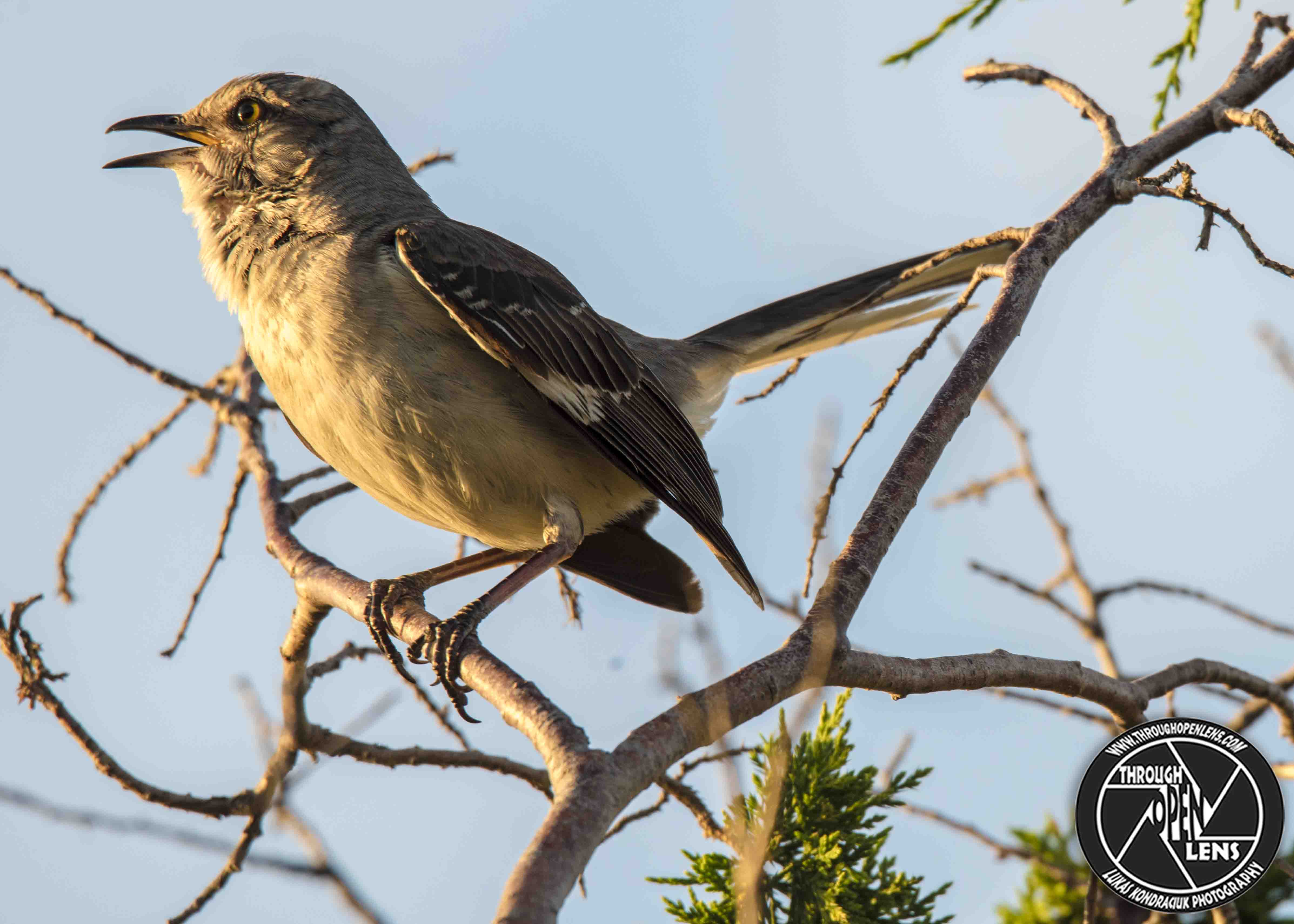
Northern Mockingbird

What do you call a snowman in July?

A puddle.

Interesting Fact: It’s not just other mockingbirds that appreciate a good song. In the nineteenth century, people kept so many mockingbirds as cage birds that the birds nearly vanished from parts of the East Coast. People took nestlings out of nests or trapped adults and sold them in cities such as Philadelphia, St. Louis, and New York, where, in 1828, extraordinary singers could fetch as much as $50. ( https://www.allaboutbirds.org/guide/Northern_Mockingbird/lifehistory )

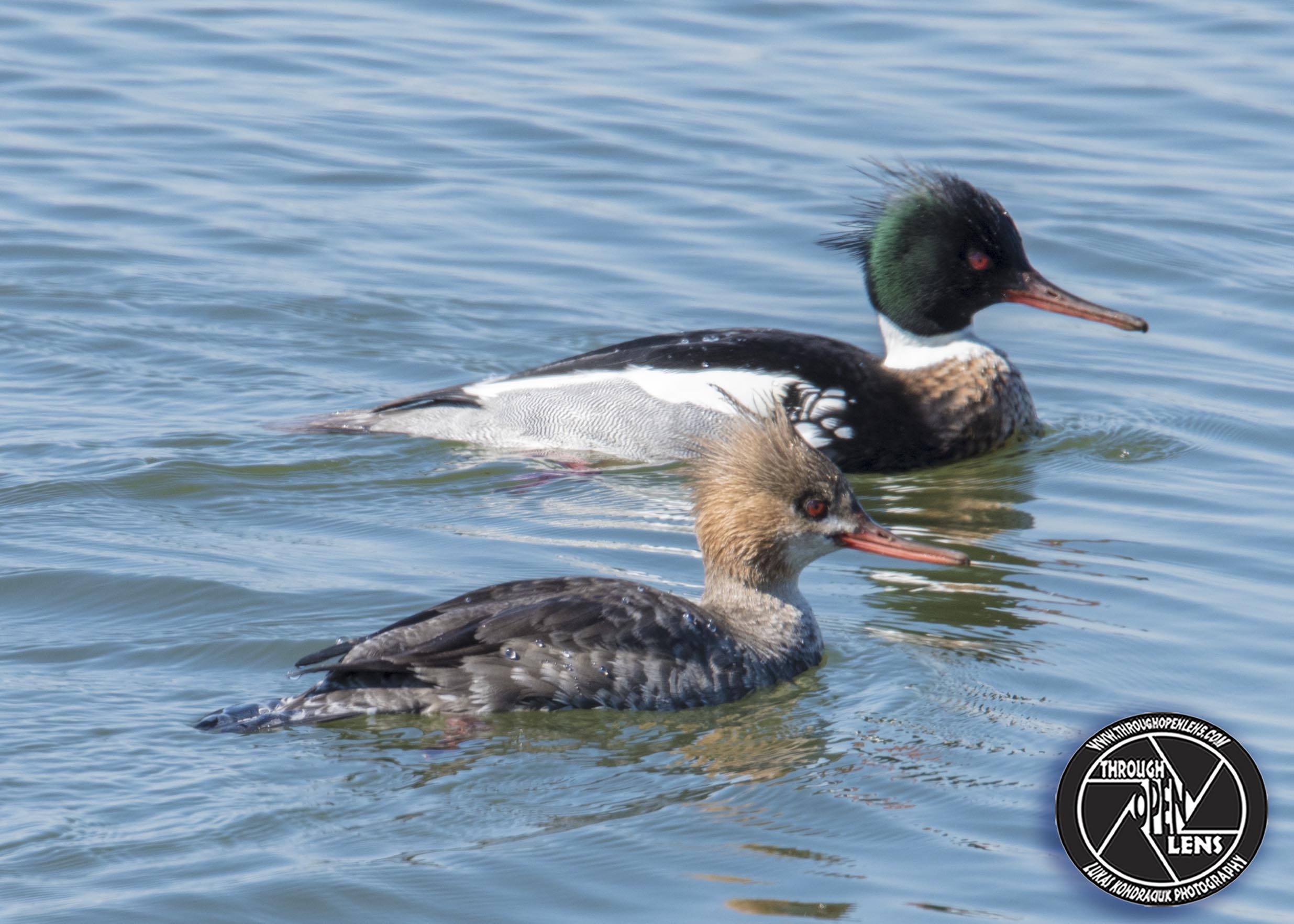
Grow Old With Me.

F/9.0, 1/320, ISO 200.

Red-breasted Mergansers

Why did the boy eat his homework?

Because his teacher said it was a piece of cake!

Interesting Fact: The oldest recorded Red-breasted Merganser was a female, and at least 9 years, 6 months old when she was shot in Alaska, the same state where she had been banded. ( https://www.allaboutbirds.org/guide/Red-breasted_Merganser/lifehistory )

My Eyes Always Come Out Red In Photos

F/ 6.3, 1/640, ISO 200.

Canvasback

“Doctor, doctor, my wife thinks she’s a duck.”

“You better bring her in to see me straight away.”

“I can’t do that – she’s already flown south for the winter.”  

Interesting Fact: The species name of the Canvasback, Aythya valisineria, comes from Vallisneria americana, or wild celery, whose winter buds and rhizomes are its preferred food during the nonbreeding period.  ( https://www.allaboutbirds.org/guide/Canvasback/lifehistory )

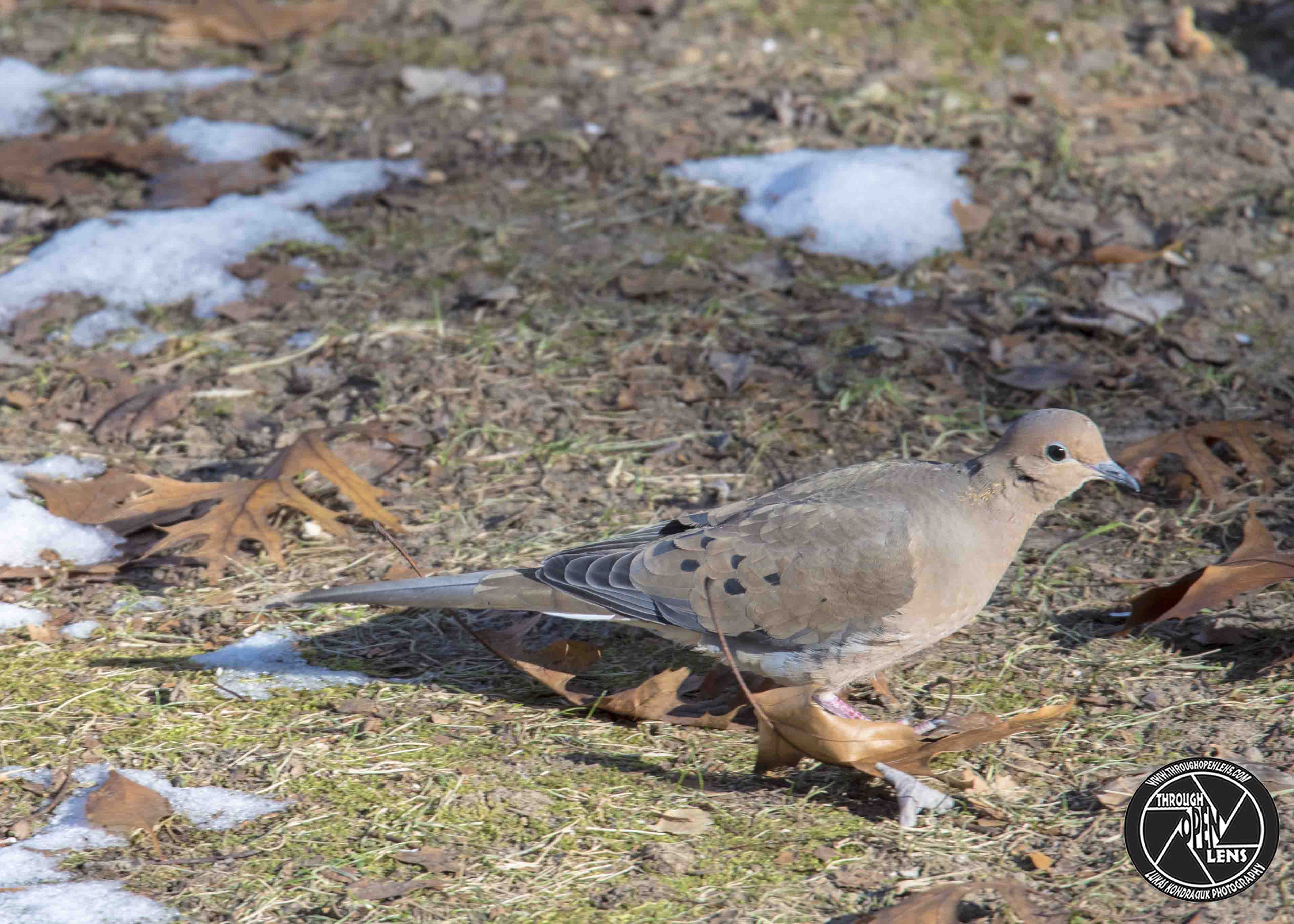
Out For A Run!

F/8.0, 1/250, ISO 250.

Mourning Dove

Why did the picture go to jail?

Because it was framed.

Interesting Fact:  Perhaps one reason why Mourning Doves survive in the desert: they can drink brackish spring water (up to almost half the salinity of sea water) without becoming dehydrated the way humans would. ( https://www.allaboutbirds.org/guide/Mourning_Dove )