Gonzo Would Be Jealous!

F/7.1, 1/800, ISO 200.

Whimbrel

What Do You Call a Beach that Keeps Losing Sand?

A Shore Loser.

Interesting Fact: In many regions, the primary winter food of the Whimbrel is crab. The curve of the Whimbrel’s bill nicely matches the shape of fiddler crab burrows. The bird reaches into the crab’s burrow, extracts the crab, washes it if it is muddy, and sometimes breaks off the claws and legs before swallowing it. Indigestible parts are excreted in fecal pellets.  ( https://www.allaboutbirds.org/guide/Whimbrel/lifehistory )


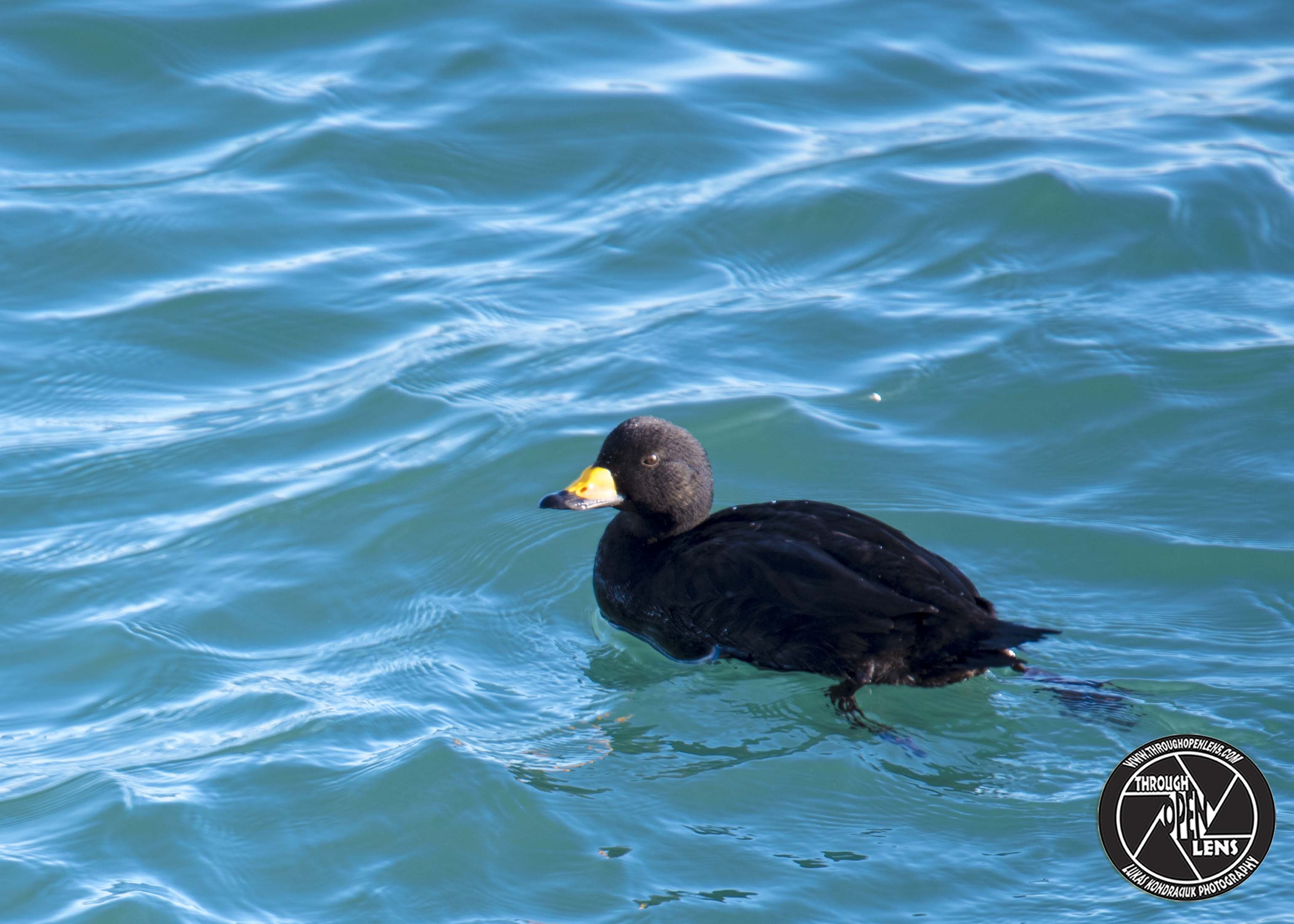
Watch It! I Am Swimming HERE!

F/ 6.3, 1/160, ISO 200.

Black Scoter 

What did the nose say to the finger?

Stop picking on me.

Interesting Fact:  Birds occasionally do a “wing-flap” display while swimming, flapping their wings with the body held up and punctuating this with a downward thrust of head, as if its neck were momentarily broken. ( https://identify.whatbird.com/obj/298/overview/Black_Scoter.aspx )

We Are Looking At You!

F/9.0, 1/320, ISO 250.

Semipalmated Sandpipers

What never asks questions but receives a lot of answers?

The Telephone.

Interesting Fact: The oldest recorded Semipalmated Sandpiper was at least 14 years, 2 months old when it was recaptured and rereleased during banding operations in New Brunswick. ( https://www.allaboutbirds.org/guide/Semipalmated_Sandpiper/overview )

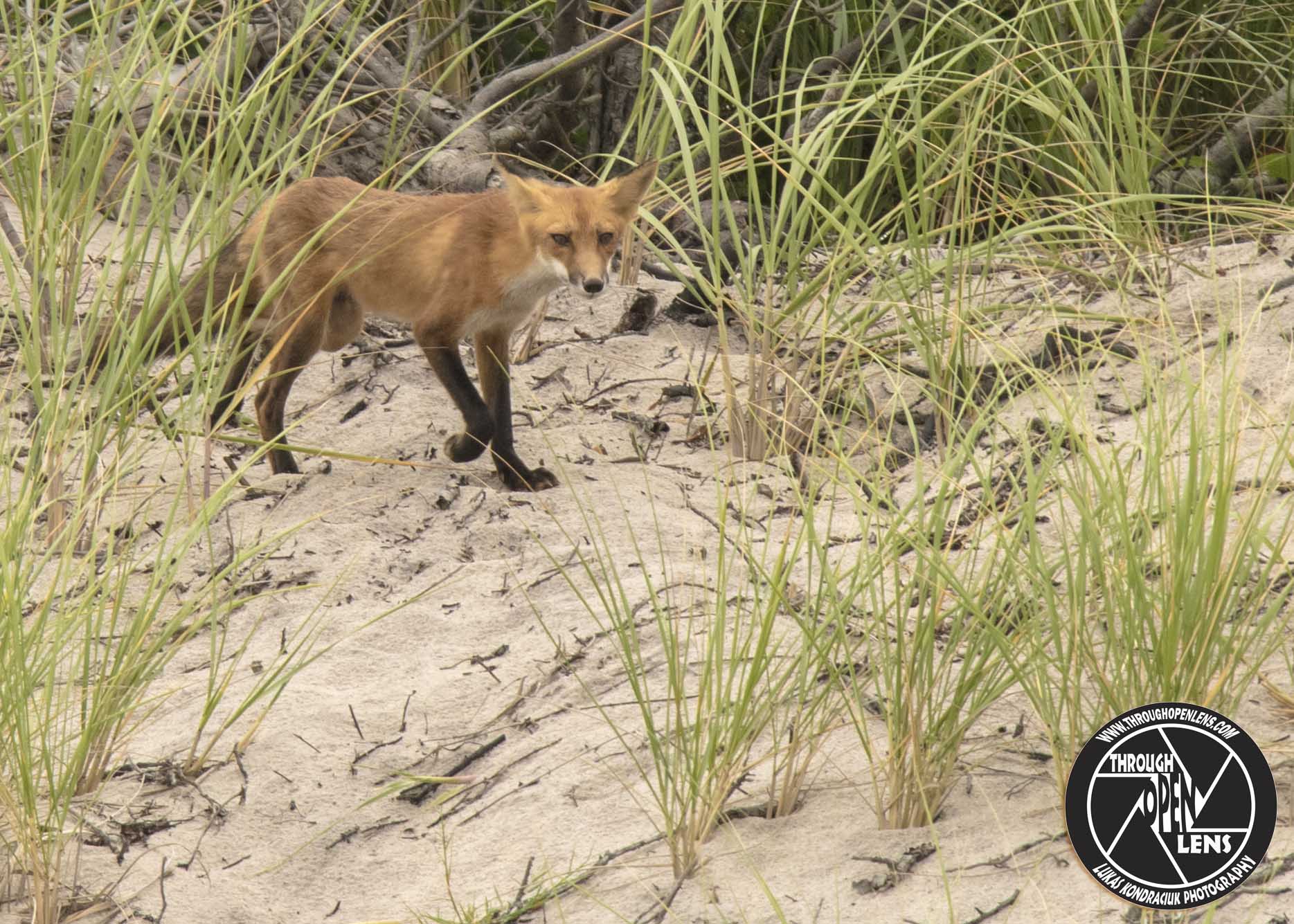
Oh For Fox Sake!

F/10.0, 1/400, ISO 500.

Red Fox

A chicken and an egg are having sex.

The chicken rolls off the egg and says, “I guess that answers that question.”

Interesting Fact: Foxes also signal each other by making scent posts—urinating on trees or rocks to announce their presence. ( https://www.nationalgeographic.com/animals/mammals/r/red-fox/ )

Good Things Come To Those Who Bait.

F/11.0, 1/500, ISO 125.

Osprey

In class:

Math Teacher: “If I have 5 bottles in one hand and 6 in the other hand, what do I have?”

Student: “A drinking problem.”

Interesting Fact: Osprey eggs do not hatch all at once. Rather, the first chick emerges up to five days before the last one. The older hatchling dominates its younger siblings, and can monopolize the food brought by the parents. If food is abundant, chicks share meals in relative harmony; in times of scarcity, younger ones may starve to death. ( https://www.allaboutbirds.org/guide/Osprey )

You Make Me Blush!

F/10.0, 1/400, ISO 250.

House Finch

Why are some fish at the bottom of the ocean?

Because they dropped out of school!

Interesting Fact:  House Finches were introduced to Oahu from San Francisco sometime before 1870. They had become abundant on all the major Hawaiian Islands by 1901 ( https://www.allaboutbirds.org/guide/House_Finch )

Psst… You Can’t See Me

atlantic-ghost-crabs

F/8.0, 1/500, ISO 100.

Atlantic Ghost Crab (Sand Crab)

Did you hear about the crab that went to the seafood disco?

He pulled a muscle

Interesting Fact: The strong hairy legs of this animal make it run very fast and achieve speeds of about 10 miles per hour. This makes this crab the fastest among all crustaceans. ( http://www.animalspot.net/ghost-crab-sand-crab.html )

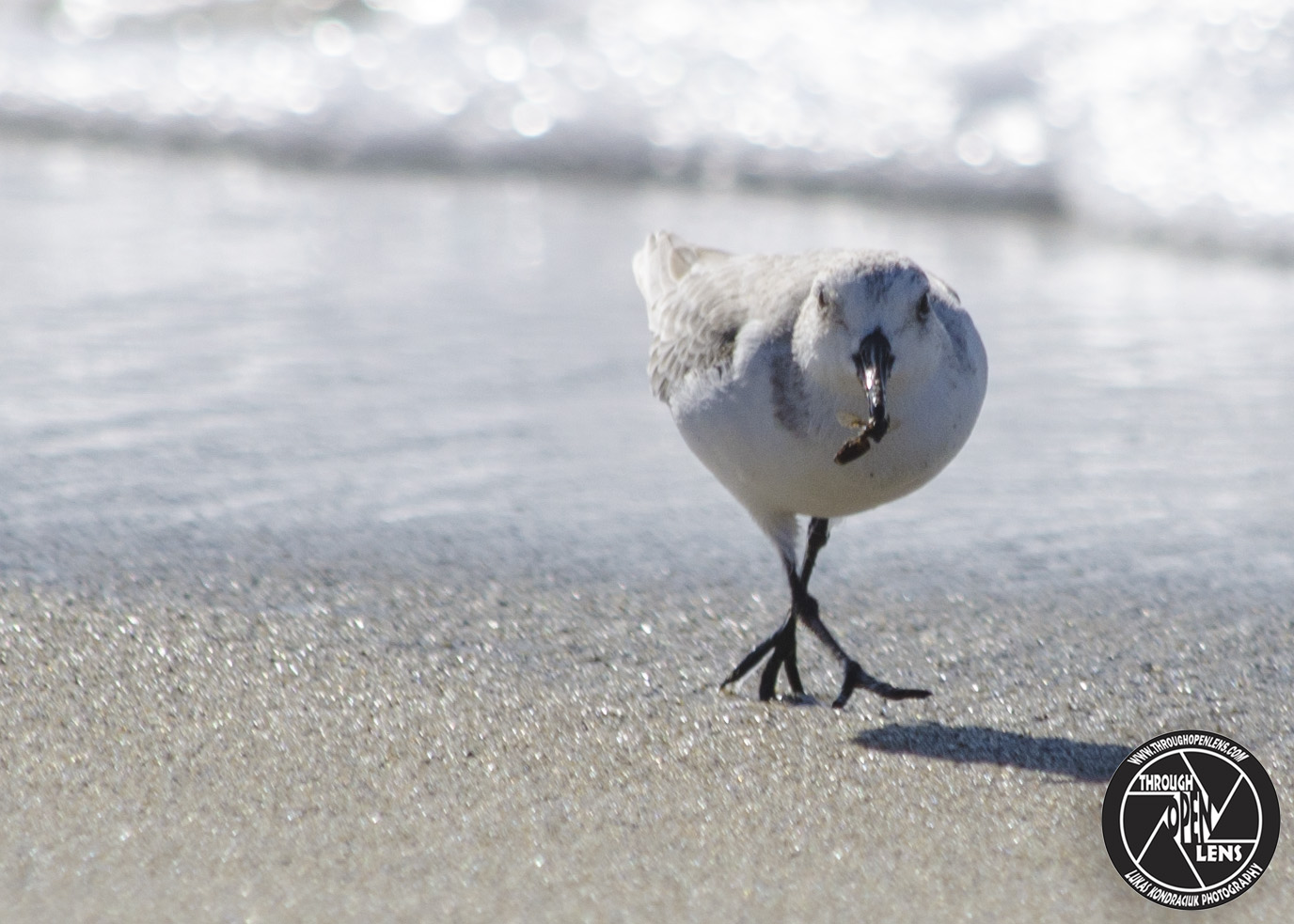
I Will Eat This!

sanderling-eating

F/8.0, 1/1000, ISO 200.

Sanderling

Bobby: “I am on my sea food diet right now”

Joey:  “How does it work?”

Bobby: “Whenever I see food I eat it!”

Interesting Fact: Long-distance migrant. Some Sanderlings travel as few as 1,800 miles to coastal New England, while others fly more than 6,000 miles to temperate South America. Even individuals that winter on the same beach can take different migration routes and may end up on different breeding grounds. ( https://www.allaboutbirds.org/guide/Sanderling/lifehistory )

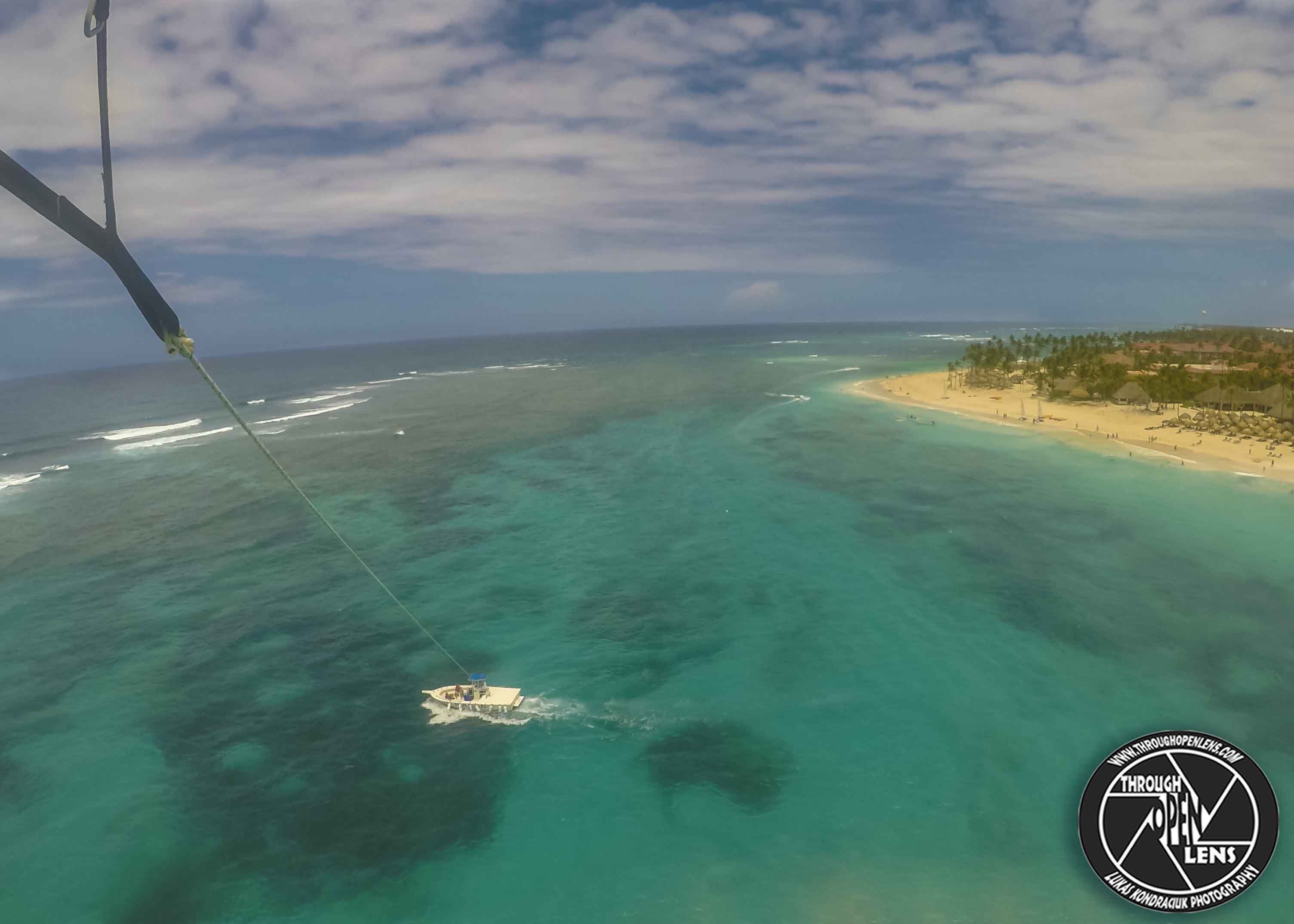
Wish You Were Here, With A Beer!

F/7.1, 1/200, ISO 100.

Punta Cana Domincan Republic Beach 

What did the beach says as the tide came in?

Long time no sea

Interesting Fact: Punta Cana features a tropical wet and dry climate under the Köppen climate classification. The weather is fairly consistent all year, with an average temperature of 26 °C (79 °F). The hot and humid season lasts from May to October, and during the day temperatures might reach 35 °C (95 °F). From November to March, temperatures during the evening are around 20 °C (68 °F). Very little rain falls around the area, primarily because of the mostly flat landscape, a combination of savanna and mountains.  ( https://en.wikipedia.org/wiki/Punta_Cana