Snow Way You’ve Got To Be Flaking Me!

F/5.6, 1/1600, ISO 400.

Mute Swan

Why was the snowman sad?

Cause he had a meltdown.

Interesting Fact: Male Mute Swans select the nest site and may start several nests before the female accepts the location. Nest sites are safe from flooding yet offer easy access to water, with ample nesting materials and food nearby–often on a small peninsula, along a heavily vegetated shoreline, or on a small to medium-sized island.  ( https://www.allaboutbirds.org/guide/Mute_Swan/lifehistory )
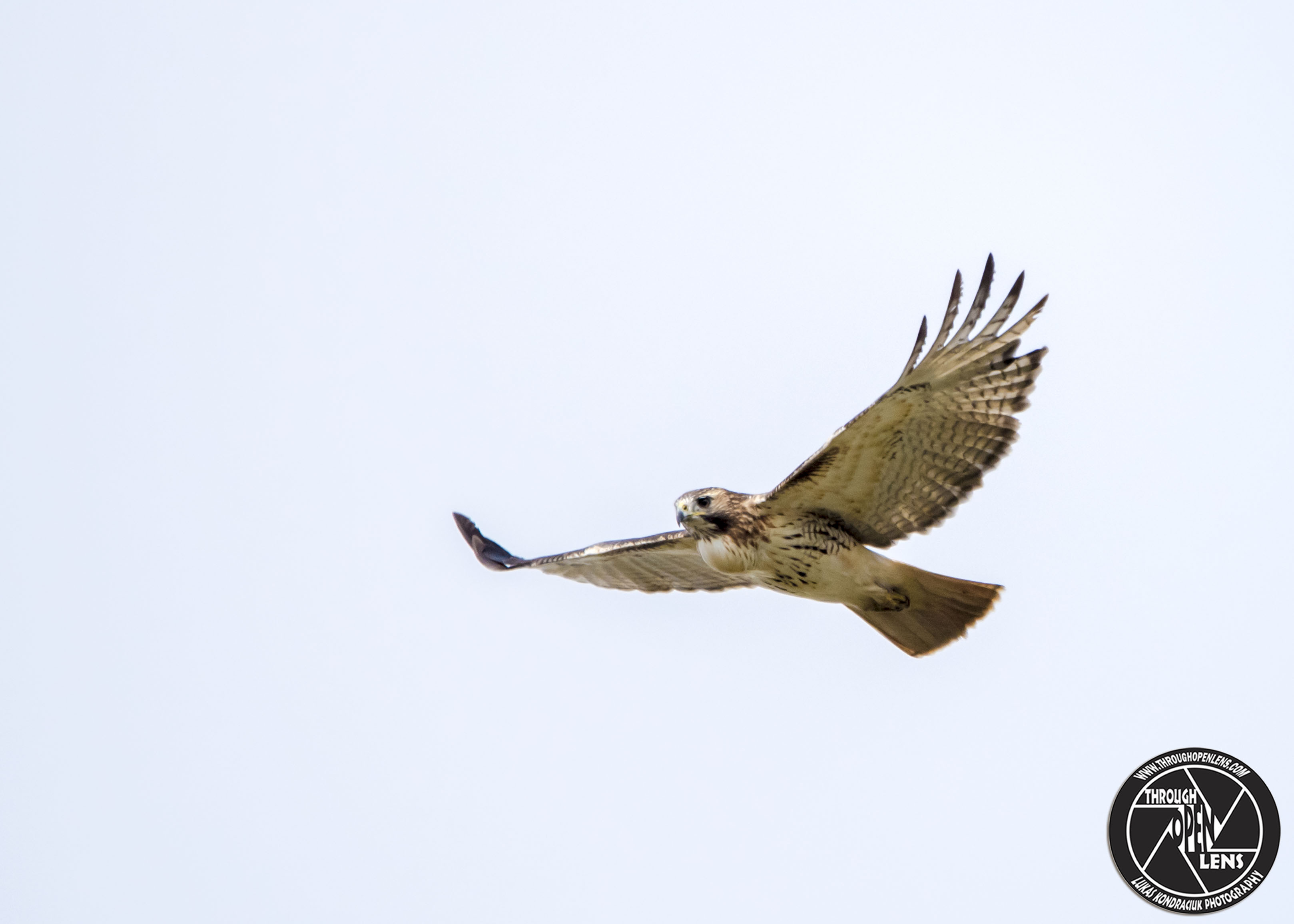


I’m So High!

F/6.3, 1/2500, ISO 320.

Red-tailed Hawk

One day a man came home from work to find his wife crying hysterically in the kitchen.

“What’s wrong, dearest?” asked the confused husband.

“Oh darling,” sobbed the wife,

“I was cleaning little Jen’s room when I found whips, handcuffs and chains under her bed, along with a very erotic porn magazine! What ever are we going to do?”

“Well,” replied the man, “I guess a spanking is out of the question?”

Interesting Fact: The oldest known wild Red-tailed Hawk was at least 30 years, 8 months old when it was found in Michigan in 2011, the same state where it had been banded in 1981. ( https://www.allaboutbirds.org/guide/Red-tailed_Hawk/overview )

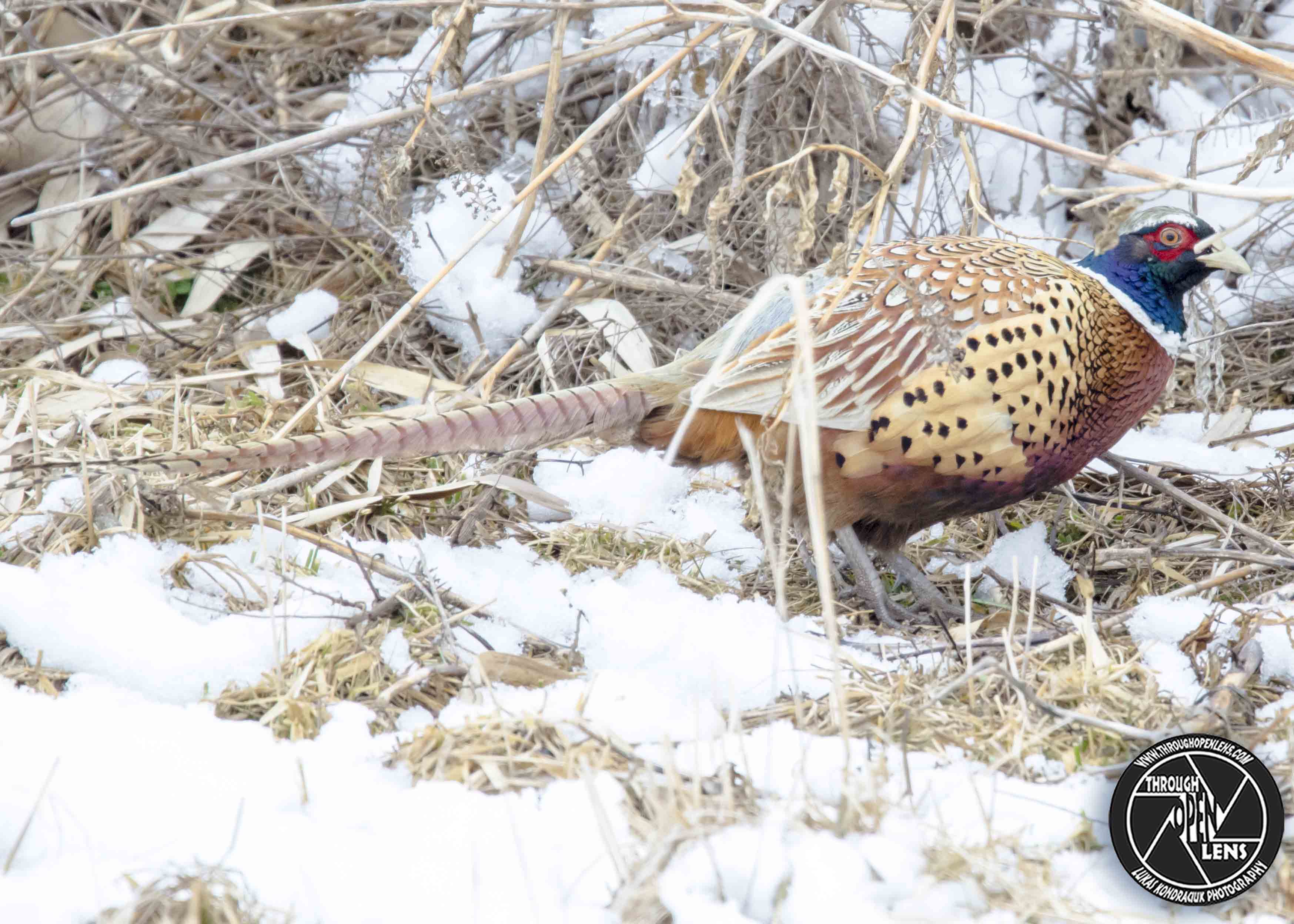
Mother Pheasant Plucker!

F/6.3, 1/250, ISO 1600.

Ring-Necked Pheasant

What is dangerous?

Sneezing while having diarrhea!

Interesting Fact:  Pheasants, along with most members of the grouse family, have specialized, powerful breast muscles—the “white meat” that you find on a chicken. These muscles deliver bursts of power that allow the birds to escape trouble in a hurry, flushing nearly vertically into the air and reaching speeds of nearly 40 miles per hour.  ( https://www.allaboutbirds.org/guide/Ring-necked_Pheasant/lifehistory )

I Got Blue More Than You!

F/7.1, 1/200, ISO 320.

Eastern Bluebird

In Court:

Judge: “Why did you steal the car?”

Defendant: “Your Honour I had to get to work.”

Judge: “Why didn’t you take the bus?”

Defendant: I don’t have a driver’s license for the bus.

Interesting Fact: Eastern Bluebirds occur across eastern North America and south as far as Nicaragua. Birds that live farther north and in the west of the range tend to lay more eggs than eastern and southern birds.  ( https://www.allaboutbirds.org/guide/Eastern_Bluebird )

How low can you go?

northern-shoveler-2

F/9.0, 1/320, ISO 250.

Northern Shoveler 

How do you know if there’s a snowman in your bed?

You wake up wet!

Interesting Fact: The bill of the Northern Shoveler is about 6.5 cm (2.5 inches) long. The bill has has about 110 fine projections (called lamellae) along the edges, for straining food from water. ( https://www.allaboutbirds.org/guide/Northern_Shoveler/lifehistory )

I Dont Give A DUCK!

F/5.6, 1/1600, ISO 400.

Common Merganser ( Female )

Tom and Bob are talking:

Tom: “I managed to lose my rifle when I was in the army.”

Bob: “And…”

Tom: “I had to pay $1000 to cover the loss. I’m starting to understand why a Navy captain always goes down with his ship. ”

Interesting Fact: Often when one bird dives in a large group, the others follow the leader and disappear. They can stay under for up to 2 minutes, but they normally dive for less than 30 seconds. ( https://www.allaboutbirds.org/guide/Common_Merganser/lifehistory )

Is It True That You Just Love Me For My Breasts?


F/6.0, 1/160, ISO 320.

Wild Turkey

What did the turkey say to the computer?

Google, google, google.

Interesting Fact: Wild Turkeys live year-round in open forests with interspersed clearings in 49 states (excluding Alaska), parts of Mexico, and parts of southern Alberta, Ontario, Manitoba, and Saskatchewan, Canada.  ( https://www.allaboutbirds.org/guide/Wild_Turkey/lifehistory )


How You Like My Tuxedo!

dark-eyed-junco-2

F/8.0, 1/200, ISO 320.

Dark-eyed Junco

Caller: Dials in 911 Hello officer, I broke my arm in 3 places!

Officer: Then stop going to those places.

Interesting Fact: When foraging, Dark-eyed Juncos typically hop (rather than walk) on the ground, pecking or scratching at the leaf litter, or flit very low in underbrush gleaning food from twigs and leaves. They sometimes fly up from the ground to catch insects from tree trunks. In flight, they flap continuously and pump their tails so the white outer tail feathers flash; flight is very agile as the bird maneuvers through its tangled environs. ( https://www.allaboutbirds.org/guide/Dark-eyed_Junco/lifehistory )

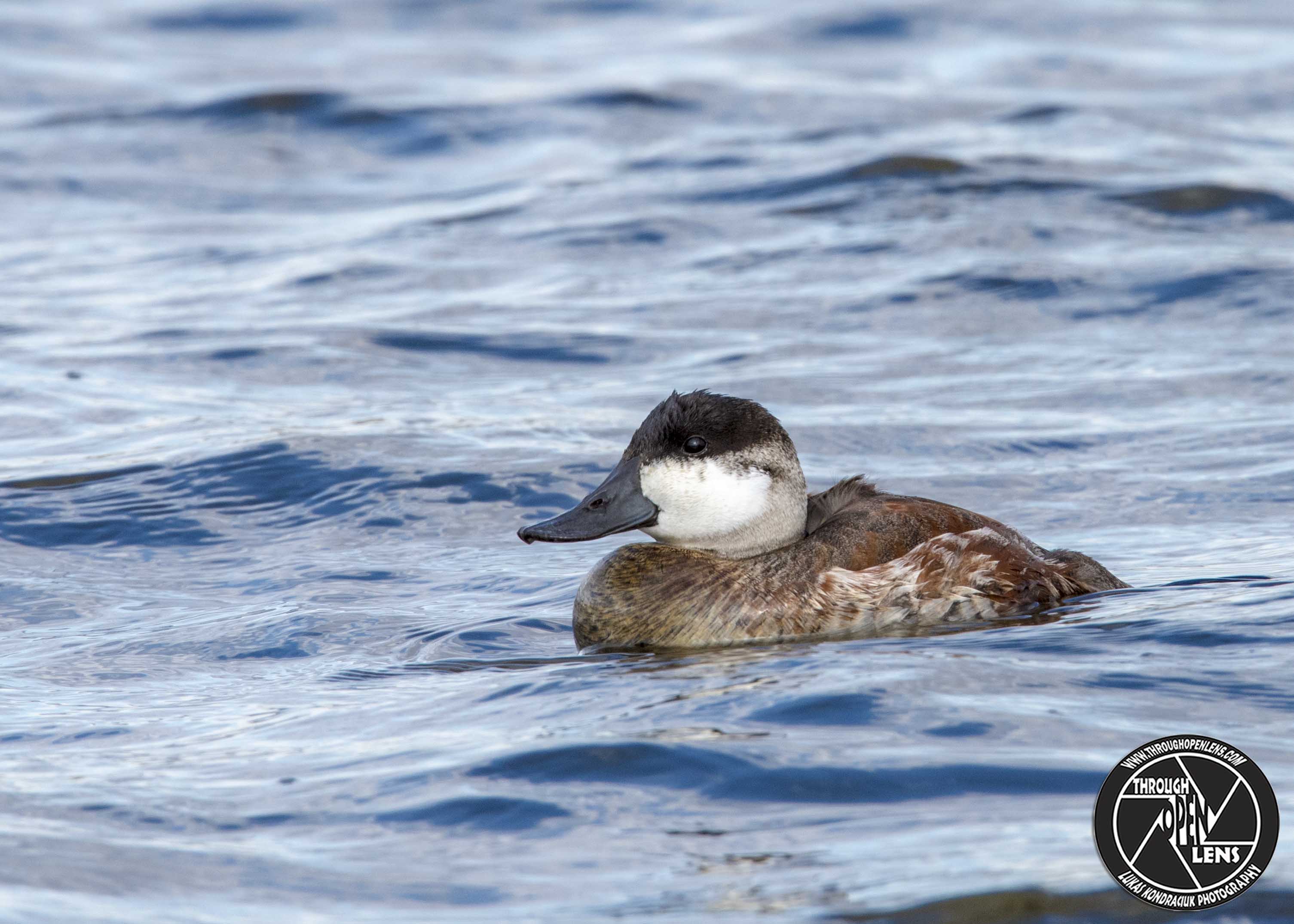
Sometimes Life Isn’t All It’s Quacked Up To Be!

F/11.0, 1/500, ISO 500.

Ruddy Duck

Why are trees so care free and easy going?

Because every fall, they let loose.

Interesting Fact: Ruddy Ducks breed in wetlands and reservoirs from southwestern Canada through the western United States and Mexico, as well as in scattered sites in the eastern United States and on the Caribbean islands. About 86 percent of the breeding population is concentrated in the prairie pothole region of south-central Canada and north-central United States. Their breeding habitat includes large marshes, stock ponds, reservoirs, and deep natural basins. ( https://www.allaboutbirds.org/guide/Ruddy_Duck/lifehistory )

Head Banging Is My Stress Reduction!

F/6.3, 1/800, ISO 800.

Yellow-Bellied Sapsucker

Why did the police arrest the turkey?

They suspected it of fowl play!

Interesting Fact: Yellow-bellied Sapsuckers have been found drilling sapwells in more than 1,000 species of trees and woody plants, though they have a strong preference for birches and maples. ( https://www.allaboutbirds.org/guide/Yellow-bellied_Sapsucker )