I Am On A Seafood Diet. I See Food, And I Eat It.

F/ 6.3, 1/80, ISO 640.

Turkey Vulture

Two vultures are in a field, eating a dead clown.

One vulture says to the other, “Does this taste funny to you?”

Interesting Fact:  Turkey Vultures nest in rock crevices, caves, ledges, thickets, mammal burrows and hollow logs, fallen trees, abandoned hawk or heron nests, and abandoned buildings. These nest sites are typically much cooler (by 13°F or more) than surroundings, and isolated from human traffic or disturbance. While they often feed near humans, Turkey Vultures prefer to nest far away from civilization. ( https://www.allaboutbirds.org/guide/Turkey_Vulture/lifehistory )

PhotoBomb!

F/13.0, 1/400, ISO 500.

Black Scoter 

Why did the belt go to jail?

Because it held up a pair of pants!

Interesting Fact:  The Black Scoter is among the most vocal of waterfowl. Groups of Black Scoters often can be located by the constant mellow, plaintive whistling sound of the males.  ( https://www.allaboutbirds.org/guide/Black_Scoter )

I Swear, I Am One Cocktail Away From Telling Everyone What I Really Think!

F/8.0, 1/250, ISO 160.

Least Sandpiper

A Sandwich walks into a bar.

The bartender says “Sorry, we don’t serve food here”

Interesting Fact: Researchers studying Least Sandpipers discovered a new feeding mechanism. While probing damp mud with their bills, the sandpipers use the surface tension of the water to transport prey quickly from their bill tips to their mouths. ( https://www.allaboutbirds.org/guide/Least_Sandpiper/ )

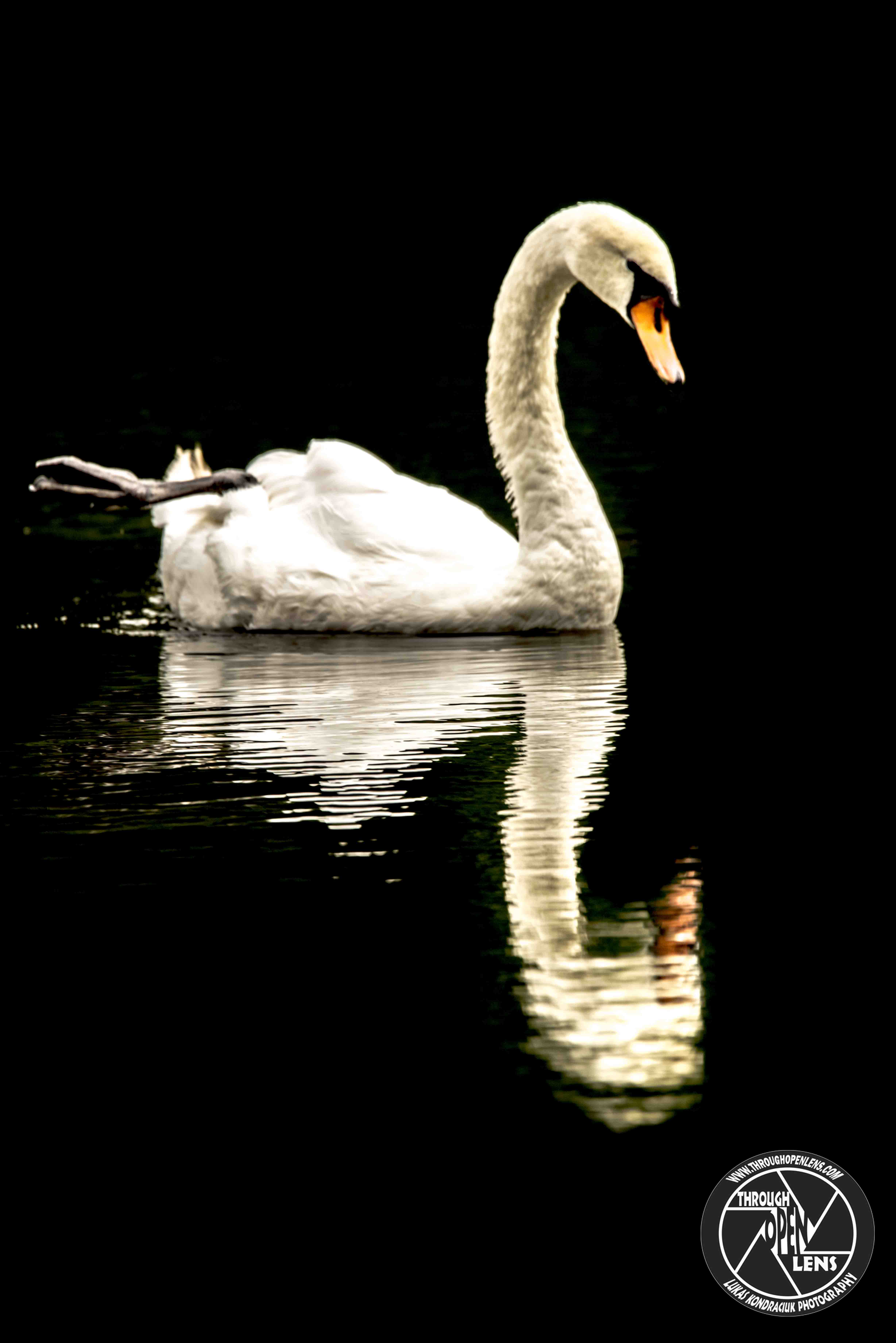
The Darkness That Surrounds Us Cannot Hurt Us. It Is The Darkness In Your Own Heart You Should Fear.

F/9.0, 1/320, ISO 320.

Mute Swan

Why did The Joker have to sleep with his lights on?

Because he was afraid of the Dark Knight.

Interesting Fact: Short legs placed well back on the body give Mute Swans an awkward walking gait, but the birds can run quickly if pursued and can take off from land and water, flying with head and neck extended. On the water they sometimes hold their wings slightly raised and “sail” with the wind. ( https://www.allaboutbirds.org/guide/Mute_Swan/lifehistory )

Do We Have A Problem Here!

F/6.3, 1/640, ISO800.

American Black Duck

What says “Quick, Quick”?

A duck with the hiccups.

Interesting Fact: If a mother is killed or separated from her brood, another Black Duck with ducklings of her own, regardless of their age, will quickly adopt the orphans. ( http://identify.whatbird.com/obj/392/_/American_Black_Duck.aspx )

Let Me Sing You A Song!

F/6.3, 1/640, ISO 100.

Northern Mockingbird

What’s a monsters favorite desert?

I-Scream!

Interesting Fact: Northern Mockingbirds continue to add new sounds to their repertoires throughout their lives. A male may learn around 200 songs throughout its life. ( https://www.allaboutbirds.org/guide/Northern_Mockingbird/lifehistory )

I’m Looking Forward To The Weekend. Who’s With Me?

F/9.0, 1/320, ISO 400.

White-throated Sparrow

A man asked a waiter. “What is this fly doing in my soup?”

The waiter replied. “It looks like its swimming sir.”

Interesting Fact:  During the breeding season the males are aggressive, chasing each other off their territories. “White-striped” forms tend to be more aggressive than “tan-striped” forms. Later in the breeding season this aggressiveness declines, and by fall White-throated Sparrows form large flocks that forage together. ( https://www.allaboutbirds.org/guide/White-throated_Sparrow/lifehistory  )

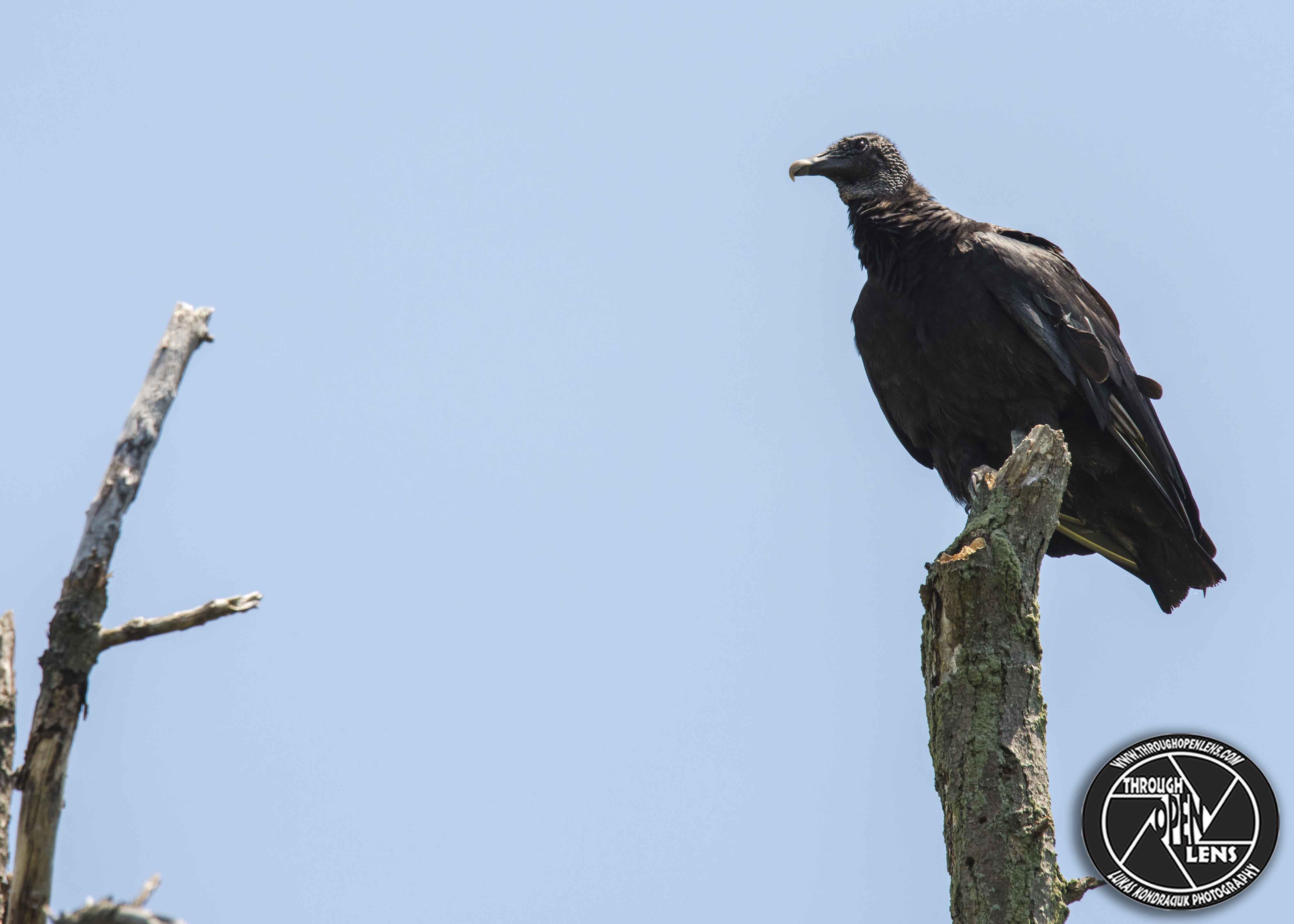
Patience Is Not The Ability To Wait But How You Act While You’re Waiting

F/10.0, 1/400, ISO 400.

Black Vulture

Why can’t you give Elsa a balloon?

Because she will Let it go.

Interesting Fact: Black Vultures lack a voice box and so their vocal abilities are limited to making raspy hisses and grunts. ( https://www.allaboutbirds.org/guide/Black_Vulture/lifehistory )

I Might Be Too Punk Rock For You.

F/ 7.1, 1/200, ISO 1600.

Pileated Woodpecker 

When is it bad luck to be followed by a black cat?

When you’re a mouse.

Interesting Fact: When hammering into this soft wood, Pileated Woodpeckers use their long necks to pull far back from the tree, then make powerful strikes with their heavy bills, pulling with their feet to increase the strength of the blow. The sound is often audible as a heavy thunk, and large chips of wood collect on the ground below. ( https://www.allaboutbirds.org/guide/Pileated_Woodpecker/lifehistory )

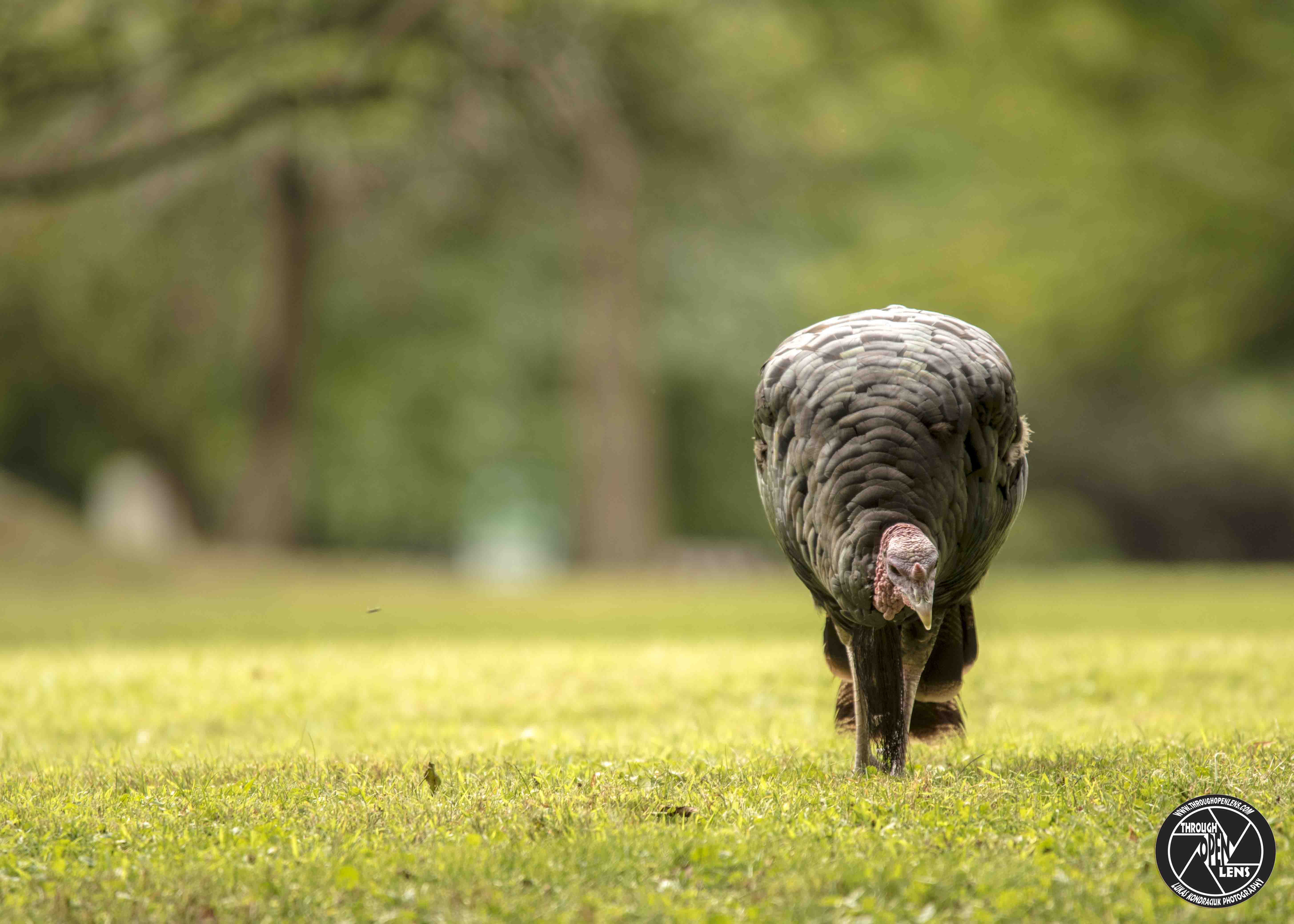
I Am Not A Patient Person

F/7.1, 1/160, ISO 320.

Wild Turkey 

How do you make an egg laugh?

Tell it a yolk.

Interesting Fact: Despite their weight, wild turkeys, unlike their domesticated counterparts, are agile, fast fliers. In ideal habitat of open woodland or wooded grasslands,[20] they may fly beneath the canopy top and find perches. They usually fly close to the ground for no more than 400 m (a quarter mile). ( https://en.wikipedia.org/wiki/Wild_turkey )